
The Glass Reef of Georgia Street: Vancouver’s Bold Leap into Biomimetic Architecture
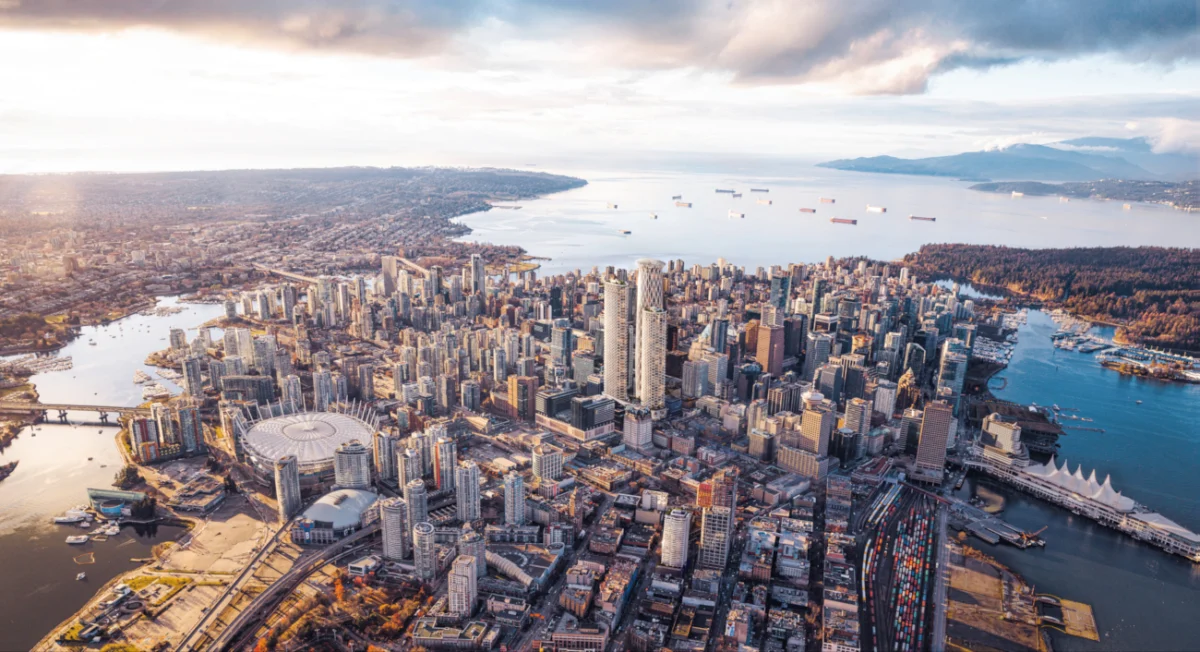
In the heart of downtown Vancouver, where the urban grid meets the rugged beauty of the Pacific Northwest, a transformative architectural proposal is poised to redefine the city’s skyline. The project, centered at 595 West Georgia Street, represents a radical departure from the traditional "glass box" aesthetic that has defined "Vancouverism" for decades. Instead, Henriquez Partners Architects have looked beneath the waves of the Pacific Ocean for inspiration, designing a skyscraper modeled after the intricate, resilient structure of the Venus’ flower basket sea sponge.
This ambitious development, led by the Holborn Group, is not merely a play for height—though at a proposed 1,033 feet, it would comfortably become the tallest building in the city. Rather, it is a masterclass in biomimicry, structural engineering, and urban reconciliation, aiming to harmonize the built environment with the biological wonders of British Columbia’s coastal waters.
Main Facts: A New Icon for the Pacific Northwest
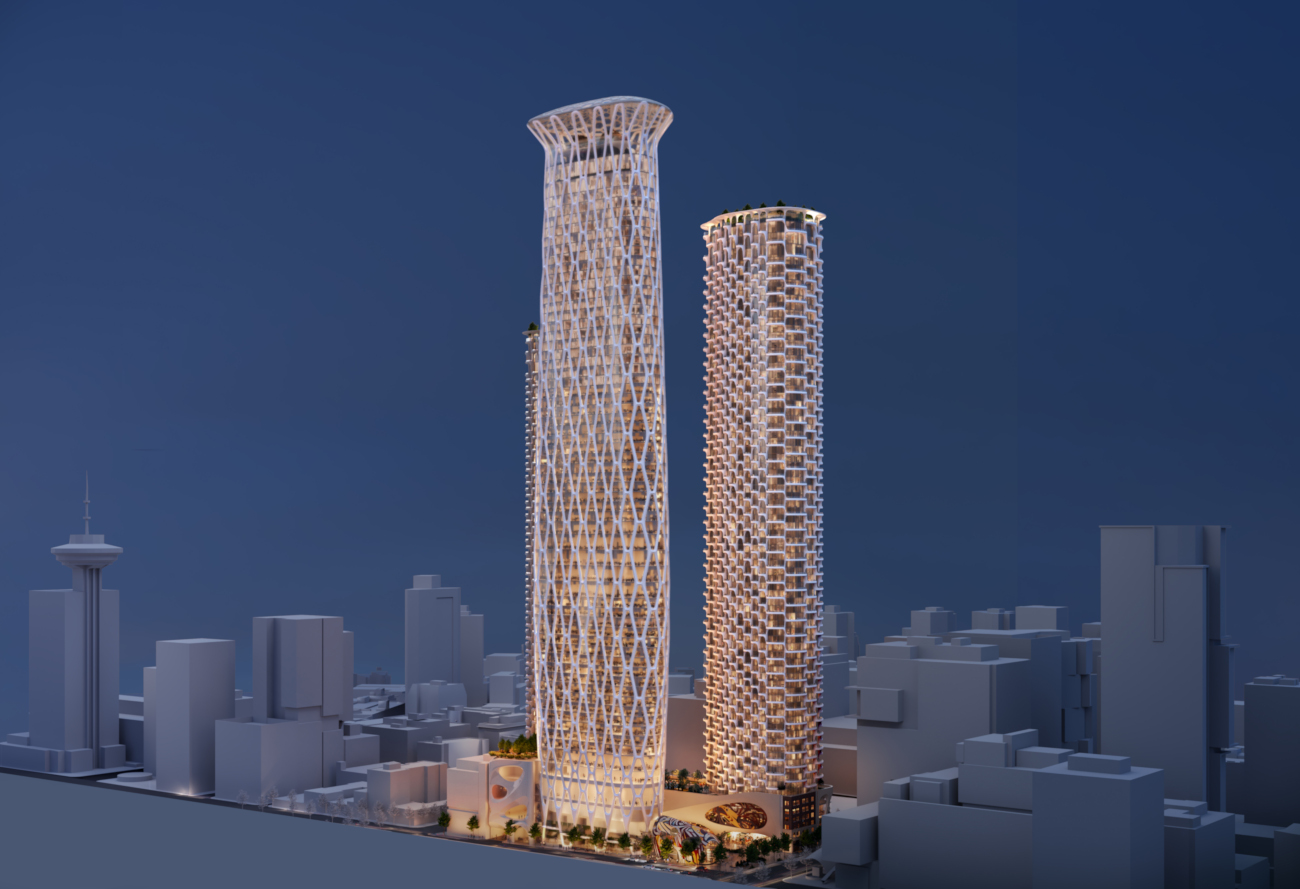
The 595 West Georgia Street project is the centerpiece of a larger, multi-site development known as the Georgia & Abbott project. The proposal involves a four-building complex designed to integrate luxury hospitality, social housing, cultural spaces, and high-tech engineering.
The Biological Blueprint
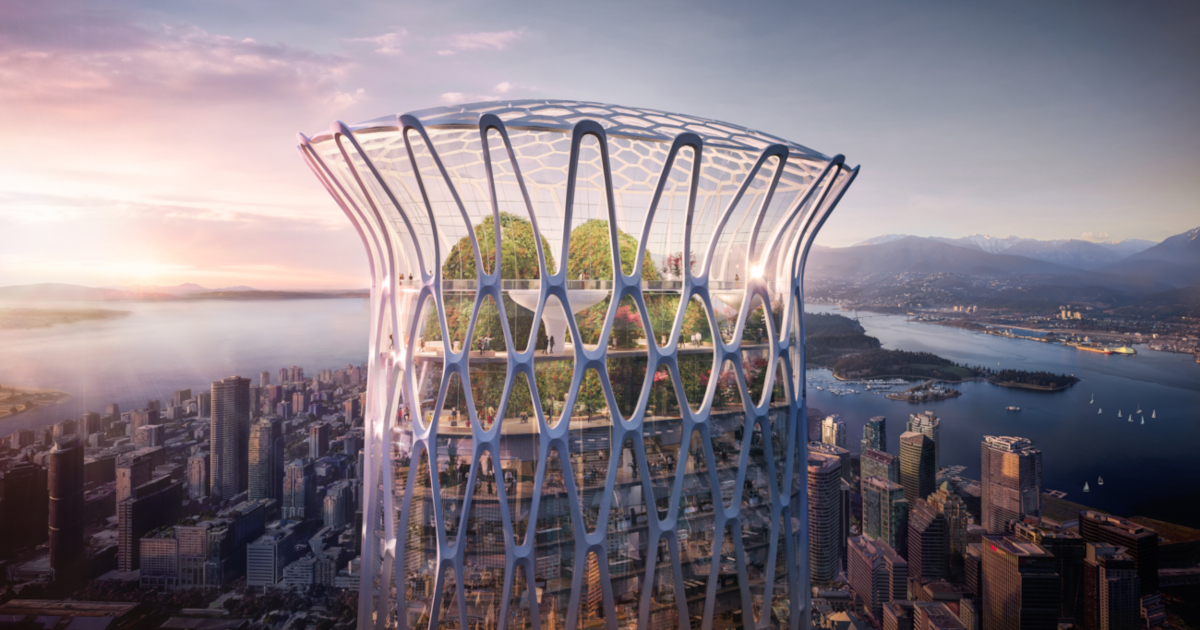
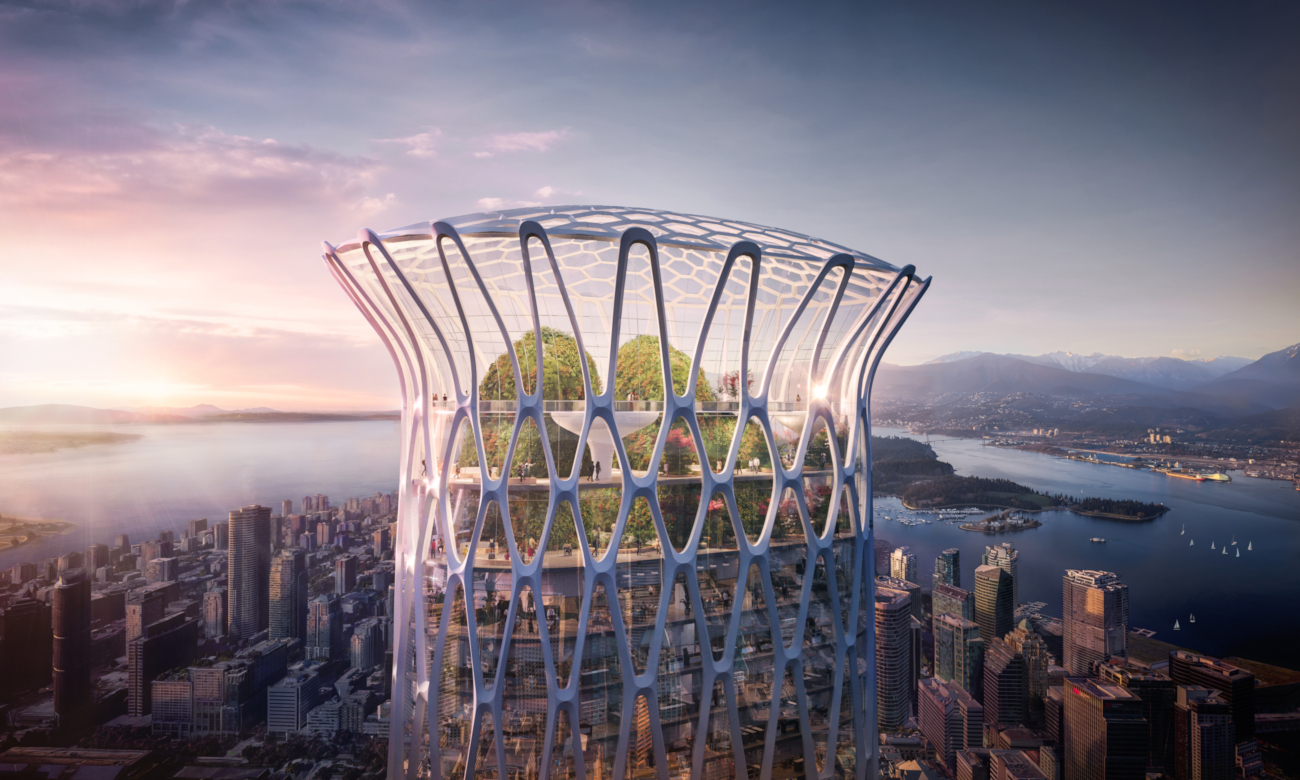
The primary inspiration for the tower is the Euplectella aspergillum, commonly known as the Venus’ flower basket. This species of glass sea sponge is renowned for its skeletal system made of silica, which forms a complex, lattice-like structure. For architects, the sponge is more than a visual curiosity; it is a marvel of structural efficiency. The tower’s exterior will feature a diagrid exoskeleton that mimics this skeletal lattice, providing immense strength while using significantly less material than traditional steel-and-concrete frames.
Record-Breaking Height
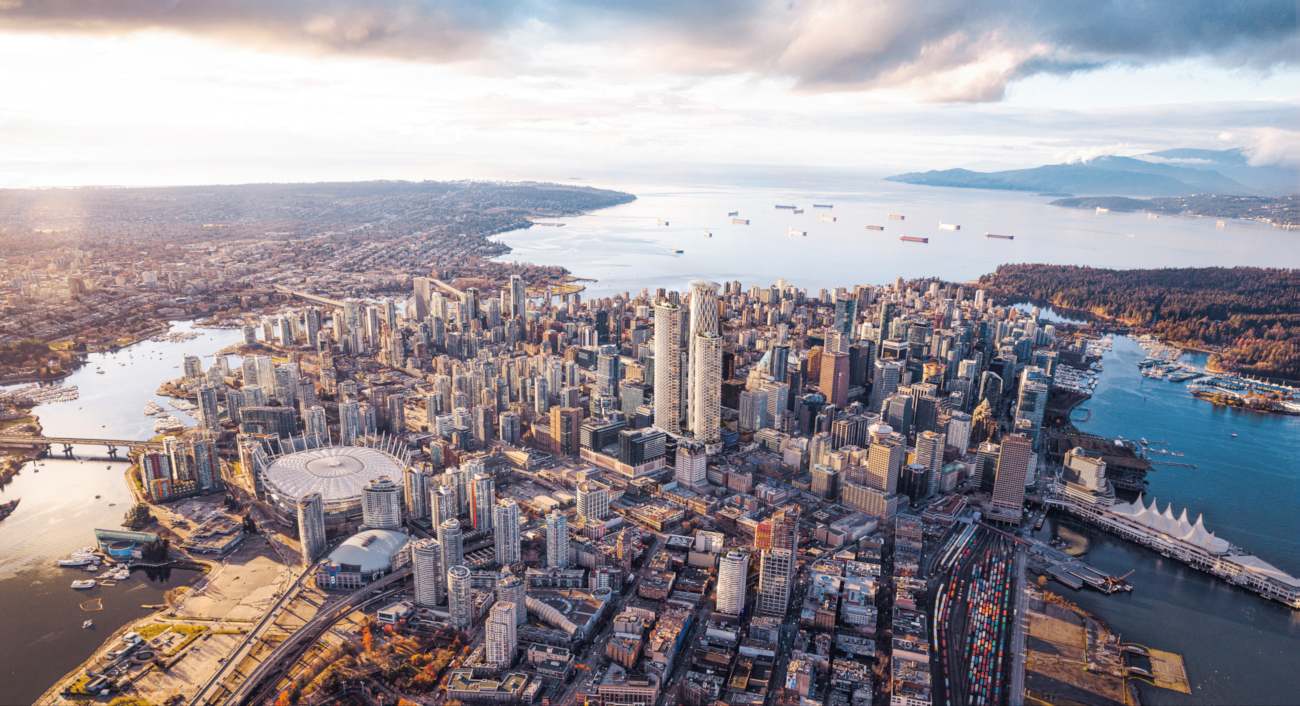
If approved and completed as planned, 595 West Georgia will stand at 1,033 feet (approximately 315 meters). To put this in perspective, the current tallest building in Vancouver is the Living Shangri-La, which stands at 659 feet. The new tower would nearly double the height of the iconic Vancouver Lookout at Harbour Centre (482 feet), fundamentally shifting the city’s vertical profile and creating a new landmark visible from across the Burrard Inlet.
Multi-Functional Programming
The development is designed to be a "city within a city." Key components include:
- The Hotel: A 920-room world-class hotel occupying the main tower.
- The "Forest in the Sky": A publicly accessible observation deck at the summit, designed by PFS Studio to mimic a high-altitude temperate rainforest.
- Residential & Social Housing: The neighboring 501 West Georgia buildings will provide over 1,900 new homes, including dedicated social housing units.
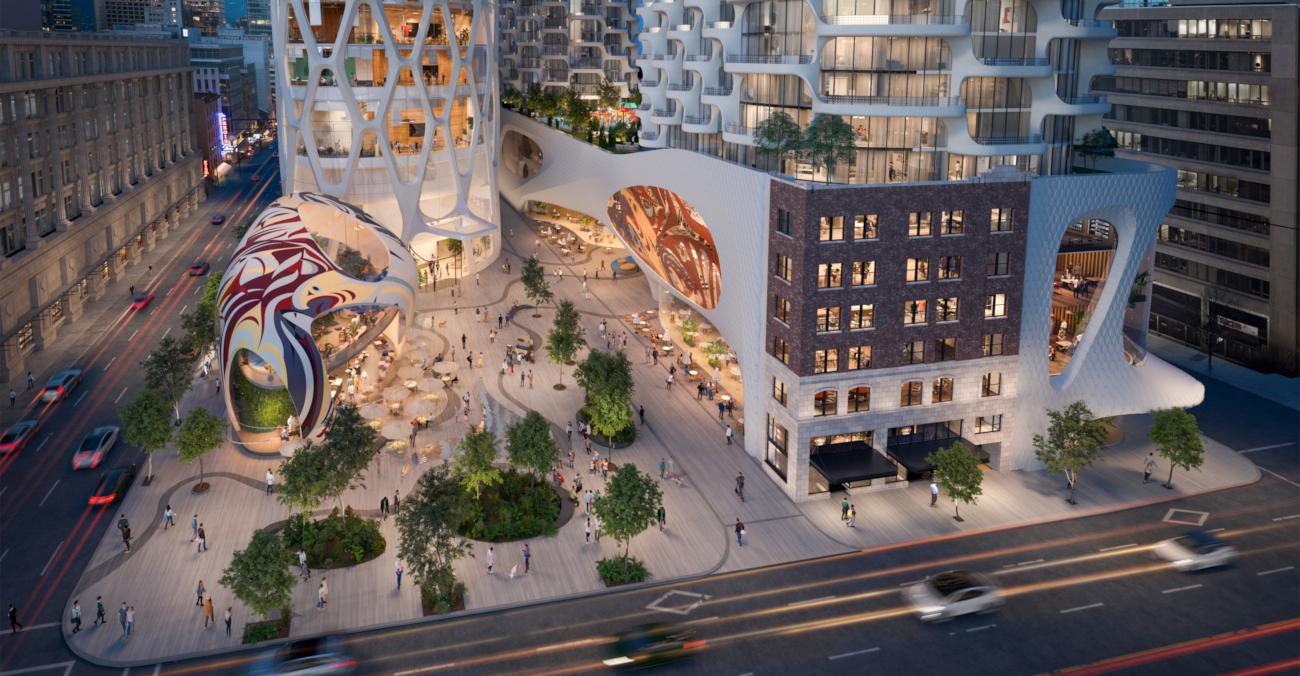
- Public Realm: A 17,000-square-foot public plaza featuring retail pavilions, a cultural center, and a major focus on Indigenous art and reconciliation.
Chronology: From Deep Sea Discovery to Urban Submission
The journey of 595 West Georgia Street began with a deep-dive into the unique ecology of the British Columbia coast. Unlike most parts of the world, the waters off BC are home to rare and ancient glass sponge reefs—living structures that were once thought to be extinct since the Jurassic period.
Conceptualization and Research
Several years ago, Henriquez Partners Architects began collaborating with international engineering firm Arup to explore how these marine structures could solve modern architectural challenges. The team looked specifically at research conducted at Harvard University, which highlighted the "groundbreaking structural efficiency" of the sea sponge’s lattice. This research proved that the sponge’s square-grid pattern, reinforced by diagonal struts, offers superior resistance to bending and shearing forces—a critical factor for a skyscraper in a high-seismic zone like Vancouver.
Collaboration with PFS Studio
While the structural bones were being finalized, the firm partnered with PFS Studio to design the public and green spaces. The goal was to ensure that the building did not feel like an alien monolith, but rather a natural extension of the British Columbian landscape. This led to the development of the ground-level plaza and the "Forest in the Sky" concept.
Formal Submission
In early 2024, the Holborn Group and Henriquez Partners Architects officially submitted their rezoning and development application to the City of Vancouver. This move initiated the public consultation and municipal review phase, a rigorous process that will determine if the project’s height and density meet the city’s evolving urban planning goals.
Supporting Data: Engineering Resilience and Economic Impact
The project is backed by substantial data regarding its structural integrity and its projected impact on the local economy.
Seismic and Structural Efficiency
The diagrid exoskeleton is the project’s most significant engineering feat. In collaboration with Arup, the architects determined that the sea sponge-inspired lattice allows for:
- Column-Free Interiors: By moving the load-bearing weight to the exterior "skin," the interior floor plates are left wide open, providing maximum flexibility for hotel and conference spaces.
- Material Reduction: The lattice design optimizes the use of steel, reducing the overall carbon footprint of the construction phase compared to traditional structures of this height.
- Earthquake Resilience: The diagonal geometry is inherently stable, capable of absorbing and distributing the energy of seismic waves—a necessity for the Cascadia subduction zone.
Economic Catalyst
The development is positioned as a major driver for Vancouver’s post-pandemic recovery. According to the development team:
- Job Creation: The project is expected to generate thousands of construction jobs over several years, followed by permanent hospitality and service roles within the 920-room hotel and 70,130 square feet of conference space.
- Housing Density: With 1,900 new residential units, the project addresses Vancouver’s critical housing shortage, providing a mix of market-rate and social housing.
- Tourism Revenue: The new observation deck, standing at over 1,000 feet, is expected to become a primary tourist draw, rivaling international observation decks like the CN Tower in Toronto or the Space Needle in Seattle.
Official Responses: A Vision of Reconciliation and Strength
The leadership behind the project views 595 West Georgia not just as a building, but as a narrative.
In a statement released by Henriquez Partners Architects, the firm emphasized the cultural significance of the design: "The architectural expression of the project tells a story that is unique to British Columbia and inspired by rare and ancient glass sea sponge reefs—living structures found off the BC coast that demonstrate strength and adaptability."
Gregory Henriquez, the firm’s managing partner, has often spoken about the "ethical ambition" of architecture. For this project, that ambition manifests in "Indigenous-led reconciliation through art." The development team has committed to working with local First Nations to ensure that the public plaza and cultural centers are not just decorative, but serve as meaningful spaces for Indigenous expression and economic opportunity.
The Holborn Group, known for its high-profile developments like the Trump International Hotel & Tower (now the Paradox Hotel), has expressed that this project represents the "crown jewel" of their portfolio. Their focus remains on creating a "vibrant, interconnected community" that bridges the gap between the business district and the historic neighborhoods nearby.
Implications: Changing the Face of Vancouverism
The approval of 595 West Georgia Street would signal a major shift in Vancouver’s urban planning philosophy. For years, the city has adhered to "The Vancouver View Corridors," a set of policies designed to protect views of the North Shore Mountains from specific points in the city. A 1,033-foot tower would likely challenge these established limits, forcing a conversation about the balance between preserving views and increasing urban density.
A New Standard for Sustainability
By utilizing biomimetic principles, the project sets a precedent for "living systems" in infrastructure. If the diagrid exoskeleton proves as efficient as the Harvard research suggests, it could lead to a new wave of high-rise construction that prioritizes biological geometry over brute-force engineering. This has long-term implications for reducing the "embodied carbon" in skyscrapers—the emissions associated with the manufacturing and transport of building materials.
Social Integration
The inclusion of social housing, an art gallery, and a daycare within the same complex as a luxury hotel suggests a move toward more "complete communities." In a city frequently cited as one of the most expensive in the world, the integration of these amenities is a crucial step in ensuring that downtown remains accessible to a diverse demographic, not just the global elite.
The Sky Forest as Public Good
The "Forest in the Sky" observation deck represents a growing trend in architecture to provide "vertical public space." As land prices on the ground become astronomical, architects are looking upward to provide the greenery and open air that citizens require. This 1,000-foot-high park would offer a unique psychological respite from the urban grind, further cementing Vancouver’s reputation as a city that lives in harmony with nature.
As the proposal moves through the City of Vancouver’s rigorous approval process, the world’s architectural community remains watchful. If 595 West Georgia Street comes to fruition, it will stand as a testament to the idea that the solutions to our most complex engineering challenges may have been floating in the Pacific Ocean for millions of years, waiting to be discovered.


Leave a Comment