
Thundarr the Barbarian: Unsheathing the Sunsword of Post-Apocalyptic Animated Genius
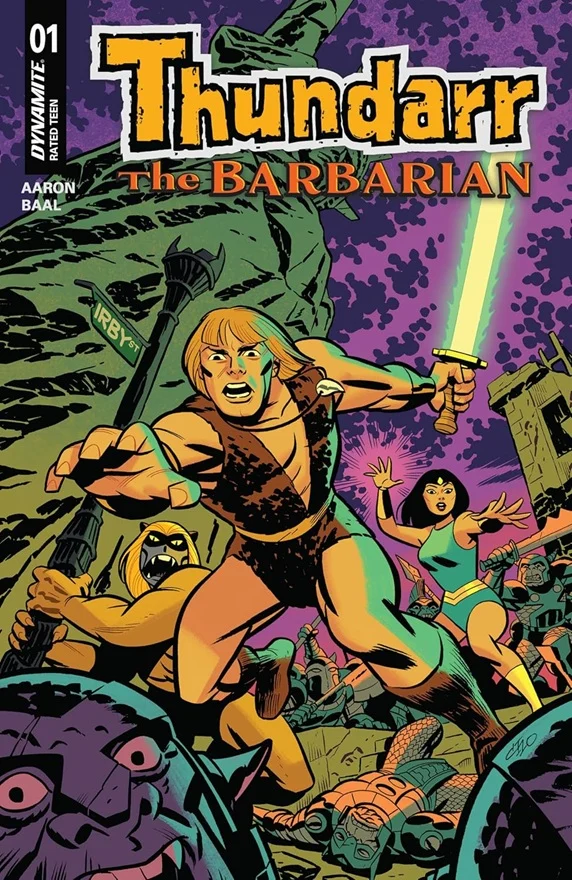
A cult classic of Saturday morning animation, Thundarr the Barbarian carved a unique niche in the landscape of 1980s television, pioneering a captivating blend of sword-and-sorcery fantasy with gritty, post-apocalyptic science fiction. More than just a cartoon, it was a testament to the visionary minds behind its creation, featuring character designs from industry titans Alex Toth and Jack "King" Kirby, and a concept by the legendary Steve Gerber. Forty years after its initial run, the series continues to resonate with fans, its enduring appeal underscored by recent home video releases and a burgeoning comic book revival.
Main Facts: A Post-Apocalyptic Odyssey
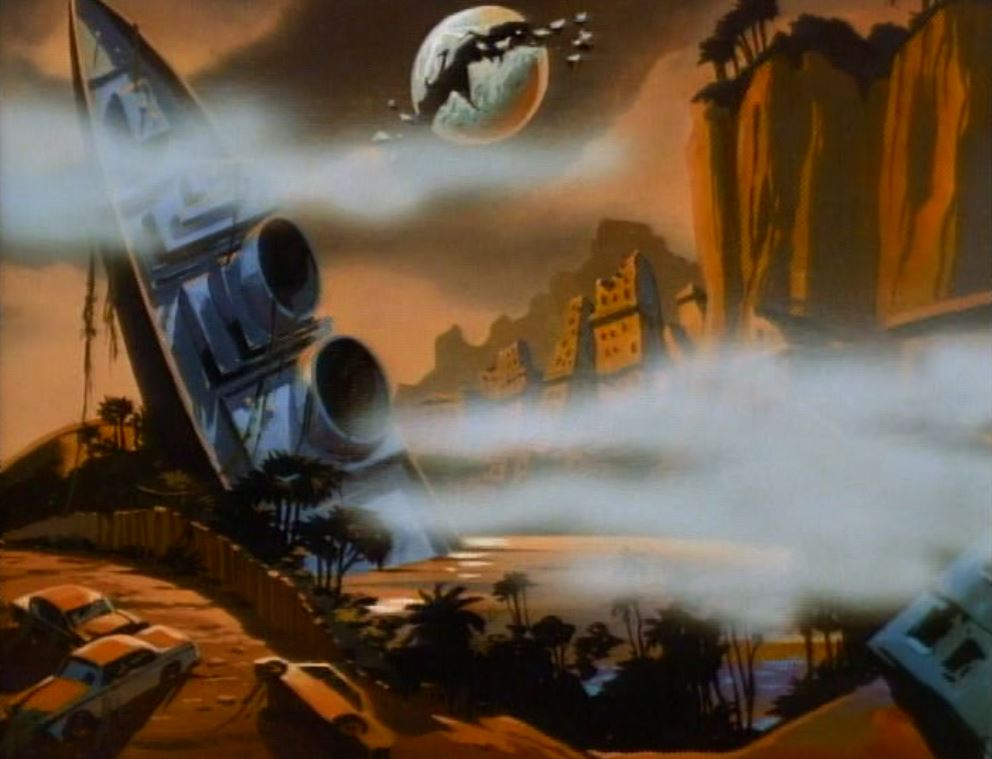
Thundarr the Barbarian, a Ruby-Spears Productions animated series, premiered on ABC on October 4, 1980, running for 21 episodes until October 31, 1981. It quickly distinguished itself with a premise unlike anything else on Saturday mornings: a muscular barbarian warrior, Thundarr, navigating a devastated Earth 2000 years in the future. This world, ravaged by a cosmic catastrophe that split the moon, became a chaotic crucible where advanced technology lay dormant amidst magical forces, and mutated creatures roamed the ruins of human civilization.
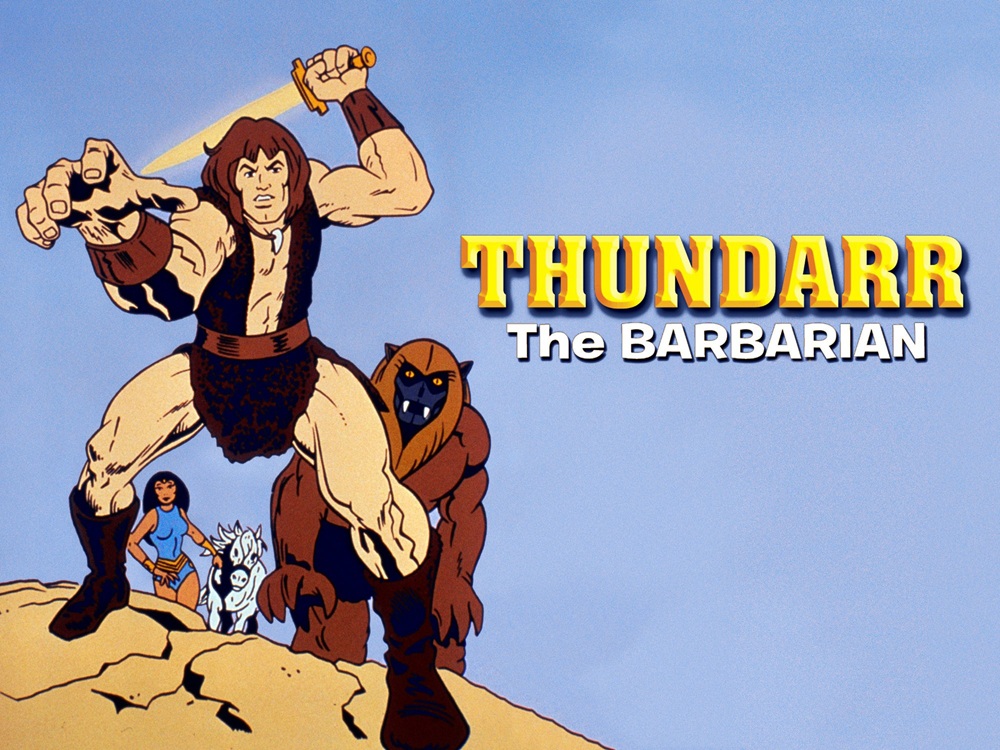
Leading his iconic trio, Thundarr wielded the "fabulous Sunsword," an energy blade capable of cutting through nearly anything. He was joined by Princess Ariel, a powerful and intelligent sorceress, and Ookla the Mok, a formidable, Wookie-like beast-man. Together, they traversed a perilous landscape filled with malevolent wizards, monstrous mutants, and technologically advanced warlords, always fighting for freedom and justice. The show’s distinctive visual style, thanks to the combined genius of Toth and Kirby, and its innovative "science-fantasy" genre blend, cemented its place as a beloved, albeit short-lived, animated phenomenon. Its legacy continues to thrive, with the complete series released on DVD and Blu-ray in 2021 and a new comic book series launched in 2026 by Dynamite Entertainment, demonstrating its lasting impact and fervent fan base.
Chronology: From Concept to Cult Classic
The Genesis of a Vision
The seed for Thundarr the Barbarian was planted by the late, great Steve Gerber, a writer renowned for his groundbreaking work on titles like Marvel’s Howard the Duck and The Defenders. Gerber’s vision was to create a compelling, action-packed animated series that transcended the typical Saturday morning fare. He imagined a world where the familiar tropes of fantasy—barbarians, sorcerers, and mythical beasts—collided with the stark realities of a post-apocalyptic landscape, a fusion often described as "Conan meets Planet of the Apes." This innovative concept, a blend of ancient mysticism and futuristic decay, was both ambitious and refreshingly unique for its time.
Gerber brought this imaginative world to Ruby-Spears Productions, a studio co-founded by former Hanna-Barbera animators Joe Ruby and Ken Spears, known for producing action-oriented cartoons. The studio embraced Gerber’s ambitious concept, recognizing its potential to captivate young audiences with a fresh narrative. However, as is common in television production, particularly for children’s programming, creative control often involved a delicate balance between the creators’ artistic integrity and network mandates. One notable example was the network’s insistence on including a monstrous, Wookie-like ally for Thundarr, a request Gerber initially met with reluctance but ultimately incorporated, leading to the creation of the beloved Ookla.
Artistic Pillars: Toth and Kirby
The visual identity of Thundarr the Barbarian is undeniably one of its most defining and enduring features, a direct result of the extraordinary talent enlisted for its design. Initially, the legendary Alex Toth, a master of streamlined, expressive character design known for his work on Space Ghost and Birdman, was brought in to establish the look of the main characters. Toth’s iconic style, characterized by clean lines, dynamic poses, and powerful silhouettes, gave Thundarr, Ariel, and Ookla their distinct, memorable appearances. His contributions laid a strong foundation for the series’ aesthetic.
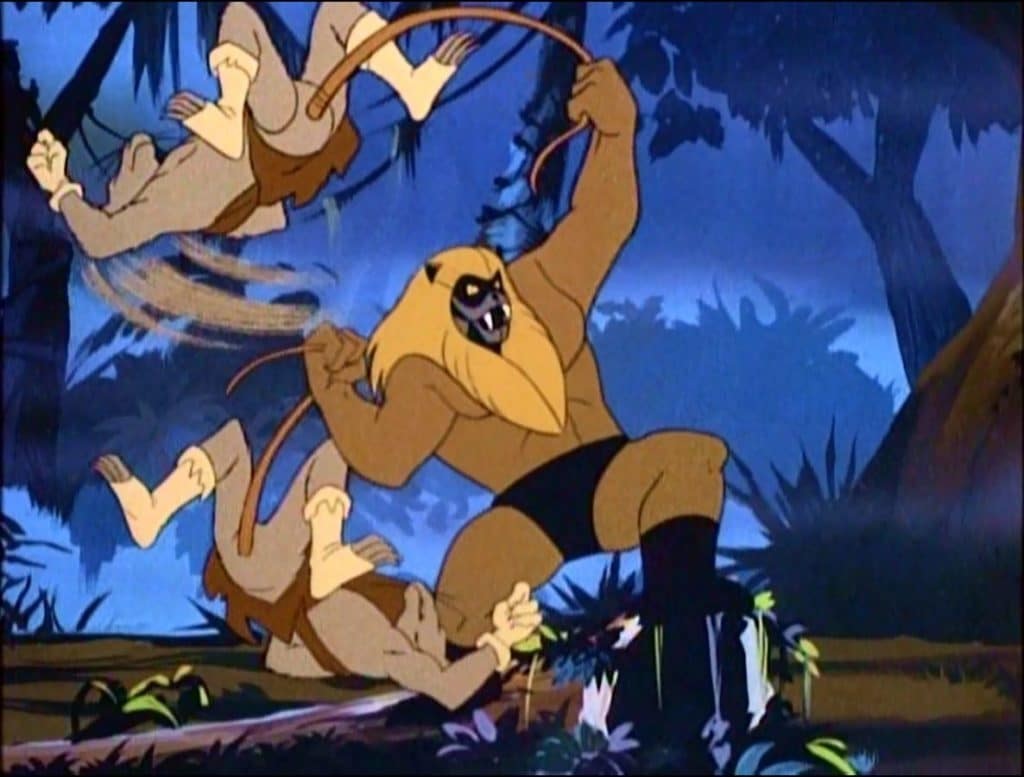
However, Toth’s availability was limited, and he eventually moved on from the project. It was then, at the recommendation of Steve Gerber and comic book historian Mark Evanier (who would later pen a definitive biography of Kirby), that the inimitable Jack "King" Kirby was brought on board. Kirby, a titan of the comic book industry responsible for co-creating much of the Marvel Universe, injected his unparalleled dynamism and cosmic scope into the show. Tasked with designing most of the villains and supporting characters, Kirby’s influence is unmistakable. His signature style – powerful, geometric forms, intricate machinery, and a sense of raw, untamed energy – transformed the antagonists into unforgettable figures. From mutated creatures to technologically advanced sorcerers, Kirby’s designs brought a kinetic intensity and visual grandeur that elevated the series far beyond typical Saturday morning fare. The synergy between Toth’s elegant hero designs and Kirby’s bombastic villains created a visual tapestry that remains captivating decades later.
The Broadcast Era and Beyond
Thundarr the Barbarian debuted on ABC’s coveted Saturday morning cartoon block in October 1980. Its two-season run, comprising a total of 21 episodes, quickly garnered a dedicated following. The show’s unique premise, coupled with its high-quality animation (for the era) and compelling character designs, made it a standout. After its initial run, the series found a new audience in reruns on NBC in 1983, further cementing its presence in the minds of young viewers.
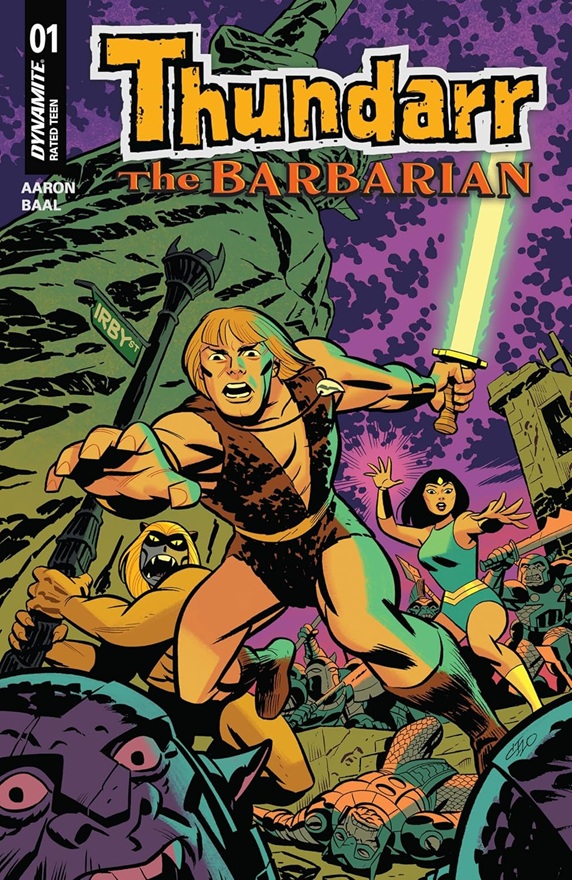
The 1990s brought Thundarr to a new generation when it aired on Cartoon Network, exposing the series to audiences who had missed its original broadcast. This broader exposure helped solidify its status as a cult classic, with many viewers discovering and appreciating its distinctive blend of genres and artistic merit. In the modern era of home entertainment, the demand for classic animated series led to the highly anticipated release of Thundarr the Barbarian: The Complete Series on DVD and Blu-ray in 2021 by Warner Archives. This release allowed long-time fans to revisit the series in high quality and introduced it to a new generation, ensuring its continued relevance. Further demonstrating its enduring appeal, Dynamite Entertainment launched a new Thundarr the Barbarian comic book series in 2026, featuring acclaimed writer Jason Aaron (known for his work on Avengers and Conan) and artist Kewber Baal. This comic revival signifies a powerful modern endorsement of the property’s potential and its lasting cultural footprint.
Supporting Data: Anatomy of a Hybrid World
The World of 2000 AD: A Shattered Earth
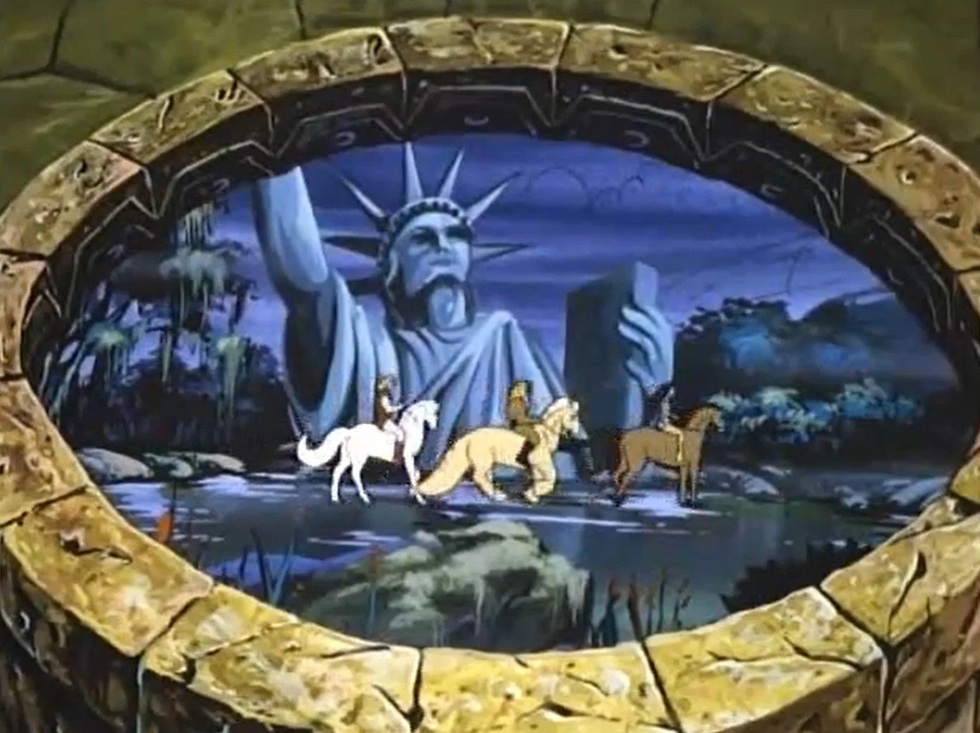
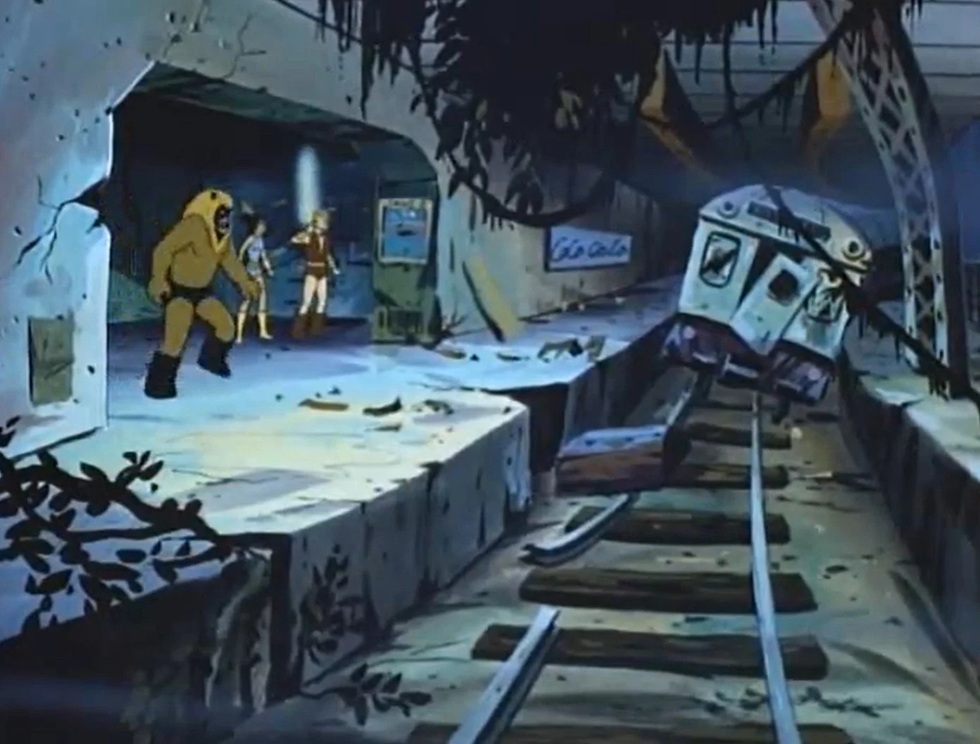
The premise of Thundarr the Barbarian is anchored by a dramatic cataclysm that reshaped Earth. The opening credits of each episode graphically depict the event: a "runaway planet" (implied to be a comet or rogue celestial body) tearing Earth’s moon in half, unleashing devastating seismic activity, tsunamis, and atmospheric chaos that annihilated civilization as we know it. Two millennia later, the remnants of our modern world – crumbled skyscrapers, fractured bridges, and iconic landmarks like the Statue of Liberty – stand as silent monuments to a forgotten era, often serving as backdrops for epic battles.
This post-apocalyptic setting is not merely a desolate wasteland; it’s a vibrant, dangerous ecosystem where super-science and sorcery coexist. Advanced technology, remnants of the "old world," is often misunderstood or wielded by powerful sorcerers who have mastered its arcane principles, blurring the lines between magic and science. This "goulash of everything that’s cool," as described by the original article, creates a rich narrative playground where laser pistols clash with enchanted blades, and ancient spells conjure energy barriers against futuristic robots. It’s a world where mutated humanoid rats and lizards walk alongside giant monsters, werewolves, and technologically augmented warlords, offering an irresistible combination for fans of both science fiction and fantasy.
The Heroic Trio: Pillars of a Broken World
At the heart of this fractured world are the series’ three iconic protagonists, each a familiar archetype recontextualized for this unique setting:
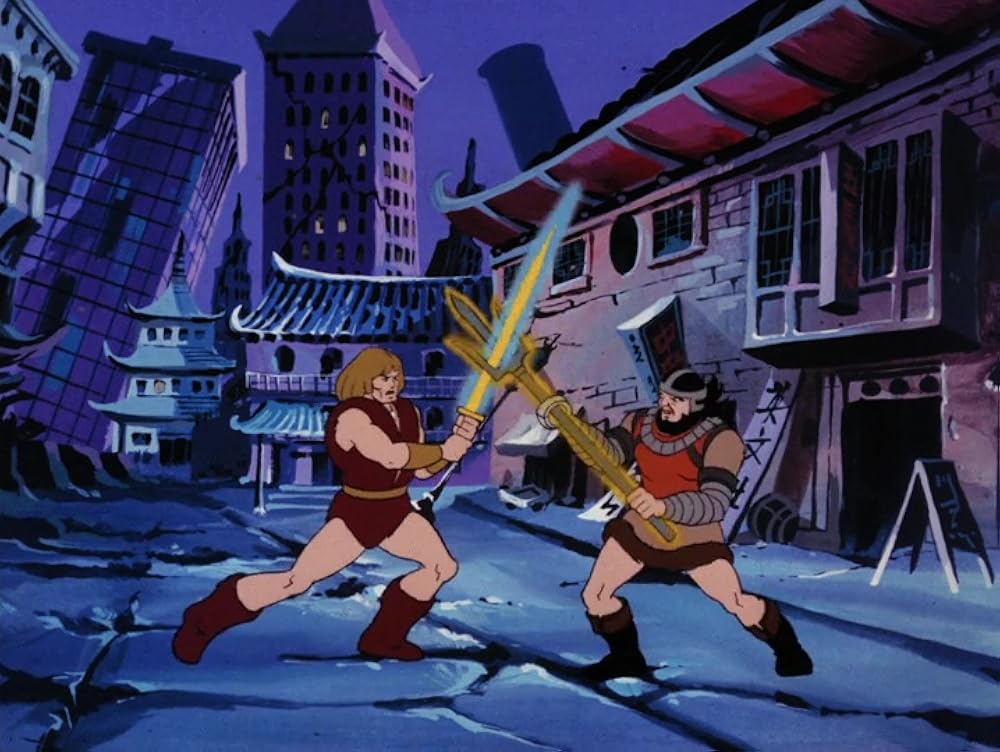
- Thundarr the Barbarian: The eponymous hero, Thundarr, embodies the classic barbarian warrior – muscular, honorable, and fiercely independent. His backstory is briefly touched upon in the series’ opening: a slave who broke free from his bonds. He somehow acquired the "fabulous Sunsword," his signature weapon. This hilt-like device generates a shimmering, golden energy blade, reminiscent of a lightsaber, capable of slicing through most obstacles. For convenience and rapid deployment, it magnetically attaches to his wristband. Thundarr’s resolve and unwavering commitment to justice, punctuated by his famous battle cries like "Demon Dogs!" and "Lords of Light!", make him a timeless hero.
- Princess Ariel: The intellectual and magical backbone of the trio, Princess Ariel is a powerful sorceress whose knowledge of ancient spells and advanced technology often proves crucial in their quests. Her lineage and past remain largely mysterious throughout the series, adding to her enigmatic charm. She is often the voice of reason and strategy, complementing Thundarr’s more direct, confrontational approach. Her ability to cast offensive and defensive spells, manipulate energy, and decipher complex futuristic devices highlights the series’ blend of magic and science.
- Ookla the Mok: The network-mandated "Wookie-like" ally became an integral and beloved member of the team. Ookla is a formidable, furry beast-man of immense strength and loyalty. His growls and roars, often translated by Ariel, convey a deep well of emotion and a fierce protectiveness of his companions. The origin of his distinctive name is a fun anecdote: writer Martin Pasko suggested "Ookla" after seeing the front gates of the UCLA campus during a dinner with Steve Gerber. Ookla rides an alien-looking steed called an "equort," a testament to the series’ creative approach to even its most ancillary details. His raw power and often comedic frustration (like trying to fly a helicopter) provide both muscle and levity to the team.
Villains and Foes: A Pantheon of Peril
The world of Thundarr the Barbarian is populated by a diverse and visually striking array of antagonists, a testament to Jack Kirby’s indelible designs. The heroes confront everything from mutated humanoid rats and lizards, giant monsters, and werewolves, to cunning wizards and sorcerers who blend ancient dark arts with advanced technology.
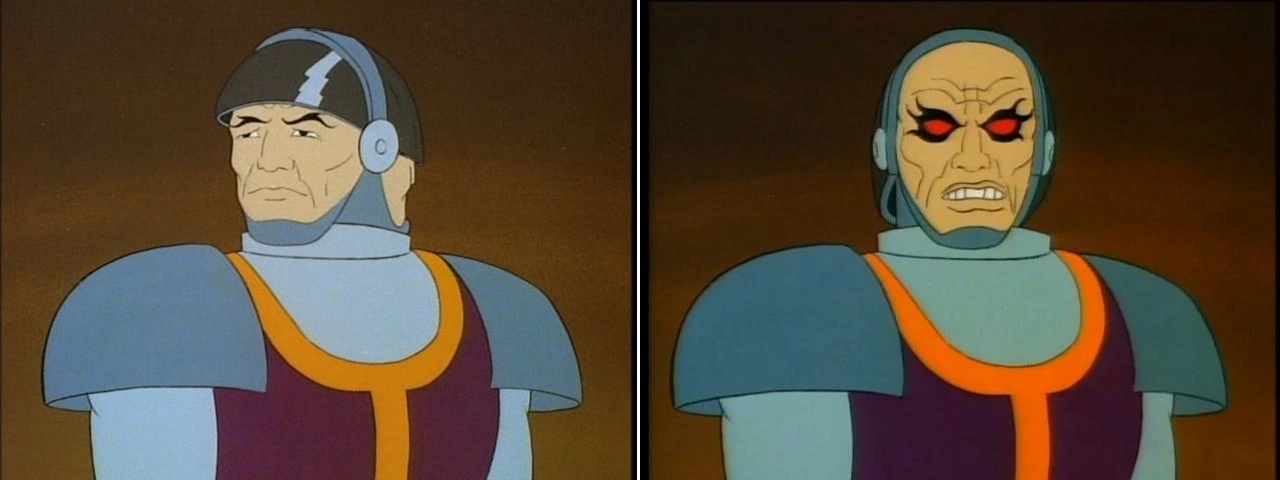
Among these, the villain Gemini stands out as a "perfect Jack Kirby villain." Introduced in the premiere episode, "Secret of the Black Pearl," Gemini is a master of both magic and super-science. His appearance is unforgettable: a combination of medieval armor and a futuristic space-suit. What truly defines him, however, is his unique physiognomy. Beneath his helmet, his primary face is benign, almost jolly. But when angered or challenged, his entire head swivels 180 degrees to reveal a second, terrifying visage with burning red eyes that fire destructive energy beams. Gemini’s contempt for Thundarr, frequently expressed with a sneering, drawn-out "BARBAAAARIAN!!," encapsulates the clash between the enlightened (or self-proclaimed enlightened) and the primal. His potential as a recurring, iconic antagonist was immense, though he only made a second appearance.
The Sound of Adventure: Voice Acting Excellence
The vocal performances in Thundarr the Barbarian were crucial in bringing its larger-than-life characters to vibrant life. Heading the cast was Robert Ridgely, a prolific "that guy" actor whose distinctive, supremely heroic voice perfectly captured Thundarr’s noble yet rugged essence. Ridgely’s delivery of Thundarr’s now-legendary catchphrases – "Demon Dogs!", "Lords of Light!", and the iconic command "Ariel—Ookla—RIDE!!" – imbued the character with an unforgettable presence. Ridgely’s impressive voice acting career also included the title role in the equally fantastic 1979 animated series The New Adventures of Flash Gordon, solidifying his reputation as a go-to voice for heroic leads in genre animation.
Nellie Bellflower provided the voice for Princess Ariel, imbuing the sorceress with intelligence, grace, and authority. Her performance skillfully balanced Ariel’s magical prowess with her role as the team’s strategist and compassionate heart. While Ookla’s vocalizations were primarily grunts and roars, often credited to Henry Corden or other uncredited voice artists, they conveyed a powerful range of emotion and contributed significantly to his character’s appeal. The supporting cast of voice actors further enriched the series, bringing a wide array of colorful villains and supporting characters to life, making the auditory experience as memorable as the visual.
Official Responses: Reception and Unfulfilled Potential
Critical Reception and Fan Acclaim
Upon its initial broadcast, Thundarr the Barbarian was generally well-received for a Saturday morning cartoon. Critics and audiences alike appreciated its innovative premise, the high quality of its animation (especially compared to some of its contemporaries), and the dynamic character designs from Toth and Kirby. While it never achieved the mainstream phenomenon status of some other animated properties, it quickly developed a loyal following among discerning viewers who appreciated its unique blend of genres.
Over the decades, its reputation has only grown. Through reruns on networks like Cartoon Network in the 1990s and its eventual home video releases, Thundarr garnered significant critical reappraisal. It is now widely regarded as one of the standout animated series of its era, celebrated for its artistic ambition, imaginative world-building, and enduring influence on the science-fantasy genre. Its cult status is a testament to the quality of its core concept and execution, even within the constraints of children’s television.
Creators’ Intent and Network Limitations
Despite its undeniable strengths, the original article points to a "low point" that many fans and critics acknowledge: the series’ failure to fully realize its tremendous potential due to the inherent limitations of Saturday morning programming. Steve Gerber and his writing team crafted a world rich with possibilities, yet the episodic nature and target demographic often led to simpler, self-contained stories. Deeper character backstories for Thundarr, Ariel, and Ookla were largely unexplored, a common practice in that era’s cartoons, which prioritized immediate action over complex narrative arcs.
This limitation meant that while the writing was "surprisingly intelligent and clever" for a children’s show, it rarely delved into the profound philosophical or emotional depths that a more mature production might have allowed. The lack of a consistently recurring, truly iconic villain (despite Gemini’s strong debut) also meant that the overarching narrative lacked a central antagonistic force to drive long-term plot development. These factors, while understandable given the context of its production, prevented Thundarr the Barbarian from reaching the very heights it was clearly capable of, leaving fans to ponder the epic sagas that could have been.
Implications: A Legacy Beyond the Ruins
Lasting Impact on Pop Culture
Thundarr the Barbarian‘s influence on popular culture, particularly within the realms of science fiction and fantasy, is undeniable. It was a pioneering animated series in its fusion of post-apocalyptic sci-fi and sword-and-sorcery, a genre blend that would later be explored in various forms across comics, video games, and other media. Its unique aesthetic – crumbling modern landmarks juxtaposed with medieval castles and futuristic technology – became a visual blueprint for many subsequent "ruined Earth" narratives.
The series demonstrated that animated children’s programming could tackle more ambitious themes and settings than previously imagined, inspiring creators to push boundaries. Its iconic character designs, particularly those from Jack Kirby, continue to be studied and admired, influencing generations of artists and animators. The Sunsword, Thundarr’s energy blade, undoubtedly contributed to the enduring popularity of such iconic weaponry in speculative fiction.
The Enduring Appeal
The continued relevance of Thundarr the Barbarian decades after its initial broadcast speaks volumes about its quality and imaginative power. Its appeal stems from several key factors:
- Nostalgia: For many who grew up in the 1980s and 90s, Thundarr represents a cherished piece of their childhood, evoking fond memories of Saturday mornings filled with adventure.
- Genre Blend: The seamless integration of science fiction and fantasy remains a compelling draw, offering a fresh take on established tropes.
- Strong Characters: Thundarr, Ariel, and Ookla are instantly recognizable and deeply empathetic heroes, whose camaraderie and individual strengths make them a joy to follow.
- Artistic Merit: The combined design talents of Alex Toth and Jack Kirby ensure the show remains visually striking and influential.
The 2021 home video release and the 2026 comic book revival are not merely acts of nostalgia; they are testaments to the series’ continued marketability and the sustained demand from a passionate fanbase eager for new stories within this rich universe.
A Call for a Reimagining?
Given its enduring popularity and the creative limitations of its original production era, Thundarr the Barbarian presents a prime candidate for a modern reimagining or continuation. A contemporary adaptation could delve deeper into the characters’ backstories, explore the lore of the shattered Earth with greater complexity, and develop more intricate, serialized narratives, addressing the "low points" identified in the original article. With today’s animation technology and sophisticated storytelling techniques, a new Thundarr series could fully unleash the "tremendous potential" that the original only hinted at, bringing this "awesome" world to a new generation while honoring the legacy of its visionary creators. The road for Thundarr and his companions, it seems, goes ever on, through the ruins of the past and towards an uncertain, yet thrilling, future.


Leave a Comment