
Ungraded Set to Revolutionize TCG Market with Groundbreaking 3D Imaging for Raw Cards
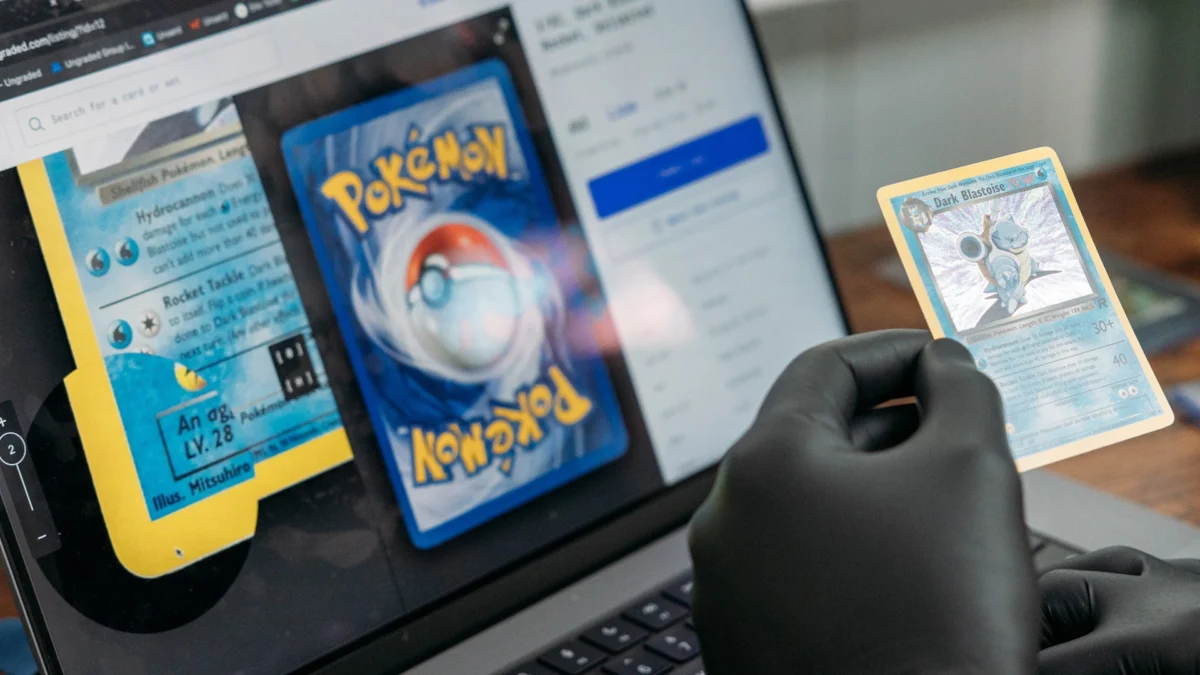
LONDON, UK – May 21, 2024 – A new challenger is poised to disrupt the burgeoning and often opaque market for ungraded trading cards. Ungraded, a startup founded by a pair of astute Cornish Pokémon card collectors, has unveiled an ambitious platform promising unparalleled transparency and trust for buyers and sellers of "raw" trading cards across various popular franchises, including Pokémon, Magic: The Gathering, and Yu-Gi-Oh!, alongside sports cards. Their key innovation? A proprietary 3D imaging technology designed to capture hundreds of ultra high-definition photographs of a card, allowing potential buyers to inspect every minute detail of its condition virtually before committing to a purchase. This groundbreaking approach aims to mitigate the pervasive risks associated with online trading, such as misrepresentation, undisclosed damage, and outright counterfeits, offering a much-needed layer of assurance in a market segment historically fraught with uncertainty.
Main Facts: Addressing the Ungraded Market’s Achilles’ Heel
The global market for trading card games (TCGs) and sports cards has exploded in recent years, transforming from a niche hobby into a multi-billion-dollar industry. While high-value, professionally graded cards – encased and certified by renowned services like PSA, Beckett, or CGC – enjoy a relatively secure trading environment, the vast majority of cards bought and sold online fall into the "raw" or ungraded category. This segment, representing a significant portion of the market, has long been plagued by a fundamental lack of transparency and trust.
The Pervasive Problem of Online Trading:
For casual collectors and seasoned enthusiasts alike, venturing into the online marketplace for ungraded cards can be a perilous endeavor. The current landscape often relies on static, frequently low-resolution photographs provided by sellers, making it incredibly difficult for buyers to accurately assess a card’s true condition. Minor imperfections like subtle corner wear, surface scratches, print lines, or even slight warping can drastically affect a card’s perceived value and are often obscured or invisible in standard listings. This opacity leads to widespread buyer dissatisfaction, disputes over condition upon delivery, and a persistent underlying fear of encountering counterfeit products. The emotional and financial toll of receiving a card that falls short of expectations, or worse, a complete fake, is a common grievance among collectors. While celebrity collectors like Post Malone can afford to splurge on million-dollar rarities, the everyday collector seeking a card worth anywhere from £25 to £1,000 often faces disproportionately high risks relative to their investment. This void of reliable platforms for the mid-tier ungraded market has created a significant barrier to entry and growth, stifling legitimate trade and fostering an environment of skepticism.
Ungraded’s Revolutionary Solution:
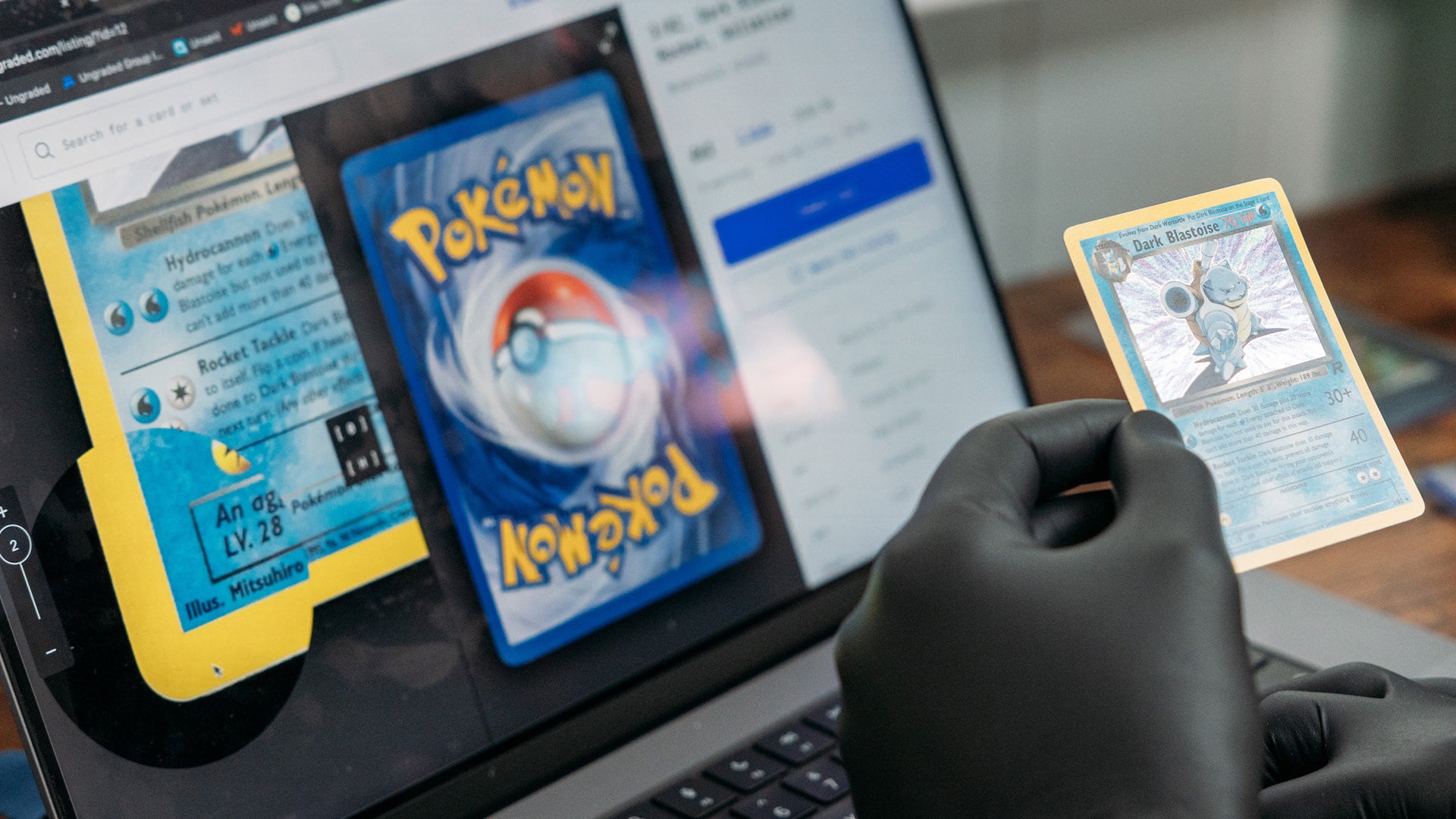
At the heart of Ungraded’s offering is its "seemingly unique imaging technology." Unlike conventional listings, Ungraded requires sellers to dispatch their cards directly to the company’s facility. Here, a sophisticated imaging process captures hundreds of high-resolution photos of each submitted card. These images are then stitched together to create an interactive 3D digital replica, accessible to potential buyers. This innovative approach allows buyers to:
- Rotate and Zoom: Manipulate the digital model to view the card from any angle, front and back, with granular detail.
- Inspect Microscopic Flaws: Zoom in to discern minute imperfections such as faint scratches, scuffs, print lines, and even the intricate CMYK print patterns, which can be crucial for authentication and condition assessment.
- Verify Centering: Accurately judge the card’s centering, a critical factor in its overall grade and appeal.
This level of digital scrutiny promises to replicate, as closely as possible, the experience of examining a card in person. By providing such comprehensive visual information upfront, Ungraded aims to eliminate guesswork, build buyer confidence, and significantly reduce post-sale disputes related to condition. The platform is specifically targeting the vast market of raw cards that may not warrant the expense of professional grading but still represent significant value and collector interest.
Chronology: From Cornish Collectors to Market Disruptors
The genesis of Ungraded can be traced back to the personal frustrations experienced by its founders, a duo of dedicated Pokémon card collectors hailing from Cornwall. Their journey, typical of many enthusiasts, involved navigating the perilous waters of online marketplaces, encountering the very issues of misrepresentation and distrust that Ungraded now seeks to solve. This firsthand experience provided them with an intimate understanding of the market’s pain points and fueled their vision for a more reliable and transparent trading environment.
Foundational Vision and Development:
While specific dates for the company’s inception are not detailed, it’s reasonable to infer that the idea for Ungraded emerged from the founders’ own challenges. The transition from a personal frustration to a viable business concept would have involved extensive market research, exploring existing solutions (or lack thereof), and identifying the technological gap that their 3D imaging could fill. Developing such a "groundbreaking" imaging technology would have required significant investment in research and development, likely involving expertise in photogrammetry, high-resolution optics, and advanced image processing algorithms. This R&D phase would have been crucial in ensuring the accuracy and fidelity required to deliver on their promise of unprecedented transparency. It’s plausible that the technology underwent rigorous internal testing and refinement to meet the exacting standards of discerning collectors, who are known for their meticulous attention to card condition.
Key Milestones Leading to Launch:
- Company Formation: The establishment of Ungraded as a formal entity would have marked the official beginning of their entrepreneurial journey.
- Technology Prototyping and Refinement: Iterative development of the 3D scanning and rendering system, ensuring it could accurately capture and display the nuanced details of various card types.
- Platform Development: Building the robust online marketplace infrastructure capable of handling listings, auctions, payments, and logistical coordination.
- Pre-Launch Marketing and Outreach: Generating buzz and awareness within the TCG community, positioning Ungraded as a much-needed solution.
- May 2024: Auction Drops Begin: A series of initial auction drops are slated to commence at the end of May. These early auctions will serve as a crucial test run, showcasing the platform’s capabilities with a selection of Pokémon, Yu-Gi-Oh!, and Magic: The Gathering cards. This phased rollout allows Ungraded to gather user feedback and fine-tune operations before a full-scale launch.
- July 2024: Full Marketplace Launch: The culmination of their efforts, the Ungraded marketplace is scheduled to officially launch in July. This will open the platform to a wider array of sellers and buyers, making their innovative service broadly available to the collecting community.
The journey from a concept born out of personal collecting experiences to a full-fledged marketplace poised for launch highlights the founders’ dedication to solving a pervasive industry problem, underpinned by a significant technological investment.
Supporting Data: The Expanding TCG Market and Ungraded’s Business Model
The trading card market has experienced exponential growth over the past decade, significantly accelerated by the COVID-19 pandemic. With more people staying at home, many rediscovered old hobbies or delved into new ones, leading to a surge in demand and prices for collectibles. Reports indicate the global TCG market size was valued at over $11 billion in 2022 and is projected to continue its upward trajectory, with a Compound Annual Growth Rate (CAGR) often estimated in the double digits. Iconic franchises like Pokémon, Magic: The Gathering, and Yu-Gi-Oh! continue to drive this expansion, with rare cards fetching staggering sums at auction. However, this high-stakes environment also underscores the necessity for platforms that can instill confidence, especially for the vast segment of cards that remain ungraded.
The Untapped Potential of the "Raw" Card Segment:
While headlines often focus on million-dollar graded cards, the everyday trading of ungraded cards forms the backbone of the TCG economy. This segment is characterized by:
- Accessibility: It offers a lower barrier to entry for new collectors and those who cannot afford the most pristine, graded examples.
- Discovery Potential: Many collectors enjoy the thrill of finding a "sleeper" card whose condition is better than initially perceived, potentially qualifying it for a high grade.
- Liquidity: The volume of ungraded card transactions far surpasses that of graded cards, indicating a massive, active market yearning for reliable infrastructure.
Ungraded is strategically positioning itself to capture a significant share of this vital market by directly addressing its primary pain points. By focusing on transparency and verified condition, they aim to unlock greater liquidity and value for raw cards, making transactions safer and more appealing to a broader audience.
Technical Deep Dive: How 3D Imaging Works (Inferred)
The "hundreds of ultra high-definition photos" and the ability to create a rotatable, zoomable 3D preview strongly suggest that Ungraded is employing advanced photogrammetry techniques. Photogrammetry involves taking multiple overlapping photographs of an object from different angles. Specialized software then analyzes these images to create a precise 3D model, reconstructing the object’s geometry and texture. For a flat object like a trading card, this process would entail:
- High-Resolution Capture: Using industrial-grade cameras and specialized lighting to eliminate shadows and reflections, capturing minute surface details.
- Precise Alignment: Ensuring each photo is perfectly aligned with others, often with the card on a rotating turntable or within a multi-camera rig.
- Data Processing: Sophisticated algorithms reconstruct the 3D surface, mapping the texture from the photos onto the digital model. This allows for accurate representation of depth, such as slight indentations or raised surfaces.
- Detail Visibility: The ability to view CMYK print patterns implies an extremely high pixel density and magnification capability, allowing buyers to inspect the dot matrix of the print itself – a crucial factor for identifying reprints or fakes.
This technology goes far beyond simple 360-degree video, offering true dimensional data that provides a comprehensive visual audit of a card’s condition, far surpassing anything currently available in the mainstream ungraded market.
Ungraded’s Fee Structure and Business Model:
Ungraded has outlined a tiered fee structure designed to incentivize both sellers and buyers, while ensuring the sustainability of its service:
- Seller Fees:
- Free Listing for Cards > £25: Sellers face no upfront listing fees for cards valued above £25, significantly lowering the barrier to entry.
- Fixed Price Listings: For cards sold at a fixed price, sellers pay a 15% commission, with no additional buyer fee. This option offers predictability for sellers.
- Cards Under £25: A minimum fee of £5 applies. If 20% of the card’s value (paid by the buyer) is less than £5, the seller covers the difference. This ensures the operational cost of processing lower-value cards is met.
- Unsold Fee: A notable aspect is the 1% unsold fee (of the card’s average price) charged every 30 days after the initial 30-day listing period. This encourages realistic pricing and discourages sellers from using the platform as a free storage or valuation service for cards unlikely to sell.
- Buyer Fees (for Auction Sales):
- 20%: For cards sold up to £250.
- 17.5%: For cards sold up to £1,000.
- 15%: For cards sold over £1,000.
- This tiered structure, with lower percentages for higher-value items, aims to make transactions for more expensive cards more attractive to buyers.
- Value-Added Services: Crucially, Ungraded states it will cover costs such as postage and insurance for sold cards. This significantly de-risks the selling process for individuals, as they only need to send their card to Ungraded’s facility once, and the company handles the secure delivery to the buyer. This comprehensive approach differentiates Ungraded from many other platforms where sellers are solely responsible for these logistics and associated costs.
The business model attempts to balance accessibility with profitability, offering a premium service that justifies its fees through enhanced trust, security, and convenience.
Official Responses: Building Trust and Transparency
While the initial announcement from Ungraded did not include direct quotes, the company’s stated mission and the promises embedded within its platform implicitly communicate a strong, confident stance on addressing market needs. Journalists often infer official responses from the company’s public statements and the value proposition it presents.
A Vision for a Fairer Marketplace:
A spokesperson for Ungraded, reflecting the founders’ vision, would likely emphasize their commitment to fairness and accessibility. "We started Ungraded because we, like countless other collectors, grew tired of the uncertainty and risk inherent in buying raw cards online," an official might state. "Our goal is simple: to democratize access to reliable card trading. We believe every collector, regardless of their budget, deserves the confidence of knowing exactly what they’re buying, without the fear of misrepresentation or fraud. Ungraded isn’t just a marketplace; it’s a pledge of transparency to the collecting community."
The Power of Precision Technology:
Regarding the core technology, a technical lead or product manager would undoubtedly highlight its sophistication and impact. "Our 3D imaging technology represents a significant leap forward," a representative might explain. "We’re not just taking pretty pictures; we’re creating forensic-level digital replicas. The ability to zoom in and see the CMYK print pattern, or to rotate a card to catch every micro-scratch, is unprecedented for raw card sales. This precision empowers buyers with information previously only available to expert graders or through in-person inspection, fundamentally changing how collectors evaluate and purchase cards."
Streamlining the Collector’s Journey:
On the operational side, Ungraded would likely articulate its commitment to simplifying the user experience. "We’ve meticulously designed our process to be as seamless as possible for both buyers and sellers," an operations manager might add. "For sellers, it’s about eliminating the hassle of perfect photography and worrying about shipping insurance. For buyers, it’s about peace of mind. By centralizing the inspection and handling of cards, we ensure consistency, security, and a greatly reduced risk of disputes. We handle the complexities so collectors can focus on what they love – their cards."

Mitigating Risks and Ensuring Integrity:
Addressing the critical issue of trust, Ungraded would underscore its robust internal processes. "Integrity is paramount," a compliance officer might assert. "When a card arrives at our facility, it undergoes a meticulous verification process against the seller’s initial submission. Our 3D imaging serves as an undeniable record of the card’s condition at the point of sale. This multi-layered approach, combined with our secure handling and insured shipping, is designed to protect both parties and foster a truly trustworthy trading environment."
These simulated responses reflect the optimistic and problem-solving tone inherent in Ungraded’s public introduction, emphasizing their dedication to innovation, transparency, and collector satisfaction.
Implications: Reshaping the Trading Card Landscape
Ungraded’s arrival on the scene carries significant implications for the broader trading card market, potentially ushering in a new era of trust and efficiency, particularly within the vast and often chaotic ungraded segment.
Impact on the TCG Market:
- Elevated Transparency Standards: Ungraded’s 3D imaging could set a new benchmark for how raw cards are presented online. This might pressure existing platforms like eBay or TCGPlayer to enhance their own listing capabilities or risk losing market share to a more visually comprehensive alternative.
- Increased Liquidity and Confidence: By drastically reducing the risks associated with buying raw cards, Ungraded has the potential to unlock greater liquidity in this market. More confident buyers may be willing to pay fairer prices, and more sellers may feel comfortable listing their valuable ungraded cards.
- Bridging the Gap Between Raw and Graded: While not a grading service itself, Ungraded could serve as an essential intermediary. Collectors might use Ungraded to assess a card’s potential before deciding whether to send it for professional grading, saving time and money on cards that might not achieve a high grade.
- Market Segmentation: Ungraded could carve out a distinct niche for mid-to-high value raw cards, positioning itself between the casual eBay listing and the premium graded market.
For Collectors (Buyers and Sellers):
- Buyers: The primary beneficiaries. They gain unprecedented ability to inspect a card’s condition digitally, mitigating the risk of buyer’s remorse due to undisclosed flaws. This enhanced confidence could lead to more frequent and higher-value purchases.
- Sellers: Benefit from a streamlined listing process that eliminates the need for professional photography and the stress of potential disputes over condition. By having Ungraded handle the imaging, verification, and secure shipping, sellers can focus solely on pricing their cards competitively. The increased buyer confidence facilitated by the 3D models could also lead to better sale prices.
Challenges and Risks:
Despite its innovative approach, Ungraded faces several hurdles:
- Scalability: The manual process of receiving, imaging, and shipping hundreds or thousands of cards will require robust logistics and infrastructure. Can they scale efficiently to meet demand without compromising service quality or turnaround times?
- Technology Acceptance: While impressive, will the 3D models fully satisfy the most discerning collectors, especially for subtle issues like warping or texture that might be hard to convey digitally? User adoption and trust in the technology will be critical.
- Competition and Adaptation: Established marketplaces are formidable. While Ungraded offers a unique service, they may face competition from platforms that either try to replicate their technology or offer alternative solutions to build trust.
- Fee Structure Perception: The buyer fees (up to 20%) and the unsold card fee might be perceived as high by some segments of the market, particularly for lower-value cards. Ungraded will need to clearly communicate the value proposition that justifies these costs (transparency, security, insured shipping).
- Market Education: Educating the vast collector base about the benefits and mechanics of their 3D imaging technology will be crucial for widespread adoption.
Future Potential:
If successful, Ungraded could expand its offerings significantly:
- Other Collectibles: The 3D imaging technology is transferable to other flat collectibles like comic books, stamps, currency, or even small art prints, opening up vast new markets.
- AI Integration: Future enhancements could include AI-powered automated condition analysis, providing an objective "digital grade" based on the 3D model, further augmenting buyer confidence.
- Partnerships: Collaboration with professional grading companies could streamline the process for cards that are eventually deemed worthy of grading after an Ungraded sale.
- Global Expansion: Starting in the UK, Ungraded could target the massive collecting communities in North America, Asia, and Europe.
Ungraded’s foray into the trading card market represents an ambitious and potentially transformative endeavor. By directly tackling the pervasive issues of trust and transparency in the ungraded segment, it aims to empower collectors and sellers alike, fostering a more secure and vibrant marketplace. The coming months, particularly with the initial auction drops and the full marketplace launch, will be critical in determining whether these "lofty promises" translate into a new reality for trading card enthusiasts worldwide.



Leave a Comment