Unpacking the Labyrinth: What Does a "Dungeon Crawler Carl RPG" Truly Mean?
The Phenomenon of Dungeon Crawler Carl and the Adaptation Challenge
Matt Dinniman’s "Dungeon Crawler Carl" series, brought to life through Jeff Hays’s masterful narration in its audiobook format, has captivated audiences globally, cementing its place as a groundbreaking work within the LitRPG genre. The series has garnered such fervent acclaim that one reviewer confessed to immediately restarting the entire saga after completion – a rare feat indicative of its profound impact. This unparalleled engagement stems from Dinniman’s "dizzyingly brilliant" plotting, intricate character work, and expansive world-building, which operate on multiple, interwoven levels, revealing new depths upon re-engagement. The series’ critical reception is unequivocal: the hype is real, and its narrative complexity is astonishing.
However, beyond its literary merit, "Dungeon Crawler Carl" presents a fascinating case study for the tabletop role-playing game (RPG) industry. As Renegade Games Studios prepares to launch its official Dungeon Crawler Carl RPG Starter Set, a deeper question emerges for Game Masters (GMs) and players alike: when a player expresses a desire to play a "Dungeon Crawler Carl RPG," what, precisely, are they asking for? This seemingly simple request unpacks a complex array of player desires that extend far beyond mere setting replication, touching upon the very essence of adaptation in interactive storytelling.
The Unfolding Narrative and the Evolution of Player Expectations
The "Dungeon Crawler Carl" saga commences with an abrupt, planet-altering apocalypse. Earth’s structures are swallowed, and humanity’s survivors are thrust into the "World Dungeon," a brutal, multi-level gauntlet broadcast for the entertainment of a vast galactic civilization – the Borant Corporation. The promise: victory on the eighteenth level could reclaim their planet. The grim reality: no "crawler" has ever succeeded, and the true prize is not reclamation but the immense revenue generated by the live-streamed spectacle of their suffering. Carl, our eponymous protagonist, enters this deadly game, confronting standard LitRPG tropes of monster-slaying, looting, and leveling up.
Yet, as the series progresses, Dinniman meticulously dismantles these conventions. The dungeon transforms from a mere gauntlet into a living entity, revealing layers of intricate lore, corporate malfeasance, interstellar politics, and deeply poignant sagas of its forgotten workers and organic mythologies. The initial understanding of a simple game rapidly erodes, exposing a comprehensive system of oppression whose true scope is barely comprehended even by its perpetuators. This continuous revelation of radical truths about the setting is a hallmark of the series, revolutionizing the reader’s understanding with each new book. This narrative structure, characterized by constant paradigm shifts, poses a significant challenge for direct adaptation into an RPG.
Historically, player expectations for licensed RPGs have evolved. Early adaptations often focused on faithfully recreating established settings, allowing players to inhabit the familiar worlds of Star Wars or Lord of the Rings. While this remains a powerful draw, the success of narratives like "Dungeon Crawler Carl" highlights a growing sophistication in player desires, pushing for experiences that echo the feel and impact of the original, rather than just its superficial details. The reviewer’s experience of re-reading the series and finding it "like reading a whole new story" underscores the transformative power of narrative revelation – an element difficult to replicate if players already possess foreknowledge of the setting’s deepest secrets.
Deconstructing Player Desires in RPG Adaptations
When a player requests a "Dungeon Crawler Carl RPG," the GM faces a critical interpretative task, as the underlying desire could manifest in several distinct forms:
Desire 1: To Play In That World
The most common interpretation of an RPG adaptation request is the desire to inhabit the established setting. For "Dungeon Crawler Carl," this would entail faithfully recreating the Borant World Dungeon, meticulously translating and expanding its rich lore into a comprehensive setting gazetteer and playable scenarios. A campaign might commence with the same apocalyptic event, with player characters (PCs) navigating their own unique adventures alongside, or in an alternate reality to, the canonical events of the series. Players might encounter familiar faces like Carl, Ellie, or Imani, or forge entirely new paths within the familiar framework.
This approach satisfies the fundamental fantasy of stepping into a beloved fictional universe. It offers a sense of immersion and continuity, allowing players to explore the nooks and crannies of a world they’ve grown to cherish. However, as the original article notes, a direct carbon copy risks sacrificing one of "Dungeon Crawler Carl’s" most compelling features: the thrill of discovery and the constant revelation of new, world-shattering truths. If players already know all of the setting’s secrets, the experience of having their understanding revolutionized – a core narrative engine of the books – is entirely absent. This highlights a tension between faithful reproduction and dynamic engagement.
Desire 2: To Experience the Narrative Essence
A deeper interpretation of the player’s request might be for an experience that mirrors the narrative essence of "Dungeon Crawler Carl," rather than just its specific setting. This could mean:
- A Megadungeon Story of Epic Scope with Hidden Secrets: The player yearns for a campaign centered around a vast, multi-layered dungeon where profound secrets about the universe are gradually unveiled. The specific lore might differ, but the sense of escalating stakes and continuous revelation would be paramount.
- A Zero-to-Hero Story Overthrowing Galactic Tyrants: The desire might be to embody characters who start from humble, desperate beginnings and rise to challenge and dismantle a vast, oppressive galactic system. The themes of resistance, corporate intrigue, and cosmic-level political maneuvering would be central.
- A Deconstruction of Genre Tropes: Given Dinniman’s clever deconstruction of LitRPG conventions, a player might seek an RPG that similarly plays with, subverts, and ultimately explodes genre expectations within its own framework.
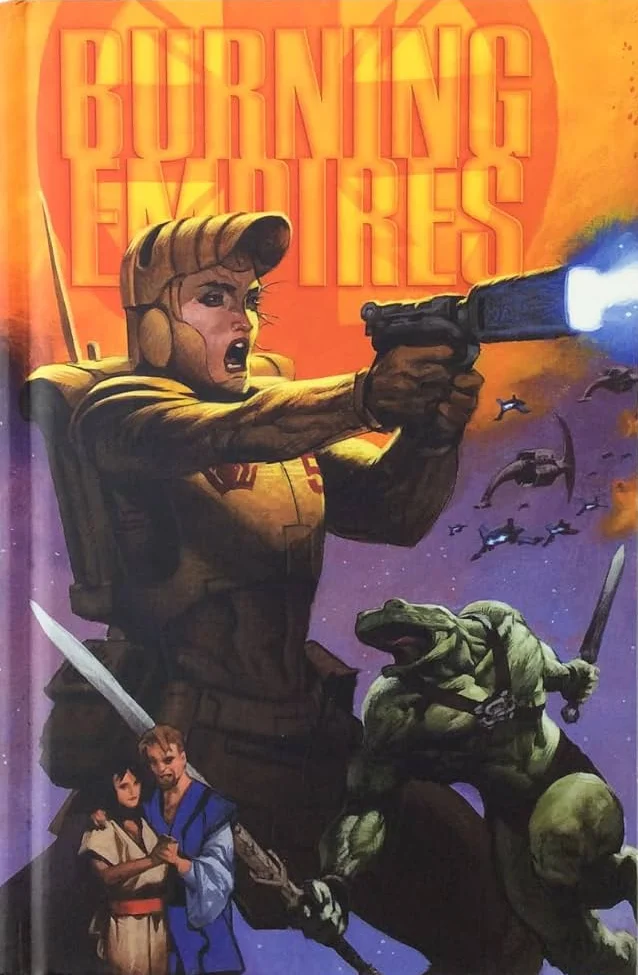
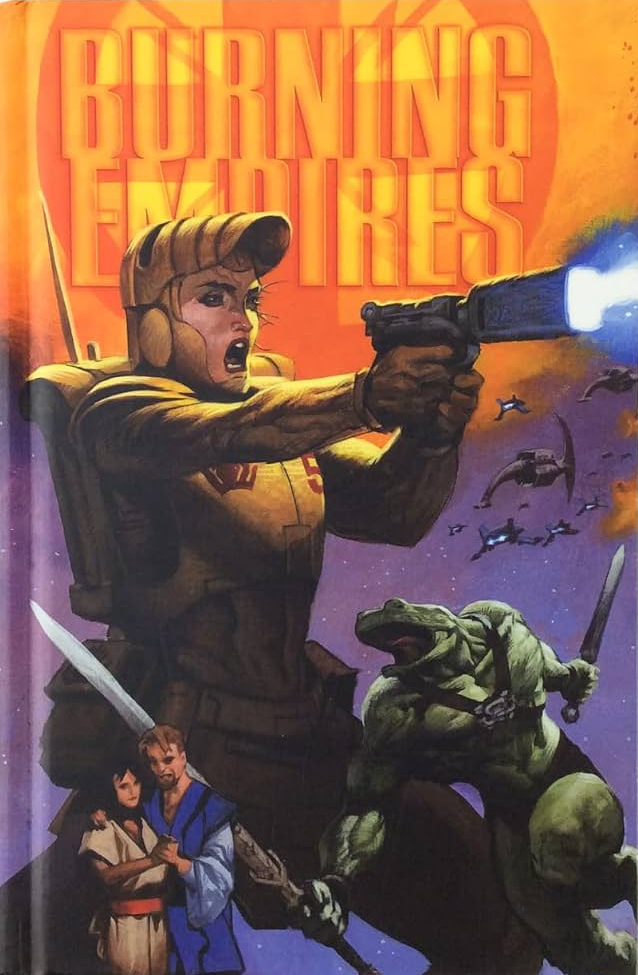
This approach prioritizes the feeling and impact of the original story over its precise details. It allows for creative freedom, enabling the GM to craft a unique narrative that resonates with the core themes and emotional beats of "Dungeon Crawler Carl" without being shackled by canonical events. Luke Crane’s Burning Empires RPG, an adaptation of Christopher Moeller’s Iron Empires graphic novels, serves as an excellent precedent for this philosophy. Instead of detailing the original story’s invaded colonial world, Burning Empires provides a robust collaborative procedure during character creation for the entire group to build their own world, complete with competing factions and geographic features, for the alien parasites to invade. This ensures that the players experience the process of invasion and resistance in a freshly crafted context, preserving the narrative’s dramatic tension and discovery.
Desire 3: To Embody the Icon
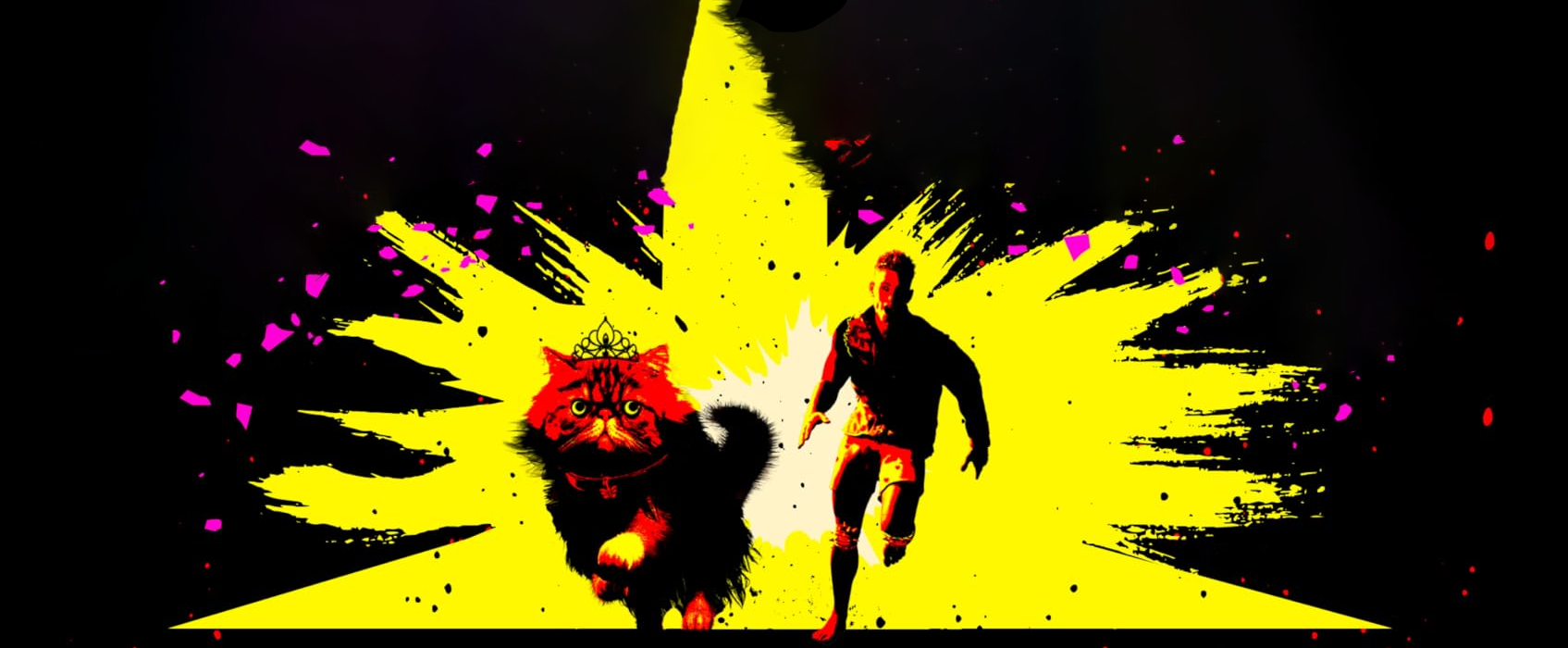
Finally, a player might express a desire to literally play Carl, or perhaps his feline companion Donut. This goes beyond creating "a character like Carl" or "a character in Carl’s world"; it’s about stepping into the shoes of the established protagonist. This could involve replaying the original story’s events, navigating an alternate reality where events diverge, or even placing Carl and Donut in an entirely new setting.
While this idea of playing established characters often faces resistance within traditional RPG communities – recall the debates surrounding TSR’s 1980s Indiana Jones RPG, which defaulted to playing Indy himself – it taps into a powerful human impulse. It’s akin to an actor taking on the role of Hamlet, bringing their unique interpretation to a familiar character. Children instinctively gravitate towards embodying iconic figures like Luke Skywalker, Batman, or Bluey, rather than generic archetypes. For some players, the deep connection they’ve formed with a specific character is the primary driver for wanting to play an RPG in that universe. Dismissing this desire risks alienating players whose specific "itch" might not be scratched by other adaptation approaches.
Industry Perspectives: Approaches to Licensed RPGs
The RPG industry has grappled with these diverse player desires for decades. Developers of licensed games often adopt various strategies to balance fidelity with playability and player agency:
- Direct Adaptation with Expansion: Many licensed RPGs, such as various iterations of Star Wars or Dungeons & Dragons settings like Forgotten Realms, aim to meticulously detail the existing lore, expanding upon it where necessary for gameplay. They provide extensive gazetteers, character profiles, and adventure hooks that align with canonical events, often offering ways for PCs to interact with or even influence major narrative arcs. The challenge here is how to preserve the sense of discovery for players already familiar with the source material.
- Thematic Adaptation with New Settings: Following the Burning Empires model, some games focus on replicating the themes and mechanics of a source material within a new, player-created, or GM-designed setting. This allows for fresh narratives while retaining the core appeal. This is particularly effective for genres that are more about a "type" of story (e.g., cyberpunk, cosmic horror) rather than a fixed narrative.
- Hybrid Approaches: Many modern RPGs attempt to strike a balance, offering detailed lore for those who want it, alongside tools and advice for GMs to create their own stories within the setting, or even entirely new settings that share the same thematic DNA. For instance, Fantasy Flight Games’ Star Wars RPG system allows players to inhabit the familiar galaxy but encourages creating entirely new characters and storylines that contribute to the ongoing struggle between the Empire and Rebellion, rather than replaying the movie plots.
Renegade Games’ forthcoming Dungeon Crawler Carl RPG will undoubtedly navigate these complexities. Its design choices – whether it offers a prescriptive campaign following Carl’s path, a toolkit for GMs to build their own Borant-esque dungeons, or a system focused on the unique challenges and revelations of a LitRPG survival game – will ultimately define its success in meeting the varied expectations of the "Dungeon Crawler Carl" fanbase. The most successful adaptations often empower GMs to understand and cater to the specific blend of desires present at their table.
Implications: Navigating the Labyrinth of Adaptation for GMs and Designers
The discussion around "Dungeon Crawler Carl" serves as a potent reminder for GMs and RPG designers across all genres. The superficial request for "a [X] game" rarely encapsulates the full spectrum of a player’s underlying desires. To deliver truly satisfying experiences, GMs must cultivate a deeper understanding of what players are really seeking:
- Beyond the Surface: GMs should engage in open dialogue with their players, probing beyond the initial request to uncover the specific elements of the source material that resonated most deeply. Was it the world, the characters, the themes, the narrative structure, or a combination?
- Communication is Key: Establishing clear expectations at the outset of a campaign is crucial. If a player wants to play Carl, and the GM plans an original character campaign, misaligned expectations can lead to dissatisfaction. Conversely, if a player wants the thrill of discovery, the GM must be prepared to craft mysteries and revelations, even if it means diverging from established canon.
- Design for Flexibility: RPG designers can facilitate this by providing robust toolkits that support multiple styles of play. This might include detailed setting information, evocative thematic frameworks, character creation options that allow for both original and iconic characters, and advice for GMs on how to adapt the material to different player preferences.
- Self-Reflection: This principle extends to GMs themselves. If a campaign based on a beloved property feels "off," introspection about one’s own desires for "a Star Wars game" or "a Lord of the Rings game" can reveal why the actual experience diverged from the envisioned one. This often necessitates further dialogue with players to recalibrate expectations and steer the game towards a mutually satisfying direction.
Ultimately, the phenomenon of "Dungeon Crawler Carl" underscores that successful RPG adaptation is not merely about replicating lore; it’s about translating an emotional and narrative experience into an interactive format. It demands empathy, flexibility, and a nuanced understanding of player psychology, transforming the GM from a mere storyteller into a facilitator of personalized heroic sagas within the rich tapestry of imagination. The labyrinth of player desires may be complex, but navigating it successfully promises the most rewarding adventures for everyone at the table.