
Unveiling Lost Worlds: The Unseen Cinematic Visions of Batman: Arkham Origins Blackgate
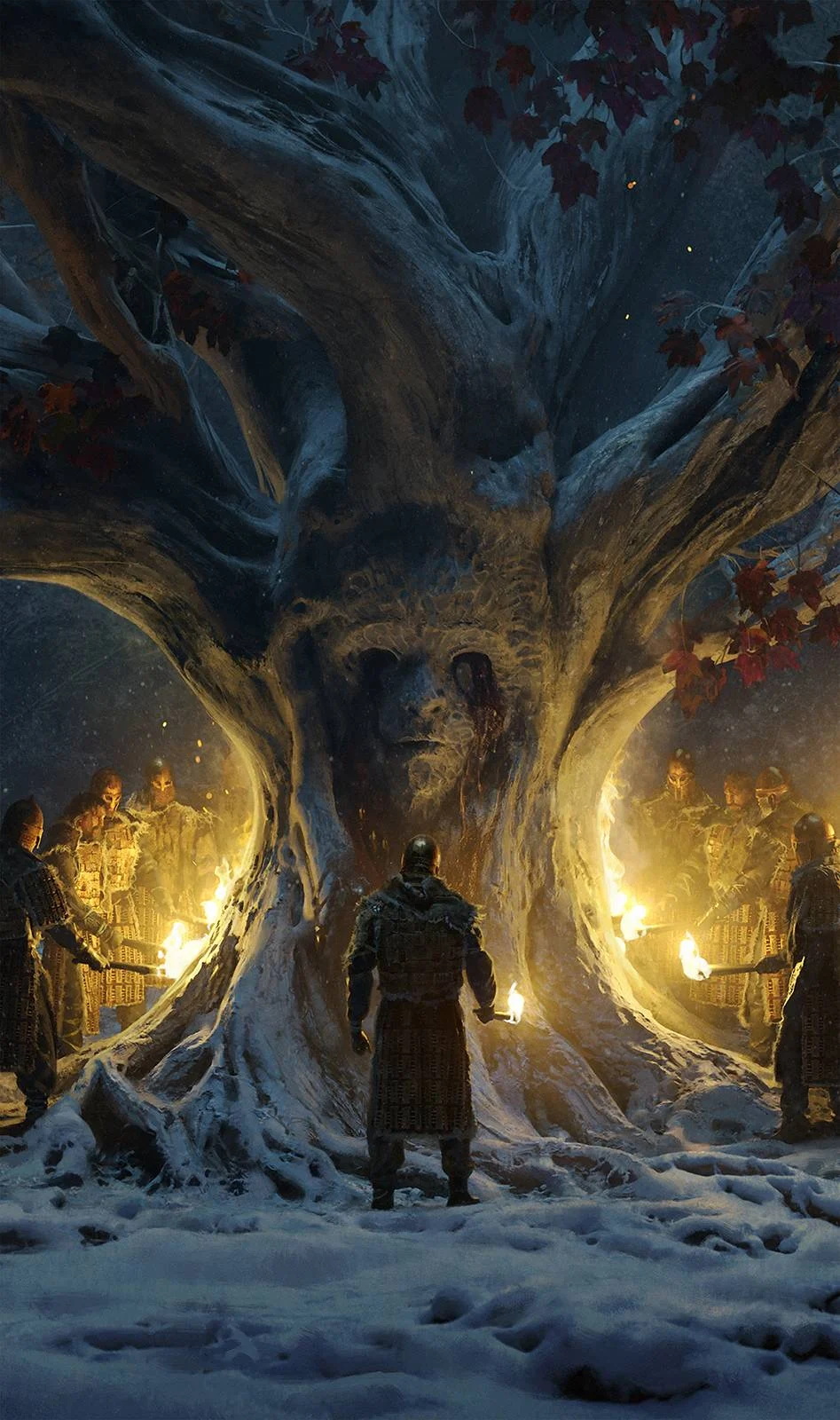
A Glimpse into a Sequel That Never Was, Through the Art of Calum Alexander Watt
The digital realm of video games is a vibrant landscape of creation and iteration, where countless ideas are explored, and not all reach the light of day. For fans of the critically acclaimed Batman: Arkham series, the concept of a sequel to Batman: Arkham Origins: Blackgate is a tantalizing prospect, especially when accompanied by compelling visual evidence. Recently unearthed cinematic art by concept artist Calum Alexander Watt has offered a poignant glimpse into what could have been – a continuation of the narrative and visual journey of Batman’s early days, set against the grim backdrop of Blackgate Penitentiary.
This extensive collection of artwork, shared by Watt himself, paints a vivid picture of a potential Blackgate sequel, hinting at narrative threads and character explorations that were never fully realized. While the official fate of this particular project remains shrouded in mystery, the sheer quality and evocative power of Watt’s contributions ignite speculation and appreciation for the artistic talent that underpins game development. This article delves into the unearthed artwork, explores its potential narrative implications, and contextualizes it within the broader Arkham universe, offering a comprehensive look at this lost piece of Batman lore.
The Genesis of Lost Visions: Unearthing the Artwork
The revelation of this unused concept art comes from the esteemed platform Concept Art World, a leading online resource dedicated to showcasing the pinnacle of concept art, illustration, and visual development. The feature highlights the work of Calum Alexander Watt, a renowned artist whose portfolio spans across various high-profile entertainment projects. In this instance, Watt’s contribution offers a window into the conceptualization phase of a project that, for reasons unknown, never moved beyond the early stages of development.
The artwork itself is striking, characterized by its atmospheric lighting, meticulous attention to detail, and a palpable sense of narrative tension. Each piece serves as a still from a film that exists only in the imagination, depicting moments of intense action, quiet contemplation, and the foreboding architecture that defines Gotham’s underbelly. The focus on cinematic quality suggests that the developers intended to elevate the narrative experience beyond the confines of the original game, aiming for a more immersive and emotionally resonant storytelling approach.
A Chronology of What Could Have Been: Piecing Together the Narrative Threads
While a definitive plot outline for this hypothetical sequel is impossible to reconstruct solely from the artwork, the pieces offer intriguing clues and suggest potential directions the narrative might have taken. The original Batman: Arkham Origins: Blackgate concluded with Batman having quelled a riot within the notorious Blackgate Penitentiary, orchestrated by the Joker, Penguin, and Black Mask. This resolution left room for further exploration of the fragile peace within Gotham and the lingering threats that continue to plague the city.
The unearthed cinematic art appears to pick up from this precarious state. Several pieces hint at a continued focus on the psychological toll of Batman’s crusade, with close-ups of the Caped Crusader displaying weariness and determination. The presence of familiar rogues’ gallery members, albeit in early conceptual stages, suggests that the sequel would have continued to pit Batman against his iconic adversaries.
Possible Narrative Arcs Suggested by the Art:
- The Lingering Shadow of Blackgate: The artwork might depict the aftermath of the Blackgate incident, with Batman grappling with the consequences of the riot and the escape of some inmates. This could involve a city-wide manhunt or a renewed focus on dismantling the criminal infrastructure that thrives in Gotham’s shadows.
- Internal Conflicts and Betrayals: The Arkham series has often explored the complex relationships between heroes and villains, as well as the internal power struggles within criminal organizations. The art could hint at new alliances forming or existing ones fracturing, leading to unexpected conflicts for Batman.
- Escalation of Threats: If the sequel was to build upon the foundation of Blackgate, it’s plausible that the stakes would have been raised. This could involve the emergence of a new, more formidable antagonist or a larger-scale conspiracy threatening Gotham’s stability.
- Character Development for Early Batman: The Arkham Origins games are set early in Batman’s career. The unused cinematics might have aimed to further explore his growth, his moral compromises, and the evolving nature of his vigilantism. This could involve interactions with characters who challenge his methods or his worldview.
The visual storytelling within the artwork is paramount. The use of dramatic lighting, dynamic compositions, and character expressions all contribute to building a sense of intrigue and hinting at the emotional core of the story. The fact that these were intended as cinematics underscores a desire to deliver a more cinematic and narrative-driven experience, potentially bridging the gap between the gameplay and the lore of the Arkham universe.
Supporting Data: The Artistic Vision of Calum Alexander Watt
Calum Alexander Watt’s contribution to this project is not merely decorative; it is foundational to the conceptualization of the sequel. His artistic style, characterized by a keen understanding of form, lighting, and atmosphere, imbues the characters and environments with a tangible weight and presence. The artwork showcases a sophisticated command of cinematic language, with compositions that evoke mood, guide the viewer’s eye, and suggest action.
Key Artistic Elements Present in the Artwork:
- Atmospheric Lighting: Watt masterfully employs chiaroscuro, the dramatic interplay of light and shadow, to create a sense of grit, danger, and mystery. This is particularly evident in scenes set within the darkened corridors of Blackgate or the rain-slicked streets of Gotham.
- Character Design and Expression: While the core designs of Batman and other characters are established, Watt’s artwork imbues them with nuanced expressions and body language that convey their emotional states. This is crucial for a cinematic presentation, where subtle cues can speak volumes.
- Environmental Storytelling: The depicted environments are not mere backdrops; they are integral to the narrative. The grimy textures of Blackgate, the imposing architecture of Gotham, and the specific details within each scene all contribute to world-building and hint at the story’s context.
- Dynamic Poses and Action: The artwork captures moments of intense action and dramatic stillness, suggesting a game that would have featured both thrilling combat and compelling narrative sequences. The dynamic posing of characters, particularly Batman, highlights his athleticism and combat prowess.
- Color Palette: The chosen color palettes, often leaning towards muted blues, grays, and deep reds, further enhance the dark and gritty tone of the Batman: Arkham universe, while also using selective pops of color to draw attention to key elements or characters.
Watt’s ability to translate narrative intent into compelling visual imagery is a testament to his skill. These pieces are not just pretty pictures; they are blueprints for a story, providing a visual foundation upon which a full game could have been built. The sheer quality of this "unused" art speaks volumes about the talent pool involved in game development and the often-painful decisions made regarding which projects see the light of day.
Official Responses and Industry Context
At the time of this unveiling, there have been no official statements from Warner Bros. Interactive Entertainment or Rocksteady Studios (the primary developers of the Arkham series) regarding this specific Blackgate sequel concept. The nature of unreleased game concepts often means they remain within the internal archives of development studios, surfacing only through the artists who worked on them or through leaks.
The Batman: Arkham series has a rich history of critical acclaim and commercial success. Batman: Arkham Asylum (2009) revolutionized superhero video games, followed by the equally successful Batman: Arkham City (2011) and Batman: Arkham Knight (2015). Batman: Arkham Origins (2013), developed by WB Games Montréal, served as a prequel to the main trilogy, exploring Batman’s earlier years and introducing the character to a new set of challenges. Batman: Arkham Origins: Blackgate (2013), developed by Armature Studio, was a companion title to Origins, released on handheld consoles and offering a different perspective on the events of that game.
The decision to not pursue a sequel to Blackgate could be attributed to a variety of factors, including shifting development priorities, the success of other Arkham titles, or strategic decisions regarding the overall direction of the franchise. It’s not uncommon for game studios to explore numerous concepts and ideas during the early stages of development, with only a fraction making it to full production. The existence of such high-quality concept art for an unreleased project highlights the creative energy and investment that goes into even those ideas that are ultimately shelved.
Implications for the Arkham Universe and Beyond
The unveiling of this unused Batman: Arkham Origins: Blackgate sequel art carries several significant implications:
- Lost Narrative Potential: The most immediate implication is the loss of a potential narrative continuation within the Arkham universe. The artwork suggests that the developers had compelling ideas for where to take the story, further exploring the early years of Batman’s career and the complex dynamics of Gotham’s criminal underworld. This lost potential leaves fans wondering about the stories that might have been told.
- Appreciation for Concept Art: This revelation serves as a powerful reminder of the crucial role concept art plays in game development. It is not just about creating beautiful images; it is about visualizing entire worlds, characters, and narratives, laying the groundwork for the interactive experiences that players ultimately enjoy. The sharing of such art by artists like Calum Alexander Watt offers a unique insight into the creative process.
- The Unseen Efforts of Game Development: The existence of this art underscores the immense effort and talent that goes into game development, much of which remains unseen by the public. For every game released, there are countless ideas, prototypes, and concepts that never reach completion. This artistic treasure trove represents a significant investment of creative energy.
- Fueling Fan Speculation and Appreciation: For fans of the Arkham series, this artwork is a treasure trove of "what-ifs." It sparks discussions, fuels speculation, and deepens their appreciation for the established lore. It also highlights the enduring appeal of Batman and his iconic rogues’ gallery, showcasing the endless creative possibilities they inspire.
- A Testament to Artistic Skill: Beyond the context of the Arkham games, the artwork stands on its own as a testament to the skill and vision of Calum Alexander Watt and the broader team of artists who contributed to this project. It serves as an example of high-quality visual development that could have undoubtedly enriched the Arkham universe.
In conclusion, the unearthed cinematic art for an unused Batman: Arkham Origins: Blackgate sequel by Calum Alexander Watt is more than just a collection of striking images. It is a poignant reminder of the dynamic and often unpredictable nature of game development, a testament to the immense talent within the industry, and a fascinating glimpse into a lost chapter of one of Batman’s most celebrated video game sagas. While this particular sequel may never see the light of day, the art itself has found its audience, inspiring awe and igniting the imaginations of fans who appreciate the artistry that goes into bringing beloved characters and worlds to life. It encourages a deeper understanding and appreciation for the intricate process of creation that underpins the entertainment we consume, celebrating the visions that, even if unseen, contribute to the rich tapestry of creative endeavors.


Leave a Comment