
Veritas Tales: Witch of the Dark Castle – A Handmade Fantasy Renaissance from a Japanese Mountain Village
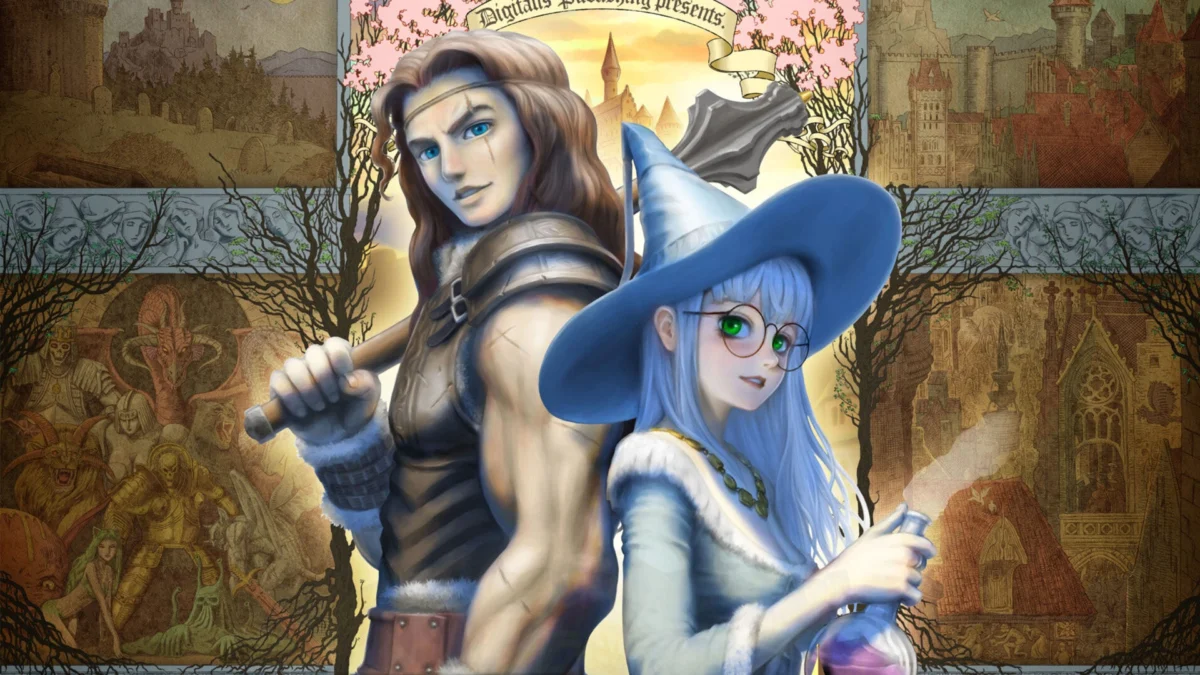
In an era increasingly dominated by digital creation and algorithmic processes, a new game emerges from an unlikely source, harkening back to the tactile origins of fantasy storytelling. Veritas Tales: Witch of the Dark Castle, the brainchild of veteran Capcom and Vanillaware artist Yoshio Nishimura, promises a deeply personal and handcrafted experience, inspired by a profound love for tabletop role-playing games and the serene beauty of rural Japan.
The Genesis of a Handcrafted Adventure
The genesis of Veritas Tales: Witch of the Dark Castle is as unique as the game itself. In a world where game development often congregates in bustling urban centers, Yoshio Nishimura, a seasoned developer with three decades of experience at industry giants like Capcom and Vanillaware, chose a different path. He relocated to a remote Japanese mountain village, a decision that has profoundly shaped his creative output. This idyllic setting, far removed from the typical office environment, serves as the fertile ground from which this ambitious project has sprung. Nishimura’s choice to develop in such a tranquil, natural environment speaks volumes about his artistic philosophy and his desire to imbue his creation with a palpable sense of soul. The very act of creating games in a place that nurtures and inspires, rather than a sterile workspace, suggests a deeper connection to the art form and its roots.
The game’s premise is built around this very concept of a magical, almost theatrical, creation process. Unlike many contemporary video games that transport players to sprawling virtual worlds, Veritas Tales anchors its experience within the intimate setting of a tabletop. The game is presented as if unfolding on a player’s own desk, with the primary interactive element being a beautifully rendered choose-your-own-adventure (CYOA) book. Each turn of the page represents a new narrative beat, a fresh challenge, or a pivotal decision point. This visual metaphor is not merely aesthetic; it is the core of the gameplay. Alongside the unfolding narrative, players are presented with their adventurer sheets, complete with hand-drawn character portraits in the classic CYOA style. These sheets meticulously detail crucial game statistics such as character level, health, and inventory, further immersing players in the tactile world of tabletop gaming. The entire presentation is a deliberate and heartfelt homage to the foundational elements of role-playing games, a testament to Nishimura’s enduring passion for the genre.
A Deep Dive into the Game’s Unique Aesthetic and Design Philosophy
The visual presentation of Veritas Tales is nothing short of exuberant. The game masterfully captures the spirit of a beloved board game or a cherished storybook brought to life. The central conceit of the adventure unfolding within the pages of a CYOA book is a stroke of genius, immediately differentiating it from the myriad of visually similar titles on the market. This approach fosters an intimate and personal connection with the player, evoking the nostalgic charm of childhood adventures and the focused immersion of a dedicated gaming session.
The inclusion of the adventurer sheet is a masterclass in contextualizing gameplay mechanics. Instead of abstract menus or sterile UI elements, players interact with a tangible representation of their character’s progress and capabilities. The hand-drawn illustrations, rendered in a style reminiscent of classic CYOA books, further enhance this feeling of authenticity and artistry. These visuals are not merely decorative; they are integral to the game’s narrative and gameplay, serving as a constant reminder of the human touch that defines the experience.
Nishimura’s artistic background is evident in every meticulously crafted pixel. His previous work on iconic titles like the Monster Hunter series at Capcom, and later at Vanillaware on acclaimed games such as Odin Sphere and 13 Sentinels: Aegis Rim, has endowed him with a profound understanding of visual storytelling and world-building. This wealth of experience is channeled into Veritas Tales, creating a game that is both visually striking and emotionally resonant. The choice to eschew generative AI in favor of entirely handmade art is a powerful statement in the current technological landscape. Nishimura explicitly states on the game’s Steam page: "No generative AI was used at any stage. This game has a soul that can only be found in something truly handmade." This commitment to artisanal creation resonates deeply with a growing segment of the gaming community that yearns for more authentic and personal experiences. It speaks to a belief that true art possesses an ineffable quality, a spark of human creativity that cannot be replicated by algorithms.
A Soundtrack Fit for a Fantasy Epic
Complementing Nishimura’s unique visual direction is a musical score composed by none other than Hitoshi Sakimoto. Sakimoto is a legendary figure in the realm of video game music, renowned for his work on some of the most beloved soundtracks in the Final Fantasy series, including Final Fantasy Tactics and Final Fantasy 12. His compositions are characterized by their epic scope, intricate melodies, and profound emotional depth, often evoking a sense of grandeur and adventure.
The collaboration between Nishimura and Sakimoto is a significant draw for Veritas Tales. Sakimoto’s ability to craft evocative and memorable musical pieces will undoubtedly elevate the player’s immersion in the game’s fantastical world. His soundtracks have a proven track record of enhancing narrative impact and creating lasting emotional connections with players, and his involvement suggests that Veritas Tales aims for a truly cinematic and epic experience, despite its intimate, tabletop-inspired presentation. The pairing of Nishimura’s distinctive visual artistry with Sakimoto’s masterful musical compositions creates a powerful synergy, promising a rich and multi-sensory journey for players.
The Historical Context of Veritas Tales
The developers of Veritas Tales: Witch of the Dark Castle are not merely creating a game; they are actively participating in a cultural revival. The game’s Steam page eloquently articulates this sentiment: "Elden Ring, Baldur’s Gate 3, Dungeon Meshi – Beneath the fantasy worlds we celebrate today lie the gamebooks and tabletop RPGs that first gave them form. Veritas Tales returns to that moment – to the true weight and texture of swords, sorcery, and rolls of the dice. Savor once again what we first called fantasy, on pages that remember how it all began." This statement underscores a profound understanding of the evolution of fantasy entertainment.
The lineage of modern fantasy epics, from sprawling video games to intricate anime and manga, can be traced back to the foundational experiences of tabletop role-playing games and the imaginative worlds contained within gamebooks. These early forms of interactive storytelling provided the blueprints for complex narratives, character development, and emergent gameplay. Veritas Tales positions itself as a deliberate return to these roots, aiming to recapture the raw essence and tactile charm that defined these formative experiences.
The era of gamebooks, popularized in the late 20th century, offered a unique blend of reading and interactive decision-making. Readers would embark on adventures, making choices that would lead them down different narrative paths, often encountering challenges that required them to roll dice or consult specific pages. This format fostered a sense of agency and personal involvement that was revolutionary for its time. Similarly, tabletop RPGs like Dungeons & Dragons established the core mechanics of character creation, dice-based resolution, and collaborative storytelling that continue to influence game design today.
Veritas Tales consciously embraces these historical precedents. The game’s visual style, its interface, and its narrative structure are all designed to evoke the feeling of engaging with a physical gamebook. The emphasis on hand-drawn art, the inclusion of detailed adventurer sheets, and the very presentation of the game as a book on a table all contribute to this nostalgic yet fresh approach. By referencing beloved modern fantasy titles like Elden Ring and Baldur’s Gate 3, the developers acknowledge the rich tapestry of contemporary fantasy while simultaneously pointing to the essential, foundational elements that inspired them. This creates a compelling narrative for the game, positioning it not just as another fantasy adventure, but as a thoughtful exploration and celebration of the genre’s origins.
The choice to highlight that the game is entirely handmade, with no AI involvement, further strengthens this connection to traditional craftsmanship. In an age where digital art can be generated with unprecedented speed and ease, a commitment to manual creation signifies a dedication to artistry, skill, and a unique human touch. This resonates with a growing appreciation for the value of handcrafted goods and experiences, suggesting that Veritas Tales is not just a product, but a labor of love and a testament to the enduring power of human creativity.
Chronology of Development and Anticipation
While specific granular details regarding the precise timeline of Veritas Tales’ development are not publicly available in extensive detail, the information provided allows for a general chronological understanding of its emergence.
- Early Career and Foundation: Yoshio Nishimura honed his craft over three decades, gaining invaluable experience at prominent game development studios. His tenure at Capcom saw him contributing as a chief background artist to the immensely popular Monster Hunter series. This period would have provided him with a deep understanding of large-scale world design and visual storytelling within established franchises.
- Vanillaware Years: Following his time at Capcom, Nishimura transitioned to Vanillaware, a studio renowned for its distinctive 2D art style and its unique approach to game design. Here, he contributed to critically acclaimed titles such as Odin Sphere and 13 Sentinels: Aegis Rim. These experiences would have further refined his artistic sensibilities and his ability to craft intricate, character-driven narratives with a strong visual identity.
- Retreat to Rural Japan and Independent Development: Several years prior to the current announcement, Nishimura made the significant decision to leave Vanillaware and relocate to a small mountain village in rural Japan. This marked a pivotal shift towards independent development, driven by a desire for a more serene and personally fulfilling creative environment. It was during this period of self-imposed exile and reflection that the core concept of Veritas Tales likely began to take shape. The tranquility and natural beauty of his surroundings would have served as a potent source of inspiration.
- Conception of Veritas Tales: Drawing upon his extensive experience and his newfound appreciation for the tactile nature of storytelling, Nishimura conceived of Veritas Tales: Witch of the Dark Castle. The game’s unique premise – a tabletop-inspired adventure set within a choose-your-own-adventure book – emerged from his passion for classic RPGs and gamebooks. His decision to personally handle all the artwork underscored his commitment to a truly handmade creation.
- Collaboration with Hitoshi Sakimoto: Recognizing the importance of an evocative soundtrack, Nishimura sought out and collaborated with the esteemed composer Hitoshi Sakimoto. Sakimoto’s prior work on iconic titles like Final Fantasy Tactics and Final Fantasy 12 provided a strong assurance of quality and thematic resonance, further solidifying the game’s ambitious artistic vision.
- Public Announcement and Steam Release: The game has now been formally announced, with a dedicated Steam page serving as a central hub for information and player engagement. This marks the transition from the development phase to the anticipation and marketing stage, allowing players to wishlist the title and prepare for its impending release.
- Upcoming Release: Veritas Tales: Witch of the Dark Castle is scheduled for release on July 9th. This date signifies the culmination of Nishimura’s independent vision and the opportunity for players worldwide to experience this unique handcrafted adventure.
Supporting Data and Key Features
The appeal of Veritas Tales: Witch of the Dark Castle is underscored by several key features and supporting data points that highlight its unique proposition:
- Handcrafted Artwork: Every illustration in the game is personally created by Yoshio Nishimura, ensuring a consistent and distinctive artistic vision. This commitment to a singular artistic voice is a significant differentiator in an industry where art teams can be vast and varied.
- Tabletop RPG Inspiration: The game is explicitly designed to evoke the feeling of playing a tabletop RPG. This includes:
- Choose-Your-Own-Adventure Narrative: The core gameplay revolves around progressing through a virtual storybook, making choices that impact the narrative.
- Adventurer Sheets: Detailed in-game character sheets that display stats, inventory, and character portraits, mirroring the physical sheets used in tabletop games.
- Focus on Dice and Strategy: While specific mechanics are still being revealed, the emphasis on "rolls of the dice" suggests strategic gameplay elements integral to the RPG experience.
- Unique Setting and Presentation: The game is presented as if taking place on a player’s desk, further enhancing the tabletop feel. This intimate setting contrasts with the grand, expansive worlds often found in modern RPGs.
- Veteran Development Team:
- Yoshio Nishimura: Former chief background artist for Capcom’s Monster Hunter series and artist on Vanillaware titles like Odin Sphere and 13 Sentinels: Aegis Rim. His 30 years of experience lend significant credibility to the project.
- Hitoshi Sakimoto: Composer for acclaimed soundtracks including Final Fantasy Tactics and Final Fantasy 12, bringing a legacy of epic and emotionally resonant music to the game.
- No Generative AI: The explicit declaration that no generative AI was used emphasizes the game’s authenticity and the value placed on human creativity and craftsmanship. This is a significant point of appeal for players seeking genuine artistic expression.
- Release Date: July 9th. This provides a concrete timeframe for anticipation and planning.
- Platform: Available on Steam, indicating a PC-centric release and the accessibility it offers to a broad audience.
- Wishlist Availability: Players can wishlist the game on Steam, a common practice that helps developers gauge interest and build a community prior to launch.
Official Statements and Developer Intent
The primary official statement regarding Veritas Tales: Witch of the Dark Castle emanates from the game’s Steam page, offering direct insight into the developers’ vision and intentions. Yoshio Nishimura, through the game’s description, articulates a clear philosophy:
"Elden Ring, Baldur’s Gate 3, Dungeon Meshi – Beneath the fantasy worlds we celebrate today lie the gamebooks and tabletop RPGs that first gave them form. Veritas Tales returns to that moment – to the true weight and texture of swords, sorcery, and rolls of the dice. Savor once again what we first called fantasy, on pages that remember how it all began."
This statement is a powerful declaration of intent. It positions Veritas Tales not as a competitor to modern AAA titles, but as a deliberate homage and a reinterpretation of the genre’s foundational elements. The developers aim to evoke a sense of nostalgia and a return to the core appeal of fantasy storytelling – the imaginative power, the strategic depth, and the shared experience inherent in tabletop games.
Furthermore, the emphatic declaration, "No generative AI was used at any stage. This game has a soul that can only be found in something truly handmade," serves as a direct response to the growing discourse surrounding AI in creative industries. This is not merely a technical detail; it is a philosophical stance. It underscores the value Nishimura places on individual artistry, the painstaking effort involved in traditional craft, and the unique emotional resonance that can only come from human hands and a human heart. This commitment to a "handmade soul" is a central pillar of the game’s identity and its appeal to players who appreciate authenticity and artistic integrity.
The choice of location for development – a remote Japanese mountain village – also speaks to an official intent to foster a unique creative environment. Nishimura’s personal journey from established studio to independent rural developer suggests a desire to create work that is not only artistically fulfilling but also deeply connected to a sense of place and personal well-being. This philosophy is likely to permeate the game’s atmosphere and its overall presentation, offering players a glimpse into a different way of creating and experiencing art.
Implications for the Gaming Landscape and Player Experience
The emergence of Veritas Tales: Witch of the Dark Castle carries several significant implications for both the broader gaming landscape and the individual player experience:
-
A Resurgence of Artisanal Game Development: In an industry increasingly dominated by massive development teams and significant budgets, Veritas Tales represents a powerful counter-narrative. It demonstrates that a singular, deeply personal vision, executed with dedication and skill, can result in a compelling and unique game. This could inspire other seasoned developers to pursue independent projects with a strong artistic focus, potentially leading to a more diverse and creatively rich gaming market. The emphasis on "handmade" experiences may resonate with a growing segment of the audience that feels disconnected from the perceived industrialization of game creation.
-
Reigniting Nostalgia and the Appreciation of Foundational Mechanics: The game’s deliberate embrace of tabletop RPG and choose-your-own-adventure mechanics taps into a deep well of nostalgia for many gamers. It offers a chance to relive the magic of early fantasy experiences, but with the polish and depth of modern design sensibilities. This could introduce a new generation of players to the core principles of these classic genres, fostering a renewed appreciation for their enduring appeal and their foundational role in the evolution of interactive entertainment.
-
A Counterpoint to AI-Generated Content: Nishimura’s explicit rejection of generative AI is a timely and significant statement. In a world where AI is rapidly advancing and its integration into creative processes is a subject of intense debate, Veritas Tales stands as a beacon for human-driven artistry. This position will likely resonate with players who value the authenticity, intentionality, and emotional depth that human creators bring to their work. It reinforces the idea that there is an intrinsic value in art that possesses a "soul" – a quality that many believe cannot be replicated by algorithms.
-
The Power of Unique Development Environments: The narrative of Nishimura developing in a remote mountain village adds a compelling layer to the game’s appeal. It suggests that creative environments, removed from the pressures and distractions of urban centers, can foster unique artistic outputs. This could encourage developers and studios to consider alternative development locations and methodologies, potentially leading to greater innovation and more personal artistic expressions.
-
Elevated Player Immersion through Tactile Metaphors: By framing the game as a tabletop experience unfolding on a desk, Veritas Tales offers a uniquely immersive approach. The tangible metaphor of a book, dice, and character sheets can create a more intimate and engaging experience than traditional digital interfaces. This could set a new standard for how games can evoke a sense of physical presence and personal connection, even within a purely digital medium.
-
A Testament to the Enduring Appeal of Classic Fantasy: The game’s explicit connection to the roots of fantasy storytelling—from gamebooks to early RPGs—highlights the timeless nature of these narratives. By revisiting these foundational elements, Veritas Tales suggests that the core appeal of swords, sorcery, and dice rolls remains potent and relevant. It serves as a reminder that innovation in gaming doesn’t always mean abandoning the past but can also involve reinterpreting and celebrating its most cherished aspects.
In essence, Veritas Tales: Witch of the Dark Castle is more than just a game; it’s a statement. It’s a testament to the power of individual vision, the enduring magic of handcrafted art, and the profound connection between creators and their craft. Its success could herald a new appreciation for artisanal game development and a deeper understanding of what truly makes fantasy worlds come alive.

Leave a Comment