
The Shonen Legacy: Analyzing the Cultural and Commercial Dominance of Weekly Shonen Jump
Main Facts: The Pillars of Global Anime Culture
For over half a century, Shueisha’s Weekly Shonen Jump has stood as the undisputed titan of the manga industry, acting as the primary incubator for the world’s most successful anime franchises. What began as a domestic Japanese publication has evolved into a global cultural phenomenon, dictating the trends of action-adventure storytelling across continents. The recent release of the "Ultimate Edition" retrospective and knowledge assessment highlights the enduring legacy of the magazine’s most prominent intellectual properties, ranging from the foundational "Big Three" to the modern "Dark Trio" and beyond.
The magazine’s success is built upon a rigid but effective editorial philosophy centered on three core themes: yūjō (friendship), doryoku (effort), and shōri (victory). These values are exemplified in the magazine’s most iconic protagonists. From Goku’s relentless pursuit of strength in Dragon Ball to Naruto Uzumaki’s quest for social acknowledgment as the Hokage, these narratives have transcended linguistic barriers to become universal symbols of perseverance.
In the current landscape, the magazine continues to break records. As of 2024, One Piece remains the crown jewel of the publication, holding the Guinness World Record for the most copies published for the same comic book series by a single author. Meanwhile, newer entries like Jujutsu Kaisen and Demon Slayer: Kimetsu no Yaiba have redefined commercial expectations, with the latter’s film adaptation becoming the highest-grossing anime film of all time.
Chronology: From the Golden Age to the Modern Era
The trajectory of Weekly Shonen Jump can be divided into several distinct eras, each defined by a shift in narrative tone and artistic innovation.
The Foundation and the Rise of Akira Toriyama (1980s–1990s)
While the magazine launched in 1968, it reached a critical mass in the 1980s. This era was defined by Akira Toriyama’s Dragon Ball. Originally a lighthearted adventure based on the Chinese novel Journey to the West, the series shifted the magazine’s focus toward high-stakes martial arts and "power-scaling." The revelation of Goku’s alien heritage—his birth name being Kakarot from the doomed Planet Vegeta—marked a turning point in shonen storytelling, introducing the concept of the "hidden lineage" that would influence almost every subsequent series.
The Era of the "Big Three" (Late 1990s–2010s)
Following the conclusion of Dragon Ball and Slam Dunk, the magazine entered its most commercially stable period with the rise of the "Big Three": One Piece (1997), Naruto (1999), and Bleach (2001).
- One Piece: Eiichiro Oda’s epic about Monkey D. Luffy’s quest for the "One Piece" treasure became a masterclass in long-form world-building.
- Naruto: Masashi Kishimoto’s tale of a pariah harboring the Nine-Tailed Fox (Kurama) focused on the emotional weight of loneliness and the redemptive power of bonds.
- Bleach: Tite Kubo introduced a stylish, urban-fantasy aesthetic centered on Soul Reapers and their sentient weapons, known as Zanpakuto.
The New Generation and the Digital Pivot (2014–Present)
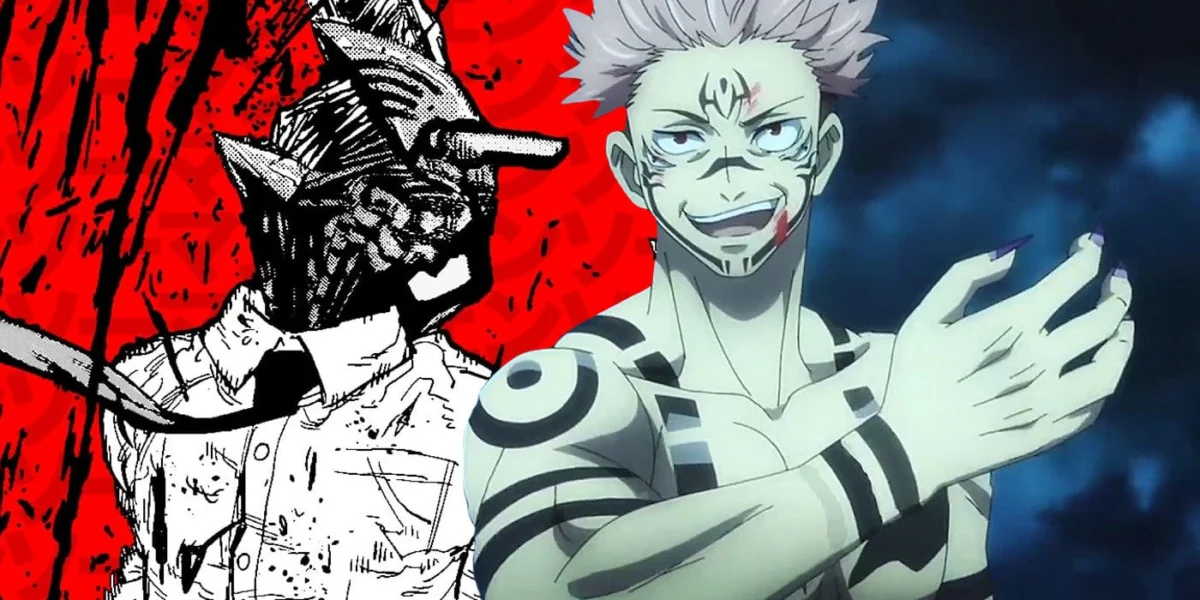
As the "Big Three" era began to wind down, Kohei Horikoshi’s My Hero Academia (2014) bridged the gap between Japanese manga and Western superhero tropes, introducing the concept of "Quirks." This was followed by a shift toward grittier, more complex power systems. Gege Akutami’s Jujutsu Kaisen introduced "Cursed Spirits" born from human suffering, while Koyoharu Gotouge’s Demon Slayer utilized historical settings and "Breathing Styles" to tell a poignant story of familial loss.
Supporting Data: The Metrics of Global Dominance
The commercial impact of Weekly Shonen Jump is best understood through its staggering sales figures and viewership data. These numbers reflect not just a fan base, but a global economic engine.
| Series | Author | Estimated Global Sales | Key Power System |
|---|---|---|---|
| One Piece | Eiichiro Oda | 516+ Million | Devil Fruits / Haki |
| Dragon Ball | Akira Toriyama | 260+ Million | Ki / Super Saiyan |
| Naruto | Masashi Kishimoto | 250+ Million | Chakra / Ninjutsu |
| Slam Dunk | Takehiko Inoue | 170+ Million | Real-world Athletics |
| Demon Slayer | Koyoharu Gotouge | 150+ Million | Breathing Styles |
| Bleach | Tite Kubo | 130+ Million | Reiryoku / Zanpakuto |
| Jujutsu Kaisen | Gege Akutami | 90+ Million | Cursed Energy |
Beyond manga sales, the transition to anime has proven to be the primary driver of international brand recognition. The Demon Slayer: Mugen Train film grossed over $500 million worldwide, outperforming major Hollywood productions during the pandemic. Furthermore, the digital platform Manga Plus, launched by Shueisha in 2019, has allowed for simultaneous global releases, effectively neutralizing the impact of piracy and expanding the magazine’s reach to over 175 countries.
Official Responses and Editorial Strategy
Shueisha’s editorial department has historically maintained a "rankings-based" system where readers vote on their favorite chapters weekly. This high-pressure environment ensures that only the most engaging stories survive, though it has often been criticized for its grueling pace for creators.
In recent years, Shueisha officials have acknowledged the need for a more sustainable approach to manga production. Following the health-related hiatuses of several high-profile authors, the company has begun allowing more frequent breaks. "The goal is to preserve the health of our creators while maintaining the quality of the storytelling that fans expect," a Shueisha representative stated in a 2023 press briefing.
Additionally, the company has leaned heavily into the "Ultimate Edition" branding and interactive fan engagements. By releasing comprehensive quizzes and retrospective content, Shueisha is capitalizing on the nostalgia of older fans while educating the newer generation on the lore of classic titles. This strategy reinforces the "Legacy" aspect of the magazine, ensuring that titles like Dragon Ball remain relevant decades after their initial run.
Implications: The Future of the Shonen Genre
The current state of Weekly Shonen Jump suggests a significant evolution in the genre’s narrative DNA. The "Ultimate Edition" assessment highlights several key trends that will likely define the next decade of anime:
1. The Complexity of Power Systems
The transition from the relatively simple "Power Levels" of Dragon Ball to the highly technical "Cursed Techniques" of Jujutsu Kaisen indicates a more sophisticated audience. Modern readers demand internal logic and strategic depth in combat, moving away from "strength for strength’s sake" toward tactical ingenuity.
2. Deconstruction of the Hero Archetype
While the classic hero (like Goku or Naruto) remains popular, newer protagonists like Yuji Itadori or Tanjiro Kamado often face more existential threats and moral ambiguity. The "Quirks" in My Hero Academia serve as a commentary on societal inequality, suggesting that the magazine is willing to explore more mature, sociopolitical themes within the shonen framework.
3. The Transmedia Explosion
The synergy between manga, anime, and gaming has reached an all-time high. A successful serialization in Jump now almost guarantees a high-budget anime adaptation by studios like MAPPA or Ufotable, followed by mobile game tie-ins and global merchandising. This ecosystem ensures that even when a manga ends, its intellectual property remains a revenue-generating powerhouse for decades.
4. Globalization and the "End of Filler"
The rise of seasonal anime production, as opposed to the year-round weekly broadcasts of the Naruto and Bleach era, has largely eliminated the need for "filler arcs." This shift, prompted by global streaming demands, has led to higher-quality adaptations that remain more faithful to the source material, further cementing the prestige of the Weekly Shonen Jump brand.
In conclusion, Weekly Shonen Jump is no longer just a magazine; it is a global institution of storytelling. Whether through the birth of a Saiyan named Kakarot or the fluid movements of a Water Breathing technique, the publication continues to capture the imagination of millions. As it navigates the digital age, its ability to blend tradition with innovation will determine the next chapter of the world’s most influential medium.



Leave a Comment