
Asus Redefines the Handheld Frontier: The ROG Xbox Ally X20 and the Era of Premium Portable Computing
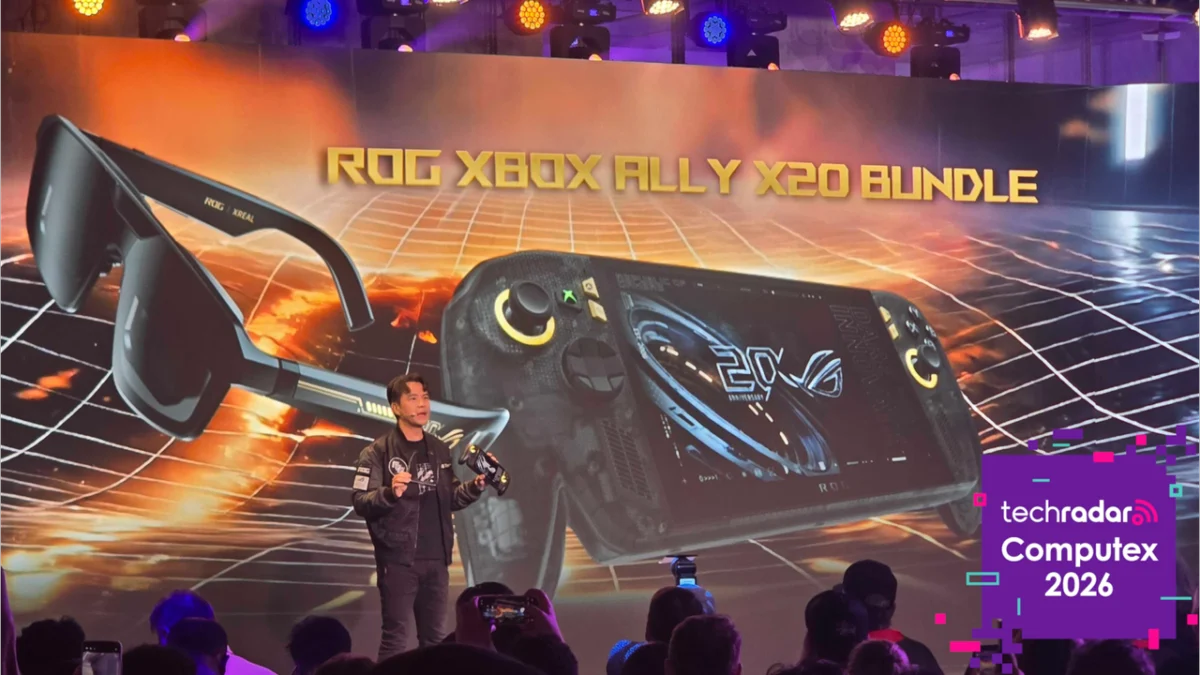
TAIPEI, Taiwan – As Computex 2026 unfolds against the backdrop of a rapidly evolving gaming landscape, Asus has once again seized the spotlight, unveiling its most ambitious hardware project to date: the ROG Xbox Ally X20. Positioned not merely as a refresh but as a generational leap over the ROG Xbox Ally X, the X20 represents a strategic pivot toward the ultra-premium enthusiast market.
The announcement comes at a pivotal moment for the industry. With Summer Game Fest 2026 looming and the "RAM Crisis" of the mid-2020s continuing to inflate hardware costs, the ROG Xbox Ally X20 arrives as both a technical marvel and a symbol of the increasingly expensive "PC-ification" of handheld gaming.
Main Facts: A New Benchmark for Portable Displays
The centerpiece of the ROG Xbox Ally X20 is undoubtedly its display. Moving away from the standard LCD panels that defined the early era of handheld PCs, Asus has integrated a 7.4-inch OLED panel. This move is a direct response to the Lenovo Legion Go 2, which previously set the bar for large-format handheld screens.
However, Asus has pushed the specifications into territory usually reserved for high-end desktop monitors. The X20’s display boasts a peak HDR brightness of 1,400 nits, supported by a VESA DisplayHDR 1000 rating. For a handheld device, these figures are unprecedented, promising a level of visual fidelity and contrast that could redefine mobile AAA gaming.
Beyond the raw brightness, the device addresses one of the most persistent complaints of the handheld community: outdoor usability. The X20 features a specialized anti-reflective coating designed to reduce glare by up to 65%. When coupled with the 0.2ms response time inherent to OLED technology, the device aims to provide a blur-free, high-visibility experience regardless of ambient lighting conditions.
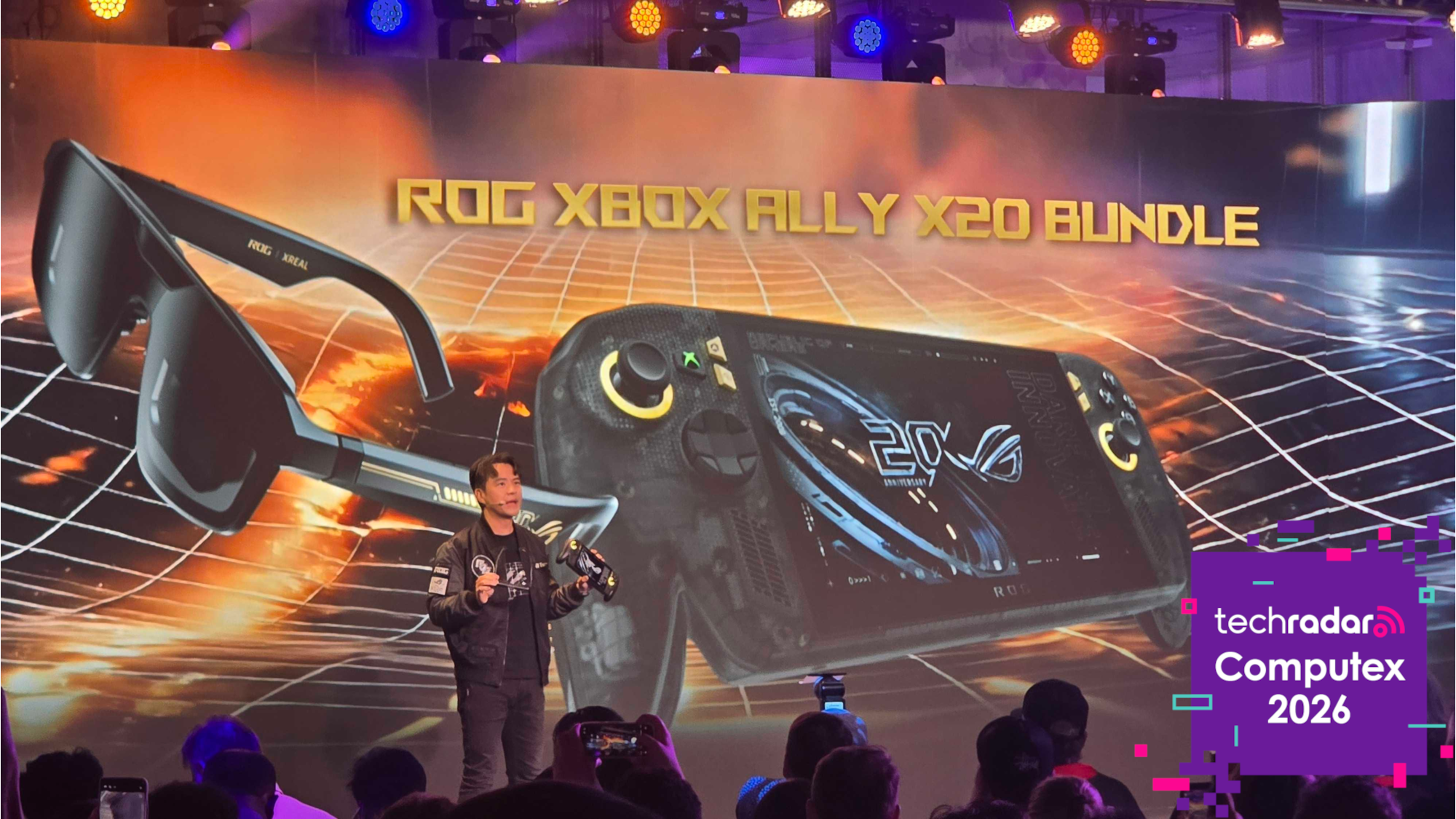
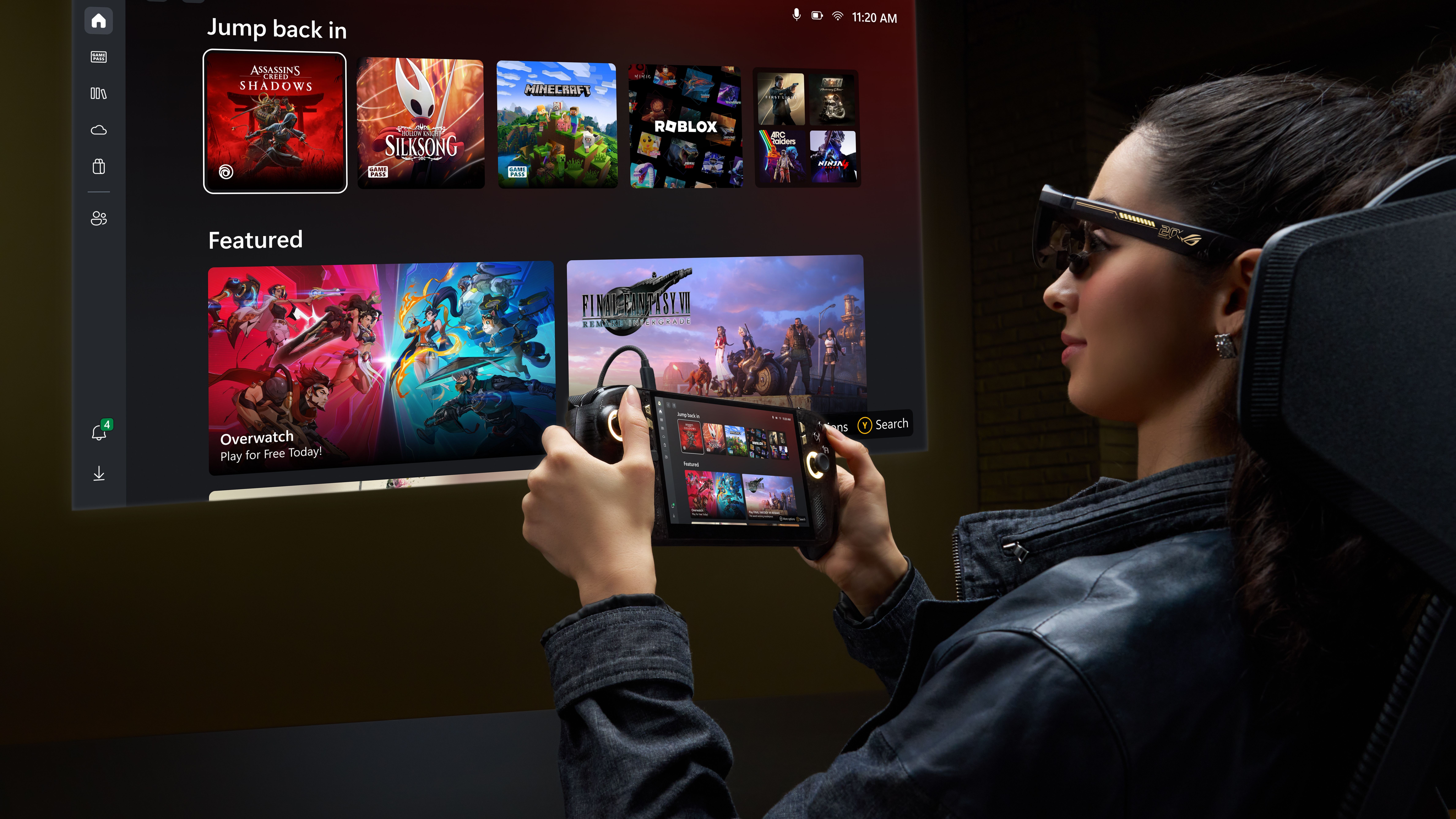
Perhaps the most startling component of the announcement is the "20th Anniversary Bundle." Asus confirmed that the ROG Xbox Ally X20 will be sold alongside the ROG XReal R1 Edition 20 gaming AR glasses. This integration allows users to bypass the 7.4-inch physical screen entirely, projecting a virtual 171-inch micro-OLED display directly into their field of vision. This virtual screen operates at a 240Hz refresh rate with a near-instantaneous 0.01ms response time, effectively turning the handheld into a portable IMAX-style gaming rig.
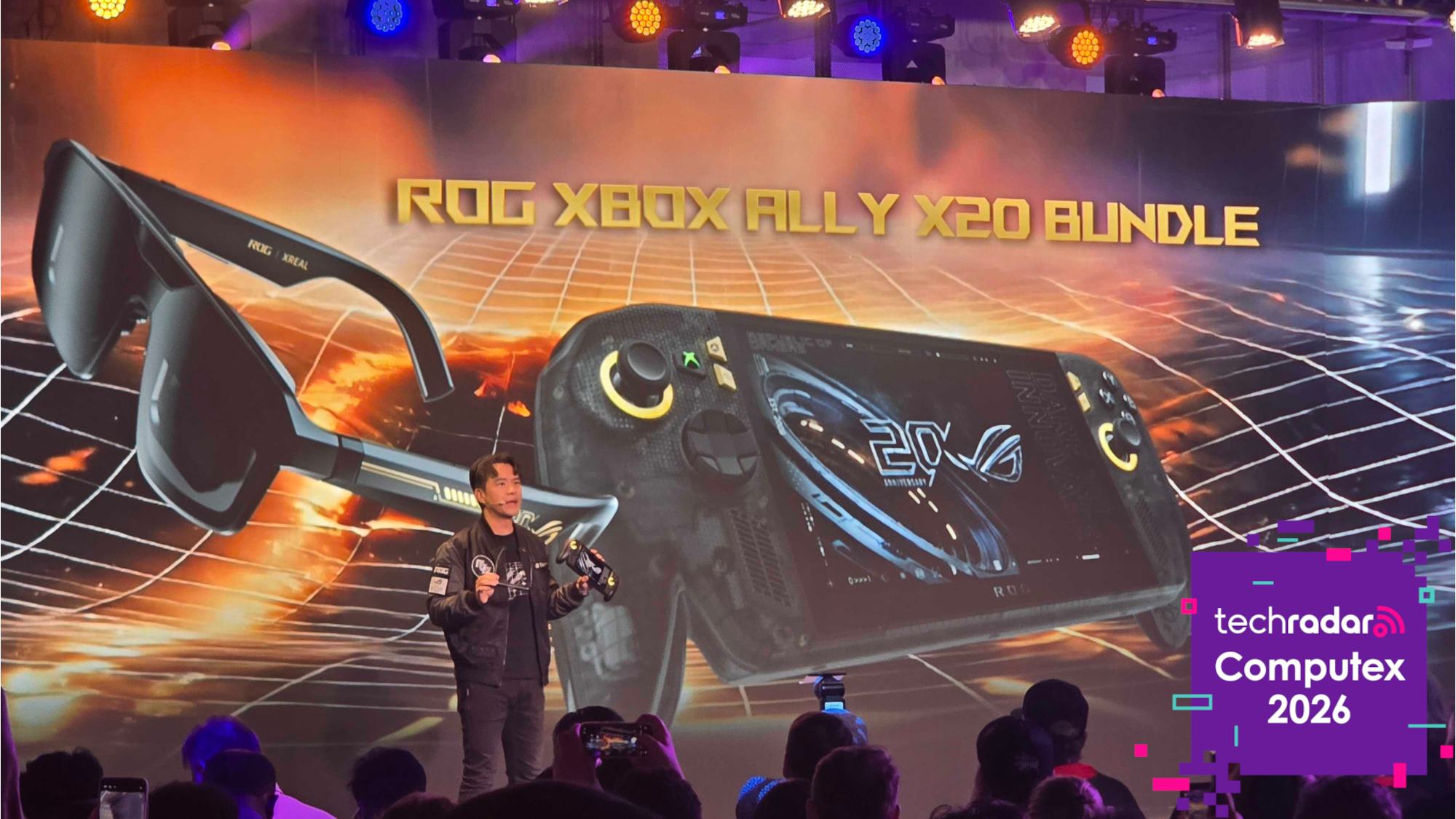
Chronology: The Evolution of the ROG Ally Ecosystem
To understand the significance of the X20, one must look at the rapid-fire release cycle Asus has maintained since 2023.
- The Original ROG Ally (2023): Launched as a direct competitor to the Steam Deck, the original Ally introduced the AMD Ryzen Z1 Extreme processor to the masses. While praised for its performance, it was hampered by battery life concerns and SD card reader failures.
- The ROG Xbox Ally X (2024-2025): This mid-generation refresh focused on ergonomics and reliability. It doubled the battery capacity and moved to a more standard M.2 2280 SSD slot, addressing the community’s primary hardware grievances.
- The Computex 2026 Announcement: The unveiling of the X20 marks a shift in philosophy. Rather than incremental improvements to the existing chassis, the X20 is built around the "Display-First" concept. By partnering with XReal and adopting OLED, Asus is signaling that the internal compute power has reached a point of diminishing returns, and the next frontier is how the player perceives the game.
The timing of this announcement, occurring just days before Summer Game Fest, suggests that Asus is positioning the X20 as the "lead platform" for the next wave of high-fidelity titles expected to be revealed this month.
Supporting Data: Technical Specifications and Market Comparison
The ROG Xbox Ally X20 enters a crowded field of high-end handhelds. Below is a breakdown of how the X20 compares to its primary rivals revealed at Computex 2026.
| Feature | ROG Xbox Ally X20 | MSI Claw 8 EX AI+ | Lenovo Legion Go 2 |
|---|---|---|---|
| Display Type | 7.4-inch OLED | 8-inch LCD | 8.8-inch OLED |
| Peak Brightness | 1,400 Nits | 500 Nits | 800 Nits |
| Refresh Rate | 120Hz (Handheld) / 240Hz (AR) | 120Hz | 144Hz |
| Processor | Custom AMD Ryzen (TBA) | Intel Arc G3 Extreme | AMD Ryzen Z2 Series |
| Unique Feature | Bundled AR Glasses (171") | AI-Driven Upscaling | Detachable Controllers |
| Est. Price | ~$2,000 (Bundle) | ~$1,500 | ~$999 |
The data highlights a significant divergence in the market. While Lenovo is maintaining a focus on the "large-screen handheld" niche and MSI is betting on Intel’s new AI-integrated architecture, Asus is moving toward a "Luxury Ecosystem" model.
The inclusion of the XReal R1 glasses is a major factor in the data. Individually, these glasses retail for approximately $849 (£749 / AU$1,799). By bundling them, Asus is targeting a demographic that views gaming as a primary lifestyle investment rather than a casual hobby.
Official Responses and Community Sentiment
The reaction from the gaming community has been a mixture of technical awe and financial apprehension. On platforms like Reddit, the ROG Xbox Ally X20 has been described by enthusiasts as "almost the perfect handheld for many," citing the OLED screen and anti-glare coating as the "final pieces of the puzzle" for a Windows-based handheld.
However, the lack of a confirmed standalone price for the X20 has created a vacuum of speculation. Asus representatives at Computex have been tight-lipped regarding the MSRP of the handheld without the AR glasses bundle.
"Our goal with the ROG Xbox Ally X20 was to remove the boundaries between the player and the game," an Asus spokesperson stated during the keynote. "The 20th Anniversary Edition is a celebration of how far portable computing has come. We aren’t just selling a console; we are selling a premium visual experience."
Despite the corporate optimism, the shadow of the MSI Claw 8 EX AI+ looms large. With reports suggesting that MSI’s new flagship will start at $1,500, the market is bracing for the reality that "affordable" handheld gaming may be a thing of the past for those seeking cutting-edge specs.
Implications: The Sustainability of the $2,000 Handheld
The emergence of the ROG Xbox Ally X20 raises critical questions about the future of the handheld market. We are currently witnessing the "smartphone-ification" of gaming hardware, where annual or biennial refreshes demand premium prices that rival high-end workstations.
1. The RAM Crisis and Manufacturing Costs
The 2026 RAM crisis, fueled by supply chain disruptions and the insatiable demand for AI-capable memory modules, has hit the handheld sector particularly hard. Handheld PCs require high-speed, low-power LPDDR5X or LPDDR6 memory to remain competitive. As costs for these components skyrocket, manufacturers like Asus are forced to either cut margins or, as seen with the X20, pivot to a luxury "bundle" model to justify a higher price point.
2. AR as a Solution to Portability Constraints
The X20’s reliance on AR glasses suggests that we may have reached the physical limit of handheld screen sizes. A 7.4-inch or 8.8-inch screen is as large as a device can get before it loses its "portable" designation. By offloading the visual experience to AR glasses, Asus is circumventing the physical limitations of the hardware. This could set a trend where future handhelds become "compute pucks" with minimal on-device screens, designed primarily to be used with wearables.
3. The Displacement of Traditional Consoles
With a price tag approaching $2,000, the ROG Xbox Ally X20 bundle is no longer competing with the Nintendo Switch or even the PlayStation 5. It is competing with mid-to-high-range gaming laptops and enthusiast desktop builds. If Asus can prove that the X20 offers a comparable experience to a 171-inch home theater setup in a form factor that fits in a backpack, it may fundamentally change how "hardcore" gamers allocate their budgets.
Conclusion
The Asus ROG Xbox Ally X20 is a bold, perhaps even risky, statement of intent. It is a device that offers everything the community has asked for—OLED, high brightness, and better anti-reflection—but at a potential cost that may alienate the average consumer.
As Computex 2026 continues, all eyes will be on whether competitors like Valve or Sony respond with more budget-conscious alternatives, or if the industry will follow Asus into this new, high-priced frontier of augmented reality and ultra-premium portable displays. For now, the ROG Xbox Ally X20 stands alone as the most technologically advanced, and likely the most expensive, handheld ever conceived.



Leave a Comment