The High-Tech Suitcase: How Amazon Prime Day is Revolutionizing Portable Beauty and Wellness
The intersection of summer travel and peak retail season has created a unique phenomenon in the consumer electronics market. As Amazon Prime Day reaches its stride, a new category of "travel-ready beauty tech" has emerged as the frontrunner for savvy shoppers. No longer content with bulky, cord-heavy appliances or ineffective travel-sized disposables, consumers are leveraging steep discounts to curate a sophisticated, portable wellness kit.
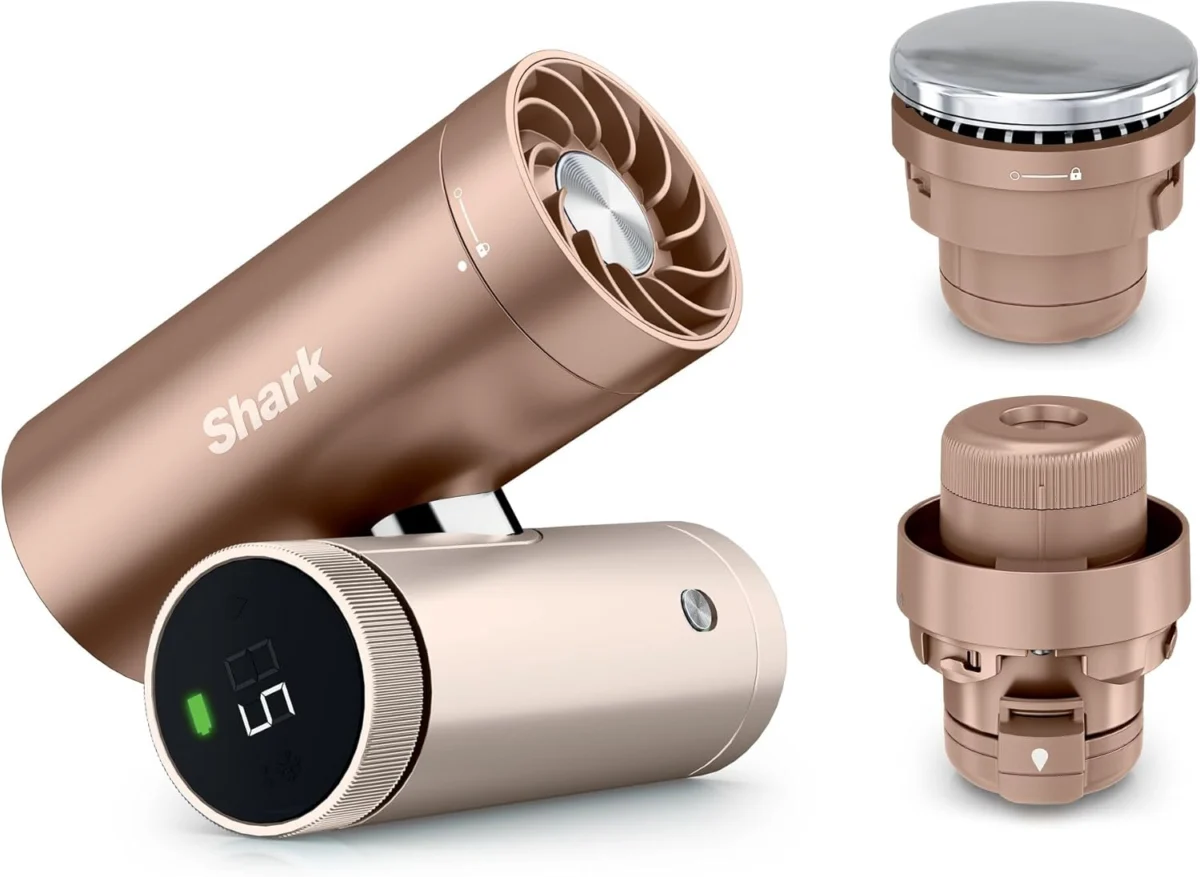
From foldable ionic hair dryers to medical-grade LED face masks that tuck into the lining of a carry-on, the current sale landscape reflects a broader shift in how we approach self-care during transit. This report explores the primary deals driving this trend, the technological advancements making them possible, and the economic implications of the "Prime Day effect" on the beauty industry.
Main Facts: The Prime Day Beauty Tech Landscape
This year’s Prime Day is defined by three distinct trends: extreme portability, the "USB-C-ification" of grooming, and the democratization of professional-grade skin treatments. Leading the charge are significant price drops on high-ticket items that were previously considered luxury niche products.
Key Deals at a Glance:
- Nanoleaf LED Light Therapy Face Mask (US): Currently retailing for $149.99, down from its original $249.00. This FDA-cleared device represents a 40% saving and highlights the shift toward flexible, travel-friendly silicon designs.
- Ulike Air 10 IPL Hair Removal (UK): Priced at £246.99, down from £399.99. This device offers a salon-alternative at a fraction of the cost, emphasizing long-term value over temporary solutions.
- Oura Ring 4: While strictly a wellness tracker, its integration into the beauty-tech ecosystem as a sleep and skin-health monitor has made it a Prime Day staple for those seeking a "holistic" travel kit.
- Standardization: A significant number of this year’s featured devices have transitioned to USB-C charging, eliminating the need for international plug adapters—a major pain point for global travelers.
Chronology: The Evolution of a Retail Phenomenon
To understand why these specific deals are garnering such attention, one must look at the timeline of Amazon Prime Day and the beauty-tech sector’s growth.
2015–2018: The Early Years
Prime Day began in 2015 as a 24-hour event to celebrate Amazon’s 20th anniversary. In these early iterations, "tech" deals were largely confined to Echo speakers, Kindles, and basic kitchen appliances. Beauty products were mostly limited to "consumables" like shampoos and creams.
2019–2022: The Prosumer Shift
As battery technology improved and motors became smaller (thanks in part to the drone and smartphone revolutions), beauty tools began to shrink. The "Dyson effect" popularized the idea of high-tech hair care, leading to a surge in premium, tech-heavy grooming tools. Prime Day began featuring "Prosumer" (professional-consumer) tools, but they remained bulky.
2023–Present: The Portability Era
The post-pandemic travel boom of 2023 and 2024 has dictated the current market. Manufacturers realized that consumers wanted to maintain their 10-step skincare routines and salon-quality hair even while flying economy. This led to the development of the "foldable" and "flexible" categories we see today. The 2024 Prime Day event is the first where flexible LED masks and high-power portable IPL devices have reached "mass-market" pricing.
Supporting Data: The Science and Economics of Portable Tech
The popularity of these devices is not merely a result of clever marketing; it is backed by significant advancements in hardware and a shifting economic landscape.
The Rise of Light Therapy
The Nanoleaf LED mask deal is particularly notable. Photobiomodulation (light therapy) was once restricted to dermatologists’ offices due to the heat generated by the bulbs and the rigid power requirements.
- Data Point: Modern LED masks like the Nanoleaf use "Cold LED" technology, which allows the device to be made of medical-grade silicon. This reduces the weight to under 300 grams and allows it to be folded flat—an essential feature for travelers.
- Wavelength Precision: These devices now offer 630nm (red) and 830nm (near-infrared) light with a precision that rivals professional machines, yet they run on internal lithium-ion batteries for up to 10 sessions per charge.
The IPL Value Proposition
The Ulike Air 10’s price drop in the UK highlights a major shift in the "Beauty ROI" (Return on Investment).
- Market Comparison: A standard course of laser hair removal in a London or New York clinic can cost between $1,200 and $2,500.
- Efficiency Data: The Air 10 utilizes "Dual Lamp" technology and "Sapphire Ice-cooling" to minimize pain. At a Prime Day price of roughly £247, the device pays for itself after just two or three uses compared to professional fees.
The Wellness Integration
The inclusion of the Oura Ring 4 in travel-tech roundups signals the merging of beauty and health.
- Sleep/Skin Correlation: Research indicates that sleep quality is the primary driver of skin health (collagen production and cortisol regulation). By tracking "Sleep Scores" during long-haul flights, travelers can adjust their skincare routines based on data rather than intuition.
Official Responses and Industry Sentiment
While Amazon does not typically comment on specific sales figures during the event, industry analysts and brand representatives have provided insight into the strategy behind these steep discounts.
Amazon’s Strategic Stance:
Retail analysts suggest that Amazon uses high-tech beauty as a "sticky" category. "Beauty tech has a high barrier to entry due to the price point," says retail consultant Sarah O’Conner. "By offering 40-50% off during Prime Day, Amazon converts casual shoppers into brand loyalists who will later buy accessories and replacement parts through the platform."
The Brand Perspective:
Companies like Nanoleaf and Ulike have leaned into the "Travel" narrative. A spokesperson for a major beauty-tech manufacturer noted, "Our goal for 2024 was to solve the ‘Suitcase Dilemma.’ We know our customers don’t want to choose between a second pair of shoes and their skincare device. Our engineering focus has shifted entirely to weight reduction and universal charging."
Consumer Advocacy Groups:
Some consumer groups have issued "buy-with-caution" warnings. While the tech is impressive, they remind shoppers to check for FDA or CE certification, especially with light-based therapies. The Prime Day deals mentioned, such as the Nanoleaf, carry these certifications, distinguishing them from "white-label" clones often found during flash sales.
Implications: The Future of the "Travel-Ready" Lifestyle
The success of portable beauty tech during this Prime Day cycle has several long-term implications for the industry and the environment.
1. The Death of the Travel Adapter
The push for USB-C charging in beauty tech is more than a convenience; it is a movement toward a "universal power ecosystem." As more devices ditch proprietary pins for USB-C, the environmental waste of discarded chargers is expected to drop significantly. For the traveler, this means a single high-wattage GaN charger can now power a laptop, a phone, and a hair straightener.
2. The Normalization of "In-Flight Wellness"
We are seeing a cultural shift where wearing an LED mask or using noise-canceling earplugs (like the ones snuck into the current deals list) is no longer seen as eccentric but as "optimized travel." This normalization is driving airlines to consider adding more robust charging ports and "wellness zones" in premium cabins.
3. Sustainability vs. Tech-Waste
While these gadgets replace disposable travel minis (reducing plastic waste), they introduce the challenge of e-waste. The durability of these portable devices will be the next major hurdle. Consumers are moving away from "cheap" travel dryers that break after one trip toward "investment pieces" that last years, a trend supported by the premium nature of the Prime Day featured items.
Conclusion: A New Standard for the Modern Traveler
The 2024 Amazon Prime Day event serves as a bellwether for the future of personal care. The transition of high-end clinical technology into foldable, packable, and affordable consumer goods is nearly complete. For travelers like TechRadar’s Amelia, who grew up enduring grueling 24-hour flights from Australia, these gadgets represent more than just a "deal"—they represent a significant upgrade in the quality of life during transit.
As the sale concludes, the data suggests that the "winner" of this year’s Prime Day isn’t just Amazon, but the consumer who has managed to shrink their salon into the side pocket of a suitcase. Whether it’s the Nanoleaf mask or the Ulike IPL, the message is clear: the future of beauty is mobile, tech-driven, and increasingly accessible.