
Gaming’s Pulse: A Weekly Digest of Industry Shakers and Movers
The gaming industry is a perpetually evolving landscape, a vibrant tapestry woven with threads of innovation, controversy, and unexpected shifts. Keeping pace with its relentless momentum can often feel like an impossible quest for even the most dedicated enthusiast. From groundbreaking game announcements to critical debates on ethics and labor, the sheer volume of news demands a focused lens.
Here at Tabletop Battles, we understand this challenge. That’s why, every week, our "Games Industry News Roundup" serves as your essential guide, distilling the most significant developments from the vast world of gaming and its related pop culture. Join our trusty news correspondent, Dan "Swiftblade" Richardson, as he brings you the latest scoop from the TTB newsdesk.
The Witcher 3: A Decade On, A New Adventure Beckons
Main Facts:
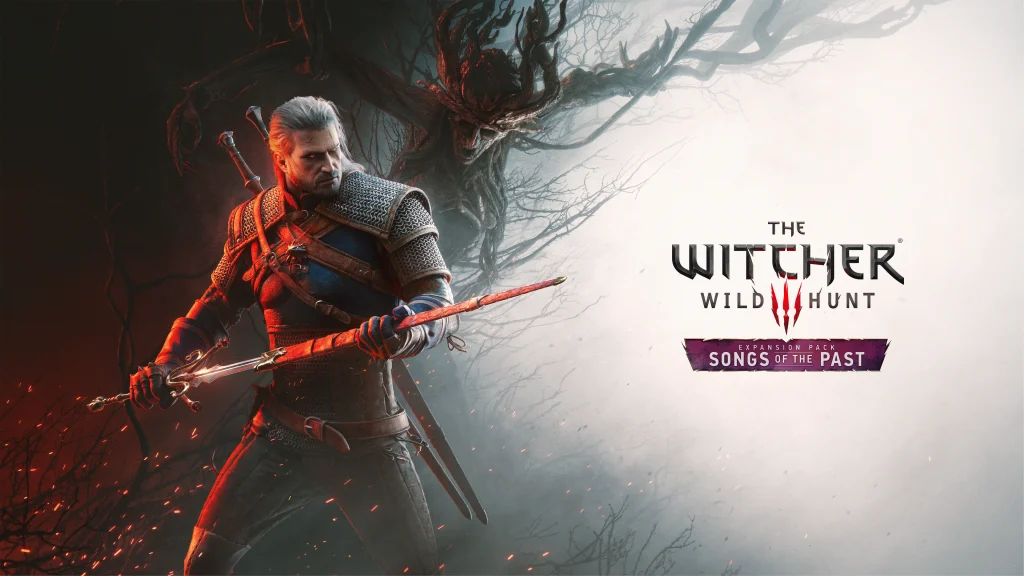
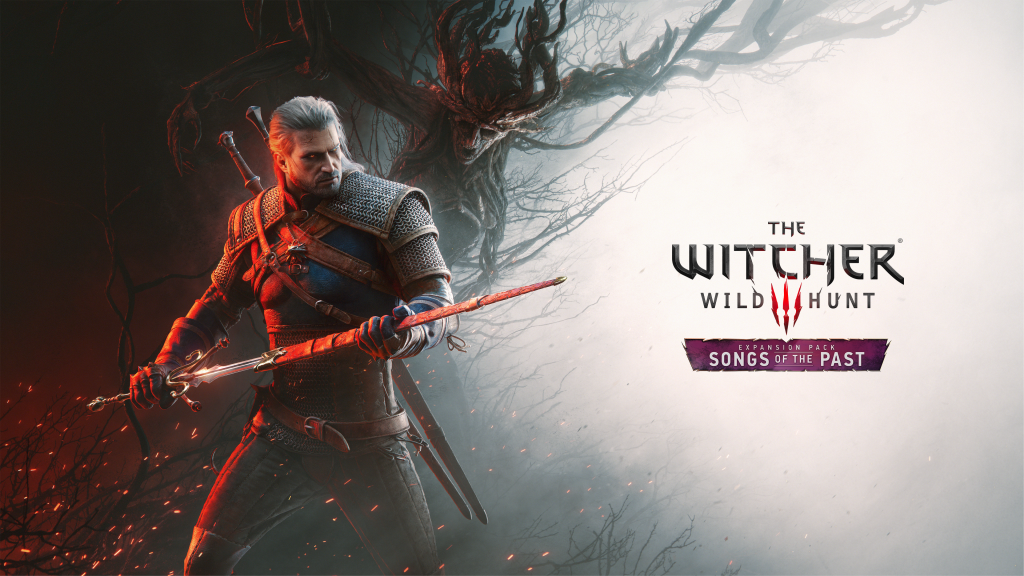
CD Projekt Red (CDPR) recently ignited the gaming world with a surprise announcement: a brand-new expansion pack for their critically acclaimed title, The Witcher 3: Wild Hunt. Titled Songs of the Past, this revelation comes a remarkable ten years after the game’s initial release, defying prior indications that Blood and Wine (2016) would be its final content update. The expansion is being co-developed with Fool’s Theory, a studio founded by ex-CDPR developers, promising a return to the beloved world of Geralt of Rivia with fresh perspectives.
Chronology:
- May 2015: The Witcher 3: Wild Hunt is released to universal critical acclaim and commercial success, solidifying CDPR’s reputation.
- May 2016: Blood and Wine, the second and ostensibly final expansion for The Witcher 3, is released, concluding Geralt’s story as CDPR then stated.
- 2015: Fool’s Theory is founded by former CDPR developers, including those who worked on The Witcher 3, bringing with them deep institutional knowledge.
- 2024: Fool’s Theory releases its debut title, The Thaumaturge, a story-driven RPG, showcasing their capabilities.
- Late 2024 (approx.): CDPR announces a remake of the original The Witcher game, with Fool’s Theory taking the lead on its development, further cementing their collaboration.
- Early 2026: CDPR teases a "huge announcement" for The Witcher series, leading many to anticipate news on Project Polaris (the next main Witcher game).
- Late May 2026: CDPR officially announces Songs of the Past for The Witcher 3, a decade after its launch, catching the industry and fans off guard. Further details are promised for late summer 2026.
Supporting Data:
The Witcher 3: Wild Hunt stands as one of the most decorated games of all time, having garnered over 250 Game of the Year awards and selling tens of millions of copies worldwide across various platforms. Its narrative depth, expansive open world, and compelling characters set a new benchmark for RPGs. Fool’s Theory, while a newer studio, boasts a formidable roster of industry veterans. Their previous support work on major CRPGs like Baldur’s Gate 3 and Divinity: Original Sin 2 demonstrates a strong foundation in complex narrative and systems design, crucial for a Witcher expansion. The studio’s involvement in the Witcher 1 remake further underscores their trusted relationship with CDPR and their intimate understanding of the franchise’s lore and mechanics. The original announcement in 2016 explicitly stated that Blood and Wine marked the end of new content for The Witcher 3, making this new expansion a significant reversal of previous plans.

Official Responses:
In their official announcement, CDPR stated, "CD PROJEKT RED is co-developing the expansion with Fool’s Theory, a team comprising industry veterans who worked on The Witcher 3." They added, "More details on Songs of the Past will be released in late summer 2026." While Fool’s Theory has not released a separate, detailed statement regarding Songs of the Past at the time of writing, their ongoing collaboration with CDPR on the Witcher 1 remake speaks volumes about their expertise and commitment to the franchise. This partnership model allows CDPR to expand its creative bandwidth while leveraging the specific talents and historical knowledge of a trusted external team.
Implications:
The announcement of Songs of the Past carries significant implications for both The Witcher franchise and the broader gaming industry. For fans, it’s an unexpected return to a beloved classic, offering a chance to revisit Geralt’s world with new stories. Speculation is rife that this expansion could serve as a "narrative bridge" between The Witcher 3 and the upcoming Project Polaris (informally The Witcher 4), potentially tying up loose ends or introducing elements that foreshadow future installments. This strategy could be seen as CDPR leveraging the immense goodwill and established player base of The Witcher 3 to maintain engagement while Project Polaris remains years away. It also highlights a growing trend in the industry of extending the lifecycle of hugely successful single-player games with substantial post-launch content, far beyond their initial release windows. For Fool’s Theory, this co-development is a major validation of their capabilities and a high-profile project that will undoubtedly raise their profile. The move also suggests CDPR’s confidence in distributing development responsibilities, a model that could become more prevalent for large studios managing multiple ambitious projects.
AI Ethics Under Fire: Chaosium’s Stance Against Digital Disrespect
Main Facts:
Chaosium, the venerable tabletop role-playing game publisher, issued a strong condemnation last week regarding an AI-generated article about its late founder, Greg Stafford. The article, produced by 4 Pillar Games for its "Tabletop Games Icons" website, was branded as "disrespectful to his memory" by Chaosium and Stafford’s widow, Suzanne Stafford, who co-authored the public statement. The incident has further fueled the intense debate surrounding the ethical use of artificial intelligence in creative and journalistic contexts within the gaming sphere.
Chronology:
- 2018: Greg Stafford, the visionary founder of Chaosium and a titan of tabletop gaming, passes away, leaving behind a profound legacy.
- Undisclosed (prior to May): 4 Pillar Games is founded with the stated mission of creating "a living historical record of the Tabletop Games Industry" primarily through AI-generated content, launching the "Tabletop Games Icons" website.
- Early May 2026: Game developer David Thompson publicly calls out 4 Pillar Games on social media, highlighting their use of his likeness without permission for AI-generated content and threatening legal action.
- Mid-May 2026: Following Thompson’s public outcry and widespread criticism, 4 Pillar Games reportedly shuts down its main corporate page, though the "Tabletop Games Icons" website remains active.
- Late May 2026: Chaosium, in collaboration with Suzanne Stafford, releases a public statement condemning the AI-generated article about Greg Stafford, articulating their profound disappointment and ethical concerns.
Supporting Data:
David Thompson’s earlier confrontation with 4 Pillar Games provided a precursor to Chaosium’s more recent statement. Thompson’s social media post, widely circulated, articulated a common grievance among creators: the non-consensual use of their identity and work for commercial AI-generated content. He promised legal action if his likeness was not removed, underscoring the legal ambiguities and ethical breaches often associated with such AI applications. Chaosium’s statement elaborated on specific criticisms of the Greg Stafford article, describing it as a "lightly edited compilation of existing online sources" that offered "no meaningful insights, analysis, or original engagement with Greg’s work." They emphasized the profound irony and disrespect in using AI to summarize the life of a creator who "embodied imagination, intellectual rigor, and deep respect for myth and storytelling," arguing that "the result lacks the human care and creativity Greg himself always brought to his writing and world-building."
Official Responses:
The joint statement from Chaosium and Suzanne Stafford was unequivocal. They asserted that while they would have been "more than happy to help 4 Pillars had they done this work by hand," the use of AI had effectively "burned that bridge and made mockery of their founder, friend, and husband." The statement powerfully concludes with a defiant acknowledgment of the broader struggle: "We acknowledge the Sisyphean task of pushing back against AI misuse; however, we felt it important to publicly express our disappointment." As of the time of writing, 4 Pillar Games has not issued any public response to Chaosium or Suzanne Stafford, and the contested article and video pertaining to Greg Stafford remain live on their website. This silence, in itself, can be interpreted as a lack of accountability or a strategic avoidance of further engagement.
Implications:
This incident significantly deepens the ongoing industry-wide conversation about the ethical boundaries of AI in creative content. Chaosium’s principled stand, particularly in collaboration with the founder’s widow, lends considerable weight to the argument for human oversight, consent, and originality in biographical and historical accounts. It raises critical questions about the perceived "value" of AI-generated content versus human-crafted narratives, especially when dealing with the legacy of influential figures. The legal threats from individuals like David Thompson highlight the potential for future litigation and the need for clearer regulations regarding AI’s use of personal data and copyrighted material. For companies like 4 Pillar Games, such controversies can severely damage reputation and trust, particularly when their core mission relies on documenting a community that values authenticity and human creativity. Chaosium’s "Sisyphean task" quote encapsulates the frustration many creators feel in confronting the rapid, often unconsented, proliferation of AI-generated content, underscoring a battle that is far from over but one they are committed to fighting.
The End of an Era: Horus Heresy: Legions Shuts Down
Main Facts:
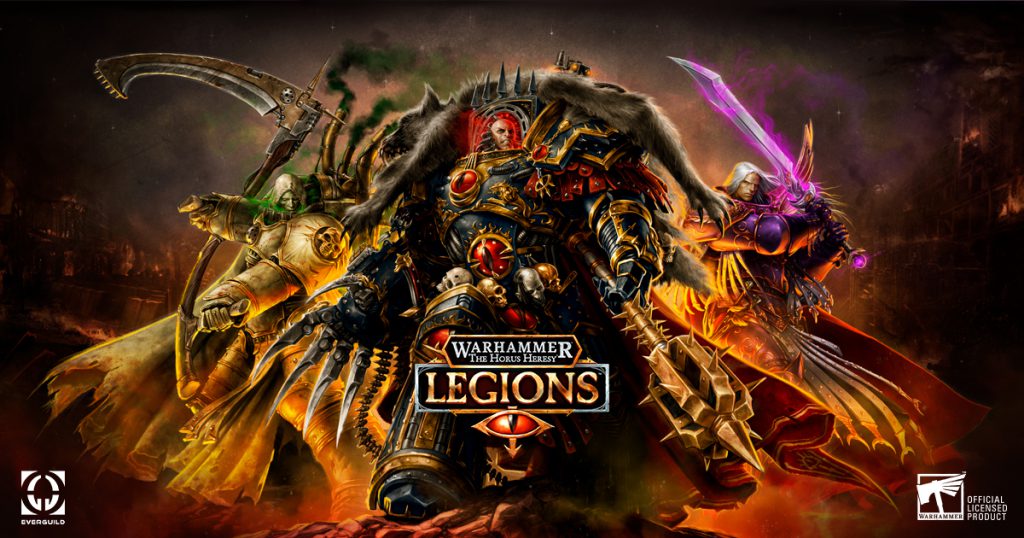
Warhammer The Horus Heresy: Legions, the popular digital card game developed by Everguild in collaboration with Games Workshop, has announced its imminent shutdown. Players will no longer be able to make in-game purchases as of May 29th, 2026, and the game’s servers will be permanently closed on August 31st, 2026. This sudden decision leaves a significant portion of its dedicated player base frustrated and questioning the long-term viability of live service games.
Chronology:
- 2018: Warhammer The Horus Heresy: Legions is launched by Everguild, offering a strategic digital card game experience set in the rich Warhammer 30,000 universe.
- Throughout 2018-2026: The game receives regular content updates, including new legions, cards, and events, maintaining a steady player base.
- 2022: Everguild releases its second Warhammer digital card game, Warhammer 40,000: Warpforged, expanding its digital portfolio.
- Earlier 2026: Warpforged is unexpectedly shut down, mirroring the pattern that Legions would soon follow.
- March 2026: Legions receives its last significant content update, with no indication of an impending shutdown.
- Late May 2026: Everguild makes the official announcement that Legions will be shutting down, effective August 31st, 2026, with in-game purchases disabled on May 29th.
Supporting Data:
Everguild’s official statement on the game’s website was brief and offered no specific reasons for the shutdown. It simply stated: "Unfortunately, Warhammer The Horus Heresy: Legions is approaching its end, and the servers will soon close. Starting May 29th, 2026, all in-game purchases will be disabled. However, you will still be able to enjoy and play the game until August 31st, 2026, when the servers will be permanently closed. Thank you once again for your dedication, passion, and loyalty throughout the years. It has been an honour to share this battlefield with you." This lack of transparency is a common characteristic of live service game shutdowns, leaving players to speculate on factors such as declining player counts, insufficient revenue, or shifting strategic priorities for Everguild or Games Workshop. The precedent set by the earlier shutdown of Warpforged, Everguild’s newer Warhammer CCG, suggests a broader re-evaluation of their digital card game strategy or financial challenges within the studio. Unlike giants like Hearthstone or Magic: The Gathering Arena, Legions operated within a more niche, albeit passionate, segment of the digital CCG market.
Official Responses:
Beyond the initial, brief announcement on the game’s website, neither Everguild nor Games Workshop has provided any additional details or clarification regarding the reasons behind Legions‘s impending closure. This silence, while perhaps intended to minimize further public relations issues, has only served to amplify player frustration and a sense of betrayal, particularly for those who have invested significant time and money into the game. The "thank you" message, while standard for such announcements, rings hollow for players who feel their loyalty was not adequately rewarded with longevity.
Implications:
The shutdown of Horus Heresy: Legions underscores the precarious nature of the live service game model. Players who have invested in digital card collections, cosmetics, and premium passes now face the imminent loss of their purchased content, highlighting ongoing concerns about digital ownership and consumer rights in a world where game access is often tied to active servers. This incident could further erode player trust in live service titles, especially those from smaller or mid-tier developers, making players hesitant to commit to new games without assurances of long-term support. For Everguild, it signals a potentially difficult period of re-evaluation, raising questions about the studio’s financial health and its future in the digital gaming space. For Games Workshop, it’s a reminder of the challenges in managing a diverse portfolio of licensed digital games and the reputational risks associated with partner studios’ failures. The recurring pattern of games being "sunset" after a few years, even those still receiving updates, reinforces the idea that digital games are often leased, not owned, and subject to the fluctuating market conditions and strategic decisions of their creators.
Rockstar Games Workers Unionize Amidst Legal Tensions
Main Facts:
Employees at Rockstar Games’ UK branch have officially formed the Rockstar Game Workers Union (RGWU), marking a significant step in the ongoing global movement for unionization within the gaming industry. This development unfolds amidst a heated legal battle between Rockstar’s parent company, Take-Two Interactive, and the Independent Workers Union of Great Britain (IWGB), which alleges that the firing of 30 employees last October constituted a deliberate act of union-busting.
Chronology:
- October 2025: Rockstar Games fires approximately 30 employees from its UK studios, citing "gross misconduct" and breaches of confidentiality agreements.
- Shortly after (late 2025): The Independent Workers Union of Great Britain (IWGB) files a legal case against Rockstar and Take-Two Interactive within the UK legal system, asserting that the dismissals were a retaliatory measure against pro-union activities.
- January 2026: The IWGB requests interim relief funds for the affected employees from the Glasgow Employment Tribunal, a request that is subsequently rejected.
- Late May 2026: Rockstar’s UK employees formally unionize, establishing the Rockstar Game Workers Union (RGWU), adding a new dimension to the existing labor dispute.
Supporting Data:
The core of the legal dispute revolves around the reasons for the 30 employee firings. Rockstar and Take-Two Interactive maintain that the employees were dismissed for "breaching confidentiality agreements" and distributing "highly sensitive information" on a pro-union Discord server managed by the IWGB. Court submissions from Rockstar later clarified that the confidential information discussed included internal company Slack policies and mentions of live service tests for Grand Theft Auto VI, specifically in the context of employees discussing scheduling time off. The IWGB, however, contends that these firings were a clear instance of union-busting, designed to intimidate and suppress nascent organizing efforts. They argue that the discussions, while perhaps involving internal topics, did not constitute severe breaches justifying mass termination, and that the company exploited confidentiality clauses to target union-sympathetic workers. This conflict highlights the ongoing tension between employers’ rights to protect intellectual property and confidentiality, and employees’ rights to organize and discuss workplace conditions.
Official Responses:
The IWGB has been vocal in its condemnation of Rockstar’s actions, publicly framing the firings as an attack on worker organizing. Their legal actions and public statements have consistently pushed for greater worker protections and recognition of union rights within the gaming sector. Rockstar and Take-Two Interactive have largely maintained a more guarded stance, relying on their legal arguments regarding confidentiality breaches. Take-Two Interactive has not released a public statement specifically addressing the formation of the Rockstar Game Workers Union (RGWU) at the time of reporting. The RGWU itself, as a newly formed entity, is likely in the process of establishing its official platform and demands, though its very existence is a powerful statement of collective resolve.
Implications:
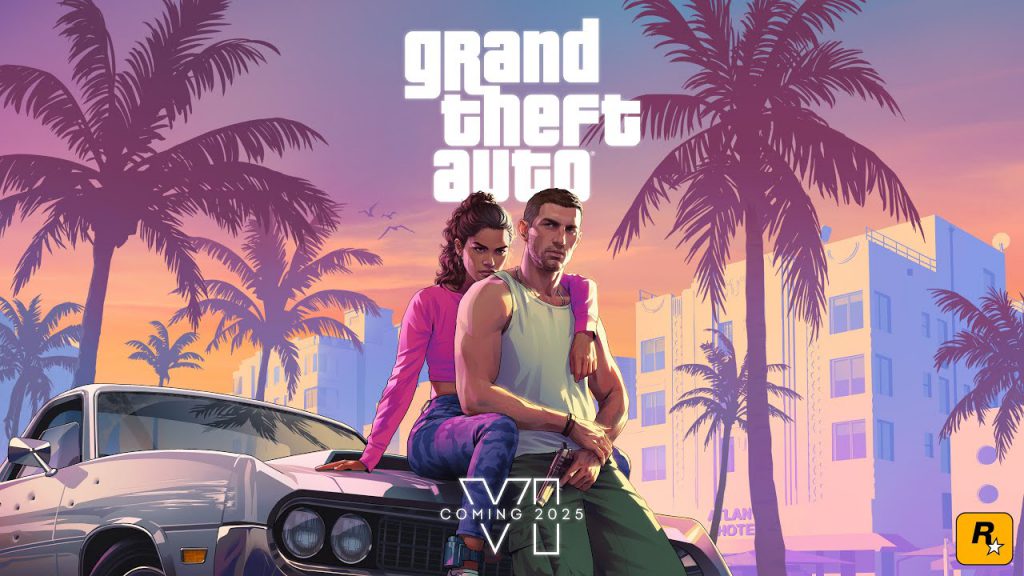
The formation of the RGWU, particularly in the shadow of an ongoing legal battle, carries profound implications for Rockstar Games, its employees, and the broader gaming industry. For Rockstar, it signals a new era of formalized labor relations, potentially impacting workplace policies, development timelines, and the overall culture, especially as the highly anticipated Grand Theft Auto VI continues development. The unionization effort could lead to increased scrutiny of Rockstar’s labor practices, which have faced criticism in the past regarding "crunch" culture. For the wider industry, the RGWU’s emergence is another strong indicator of the growing momentum behind game worker unionization across the globe. Following successful organizing efforts at companies like ZeniMax and Activision Blizzard, Rockstar’s unionization adds a major AAA studio to the list, demonstrating that even industry giants are not immune to these shifts. This could embolden workers at other studios to organize, fostering a more powerful and unified voice for game developers. The legal outcome of the IWGB’s case against Rockstar will also set important precedents for future labor disputes, potentially defining the boundaries of employer actions in response to unionization efforts.
Leadership Shake-Up: Tekken 8 Director Departs Bandai Namco
Main Facts:
The Tekken fighting game community was met with a significant leadership change last week as Kohei Ikeda, the acclaimed director of Tekken 8, announced his departure from Bandai Namco. This news follows closely on the heels of series founder Katsuhiro Harada’s exit in December 2025, marking the second high-profile departure from the Tekken team within six months and raising questions about the future creative direction of the iconic franchise.
Chronology:
- 2006 (approx.): Kohei Ikeda joins Bandai Namco, beginning his career on the development team for Soul Calibur 4.
- Years following: Ikeda transitions to the Tekken team, steadily rising through the ranks.
- 2015: Tekken 7 is released, with Ikeda serving in a key directorial role, contributing to its critical and commercial success.
- December 2025: Katsuhiro Harada, the long-standing director and general producer of the Tekken series, announces his departure from Bandai Namco to establish his own independent studio.
- January 2026: Tekken 8, with Ikeda as director, is released to strong reviews, praised for its aggressive combat and visual fidelity.
- Late May 2026: Kohei Ikeda announces his departure from Bandai Namco, just months after Tekken 8‘s successful launch and Harada’s earlier exit.
Supporting Data:
Kohei Ikeda is a veteran figure within Bandai Namco, having dedicated two decades to the company. His journey from working on Soul Calibur 4 to eventually directing Tekken 7 and Tekken 8 highlights a deep understanding of 3D fighting game mechanics and the expectations of the genre’s passionate fan base. In his heartfelt social media post announcing his departure, Ikeda referred to his directorial position as "one of the greatest treasures of my life." He expressed deep pride in his collaborative work, stating, "I am deeply proud that I had the opportunity to create games alongside such incredible people who poured their hearts into this work." Ikeda also affirmed his commitment to the community-centric values he helped foster: "While my role leading the team as Game Director is coming to a close, the values that both I personally and the Tekken Project have always cherished – staying close to the fans and the community and building the game together with everyone – will never change." He concluded by hinting at future endeavors: "As I look forward to the future of Tekken and the FGC, I will also continue taking on new challenges as a game developer."
Official Responses:
Kohei Ikeda’s personal statement is the primary official communication regarding his departure. He has not yet specified his next destination or provided concrete details about the precise reasons for stepping down, beyond a desire to "take on new challenges." Bandai Namco has not issued an independent statement regarding Ikeda’s exit, presumably allowing his personal announcement to stand. The lack of an immediate successor announcement might suggest a planned internal transition or a period of strategic re-evaluation for the Tekken project leadership.
Implications:
Ikeda’s departure, coming so soon after Katsuhiro Harada’s exit, creates a significant leadership vacuum at the helm of the Tekken series. This double blow could spark concern among fans regarding the franchise’s creative continuity and future direction. While Ikeda assured that the core values of the Tekken Project would remain, the loss of two long-standing, influential figures inevitably raises questions about the next generation of leadership and their vision. This scenario is not unique to Tekken; established franchises often face "brain drain" as veteran developers seek new opportunities or found their own studios, a testament to their desire for creative autonomy or fresh challenges. The Tekken team will now need to demonstrate its ability to maintain the series’ quality and innovation under new guidance, perhaps promoting talent from within or bringing in external expertise. For Ikeda, this move represents a personal and professional pivot, opening doors to new projects that could further enrich the fighting game genre or explore entirely new creative avenues. The FGC (Fighting Game Community) will be keenly watching both the future developments of Tekken and the next steps for its former leaders.
Conclusion:
This past week has once again underscored the multifaceted nature of the gaming industry. From the surprising revival of a beloved classic and critical debates over AI ethics, to the challenging realities of live service game shutdowns and the burgeoning movement for worker rights, the landscape is in constant flux. The departure of key creative leaders from established franchises further highlights the dynamic, talent-driven heart of this global phenomenon. As we move forward, these stories remind us that gaming is not just about the games themselves, but also the people who make them, the communities that sustain them, and the evolving ethical and labor standards that define their creation.
Have any questions or feedback? Drop us a note in the comments below or email us at [email protected]. Want articles like this linked in your inbox every Monday morning? Sign up for our newsletter. And don’t forget that you can support us on Patreon for backer rewards like early video content, Administratum access, an ad-free experience on our website and more.


Leave a Comment