The End of an Era: OnePlus Exits Western Markets and the Legacy of the ‘Flagship Killer’
The global smartphone landscape has been rocked by the official confirmation that Oppo, the parent conglomerate of OnePlus, is formally withdrawing the OnePlus brand from United States and European markets. This decision marks the conclusion of a decade-long journey for a brand that began as a disruptive startup and evolved into a premium powerhouse. While the company has assured existing users that after-sales support and software cycles will continue, the era of new OnePlus hardware—including its acclaimed smartphones, tablets, and wearables—has reached its sunset in the West.
The withdrawal represents more than just the loss of a brand; it signifies a shifting tide in the mobile industry where the "enthusiast" niche is increasingly squeezed by a trifecta of market saturation, carrier dominance, and geopolitical economic pressures.
Main Facts: A Strategic Retreat in a Polarized Market
Oppo’s decision to pull OnePlus from the US and Europe is being framed as a "strategic realignment." However, industry analysts point to a confluence of economic realities that made the brand’s continued presence in these regions untenable. Despite producing some of the most highly-rated hardware of the last two years, OnePlus struggled to overcome the "Goliath" presence of Apple and Samsung, who together command the vast majority of carrier shelf space in North America.
Key highlights of the exit include:
- Regional Scope: The exit covers all of North America and the European Union.
- Product Cessation: No new OnePlus-branded phones, the OnePlus Pad series, or the OnePlus Watch series will be released in these territories.
- Legacy Support: Oppo has committed to honoring existing warranties and providing the promised four-to-five years of security and OS updates for current devices like the OnePlus 12, 13, and Open.
- Economic Drivers: The primary causes cited include the inability to secure sustainable carrier partnerships in the US and the increasing costs of patent litigation and regulatory compliance in Europe.
Chronology: From Invite-Only Startup to Global Powerhouse
To understand the weight of this exit, one must look at the meteoric rise of OnePlus. Founded in December 2013 by Pete Lau and Carl Pei, the company sought to create a "perfect" smartphone that didn’t compromise on specs while maintaining an affordable price point.
The Early Years (2013–2016): The Disruption
OnePlus entered the market with the "invite system," a genius marketing ploy that created artificial scarcity and a sense of exclusivity. By bypassing traditional advertising and selling directly to consumers, they offered flagship-level processors at half the price of a contemporary iPhone or Galaxy S device. This was the birth of the "Never Settle" mantra.
The Expansion (2017–2020): Going Mainstream
During this period, OnePlus transitioned from a cult favorite to a mainstream contender. They began partnering with carriers like T-Mobile in the US and O2 in the UK. The devices became more expensive, but the technology—specifically in display refresh rates and charging speeds—began to lead the industry rather than just follow it.
The Merger and "Oppo-fication" (2021–2023):
In 2021, OnePlus officially merged its research and development wings with Oppo. This move was controversial among the "purist" fanbase, as the beloved OxygenOS software began to share a codebase with Oppo’s ColorOS. While this provided better stability and longer update cycles, many felt the brand had lost its unique identity.
The Final Act (2024–2025):
The brand reached its technical zenith with the OnePlus 13 and 15, receiving perfect or near-perfect scores from critics. Paradoxically, as the hardware reached perfection, the business model became unsustainable in the face of dwindling market share and rising operational costs in the West.
Supporting Data: The Five Pillars of the OnePlus Legacy
Despite the brand’s departure, OnePlus leaves behind a portfolio of devices that redefined what consumers should expect from their mobile technology. The following five devices represent the high-water marks of their decade in the West.
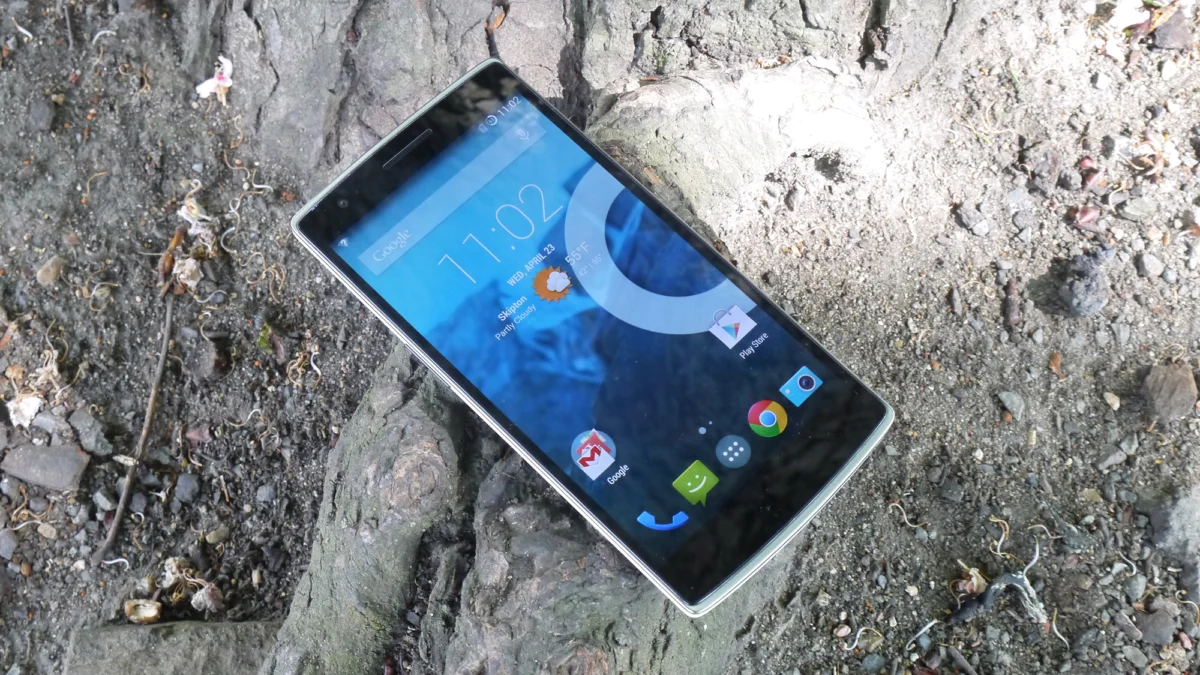
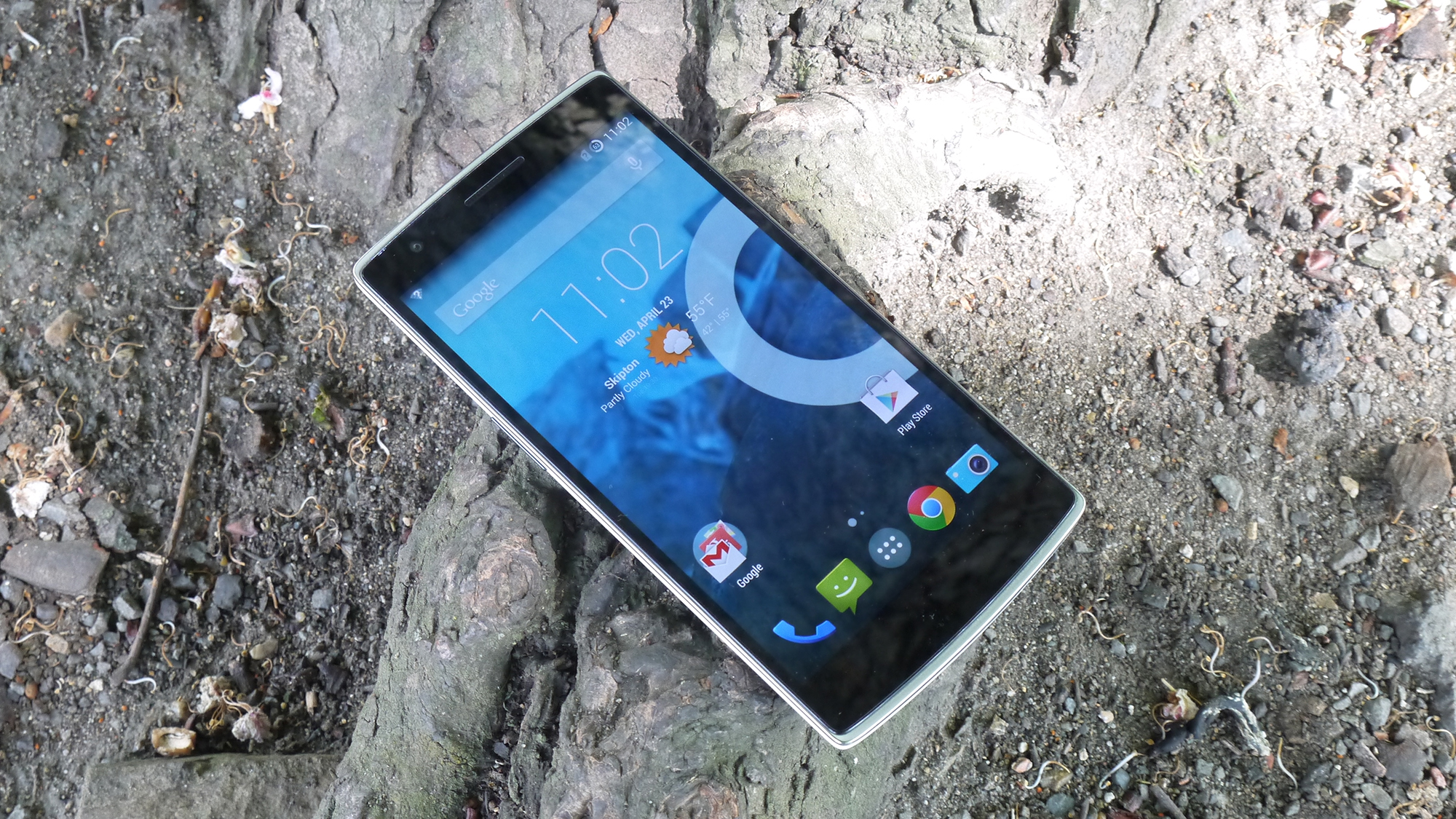
1. OnePlus One (2014): The Original Disruptor
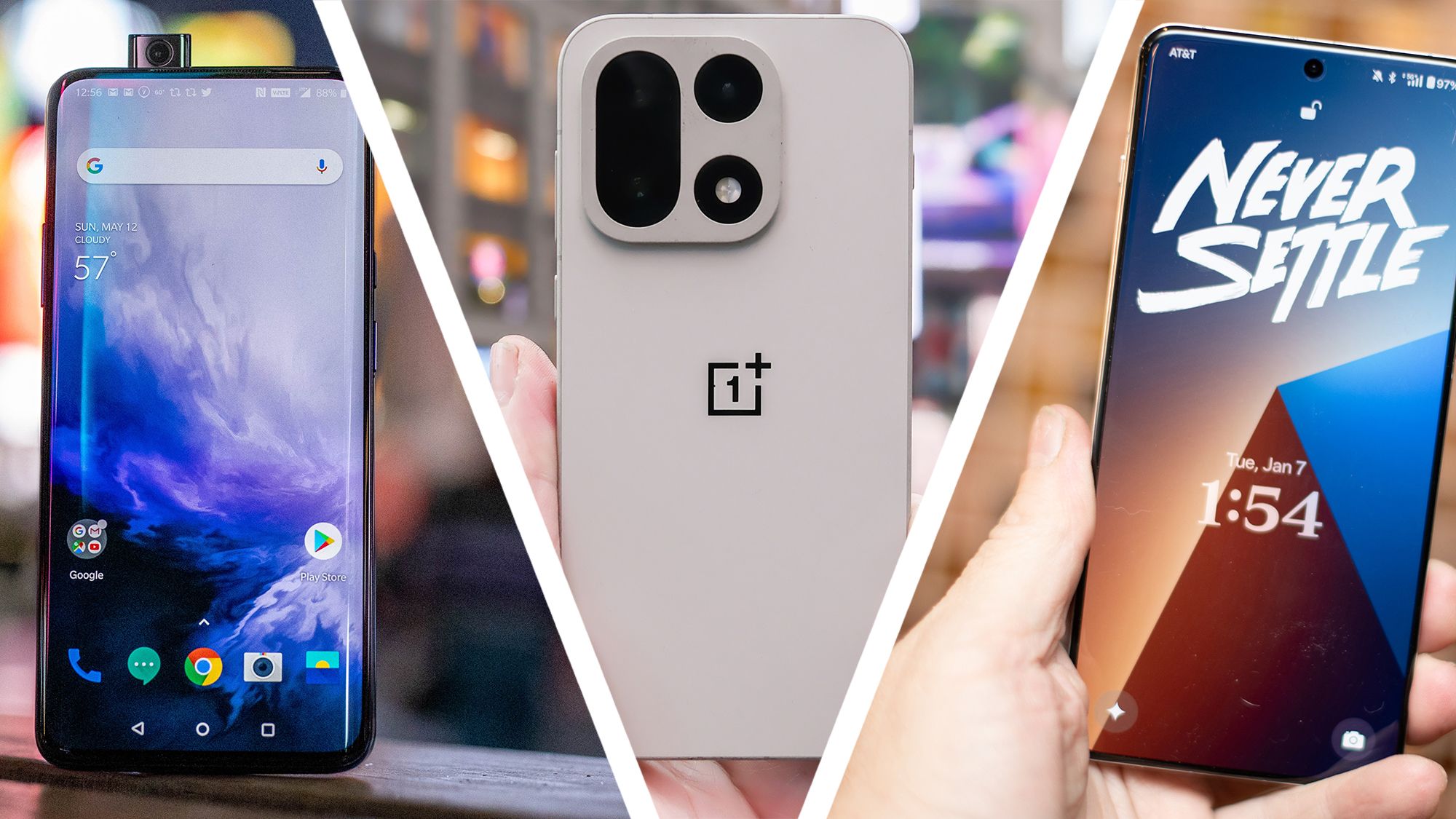
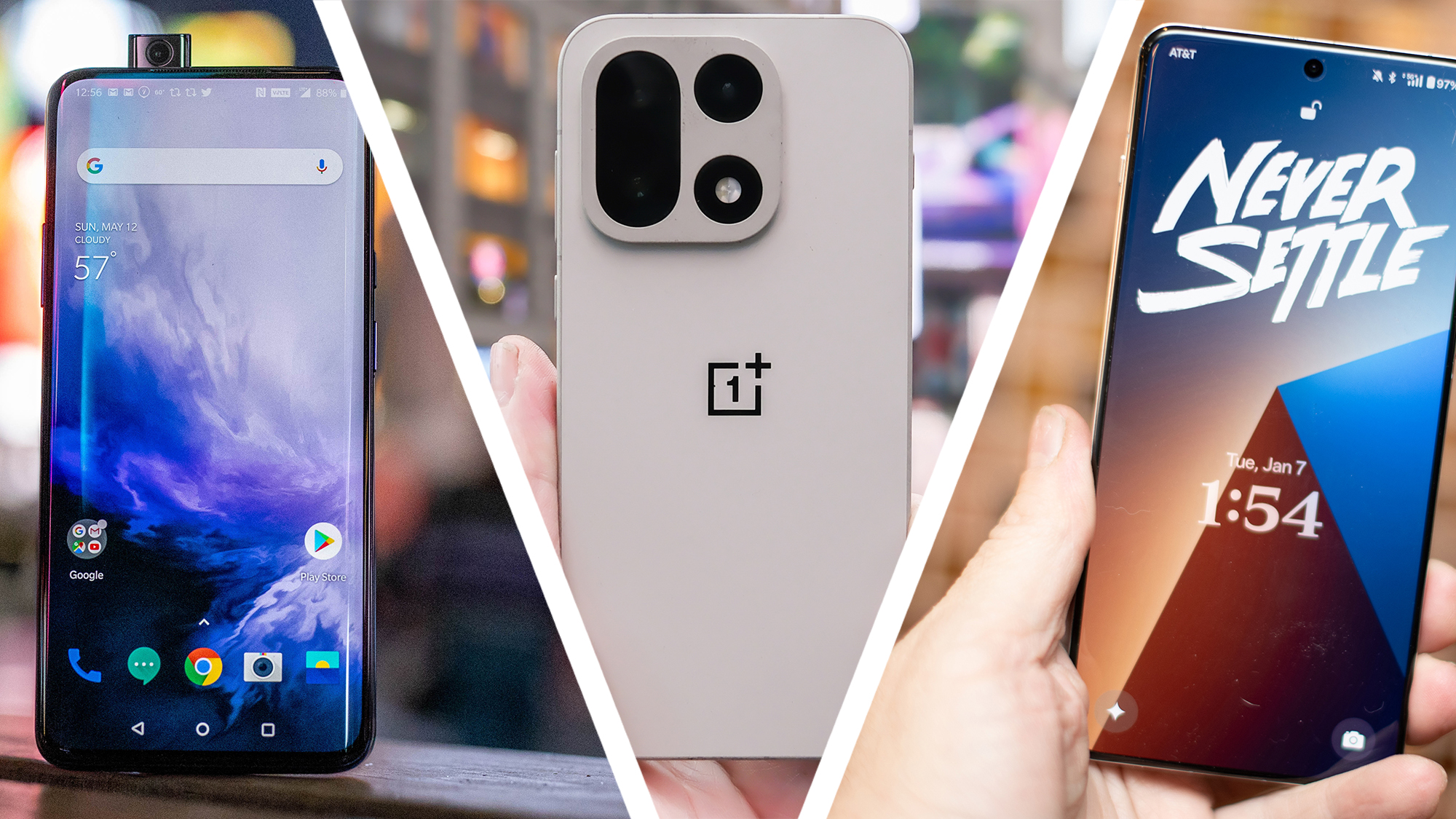
The OnePlus One was a lightning bolt in a stagnant industry. Priced at just $299, it featured the Snapdragon 801 chipset and 3GB of RAM—specs that were unheard of at that price point. It ran CyanogenMod, a community-driven version of Android that offered unprecedented customization. It wasn’t just a phone; it was a statement that the status quo could be challenged.
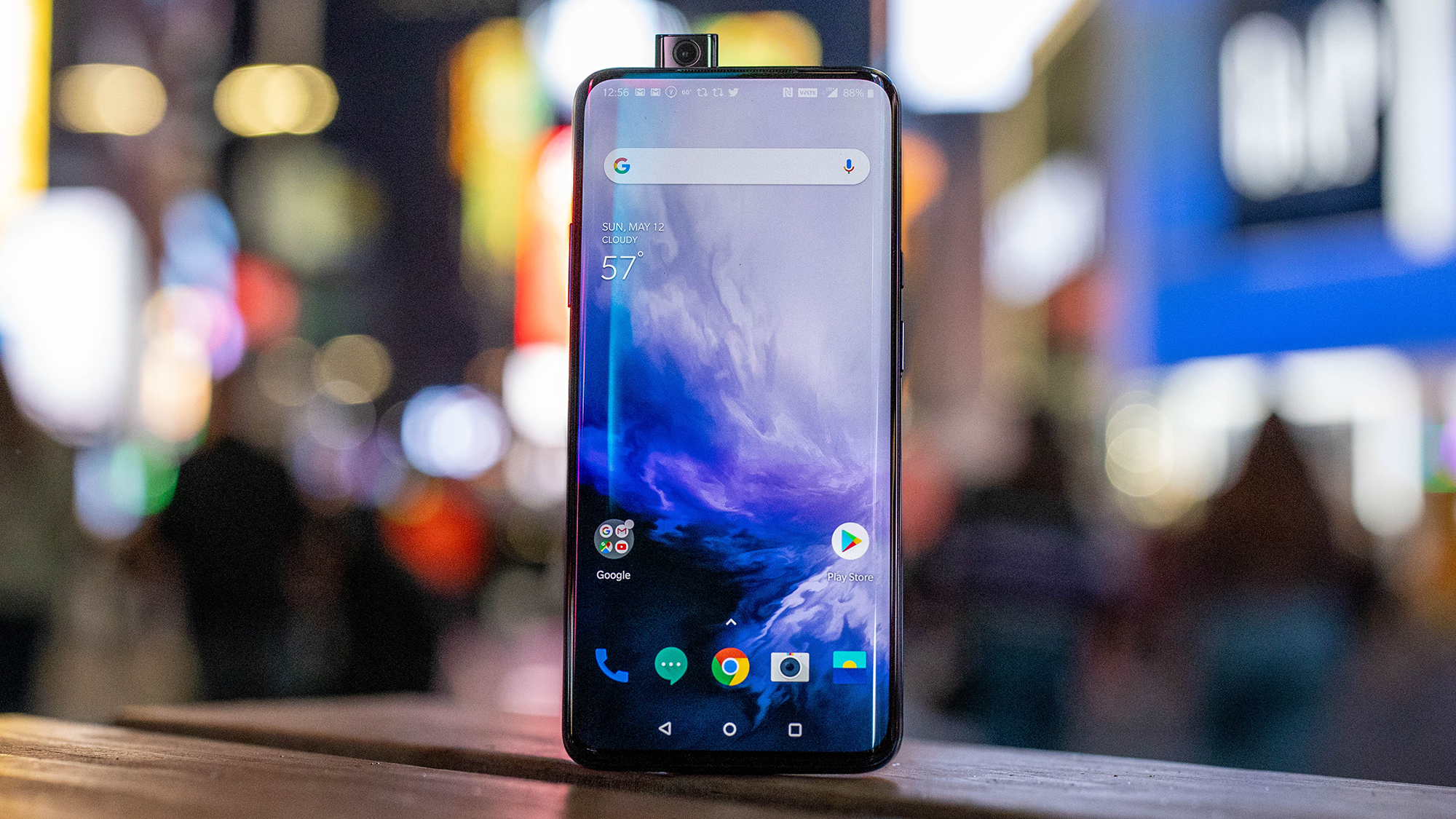
2. OnePlus 7 Pro (2019): The Peak of Innovation
The 7 Pro is often cited as the most beautiful phone OnePlus ever made. By utilizing a motorized pop-up selfie camera, OnePlus achieved a truly "all-screen" design with no notches or punch-holes. It was also one of the first mainstream devices to introduce a 90Hz Fluid AMOLED display, a feature that has since become a standard for the entire industry.
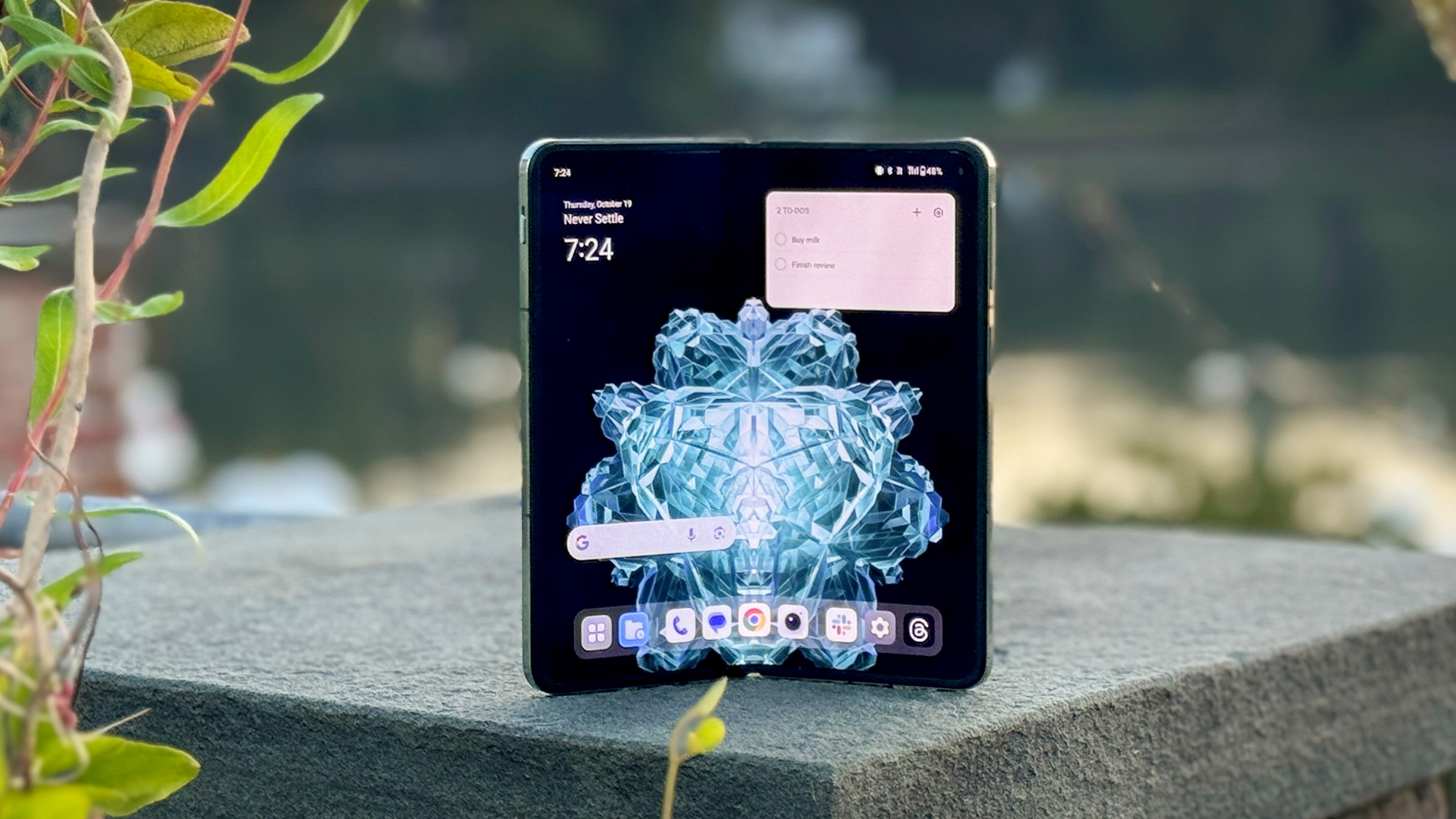
3. OnePlus Open (2023): Perfecting the Foldable
While Samsung pioneered the foldable market, many critics argue that OnePlus perfected it. The OnePlus Open solved the "crease" problem that plagued other foldables and offered a camera system that didn’t feel like a compromise. It was the first device to prove that a book-style foldable could be thin, light, and functionally superior to a standard flagship.
4. OnePlus 13 (2024): The Spec King
The OnePlus 13 was the moment the brand fully matured. With an IP69 durability rating and the Snapdragon 8 Elite processor, it was a hardware monster. Its 6,000 mAh battery set a new benchmark for endurance in the premium segment. However, its lack of presence in US carrier stores meant that even this "perfect" phone couldn’t reach the mass market.
5. OnePlus 15 (2025): The Final Masterpiece
As the swan song for the brand in the West, the OnePlus 15 earned a rare 5-star rating. It represented the total refinement of the OnePlus formula: lightning-fast charging, a world-class Hasselblad camera partnership, and software that was as smooth as silk. It serves as a bittersweet reminder of the quality the brand was capable of achieving just as it exits the stage.
Official Responses and Market Analysis
Oppo’s official stance remains focused on "resource optimization." In a statement regarding the withdrawal, a spokesperson noted, "The smartphone landscape has evolved significantly over the last decade. To ensure long-term sustainable growth, we are focusing our OnePlus operations on markets where we see the highest potential for brand synergy and volume."
The "volume" mentioned refers largely to India and Mainland China. In India, OnePlus remains a top-three premium brand with a massive, loyal following. By consolidating their efforts, Oppo can focus on the cutthroat competition in Asian markets without the massive overhead of maintaining a presence in the litigious and carrier-controlled Western markets.
Market analysts suggest that the exit was also accelerated by the "Nokia Patent Dispute" in Europe, which saw OnePlus and Oppo devices banned in Germany for a significant period. Although a settlement was eventually reached, the damage to the supply chain and brand visibility was significant.
Implications: A Less Competitive Future?
The departure of OnePlus from the US and Europe has several troubling implications for the consumer:
1. The Erosion of Choice
In the US, the market is increasingly becoming a duopoly between Apple and Samsung. While Google’s Pixel line has made strides, the loss of OnePlus removes a key "third option" that pushed the market leaders to innovate on charging speeds and display technology.
2. The Death of the "Enthusiast" Phone
OnePlus was the last major brand to cater specifically to "techies." Their phones were easy to root, had vibrant third-party developer communities, and offered "Pro" features at "Standard" prices. Without OnePlus, enthusiasts may find themselves forced to choose between the walled garden of iOS or the increasingly corporate feel of Samsung’s One UI.
3. A Shift to the East
This move signals a broader trend of Chinese manufacturers retreating from the West. As trade tensions and regulatory hurdles increase, we may see more brands like Xiaomi and Oppo decide that the US market is simply not worth the investment, leading to a "tech divide" where the most innovative hardware is only available in Eastern markets.
4. The Resale and Support Question
While OnePlus has promised support, the resale value of existing OnePlus devices is expected to plummet. Without a local presence or new models to keep the brand in the public consciousness, these devices will likely become "legacy" hardware much sooner than anticipated.
Conclusion: Never Settle, Until the End
The story of OnePlus is one of the most remarkable in modern technology. It is the story of a "scrappy underdog" that grew up, became a giant, and eventually realized that the world it helped build no longer had a place for it. For the fans who stood in line for hours to get an invite in 2014, and for the professional users who relied on their rapid charging and clean software in 2024, the exit of OnePlus is a significant loss.
The brand’s legacy will live on in the features we now take for granted—fast charging, high refresh rates, and the idea that a phone doesn’t have to cost $1,200 to be "pro." OnePlus may have finally "settled" in the West, but for a decade, they made the giants of the industry very, very uncomfortable. And for the consumer, that was the greatest gift of all.