
Tenby: A Strategic Seaside Escape Bringing Welsh Charm to Your Tabletop
MAIN FACTS
In an increasingly vibrant landscape of tabletop gaming, where players can journey from the medieval French countryside of Carcassonne to the bustling highways of Japan’s Tokaido or the mythical shores of Santorini, a new destination beckons. Prepare to add the picturesque Welsh seaside town of Tenby to your list of virtual holiday getaways, as a captivating new board game bearing its name promises to transport players to its charming streets and scenic vistas. Tenby, the debut title from designer Benjie Talbott and publisher Cosy Cub Games, is poised to become a standout in the drafting game genre, offering a blend of strategic depth, thoughtful decision-making, and undeniable visual appeal.
At its core, Tenby is a card-drafting game that challenges players to construct the most aesthetically pleasing and functionally optimized seaside town. However, it distinguishes itself with "clever mechanics" that elevate it beyond a simple drafting exercise, demanding "tricky decisions" from players at every turn. The game tasks participants with carefully placing various building types—terraces, piers, and landmarks—to not only create a beautiful tableau but also to fulfil a multitude of dynamic scoring conditions. These conditions are remarkably diverse, ranging from the number of seagulls perched on adjacent cards to the presence of whimsical clouds or the specific colours of neighbouring structures, ensuring a high degree of strategic flexibility and replayability.
Launched successfully on Kickstarter last year and slated for delivery in 2025, Tenby has already generated significant buzz. Our review of the "bumper Kickstarter edition" reveals a game that, despite its "chilled-out" facade, offers substantial strategic layers. The intuitive iconography, a hallmark of good game design, ensures that even younger players can grasp complex scoring rules, making it an accessible family game without sacrificing depth. With dedicated modes for family and solo play, Tenby presents a compelling package that promises broad appeal upon its retail release. Its RRP of £38 positions it as an attractive option for both casual players and seasoned board game enthusiasts looking for a fresh, engaging experience.
CHRONOLOGY
Inception and Development: A Welsh Inspiration Comes to Life
The journey of Tenby began with the vision of its designer, Benjie Talbott, and the establishment of Cosy Cub Games. While the specific genesis of the game isn’t detailed, it’s clear that the picturesque Welsh town of Tenby served as a profound source of inspiration. Tenby, renowned for its vibrant Georgian architecture, medieval walls, and stunning beaches, offers a rich tapestry of visual and thematic elements perfect for a board game. Talbott’s goal appears to have been to encapsulate the serene beauty and architectural charm of the town within a strategic, interactive experience.
The creation of Tenby likely involved a meticulous design process, balancing aesthetic considerations with mechanical innovation. Designing a drafting game that feels both fresh and intuitive is a significant challenge. Talbott’s focus on dynamic scoring conditions and a unique turn-order mechanism suggests a deep understanding of game design principles, aiming to provide players with meaningful choices rather than predetermined paths. Cosy Cub Games, as the publisher, would have played a crucial role in refining the game’s components, artwork, and overall production quality, ensuring that Talbott’s vision was translated into a tangible, high-quality product. Their commitment to quality is hinted at by the existence of a "bumper Kickstarter edition," often a sign of extra care and content for early supporters.
The Kickstarter Campaign: A Community’s Endorsement
The true public unveiling and validation of Tenby‘s concept came with its Kickstarter campaign. Launched sometime last year, the campaign successfully garnered the necessary funding, signaling strong community interest and confidence in the game’s potential. Kickstarter campaigns are not merely fundraising efforts; they are vital platforms for designers to connect with a passionate audience, gather feedback, and build anticipation. The success of Tenby‘s campaign underscores the appeal of its theme and mechanics, attracting backers eager to bring this slice of Welsh charm to their gaming tables.
The "bumper Kickstarter edition," which served as the basis for our review, suggests that backers received an enhanced version, potentially including exclusive content or upgraded components. This approach is common in crowdfunding, rewarding early supporters and generating excitement. The scheduled delivery in 2025 indicates the typical timeline for game development, production, and logistical distribution post-Kickstarter, building anticipation for its arrival. The success of the campaign acts as a significant milestone, transforming a design concept into a tangible product eagerly awaited by a global community of gamers.
Review and Anticipated Retail Release
With the Kickstarter phase complete and backers awaiting their copies, the review of Tenby arrives at a pivotal moment. Receiving a positive evaluation, especially for a debut title, is crucial for building momentum ahead of its wider retail release. The review serves as an early endorsement, informing potential buyers who missed the Kickstarter about the game’s quality and appeal.
The distinction between the Kickstarter edition and the forthcoming retail version is important. While the review is based on the "bumper" edition, the core gameplay and appeal are expected to be consistent across all versions. The call for readers to "keep your eyes peeled for it in stores" highlights the transition from a crowdfunded project to a commercially available product. This period is critical for Cosy Cub Games to leverage positive reviews and establish Tenby‘s presence in the competitive board game market, solidifying its place as a promising new entry in the family-friendly strategy genre.
SUPPORTING DATA
Gameplay Mechanics: A Deep Dive into Drafting and Strategic Placement
At its heart, Tenby is a card-drafting game, a popular mechanic where players select cards from a limited pool, often passing the remainder to the next player. This core loop creates immediate interaction and forces players to balance their own needs with denying opponents crucial cards. However, Tenby innovates significantly with its two-phase round structure: the Night Phase and the Day Phase, which introduces a captivating layer of strategic depth.
The Night Phase initiates a unique turn-order auction. Players, starting with the one on the lowest numbered Night card, place their player token on a chosen Day card, numbered one to sixteen. These Day cards are not merely action selectors; they are turn-order determinants for the next Night Phase. The crux of Tenby‘s cleverness lies here: lower-numbered Day cards grant fewer actions in the current Day Phase but secure an earlier turn in the subsequent Night Phase. Conversely, higher-numbered Day cards offer a bounty of actions—for example, a "number one card only lets you take a terrace action and gain a life ring (which can be spent to trigger extra actions)," while a "number 10 card enables you to take two terrace actions, gain a life ring and take a pier action."
This creates a compelling push-and-pull dynamic. Do players prioritize immediate gratification, taking more actions now but risking being last to choose in the next Night Phase, potentially leaving them with undesirable options? Or do they sacrifice immediate power for a better strategic position in the future, securing first pick of crucial cards or actions? This "great balancing act" is a distinguishing feature, preventing dominant strategies and encouraging adaptive play. The "life ring" tokens add another layer of tactical decision-making, allowing players to mitigate suboptimal choices or capitalize on opportune moments by triggering extra actions.
The objective during the Day Phase is to expand one’s personal tableau, representing their growing seaside town. Players strategically place different types of buildings—terraces, piers, and landmarks—along with resident cards. The scoring conditions are remarkably varied, preventing players from focusing on a single strategy. Points can be earned based on the number of "seagulls on adjacent cards," the presence of "clouds," or even the "colour of different buildings." This diversity ensures that players always have "plenty of decisions to make about which scoring method you choose to adopt." The clear, bold iconography used to mark these conditions is a significant boon, particularly for younger players, allowing them to instantly understand how their placements will score. For instance, a child can immediately grasp that a certain placement will "score one point for each seagull along a particular street." This accessibility, combined with strategic depth, is a rare and commendable achievement.
Art Direction and Thematic Immersion: Bringing Tenby to Life
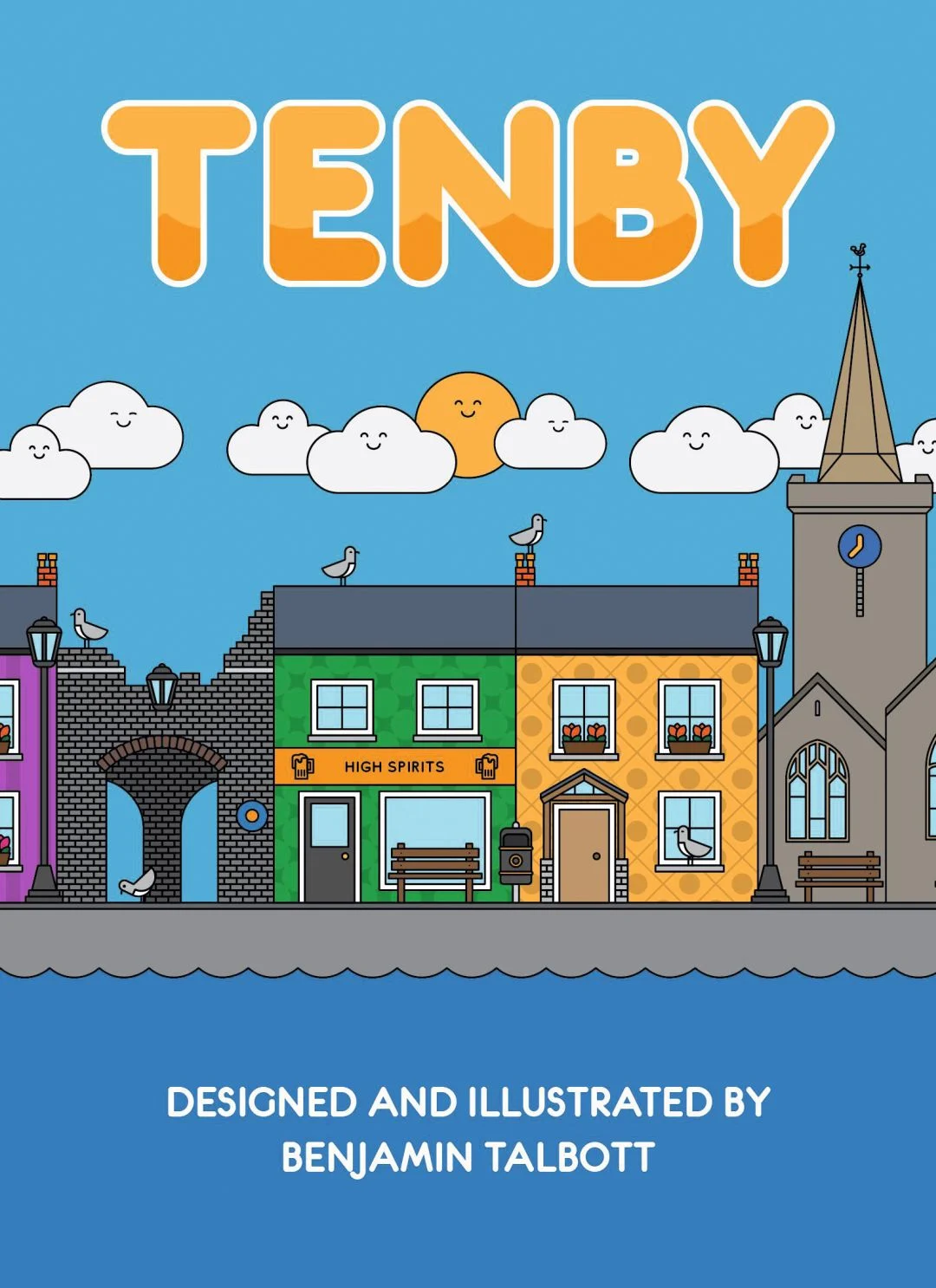
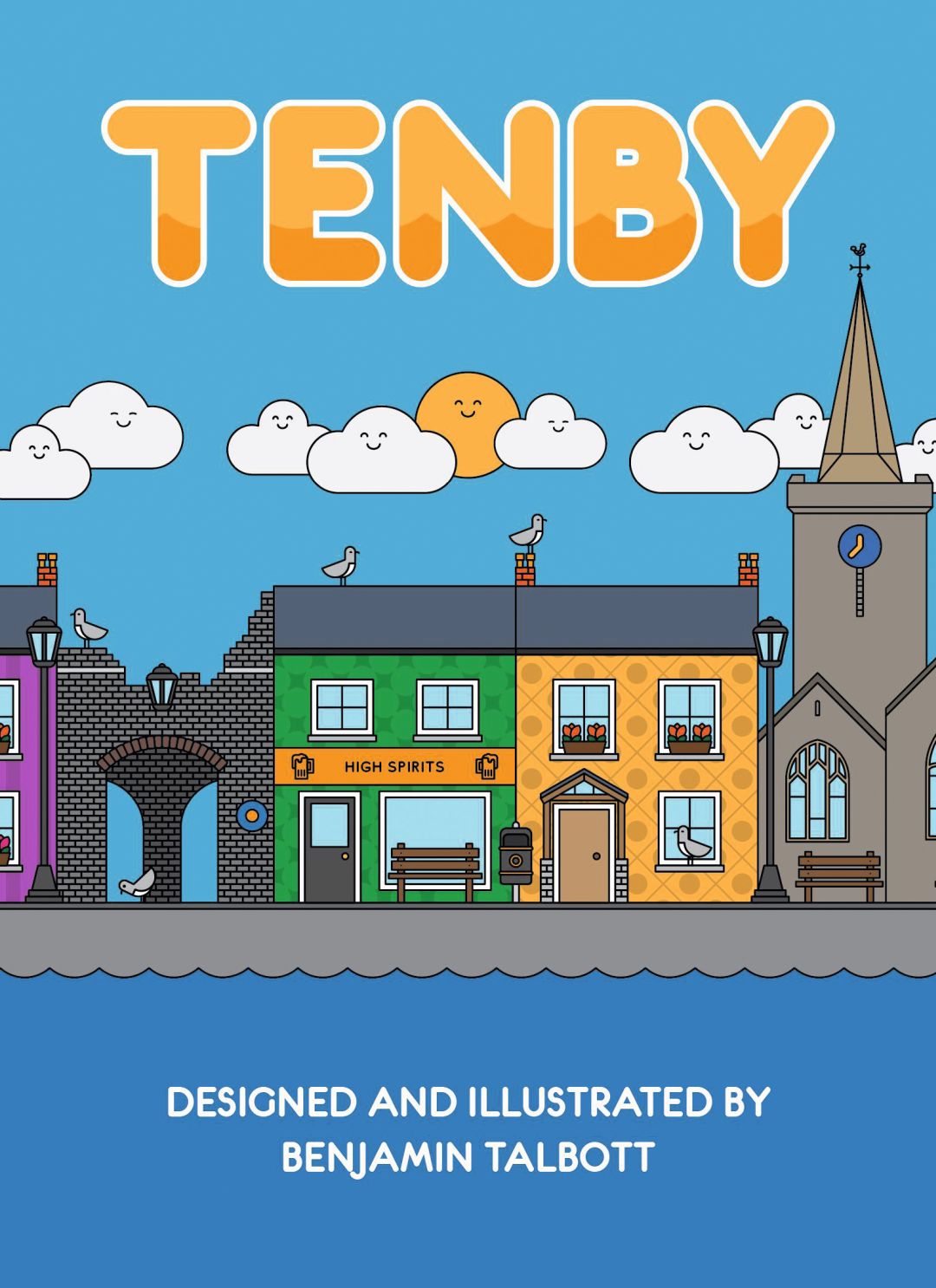
One of Tenby‘s most immediate appeals is its aesthetic. The game culminates in an "absolutely gorgeous-looking tableau of streets with brightly coloured buildings and clouds with little smiling faces on." This vibrant and inviting art style is crucial for thematic immersion, effectively transporting players to the cheerful, picturesque atmosphere of a Welsh seaside town. The colourful buildings evoke the distinctive architecture of Tenby itself, known for its pastel-hued houses overlooking the harbour.
The whimsical element of "smiling faces on clouds" adds a touch of lightheartedness, reinforcing the "chilled-out" nature of the game, even amidst its strategic challenges. This visual charm is not merely superficial; it enhances the overall player experience, making the act of building one’s town a genuinely enjoyable and satisfying process. The thematic consistency, from the game’s title to its artwork, contributes significantly to its appeal as a family-friendly title that can be appreciated by players of all ages.

Accessibility, Replayability, and Practical Considerations
Beyond its core mechanics and visuals, Tenby offers significant value through its dedicated family and solo play modes. These additions broaden the game’s appeal, allowing it to cater to different player counts and preferences, thereby increasing its overall utility and replay value. The family mode likely simplifies certain rules or scoring, making it even more approachable for younger children or those new to modern board games. The solo mode, often a highly requested feature, provides a challenging and engaging experience for players who wish to enjoy the game independently.
The diverse scoring conditions are also a major contributor to replayability. With so many avenues to earn points, players can experiment with different strategies across multiple plays, ensuring that no two games feel exactly alike. This variability, combined with the dynamic turn-order auction, means that players will constantly be adapting their plans to the cards available and their opponents’ choices.
However, the review also highlights a few practical considerations. Despite coming in a "small box," Tenby can demand "just how much table space" as players construct "very long streets" over 10 rounds. This is a common challenge for tableau-building games and something potential buyers should be aware of. Additionally, the "setup can be a little fiddly," though the reviewer assures that "once you get going, it plays very smoothly." These minor points are offset by the overall positive gameplay experience and the game’s inherent charm.
Component Analysis: A Comprehensive Package
The extensive list of components included in Tenby speaks to its depth and the richness of the gameplay experience it offers:
- 95 Terrace cards, 49 Pier cards, 18 Landmark cards: These represent the core building blocks of the town, offering a vast array of options for construction and scoring. The high count suggests significant variety and strategic choice.
- 47 Resident cards: These likely introduce unique scoring opportunities or abilities, adding another layer of complexity and personalization to each town.
- 5 Night cards, 16 Day cards: These are central to the innovative turn-order mechanism, providing the framework for strategic player interaction.
- 12 Anchor cards, 16 Compass cards: These components likely introduce additional scoring opportunities, mini-goals, or modifiers that keep the game fresh.
- 5 Start cards, 5 Player Aid cards, Solo Player aid card: Essential for smooth gameplay, especially for new players, and crucial for the solo experience.
- 16 Plain End cards: Potentially used for closing off streets or as visual fillers.
- Tracker card & counter, 5 Wooden player counters, 30 Wooden life ring tokens, 5 Score trackers: Standard but important components for managing game state, player turns, and scoring. The wooden tokens add a tactile quality.
- Score pad: A practical inclusion for tracking points across multiple games.
- Multiplayer rulebook, Solo mode rulebook, Family mode rulebook: The inclusion of separate rulebooks for different modes underscores the publisher’s commitment to clear instructions and catering to various play styles, enhancing accessibility and ease of learning.
This comprehensive component list suggests a well-thought-out and generously produced game, reflecting the care taken by Cosy Cub Games and Benjie Talbott to deliver a complete and engaging experience.
OFFICIAL RESPONSES
Designer’s Vision: Balancing Charm and Strategy
While direct quotes from Benjie Talbott are not provided in the original article, the game’s design clearly articulates his vision. The creation of Tenby appears to be driven by a desire to craft an accessible yet strategically engaging experience, deeply rooted in a beloved real-world location. Talbott’s design philosophy likely centered on:
- Thematic Integration: Capturing the essence of Tenby’s charm, its colourful architecture, and seaside atmosphere through vibrant artwork and thematic elements like seagulls and clouds.
- Innovative Mechanics: Moving beyond standard drafting by introducing the Night/Day phase turn-order mechanism, forcing players into interesting tactical dilemmas. This suggests an aim to contribute something novel to the genre.
- Player Accessibility: Ensuring the game is approachable for a wide audience, including families, through clear iconography, diverse scoring methods, and dedicated family rules, without sacrificing depth for experienced gamers.
- Replayability: Designing a system with multiple scoring paths and variable setups to ensure long-term engagement and fresh experiences with each play.
The review’s assertion that Tenby is a "chilled-out drafting game with some clever mechanics to ensure you have to make some tricky decisions" directly aligns with what one might infer as Talbott’s design goals: a game that feels relaxed on the surface but offers substantial strategic meat underneath.
Publisher’s Aims: Quality, Community, and Market Presence
Cosy Cub Games, as the publisher, has played a crucial role in bringing Talbott’s vision to fruition. Their aims likely include:

- High Production Value: The mention of a "bumper Kickstarter edition" and the comprehensive component list suggest a commitment to quality components and attractive artwork, crucial for standing out in a crowded market.
- Community Engagement: Leveraging platforms like Kickstarter to build a community around the game, gather feedback, and create anticipation, which is vital for a new publisher’s debut title.
- Broad Market Appeal: Positioning Tenby as a game suitable for a wide demographic, from casual family gamers to more dedicated enthusiasts, by offering varied play modes (solo, family, multiplayer) and an accessible rule set.
- Establishing a Brand: As their first game, Tenby represents Cosy Cub Games’ entry into the industry. Its success is pivotal for establishing their reputation for producing engaging and well-designed board games.
The successful Kickstarter campaign and the positive early review indicate that Cosy Cub Games is effectively achieving these aims, setting a strong foundation for their future endeavours.
IMPLICATIONS
Impact on the Board Game Landscape: A Fresh Take on Drafting
Tenby enters a board game market saturated with drafting and tableau-building games. Its primary implication for the landscape is its unique Night Phase/Day Phase turn-order mechanism. This innovative twist on player initiative sets it apart from many contemporaries, including its comparison game, Kingdomino, which also plays with turn structure but in a different manner. By forcing players to constantly weigh immediate gains against future positioning, Tenby introduces a layer of tactical depth that could influence future game designs in the genre. It demonstrates that even established mechanics can be re-imagined to create novel strategic puzzles.
Furthermore, Tenby contributes to the growing trend of board games inspired by real-world locations, offering a thematic journey alongside strategic play. This trend helps to diversify the themes available and can introduce players to geographical and cultural elements they might not otherwise encounter. The game’s success could encourage more designers to draw inspiration from local landmarks and towns, enriching the thematic variety within the hobby.
Challenges and Considerations for Players
While largely positive, the review highlights two practical considerations for players:
- Table Space: The game’s tendency to produce "very long streets" over its 10 rounds means that players need to allocate "just how much table space" for a comfortable experience. This is a common issue for tableau builders, but it’s an important point for potential buyers, especially those with smaller gaming areas.
- Initial Setup Fiddliness: The "fiddly" setup, though followed by smooth gameplay, could be a minor barrier for new players or those looking for an immediate dive into the action. However, this is often a one-time learning curve that diminishes with repeated plays.
These challenges are not deterrents but rather points of awareness. Players can mitigate table space issues by planning their layout or even using modular components to keep streets more compact. The setup fiddliness is likely a small price to pay for the strategic depth and visual appeal the game offers.
Future Prospects: Growth for Designer and Publisher
The positive reception of Tenby carries significant implications for both Benjie Talbott and Cosy Cub Games. For Talbott, it marks a successful debut, establishing him as a designer capable of creating engaging and innovative games. This success could pave the way for future designs, potentially building on the mechanics introduced in Tenby or exploring entirely new concepts.
For Cosy Cub Games, Tenby‘s positive trajectory means a strong start in the competitive publishing world. A successful first title can provide the capital, reputation, and experience necessary to expand their catalogue, attract new talent, and invest in future projects. The game’s appeal to both family and solo players, combined with its strategic depth, positions Cosy Cub Games as a publisher committed to creating accessible yet meaningful gaming experiences. Should Tenby achieve commercial success in retail, it could become a staple for many gaming groups and families, ensuring a bright future for this charming Welsh-inspired board game and its creators. Its potential to become a "gateway game" – an entry point for newcomers to the hobby – is also a significant implication, contributing to the continued growth and diversification of the tabletop gaming community.




Leave a Comment