The Platform Paradox: Decoding Activision Blizzard’s Revenue Streams Amidst the Microsoft Acquisition
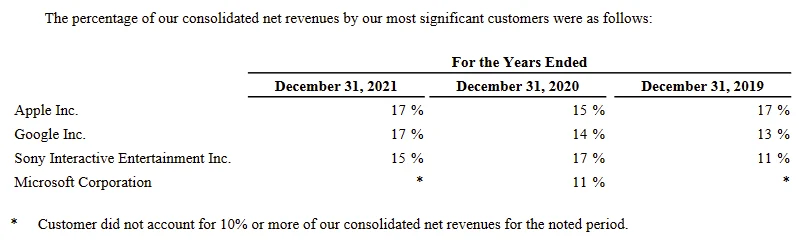
The global gaming landscape was fundamentally altered in January 2022 when Microsoft announced its intent to acquire Activision Blizzard for a staggering $68.7 billion. While the headlines focused on the potential exclusivity of blockbuster franchises like Call of Duty, a deeper dive into Activision Blizzard’s internal financial reporting reveals a more complex reality. Contrary to the popular narrative of a "console war" centered on Xbox and PlayStation, the company’s 2021 annual report highlights a diversified revenue ecosystem where mobile platforms and direct-to-consumer services play a far more dominant role than traditional gaming hardware.
As the industry moves toward a future defined by cross-platform play and subscription models, the financial data suggests that Microsoft’s acquisition is less about bolstering the Xbox console and more about securing a foothold in the lucrative mobile and live-service markets.
Main Facts: The Surprising Revenue Split
According to Activision Blizzard’s 2021 annual report, the company’s dependence on traditional console platforms is significantly lower than many industry analysts initially presumed. A critical analysis of the revenue by platform reveals a hierarchy that challenges the "Big Two" console narrative:
- The Mobile Dominance: The two primary mobile platforms—Apple’s App Store and the Google Play Store—accounted for approximately one-third (33%) of Activision Blizzard’s total revenue. This is largely driven by King (the makers of Candy Crush) and the successful mobile transition of Call of Duty: Mobile.
- Sony Outpaces Microsoft: Despite Microsoft being the suitor in the acquisition, Sony’s PlayStation platform contributed a larger share of Activision Blizzard’s revenue than Microsoft’s Xbox. While Sony accounted for more than 10% of the total revenue, Microsoft’s contribution sat below the 10% threshold required for individual disclosure in the report.
- The "Hidden" 43%: Perhaps the most striking revelation is that nearly 43% of the company’s revenue comes from sources outside the "Big Four" (Apple, Google, Sony, and Microsoft). This segment includes Nintendo, PC platforms like Steam and Battle.net, advertising revenue, and direct-to-consumer subscriptions, most notably Blizzard’s World of Warcraft.
- Consoles in Decline? When excluding PC and mobile, traditional consoles represent only about one-third of the company’s total revenue. This marks a seismic shift from a decade ago, when console retail sales were the primary engine of growth for the publisher.
Chronology: From Indie Powerhouse to Trillion-Dollar Target
To understand how Activision Blizzard reached this financial configuration, one must look at the strategic pivots made over the last decade.
- 2012–2015: The Mobile Pivot: Recognizing the limitations of the console cycle, Activision Blizzard began aggressive expansion into mobile. The acquisition of King Digital Entertainment in 2016 for $5.9 billion was the turning point, instantly making mobile a pillar of the company’s balance sheet.
- 2019–2020: The Live-Service Explosion: The launch of Call of Duty: Warzone and Call of Duty: Mobile transformed the franchise from a premium annual release into a "platform" that generates consistent microtransaction revenue across PC, console, and mobile.
- January 2022: The Microsoft Announcement: Microsoft announced its all-cash bid to acquire the company. The move was immediately met with scrutiny from global regulators, including the U.S. Federal Trade Commission (FTC), the UK’s Competition and Markets Authority (CMA), and the European Commission.
- August 2022: Regulatory Friction: By late summer 2022, the narrative shifted toward antitrust concerns. Regulators began investigating whether Microsoft would withhold Call of Duty from Sony’s PlayStation, potentially crippling its primary competitor. However, the 2021 revenue data suggested that such a move would be financially masochistic for Microsoft, as Sony remains a vital revenue driver for the Activision portfolio.
Supporting Data: A Deep Dive into the 2021 Financials
The 2021 annual report provides a granular look at how the "Platform Paradox" manifests. In 2020, the combined revenue from the four main platforms (Apple, Google, Sony, and Microsoft) represented 57% of Activision Blizzard’s total income. By 2021, while these platforms remained essential, the diversification into other areas became more pronounced.
The Power of King and Mobile
The mobile segment is the "unsung hero" of the Activision Blizzard balance sheet. In 2021, King reported $2.58 billion in revenue, almost entirely from mobile. When combined with Call of Duty: Mobile (published in partnership with TiMi Studio Group) and Blizzard’s Diablo Immortal, the mobile share becomes the largest single segment of the company. For Microsoft, acquiring Activision Blizzard is the fastest route to becoming a mobile gaming titan, bypassing the years of development required to build a mobile audience from scratch.

The Role of Battle.net and Direct-to-Consumer
Blizzard Entertainment’s ecosystem, centered on the Battle.net launcher, allows the company to bypass the 30% "platform tax" typically charged by Sony, Microsoft, Apple, and Google for digital sales. Revenue from World of Warcraft subscriptions and Overwatch microtransactions on PC goes directly to the company’s bottom line. This high-margin revenue is a key reason why the "Other" category (43% of revenue) is so vital to the company’s valuation.
Nintendo’s Niche Position
The data suggests that Nintendo accounts for less than 10% of Activision Blizzard’s revenue. This is primarily due to the technical limitations of the Nintendo Switch, which cannot run the high-fidelity Call of Duty titles that drive the majority of the publisher’s console income. This lack of presence on Nintendo’s hardware was a key argument used by Microsoft to suggest that the acquisition would actually increase competition by bringing Call of Duty to more platforms.
Official Responses: Navigating the Antitrust Storm
The release of these financial figures sparked a series of defensive and offensive maneuvers from the key players involved.
Microsoft’s Defense
Microsoft Gaming CEO Phil Spencer has repeatedly asserted that the company has no intention of pulling Call of Duty from PlayStation. "Sony is a vital partner," Spencer noted in various press briefings. The financial data backs this up: walking away from the Sony revenue stream (which is larger than the Xbox revenue stream for Activision) would make the $68.7 billion price tag nearly impossible to justify to shareholders. Microsoft’s strategy is "omni-channel," aiming to put Game Pass on every screen possible rather than locking content to a single plastic box.
Sony’s Opposition
Sony Interactive Entertainment CEO Jim Ryan has been the most vocal critic of the deal. In filings to regulators, Sony argued that Call of Duty is an "essential" franchise that influences console choice. Sony’s concern is not just the loss of the 30% cut they take from Activision sales, but the potential for Microsoft to offer "better" versions of the game or day-one access on Game Pass, making the PlayStation version less attractive.
The FTC’s Stance
Under the leadership of Chair Lina Khan, the FTC has adopted a more aggressive approach to big-tech mergers. The FTC’s review of the deal has moved beyond the traditional "consumer harm" metric (which usually focuses on whether prices will rise) to look at "vertical foreclosure." This theory suggests that even if Microsoft keeps games on PlayStation, they could use their control over the content to disadvantage rivals in the emerging cloud-gaming and subscription markets.

Implications: The End of the Console-Centric Era
The financial reality of Activision Blizzard signals a broader shift in the interactive entertainment industry. The "Console Wars" of the 1990s and 2000s are being replaced by a "Platform War" that is far more expansive.
1. The De-prioritization of Hardware
For Microsoft, the goal is no longer to outsell the PlayStation 5. Instead, the goal is to own the content that people play, regardless of where they play it. By owning Activision Blizzard, Microsoft becomes a landlord in the gaming space, collecting "rent" from players on mobile, PC, and even rival consoles.
2. The Rise of the Subscription Economy
The 10% revenue figure for Microsoft is exactly what they want to change. By moving Activision’s massive catalog—including Diablo, StarCraft, and Call of Duty—onto Xbox Game Pass, Microsoft aims to convert one-time purchasers into recurring subscribers. This shift from transactional revenue to predictable subscription revenue is the ultimate goal of the acquisition.
3. Regulatory Precedents
The FTC’s focus on this deal will set the tone for future acquisitions in the tech sector. If the deal is approved with significant concessions (such as 10-year guaranteed access for Sony and Nintendo), it could create a blueprint for how "Mega-Publishers" operate in a multi-platform world. If it is blocked, it may signal the end of the consolidation era in gaming.
4. The Mobile Frontier
Finally, the data reinforces that the future of gaming growth is in the pocket. With Apple and Google currently controlling the gateways to mobile gaming, Microsoft’s acquisition of King provides them with the leverage to potentially launch their own mobile gaming store, challenging the current duopoly.
In conclusion, the Activision Blizzard 2021 annual report serves as a reality check for those who still view the gaming industry through the lens of console exclusivity. The company is a diversified digital powerhouse where mobile is king, PC is a high-margin stronghold, and Sony is—ironically—a more significant revenue partner than its prospective owner. As Microsoft moves to close the deal, these numbers will remain the North Star for regulators and strategists alike, defining the next decade of digital play.