Beyond the Postcard: Vermont Unveils Bold ‘State of Inspiration’ Brand Identity to Redefine Global Tourism
MONTPELIER, VT – For decades, the image of Vermont has been etched into the global consciousness as a series of serene, almost frozen-in-time vignettes: fiery orange maples reflected in still ponds, white-steepled churches nestled in snowy valleys, and the ubiquitous amber glow of maple syrup. While this "nostalgic postcard" imagery has served the state well, a comprehensive new data-driven initiative suggests that "charm" alone is no longer enough to convert admirers into visitors.
In a landmark move to modernize its appeal and bridge the gap between perception and participation, Vermont Tourism has partnered with the internationally acclaimed place-branding agency DNCO to launch the state’s first-ever dedicated tourism brand. Operating under the evocative new tagline, “State of Inspiration,” the comprehensive identity system seeks to peel back the layers of the Green Mountain State, revealing a dynamic, creative, and innovative destination that offers far more than its traditional pastoral reputation suggests.
Main Facts: A Strategic Pivot for the Green Mountain State
The launch of "State of Inspiration" marks a significant departure from fragmented marketing efforts of the past. For the first time, Vermont possesses a unified visual and narrative language designed specifically to compete on a global stage. The project, led by London and New York-based agency DNCO, is the result of a multi-year effort to synchronize the state’s rich heritage with its contemporary reality.
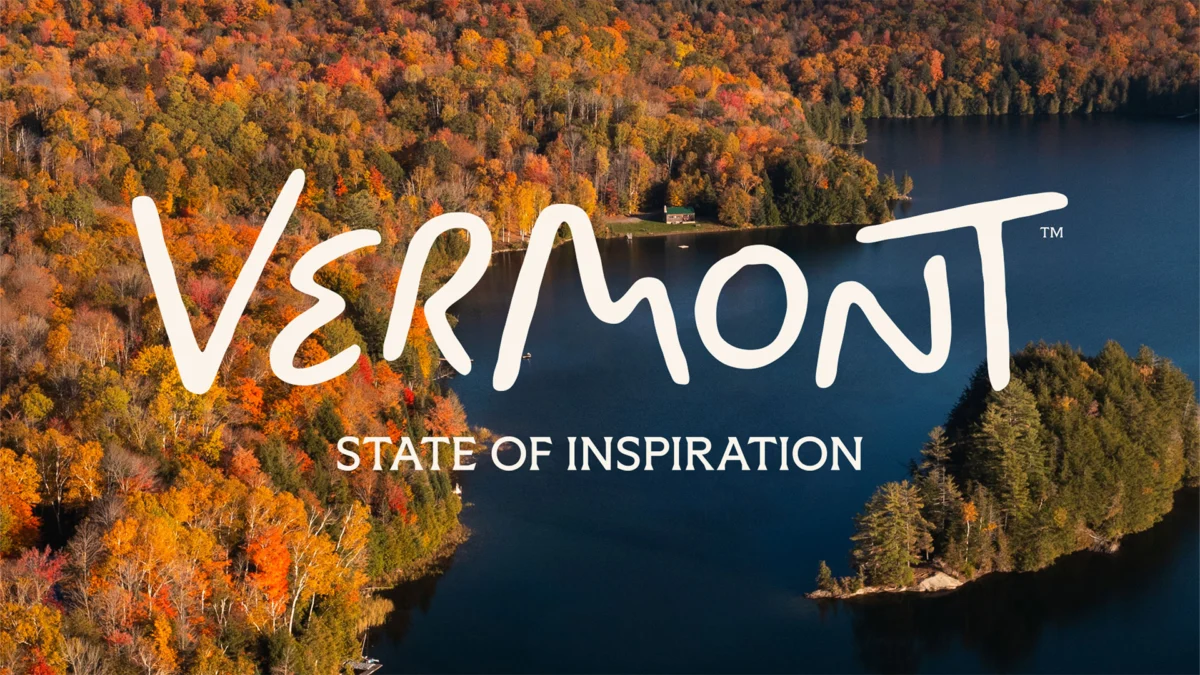
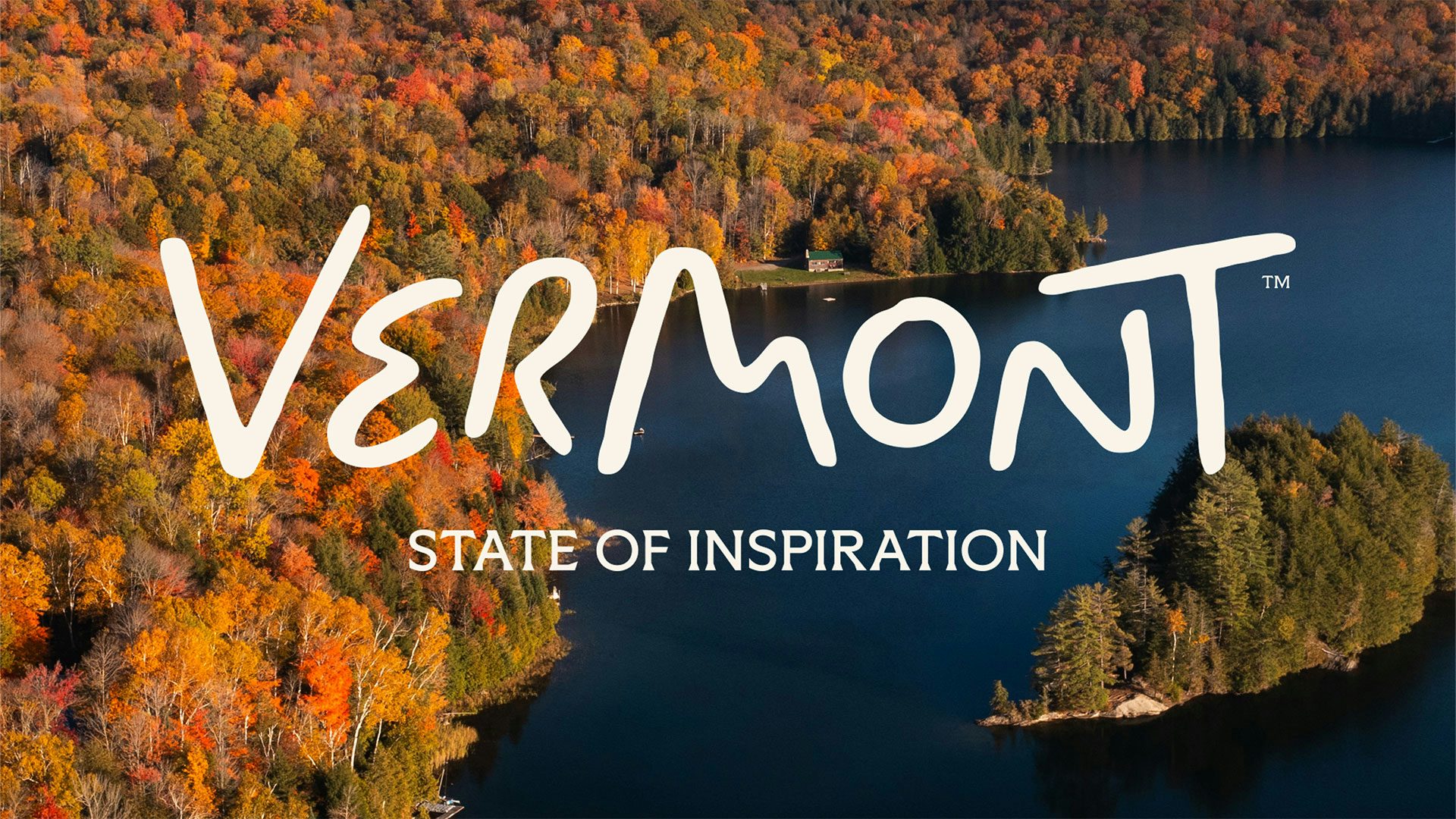
The core of the new brand identity is a hand-lettered "Vermont" wordmark that integrates the state’s physical geography into its very typography. Beyond the logo, the brand encompasses a custom icon library, a curated photographic style, and a distinct "cheeky" tone of voice that challenges the quiet, reserved stereotypes often associated with New England.
The primary objectives of the "State of Inspiration" campaign are three-fold:
- Increase Visibility: Elevate Vermont’s profile in competitive domestic and international markets.
- Drive Conversion: Turn "passive admirers" who appreciate Vermont’s beauty from afar into "active visitors" who book stays and engage with the local economy.
- Broaden the Narrative: Showcase Vermont as a hub for innovation, culinary excellence, and artistic density, moving beyond the seasonal "leaf-peeping" window.
Chronology: From Research to Reveal
The development of the "State of Inspiration" brand was not an overnight creative spark but rather a methodical process rooted in deep ethnographic and market research.
Phase 1: Identifying the "Charm Gap"
The process began with a sobering look at consumer data. While Vermont enjoyed high "likability" scores, those scores were not translating into tourism revenue at the expected rate. Researchers found that while the state was perceived as "charming," potential travelers lacked a "compelling reason to act." The identity was seen as static—a place to look at, rather than a place to do things in.
Phase 2: Immersive Discovery
DNCO’s team spent months traversing the state, conducting extensive interviews with local business owners, artisans, farmers, and residents. This phase was crucial in identifying the "authentic Vermont"—the one that exists outside the tourist brochures. They discovered a state with the highest concentration of artists and writers per capita in the United States and a community that had pioneered the farm-to-table movement decades before it became a culinary buzzword.
Phase 3: Creative Synthesis and Collaboration
In mid-2023, the creative phase began. DNCO focused on "hand-crafted" elements to mirror Vermont’s maker culture. This led to the commissioning of local artist Alyssa McCabe to ensure the brand felt "of the place" rather than "applied to the place." The team worked to integrate folklore, such as the Lake Champlain monster "Champ," into the professional branding—a move that signaled a shift toward a more playful and authentic personality.
Phase 4: The 2024 Launch
The brand was officially unveiled to the public through a series of cinematic films and digital activations. The rollout includes a comprehensive toolkit for local businesses and regional tourism boards, ensuring that the "State of Inspiration" message is consistent from the largest ski resorts to the smallest roadside farm stands.
Supporting Data: The Economics of Inspiration
The strategic necessity for this rebranding is underscored by a critical disparity in consumer behavior. Luis Mendoza, Managing Director of DNCO, highlighted a pivotal statistic that served as the project’s North Star: 79% of surveyed individuals described Vermont as "charming," yet only 15% were actually booking trips.
"Charm isn’t the problem," Mendoza explained. "The problem was that the story wasn’t giving people a clear reason to go. Our job was to close that gap and move beyond the nostalgic postcard to reveal the layers of Vermont, a place that offers much more than people might expect."
To bridge this 64-point gap, the brand leverages Vermont’s unique socio-economic strengths:
- Creative Density: Vermont’s status as a haven for writers and artists provides a foundation for "cultural tourism," a sector that typically sees higher spending per visitor than general leisure travel.
- Innovation Economy: By highlighting the state’s growing culture of entrepreneurship, the brand targets "digital nomads" and business travelers who may previously have overlooked the state.
- Culinary Heritage: With the highest number of craft breweries per capita and a deeply rooted organic farming tradition, the brand leans into "terroir-based" tourism to attract affluent food enthusiasts.
Official Responses: A Unified Vision for the Future
The reception from state officials and the creative leads has been one of optimistic resolve. The brand is viewed not just as a marketing tool, but as a mirror held up to the community.
Heather Pelham, Commissioner of the Vermont Department of Tourism and Marketing, emphasized the authenticity of the new direction. "When our visitors look for things to do or places to stay and eat, it’s the people and terroir of Vermont that deliver a unique and magical experience," Pelham stated. "This new brand feels true to who we are as Vermonters, while giving us a clearer story to share, inviting more people locally and globally to come and experience the inspiration that can be found here."
The creative team at DNCO echoed this sentiment, noting that the visual elements were designed to be "living" parts of the Vermont landscape. The hand-lettered wordmark, for instance, features an ‘e’ that mimics a winding mountain road, an ‘m’ that traces the silhouette of the Green Mountains, and an ‘o’ representing the moon rising over iconic peaks like Mount Mansfield and Camel’s Hump.
Mendoza added that the brand aims to capture the "state of mind" that Vermont induces. "It’s about that feeling of clarity and creativity you get when you step into these landscapes. It’s not just a place; it’s a catalyst for new ideas."
Design Deep Dive: The Visual and Verbal Language
The "State of Inspiration" brand is built on three primary pillars: Typography, Iconography, and Voice.

1. Typography and the Wordmark
The "Vermont" wordmark is a masterclass in place-based design. Eschewing standard corporate fonts, DNCO opted for a hand-lettered approach that pays homage to the hand-painted signage found on barns and general stores throughout the state. This "human-centric" design reflects the state’s rejection of mass-produced, cookie-cutter aesthetics.
2. The Icon Library by Alyssa McCabe
In a move to ground the brand in local culture, DNCO partnered with Vermont artist Alyssa McCabe. She developed a custom icon library that draws inspiration from typographic ornaments found in historical books by Vermont authors. These icons include:
- The Folklore: "Champ," the legendary monster of Lake Champlain, adding a touch of mystery and local pride.
- The Flora and Fauna: Detailed sketches of cows, birds, and maple leaves.
- The Lifestyle: Icons of barns, pies, and skis that represent the tangible experiences of a Vermont visit.
3. A Cheeky Tone of Voice
Perhaps the most surprising element of the rebrand is its "confident, cheeky" tone of voice. The copy moves away from flowery, adjective-heavy prose toward a dry, witty style that reflects the famous "Yankee" sensibility.
- An image of an ice skater is captioned: "Our rinks are all natural."
- A photograph of a farm-fresh meal reads: "Farm to table. We just call it dinner."
This approach positions Vermont as a place that is self-assured and unimpressed by trends, having lived the "authentic" lifestyle long before it was fashionable.
Implications: Changing the Map of New England Tourism
The launch of "State of Inspiration" has far-reaching implications for the region’s economic landscape. By positioning Vermont as a year-round hub for creativity and innovation, the state is effectively attempting to "de-seasonalize" its tourism industry.
Economic Resilience
Historically, Vermont’s tourism economy has been heavily dependent on two windows: the autumn foliage season and the winter ski season. Climate change and unpredictable weather patterns have made this reliance risky. By emphasizing "inspiration"—an evergreen commodity—the state can attract visitors for workshops, retreats, culinary tours, and artistic festivals during the "mud season" and summer months.
Competition for the "Experience Economy"
As modern travelers increasingly prioritize "authentic experiences" over traditional sightseeing, Vermont’s new brand places it at the forefront of the experience economy. It moves the state into direct competition not just with neighboring New Hampshire or Maine, but with international destinations like Iceland or New Zealand, which have successfully branded their rugged landscapes as transformative spaces.
Attracting Talent
Beyond tourism, the "State of Inspiration" brand serves as a powerful recruitment tool. By showcasing a modern, innovative Vermont, the state hopes to attract young professionals and entrepreneurs who are looking for a high quality of life paired with a vibrant creative community.
In conclusion, the "State of Inspiration" identity is a bold bet on the future of the Green Mountain State. It acknowledges that while Vermont’s beauty is timeless, the way that beauty is communicated must evolve. By trading the "nostalgic postcard" for a "living narrative," Vermont is not just inviting people to look—it is inviting them to be transformed.