
The Architect of Atmosphere: How Marc Zimmermann is Redefining VR through Emotional Immersion
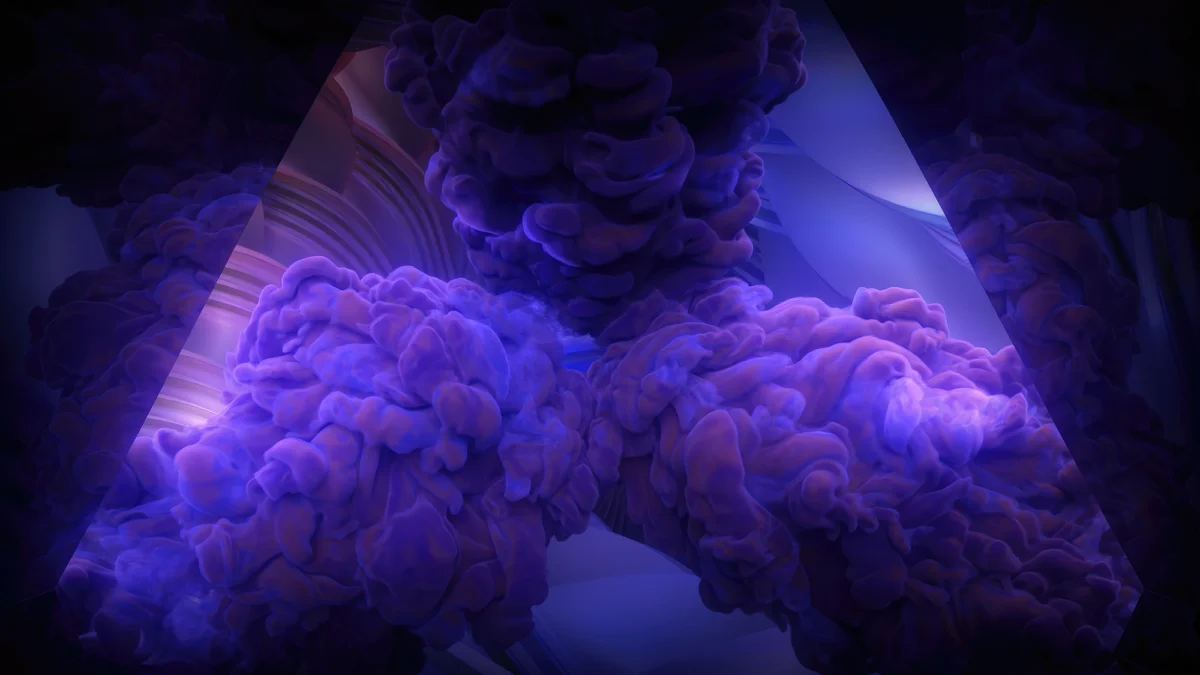
In the rapidly evolving landscape of virtual reality, the industry has largely converged on a singular definition of success: high-fidelity interactivity, complex gameplay loops, and social connectivity. However, a parallel movement is quietly gaining momentum—one that prioritizes the internal state of the user over the external mechanics of the software. At the forefront of this movement is Marc Zimmermann, a German filmmaker and environmental artist whose work challenges the notion that VR must be a "game" to be impactful.
Through his flagship projects, including the award-winning Conscious Existence and the highly customizable meditation platform Realms of Flow, Zimmermann has spent nearly a decade exploring "atmospheric immersion." His philosophy posits that VR’s greatest strength is not the ability to do anything, but the ability to be anywhere—and the profound emotional resonance that comes from simply existing in a meticulously crafted digital space.
Main Facts: The Philosophy of Non-Interactive Presence
Marc Zimmermann’s approach to virtual reality is rooted in his background as a visual effects (VFX) artist. Unlike many developers who come from a computer science or game design background, Zimmermann views the VR headset as a portal for "environmental cinema."
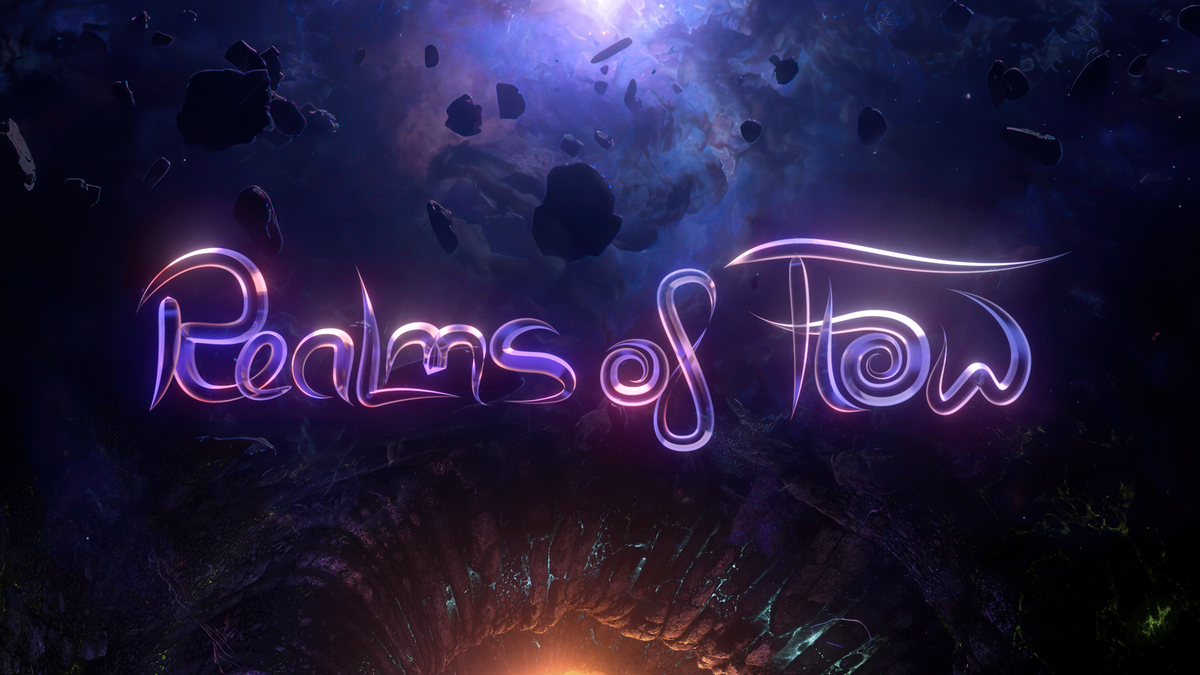
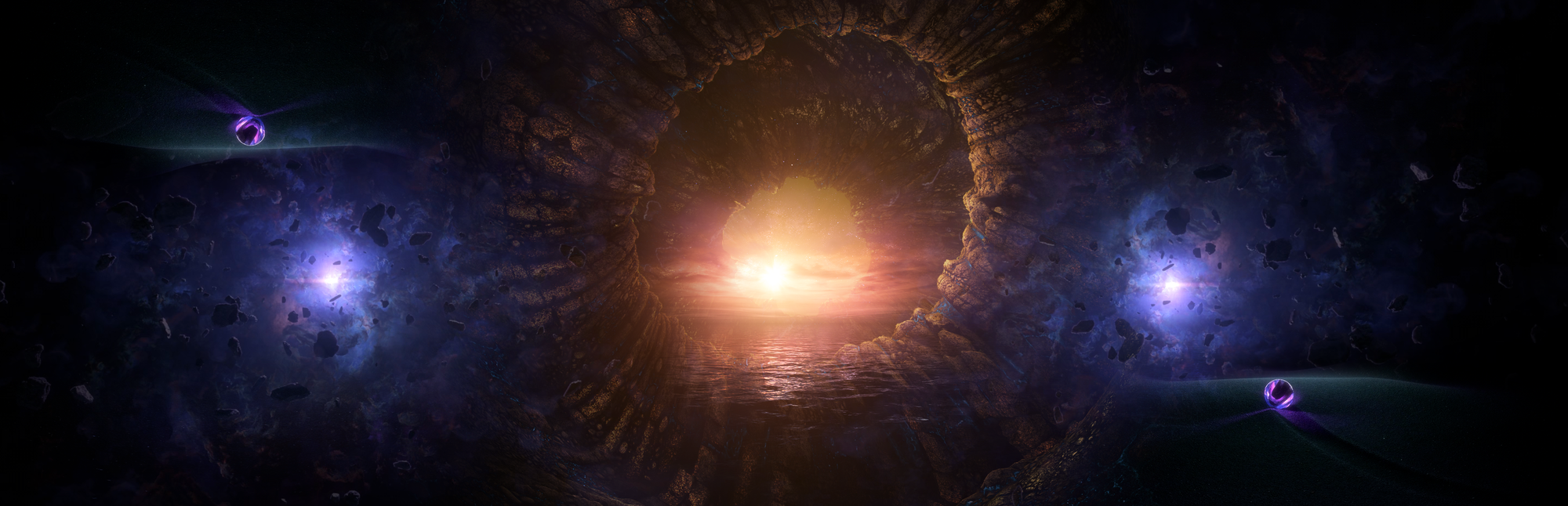
His latest work, Realms of Flow, available on Meta Quest and Steam, serves as a culmination of this vision. It is not a game in any traditional sense; there are no levels to beat or enemies to defeat. Instead, it is a sophisticated "atmospheric tool" designed for meditation, breathing exercises, and sensory relaxation. The experience utilizes high-resolution stereoscopic 180-degree video, spatial audio, and subtle interactive focus elements to induce a state of "flow"—a psychological state of energized focus and enjoyment.
The core tenets of Zimmermann’s work include:
- Mood over Mechanics: Prioritizing the emotional "vibe" of a space over the ability to manipulate objects.
- Scale and Wonder: Utilizing the unique depth perception of VR to create vast, surreal landscapes that evoke a sense of awe.
- Passive Engagement: Embracing the "non-interactive" nature of cinema to guide the user’s emotional journey without the cognitive load of complex controls.
- Technical Optimization for Standalone Hardware: Using clever visual tricks to deliver high-end aesthetic experiences on mobile processors like those found in the Meta Quest 3.
Chronology: From Visual Effects to the "Realms of Flow"
To understand Zimmermann’s current success, one must look back at a career defined by a transition from the silver screen to the stereoscopic lens.
The Academic Foundation (Early 2010s)
Zimmermann studied animation and visual effects at the prestigious Film Academy Baden-Württemberg in Germany. During this period, his ambitions were aligned with the titans of environmental storytelling, such as the teams behind The Lord of the Rings. His passion lay in "digital matte painting"—the art of creating expansive, epic landscapes that serve as the backdrop for cinematic narratives.
"I always loved to create my own personal projects and use environments to tell stories and create emotions," Zimmermann notes. At the time, his focus was on replacing green screens with digital vistas that felt lived-in and emotionally charged.
The VR Epiphany (2014–2016)
The shift occurred toward the end of his studies when he discovered an Oculus Rift DK1 (Development Kit 1) in the university’s research and development department. While the hardware was primitive by today’s standards, the sense of "presence"—the feeling of actually being inside a digital space—was transformative.
In 2016, he released Longing for Wilderness. This three-minute, 360-degree VR experience was a proof-of-concept for his philosophy, transitioning the viewer from the cacophony of an urban environment into the serene silence of nature. It was an early indicator that VR could be used as a tool for stress reduction and mental recalibration.
The Breakthrough: Conscious Existence (2018–2019)
Zimmermann’s most recognized work, Conscious Existence — A Journey Within, refined his "environmental cinema" approach. Using stereoscopic 3D video, the film took viewers on a linear, narrated journey through the wonders of the cosmos and the beauty of the natural world. Despite being a passive experience, it won numerous awards at film festivals and became a cult classic among VR enthusiasts for its ability to move users to tears through visual scale and poetic narration.
The Technical Detour: DeepStates VR (2020–2022)
Following the success of his films, Zimmermann attempted to bridge the gap between cinema and real-time graphics using Unreal Engine. The project, titled DeepStates VR, was an ambitious attempt to create high-end, real-time environments where users could move freely while engaging in meditation.
However, this project led to a critical realization. Zimmermann found that the technical overhead of optimizing real-time environments—dealing with frame rates, polygon counts, and lighting bakes—was consuming 80% of his time, leaving only 20% for the actual art and sound design. Furthermore, the "gaming" audience began demanding deeper interactivity and exploration mechanics that distracted from the core goal: pure, unadulterated atmosphere.
The Arrival of Realms of Flow (2023–Present)
Returning to his roots, Zimmermann pivoted to Realms of Flow. By utilizing pre-rendered, high-quality stereoscopic video instead of real-time 3D assets, he was able to reclaim his creative focus. This allowed him to build a platform that was "highly customizable" but remained focused on the sensation of being "sucked into" a dense, emotional atmosphere.
Supporting Data: Technical Mastery and Standalone Performance
A significant challenge for VR creators is the "bottleneck" of standalone hardware. While PC-tethered VR offers immense power, the majority of the market uses the Meta Quest series, which relies on mobile processors. Zimmermann’s work is notable for how it bypasses these limitations.
180-Degree vs. 360-Degree Video
In Realms of Flow, Zimmermann made the strategic choice to use 180-degree stereoscopic video rather than full 360-degree environments. Data shows that 180-degree video allows for significantly higher pixel density per degree of vision. By concentrating the headset’s processing power on the field of view directly in front of the user, Zimmermann achieves a level of clarity and depth that is often missing in "blurry" 360-degree captures.
The "Darkness" Optimization
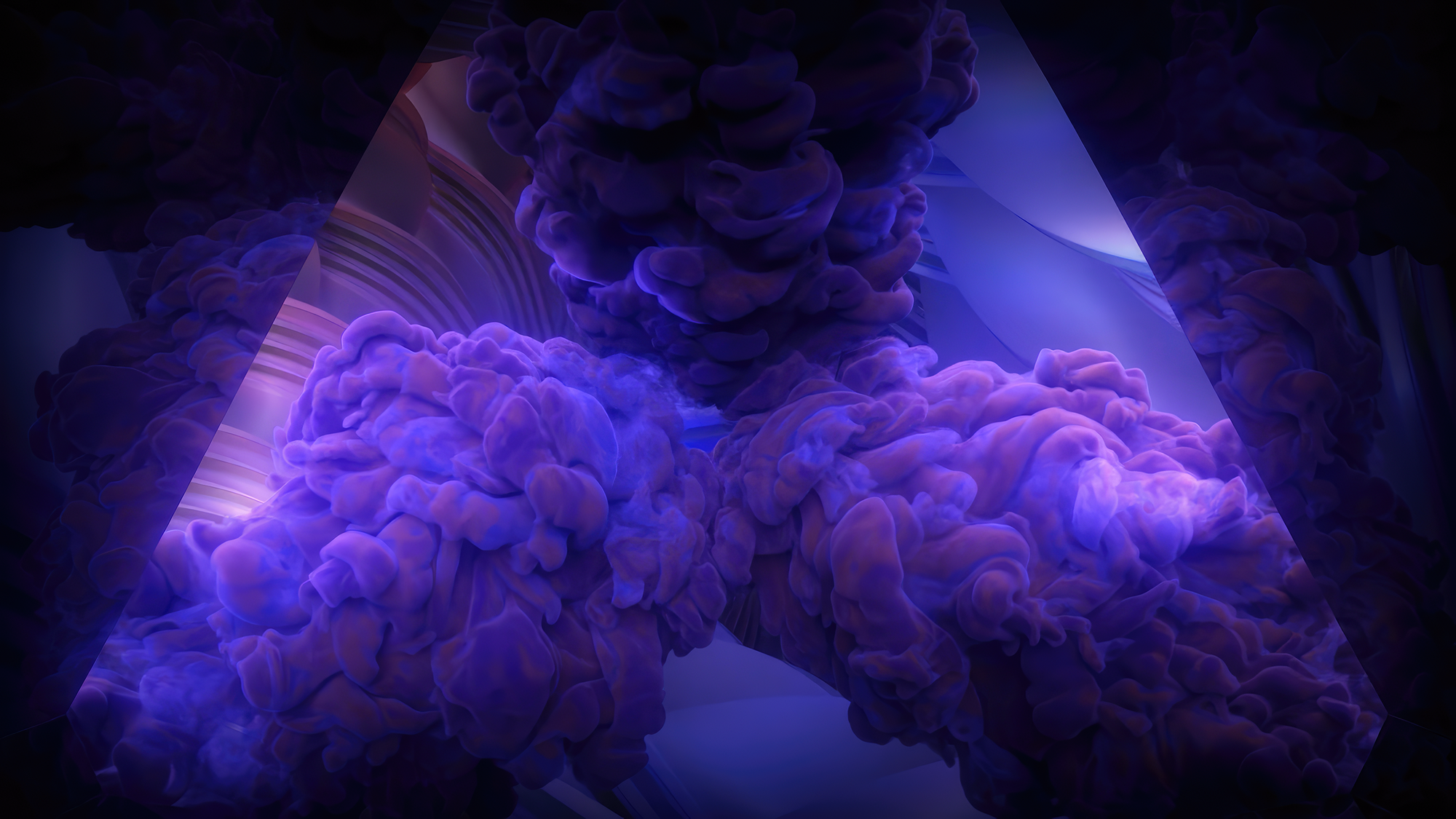
One of Zimmermann’s most effective technical "tricks" involves the use of dark environments. From a data perspective, video compression algorithms (like H.264 or HEVC) struggle with high-frequency detail in bright scenes. By placing the user in darker, high-contrast environments, Zimmermann allows the compression system to dedicate more bitrate to the essential visual details. This results in a sharper image with fewer "artifacts," enhancing the feeling of realism.
Dynamic Modulation
Realms of Flow introduces a sophisticated layer of visual modulation. The app allows users to sync the visual "pulse" of the environment with their breathing. Technically, this is achieved by modulating the depth and scale of the stereoscopic sphere in real-time. This synchronization between the user’s physical body and the virtual environment has been shown in various XR studies to significantly increase the "sense of presence" and lower heart rate variability (HRV).
Official Responses: Insights from the Creator
In a series of recent discussions, Marc Zimmermann elaborated on the emotional impact of his work and why he chooses to ignore the industry’s push toward "gamification."
"There were a lot of users complaining about the non-interactiveness of the short films," Zimmermann admitted. "But at the same time, I saw there was an opportunity there to create dense atmospheres and emotional spaces. I just want to create these kinds of journeys that you go into and get sucked into."
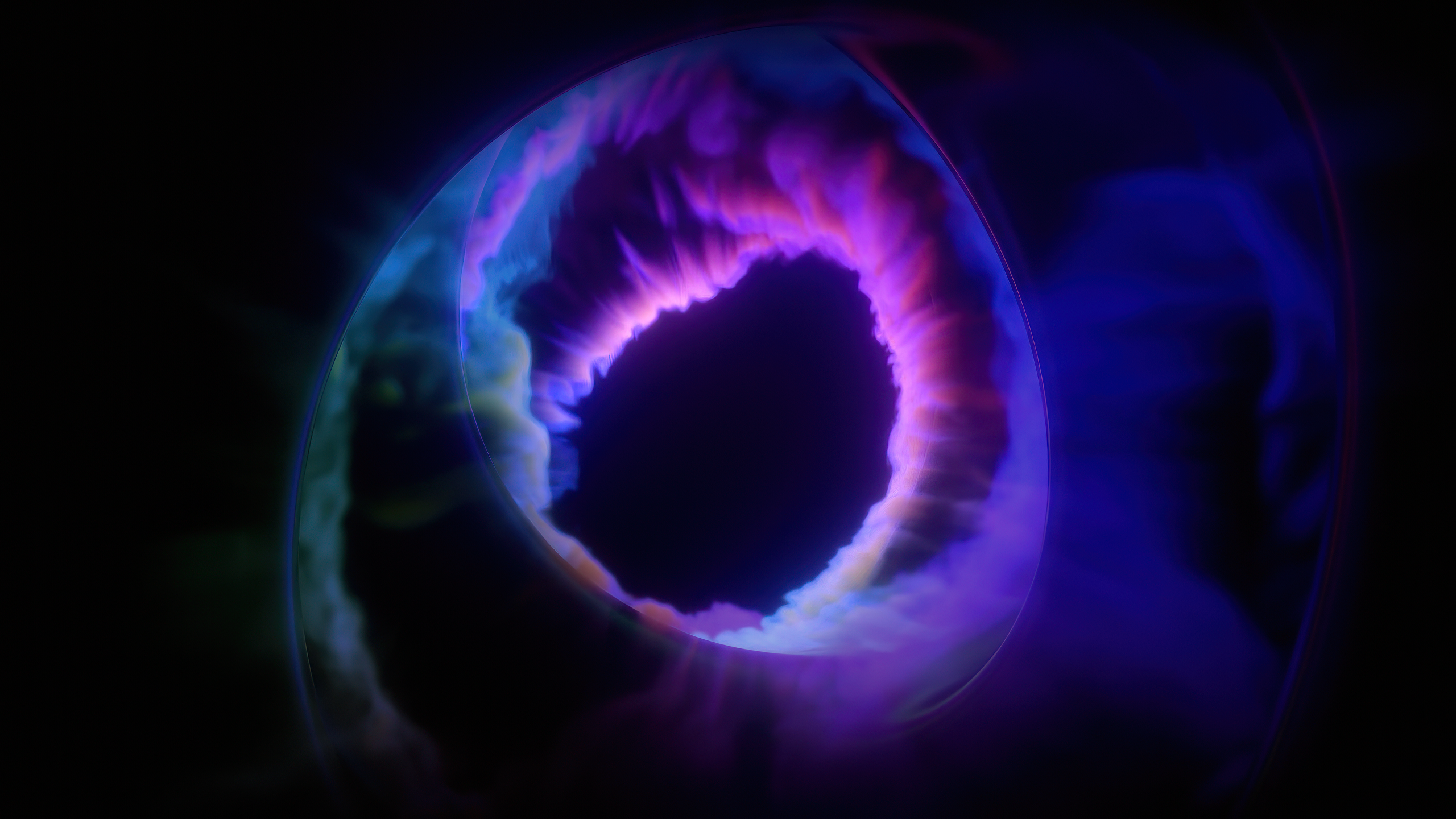
He notes that the feedback he receives is often deeply personal. "I get messages from people saying they are tearing up or that a certain scene reminds them of something in their life." This emotional connection, he argues, is more valuable than the dopamine hit of a traditional gameplay loop.
Regarding the complexity of Realms of Flow, which features dozens of sliders for breathing, humming, and spatial audio, Zimmermann says: "There’s a lot of settings. But I try to hit the sweet spot between accessibility and allowing people to fine-tune things for themselves."
Implications: The Future of Wellness and "Reconnection"
The work of Marc Zimmermann has implications that extend far beyond the niche of VR enthusiasts. As the "Wellness Tech" industry grows—projected to reach trillions of dollars globally—tools like Realms of Flow are being eyed for institutional use.
Beyond the Living Room
Zimmermann’s work is already finding its way into professional wellness settings. He is currently collaborating with Amsterdam-based company Sensiks, which manufactures "Sensory Pods." These pods combine Zimmermann’s visuals with synchronized wind, scent, and temperature changes, creating a multi-sensory experience used in corporate wellness and therapeutic settings.
Furthermore, there is burgeoning interest from:
- Hospitals: For pain management and pre-operative anxiety reduction.
- Elderly Care: To provide "virtual travel" and cognitive stimulation for those with limited mobility.
- Enterprise XR: As part of "recharge stations" for high-stress workplace environments.
VR as a Lens, Not an Escape
Perhaps the most profound implication of Zimmermann’s philosophy is his view on the relationship between VR and reality. While many tech visionaries pitch the "Metaverse" as a place to live, Zimmermann views VR as a temporary recalibration tool.
"You take the headset off and reality feels even more vivid afterward," he says. "You appreciate life even more."
In this view, the "Realm of Flow" is not an escape from the real world, but a way to prepare the mind to return to it with a renewed sense of wonder. As the VR industry continues to chase the next big "killer app" in gaming or productivity, Zimmermann’s success suggests that the most powerful application of the technology might be something much simpler: the ability to help us stop, breathe, and truly see the world again.


Leave a Comment