
Beyond the Pull of Gravity: Liron Topaz Debuts Personal Masterpiece ‘Saba’ at Tribeca
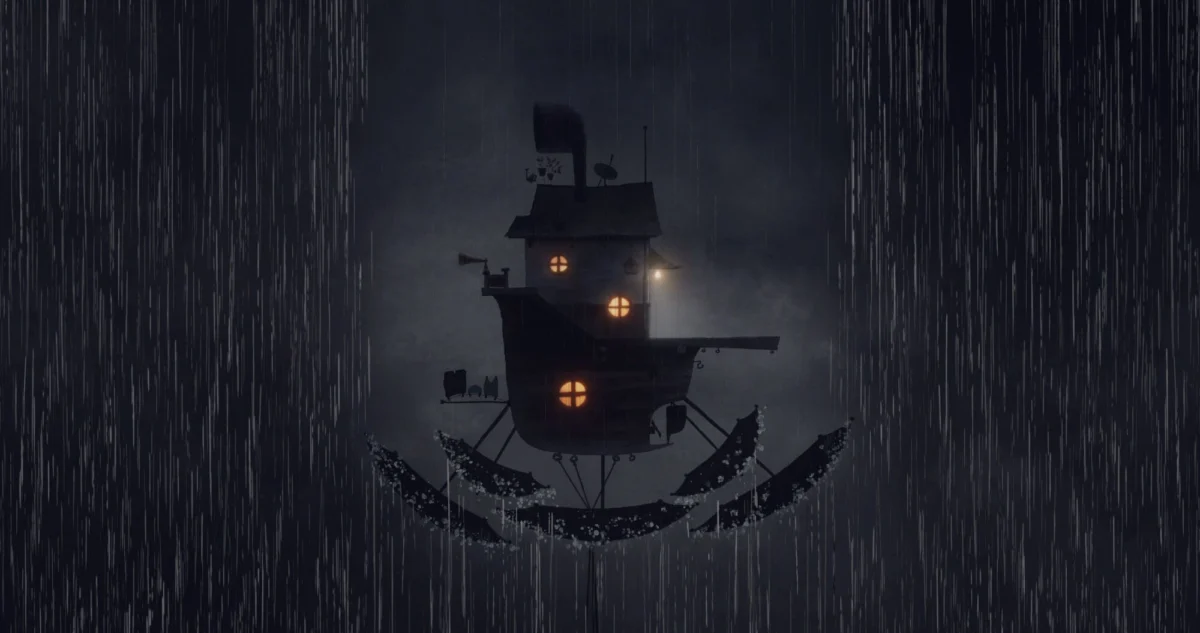
The landscape of independent animation is often where the most profound emotional truths are unearthed, away from the commercial constraints of major studio tentpoles. This week, the animation community turns its eyes toward the Tribeca Festival, where Liron Topaz—a veteran of DreamWorks Animation and the visionary behind the Oscar-shortlisted short Bilby—is set to unveil his most personal project to date. Titled Saba, the ten-minute, dialogue-free short film represents a bridge between high-end technical prowess and the raw, intimate exploration of human grief.
Set to make its world premiere on Saturday, June 6, Saba introduces audiences to a world where the fundamental laws of physics are inverted, serving as a poignant metaphor for the experience of losing a loved one. Produced by Lirit Rosenzweig Topaz and distributed by Miyu Distribution, the film has already generated significant buzz for its unique visual language and its "one-shot" technical execution.
Main Facts: A Surrealist Vision of Loss
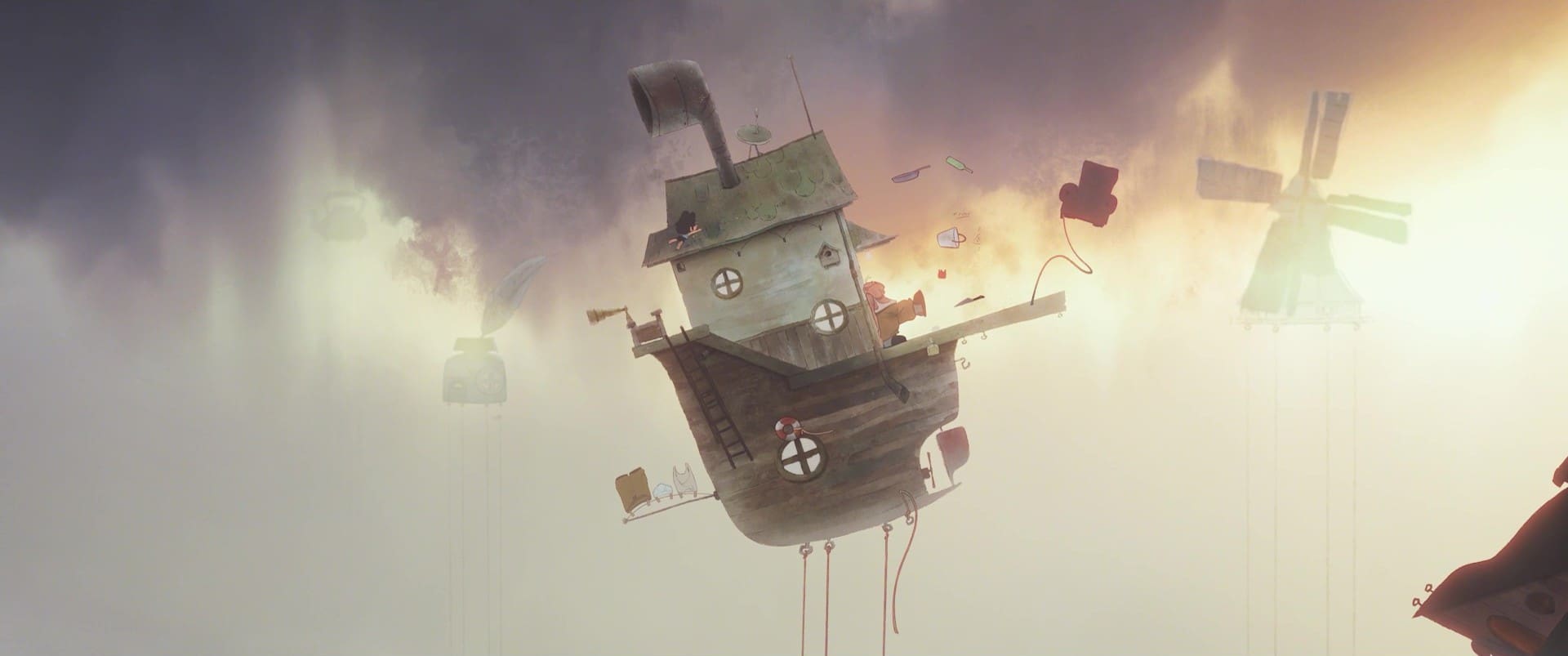
At its core, Saba is a story of connection and departure. The narrative follows a young boy and his grandfather—referred to by the Hebrew title "Saba"—who reside in a universe where gravity pulls everything upward toward the sky. To remain on the earth, the living must tether themselves, their homes, and their belongings with ropes and heavy anchors.
The film’s primary distinction lies in its central conceit: when life ends, the "weight" that keeps a person grounded vanishes, and they begin a slow, inevitable drift into the heavens. When tragedy strikes the young protagonist, the film transitions into a visually poetic odyssey. Deprived of dialogue, Topaz relies entirely on character acting, environmental storytelling, and a sweeping, continuous camera movement to convey the boy’s journey through the stages of mourning and his eventual search for closure.
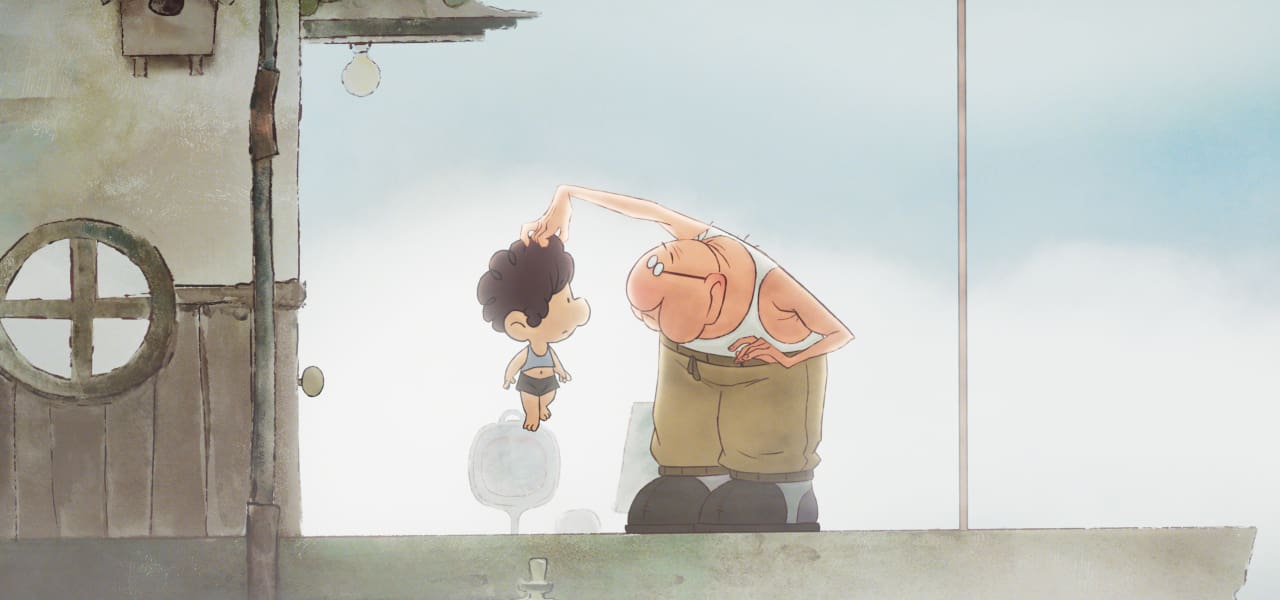
The film is not merely a technical exercise but a thematic exploration of "borrowed time." By stripping away spoken language, Topaz forces the audience to engage with the visceral, universal language of movement and light. The project also serves as a "who’s who" of the animation industry, featuring a collaborative roster of legendary animators who helped bring this gravity-defying world to life.
Chronology: From DreamWorks Mainstays to Independent Autuerism
Liron Topaz’s journey to the Tribeca stage is a testament to the evolving career paths of modern animation directors. For over a decade, Topaz has been a fixture at DreamWorks Animation, contributing his talents to some of the studio’s most successful franchises. His work as an animator helped define the character performances in hits like Kung Fu Panda 3, The Croods, and How to Train Your Dragon 2.
However, it was the 2019 short Bilby that truly established Topaz as a directorial force. Co-directed with Pierre Perifel and JP Sans, Bilby was a masterclass in CG character comedy and heart, eventually making the shortlist for the Academy Award for Best Animated Short Film. Despite the success within the studio system, Topaz felt a pull toward a different kind of storytelling—one that was less about commercial appeal and more about the internal landscapes of the human condition.
The development of Saba began as a response to personal reflections on mortality. Topaz sought to return to the roots of independent filmmaking, drawing inspiration from the works of British animator Mark Baker (The Village, The Hill Farm) and the minimalist, emotionally resonant style of Michael Dudok de Wit (The Red Turtle).
.png)
The production of Saba was an international effort, spanning several years of meticulous planning. Unlike the massive infrastructure of a studio like DreamWorks, Saba was built on a foundation of "connection and trust," with Topaz assembling a team of industry veterans who contributed to the film’s various segments remotely. This culminated in the film’s selection for the 2026 Tribeca Festival, a prestigious platform known for championing innovative short-form storytelling.
Supporting Data: The Mechanics of the Inverted World
The visual power of Saba is derived from its meticulously constructed world-building. Every frame of the film is designed to reinforce the theme of "tension"—the literal tension of the ropes holding the world down and the emotional tension of a child trying to hold onto a fading memory.
The Upward Gravity Metaphor
In Topaz’s world, the sky is not a void but a destination for the departed. This choice creates a unique visual aesthetic:
- The Anchors: Every object, from a coffee cup to a house, is tethered. This creates a cluttered, rope-filled environment that suggests a world held together by sheer will.
- The Drift: The movement of non-living objects serves as a constant reminder of the fragility of existence. When an object is untethered, its ascent is slow and ghostly, mimicking the way memories fade over time.
The Single-Shot Technical Feat
Perhaps the most ambitious aspect of Saba is its presentation as a single, uninterrupted shot. In live-action, films like 1917 or Birdman use this technique to create a sense of urgent realism. In animation, achieving a "one-shot" look requires an extraordinary level of coordination between layout, character animation, and background rendering.
- Seamless Transitions: Because the film was animated by different artists (including James Baxter and Sandro Cleuzo), each section had to be "handed off" with pixel-perfect precision to ensure the camera’s path felt organic.
- Temporal Continuity: The lack of cuts means the audience experiences the boy’s grief in real-time. There is no "time jump" to skip the difficult moments; the viewer is forced to stay with the character through every heavy breath and tentative step.
The Animation Elite
The "Cast & Credits" of Saba reads like a hall of fame for the medium. The involvement of James Baxter—the man responsible for Belle in Beauty and the Beast and the titular character in Roger Rabbit—adds a level of prestige rarely seen in independent shorts. Alongside him are Sandro Cleuzo (Klaus, The Emperor’s New Groove) and Antoine Antin (The Triplets of Belleville), ensuring that the character acting in Saba possesses a level of nuance that transcends standard digital animation.
Official Responses: Topaz on the "Why" of the Film
In an exclusive dialogue ahead of the world premiere, Liron Topaz provided insight into the philosophical questions that fueled the film’s creation. For Topaz, the literal inversion of gravity was the only way to express the ethereal nature of loss.
"The idea of gravity flowing upward came from a simple emotional question: what if the people we’ve lost never truly leave us, but continue to exist just beyond our reach?" Topaz explained. "In the world of Saba, everything that is alive remains grounded, while everything that is no longer living slowly drifts upward toward the other side."
He noted that the concept of "borrowed time" was the North Star for the production. "We are all here temporarily, anchored for a brief moment before continuing on. The ropes and anchors throughout the world reflect our very human desire to hold on to the people and moments that matter most."
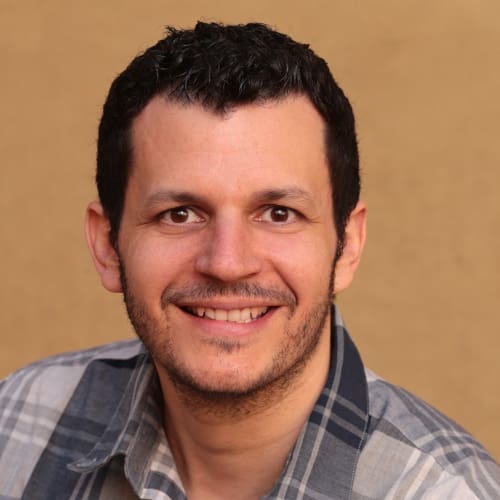
Regarding the technical choice of the single shot, Topaz was adamant that it was a narrative necessity rather than a gimmick. "Grief is rarely experienced in neat chapters or clean transitions. It unfolds as a continuous emotional journey, and we wanted the audience to experience that journey alongside the boy in real time. Just as the camera never stops, neither does time."
Producer Lirit Rosenzweig Topaz and the executive production team, which includes industry heavyweights like Christopher DeFaria and Gigi Pritzker, have positioned the film as a bridge between the technical sophistication of Hollywood and the artistic freedom of the global indie circuit.
Implications: A New Era for Independent Animation
The premiere of Saba at Tribeca carries several significant implications for the animation industry at large.
1. The Rise of the "Indie Veteran"
Topaz’s move from DreamWorks to a personal, independent short mirrors a growing trend where top-tier talent seeks "creative palate cleansers" outside the studio system. As tools for high-end animation become more accessible, we are likely to see more "prestige shorts" that rival studio quality but tackle mature, complex themes like mortality, isolation, and existentialism.
2. Dialogue-Free Universalism
By opting for a silent narrative, Saba is positioned for immense success on the international festival circuit. Its themes are not bound by language or specific cultural markers, making it a prime candidate for global distribution through Miyu, a company known for handling high-art animation.
3. The "One-Shot" Trend in Animation
While the one-shot technique has been explored in gaming and live-action, Saba sets a new bar for how the technique can be used to simulate the "flow" of human emotion in animation. It challenges other creators to think about layout and cinematography not as a series of cuts, but as a holistic environment.
4. Awards Season Contender
With a world premiere at a qualifying festival like Tribeca and a team of Academy favorites behind it, Saba is instantly a frontrunner for the 2027 Oscar race. Its blend of technical innovation and heart-wrenching storytelling is exactly the "sweet spot" that the Academy’s short film branch tends to reward.
As the boy in Saba learns to let go of the ropes that bind him to the past, the film itself encourages the audience to view loss not as a disappearance, but as a different kind of presence—one that exists just above our heads, drifting in the quiet spaces of the sky. Saba premieres Saturday, June 6, at the Tribeca Festival.

Leave a Comment