
The New Guardians of Williamsburg: BODEGA and the Renaissance of Brooklyn’s Comic Arts
BROOKLYN, NY — Seven years after the final curtains drew on Comic Arts Brooklyn (CAB) in November 2019, a significant void has lingered in the heart of New York’s independent comics community. While various niche festivals and zine fairs have emerged to fill the seasonal calendar, many creators felt the loss of a centralized, curated, and high-prestige "festival" atmosphere that once defined the Williamsburg scene.
That silence is officially ending. In a move that signals a new era for the medium, a collective of industry veterans has announced the formation of the Brooklyn Organization Dedicated to the Endurance of Graphic Arts (BODEGA). This 501(c)(3) nonprofit, chaired by Eisner Award-winning writer James Tynion IV, aims to do more than just host a convention; it seeks to build a permanent philanthropic infrastructure for independent cartoonists in New York City.
Its flagship event, the Brooklyn Expo of Comics (BEC), is scheduled for November 2026, returning to the hallowed halls of Our Lady of Mount Carmel Church—the original stomping grounds of CAB.
I. Main Facts: A New Foundation for the "Next Generation"
The announcement of BODEGA represents a pivotal shift in how independent comics are supported in the United States. While the industry is often dominated by commercial juggernauts like New York Comic Con (NYCC), BODEGA is designed to serve as a high-brow, curated alternative focused on artistic merit rather than intellectual property (IP) potential.
Key Components of the BODEGA Initiative:
- The Brooklyn Expo of Comics (BEC): A two-day festival in November featuring over 100 exhibitors, artist talks, and educational panels.
- The BODEGA CAT (Comics Art Trophy): An annual award ceremony with a direct financial grant component intended to alleviate the economic burdens of local creators.
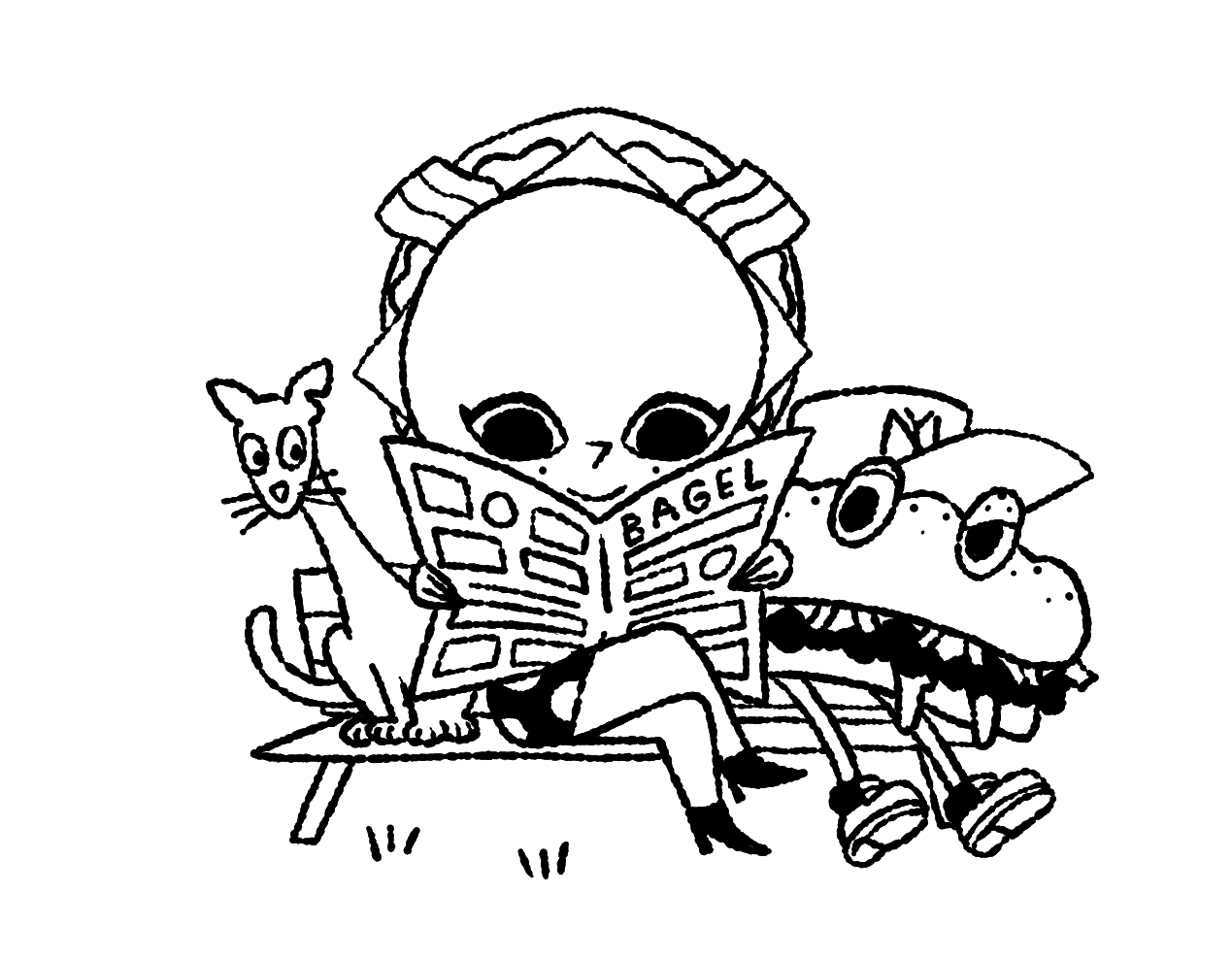
- The BAGEL (Brooklyn Annual of Graphically Elevated Literature): An annual anthology showcasing the work of cartoonists featured at the expo.
- Nonprofit Status: As a 501(c)(3), BODEGA is positioned to bridge the gap between comics and the broader world of New York arts philanthropy, seeking to raise six-figure annual budgets to fund creator grants and community projects.
The leadership team comprises a "brain trust" of the modern comics landscape: James Tynion IV (Founder of Tiny Onion Studios), Bryce Gold (Head of Content at Comixology and small press veteran), and Courtney Menard (Production Director at Tiny Onion and former co-curator of CAB). The organization also carries the "stamp of approval" from Gabe Fowler, owner of the legendary Desert Island Books and founder of the original CAB.
II. Chronology: From the Ashes of CAB to the Birth of BODEGA
The path to BODEGA’s inception is a story of community resilience and the realization that the "old ways" of organizing would not return on their own.
- November 2019: Comic Arts Brooklyn (CAB) holds its final event. Shortly thereafter, the COVID-19 pandemic shutters the city, and the logistical challenges of reviving a large-scale indie show become insurmountable for the original team.
- 2020–2022: The "Interregnum." Smaller, grassroots shows like PictoBeach Bazaar, Frog Farm, and the Brooklyn Independent Comics Showcase (BICS) emerge. While successful, they remain niche or focused on specific demographics (such as the Brooklyn Pride Comic Book Fair).
- Early 2023: During a walk through Brooklyn, Courtney Menard pitches the idea of a CAB successor to James Tynion IV. The name "Brooklyn Expo of Comics" (BEC) and the "Bagel" mascot are born.
- Late 2023 – Early 2024: Tynion, Menard, and Bryce Gold begin the formal process of building a nonprofit. This involves a nine-month wait for IRS recognition and the development of a five-year strategic plan.
- April 2024: BODEGA is officially announced. Applications for the inaugural BEC open on April 2, receiving nearly 600 applications in just six weeks, highlighting a massive pent-up demand for a curated Brooklyn show.
- May 2026: The organization enters its final push for the November debut, securing marquee guests like Chris Ware and Lisa Hanawalt.
III. Supporting Data: The Economic and Cultural Landscape
The need for BODEGA is underscored by the shifting demographics of the New York art world. According to the organization’s board, the traditional centers of comic art—such as the Society of Illustrators in Manhattan—no longer reflect the geographic reality of where artists actually live and work.
The "Brooklyn Centric" Model
"MoCCA and the Society of Illustrators exist in Manhattan because that’s where the artists used to live," explains Bryce Gold. "But the community doesn’t live in Manhattan anymore. They live in Brooklyn. We wanted to offer something specific to the local community here."
To support this community, BODEGA has set ambitious financial targets:
- Fundraising Goals: The organization aims to raise a six-figure sum annually through a mix of private donors, corporate sponsorships from "storied players" in the indie space, and proceeds from its publishing arm.
- Accessibility: Unlike Manhattan-based shows where table fees can be prohibitive for independent zinesters, BEC is committed to keeping entry costs low.
- Application Volume: The 600+ applications for approximately 100 slots indicate a 16% acceptance rate, rivaling top-tier festivals like SPX (Small Press Expo) and TCAF (Toronto Comic Arts Festival).
IV. Official Responses: The Philosophy of the Brain Trust
In a recent roundtable discussion, the organizers clarified that BODEGA is not intended to compete with existing shows, but rather to provide a "level of legitimacy" and curation that has been missing.
On the Responsibility of Success
James Tynion IV, who rose to fame writing Batman before finding massive success with independent titles like The Nice House on the Lake, views BODEGA as a way to "funnel" the success of the mainstream into the indie scene.
"I want comics to be a part of the conversation around arts philanthropy in New York," Tynion stated. "One of the big things COVID did is that it made us realize we had to stop waiting for older organizations and companies to make room for the next generation. If we want there to be a successor show to CAB, we have to go out there and do it."
On Curation and the "Brooklyn Spirit"
Courtney Menard, who brings years of experience from Desert Island and the original CAB, emphasizes that the show is about more than just selling books. "The goal is to alleviate the burden of what it is to be a cartoonist in Brooklyn, and money is the ultimate burden. Anything we can do financially to help people create the work… that’s what we’re trying to do."
Bryce Gold adds that the "Brooklyn comic" is defined by a specific type of drive: "The cool thing about making things here is that there isn’t just one pathway forward. You can find your own lane, make the work you want to make, and you will find an audience for that."
V. Implications: The Future of the Indie Ecosystem
The launch of BODEGA and the BEC has several long-term implications for the comics industry and the New York cultural landscape.
1. A New Model for "Mainstream-to-Indie" Support
Tynion’s involvement suggests a new model where successful "direct market" creators use their capital and connections to subsidize the avant-garde. By taking no IP stake in the projects they fund through grants, BODEGA offers a rare form of "pure" artistic support in an increasingly corporate-driven industry.
2. The Return of Williamsburg as a Comics Hub
By returning to Mount Carmel Church, BEC is reclaiming a physical space that holds deep emotional resonance for the community. This move, combined with the involvement of Gabe Fowler, ensures a continuity of culture that many feared was lost forever in 2019.
3. Expansion into Multimedia and Education
BODEGA’s five-year plan includes more than just conventions. The organization is exploring original art showcases in galleries, educational programming outside of traditional (and expensive) art schools, and video content that highlights the lives of local cartoonists.
4. Professionalizing the "Zine" Scene
By providing awards with financial components (the BODEGA CAT) and a high-quality annual anthology (the BAGEL), the organization is helping to professionalize the small-press world, giving creators the credentials needed to apply for broader arts grants and residencies.
As applications close this May and the curation process begins, the eyes of the comics world are on Brooklyn. The success of BODEGA will likely determine whether independent comics can evolve from a "labor of love" into a sustainable, philanthropically-supported pillar of the New York arts scene. For the "next generation" of creators, the message is clear: the room is finally being made.

Leave a Comment