From Zoom Fatigue to Feature Production: How Matt Jones Reimagined Animation Education During the Pandemic
The global pandemic of 2020 served as a catalyst for radical shifts across every sector of the global economy, but perhaps nowhere was the disruption felt more acutely than in the arts. For animation educators, the transition from high-energy, collaborative studios to the sterile environment of hours-long Zoom calls presented a unique existential crisis: how do you teach the inherently collaborative, high-octane craft of storyboarding through a computer screen without losing the engagement of the next generation of artists?
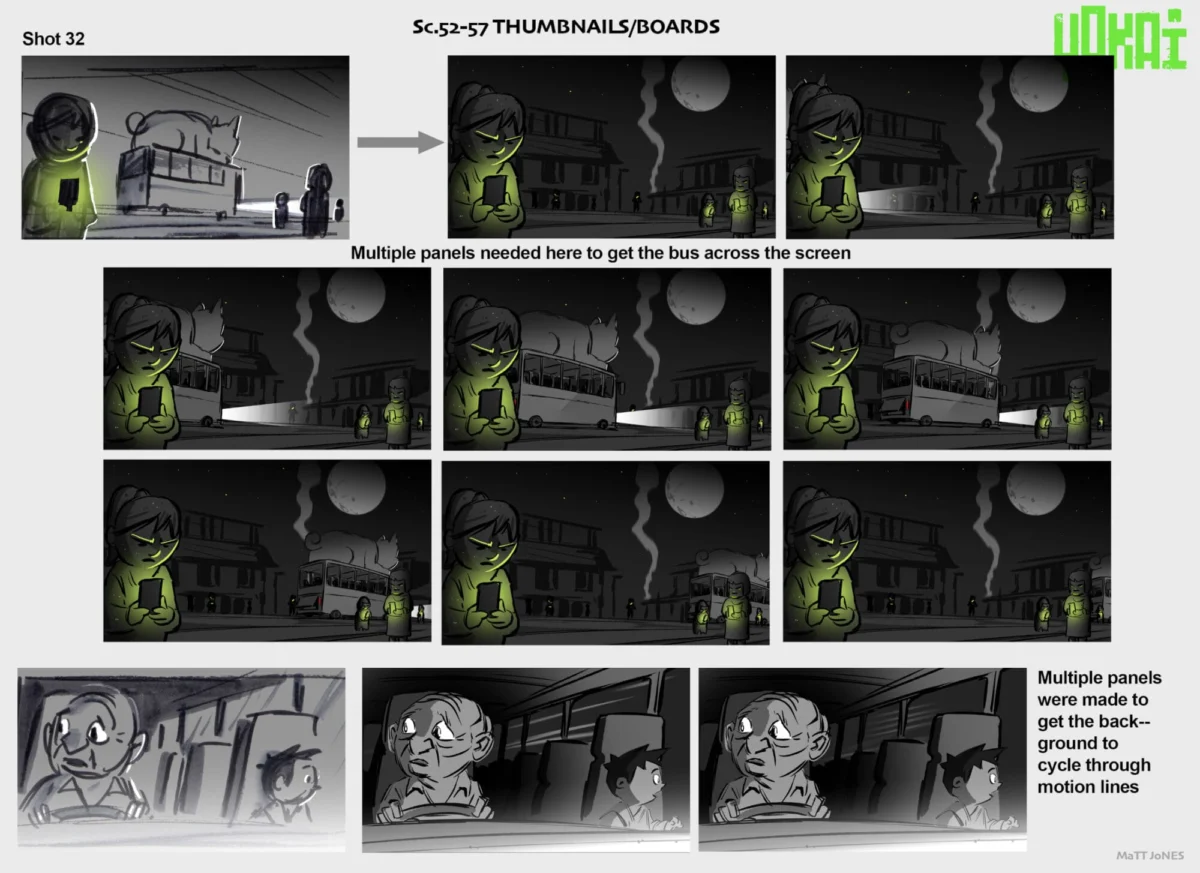
Matt Jones, a veteran story artist whose credits include industry titans like Spider-Man: Across the Spider-Verse, Chicken Run: Dawn of the Nugget, and Pixar’s Inside Out, found himself at this very crossroads. His solution was not a refinement of the syllabus, but a complete overhaul of the pedagogical model. By treating his students not just as pupils, but as a simulated production crew, Jones led the creation of YOKAi—a feature-length, anime-inspired horror animatic that serves as both a masterclass in storyboarding and a proof-of-concept for the future of virtual animation studios.
The Main Facts: A Feature-Length Pedagogical Experiment
The project, titled YOKAi, represents a significant departure from traditional animation school assignments. Typically, students are encouraged to produce short films—two- to three-minute pieces that showcase their individual voice. While effective for building personal style, these projects often fail to prepare artists for the rigors of a professional feature film pipeline, where hundreds of artists must align their vision to a single director’s script.
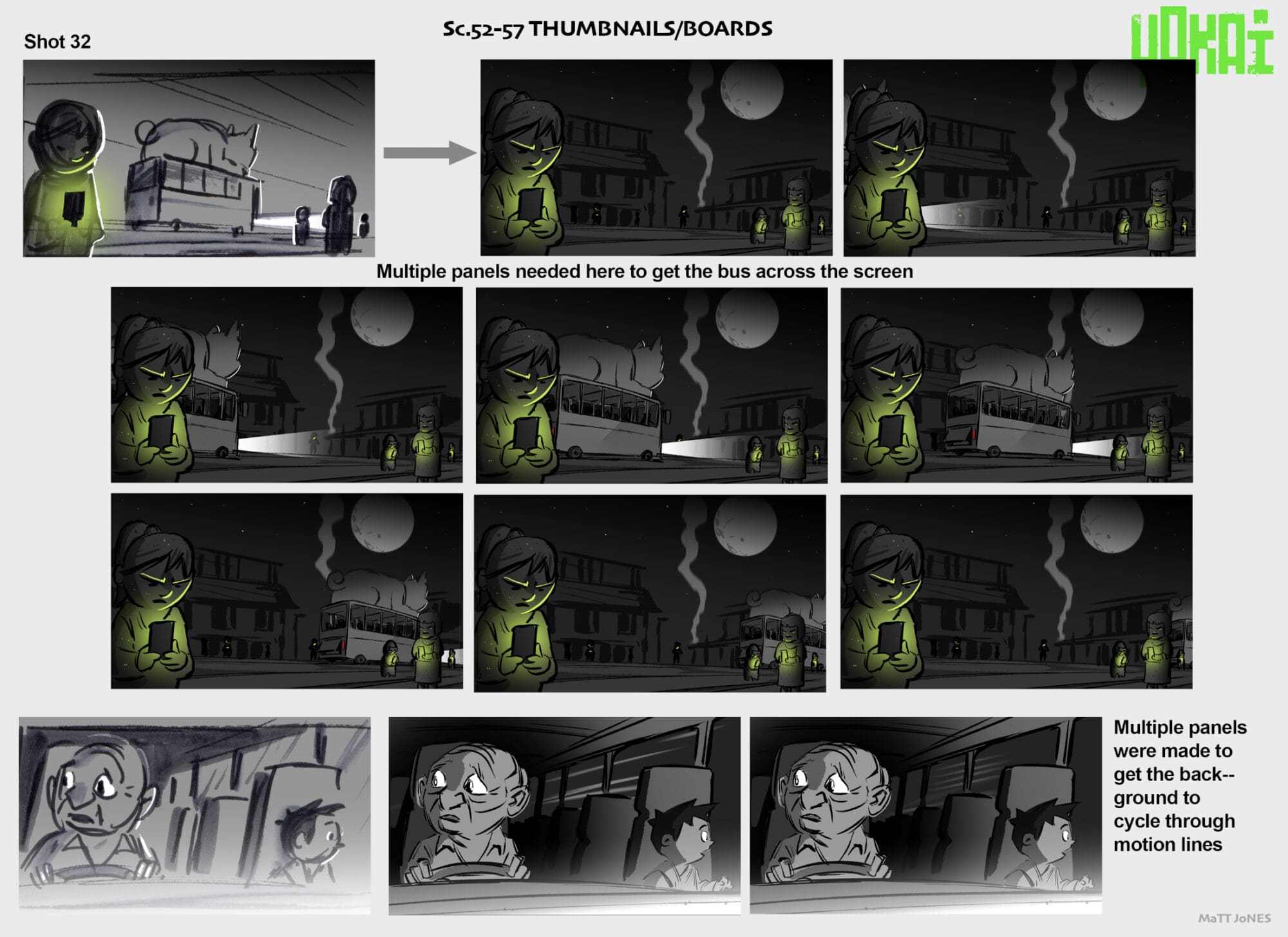
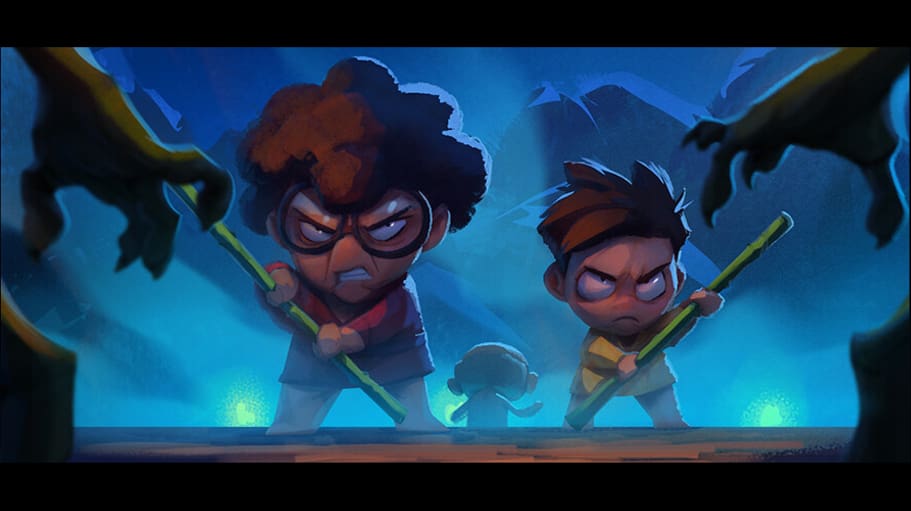
Jones’s approach was different. He authored an original feature script—a "horror film for kids" rooted in Japanese folklore—and tasked his students with storyboarding the entire narrative. The result is a complete 80-minute animatic, featuring:
- A full voice cast and soundscape: Unlike raw storyboard reels, YOKAi was edited with professional-grade sound effects, music, and voice acting to simulate a "locked" animatic ready for production.
- Collaborative Credit: Every student who contributed to a sequence was credited on-screen during their specific scenes, providing them with a "ready-made" professional portfolio piece.
- Industry Placement: Since the project’s inception, students involved in the YOKAi sessions have successfully transitioned into roles at major studios, including Netflix, Sony Pictures Animation, and Disney.
Chronology: From Concept Design Academy to Global Release
The timeline of YOKAi reflects the rapid evolution of remote work during the early 2020s.
Phase 1: The Concept Design Academy Era (2020–2021)
Before the lockdown, Jones was teaching story classes at the Concept Design Academy in Los Angeles. When the pandemic forced the school online, Jones initially attempted to maintain the status quo. However, he quickly realized that the "traditional" art school approach—where every student works on a separate short—was creating a fragmented and "chaotic" environment. Students were resistant to notes, and the lack of a shared goal made the long hours on Zoom feel grueling.
Phase 2: The Scripting Sprint (Late 2021)
Following a student’s suggestion to work on a singular, unified project, Jones set a public deadline for himself. Between November 2021 and January 2022, he leaned on the skills he honed at Pixar’s story department to outline and write the feature script for YOKAi. By the time the first class of the new year began, he had completed Act 1, allowing him to stay one step ahead of the students as he drafted Acts 2 and 3.
Phase 3: The Production Pipeline (2022)
The class was run several times in versions ranging from six to ten weeks. Jones transitioned from traditional lecturing to a "story room" model. Each student was assigned a sequence and had to pitch their boards to the group, receiving feedback just as they would in a professional setting at a studio like Pixar or Aardman.
Phase 4: The Edit and Release (2023–2024)
After the teaching sessions concluded, the "vast amount of material" required an extensive post-production phase. Jones spent over a year editing the boards into a cohesive film. Despite help from industry friends, much of the final assembly was a solo effort. The finished animatic was finally uploaded to YouTube in 2024, serving as a public archive of the students’ achievements.
Supporting Data: The Mechanics of a Virtual Story Room
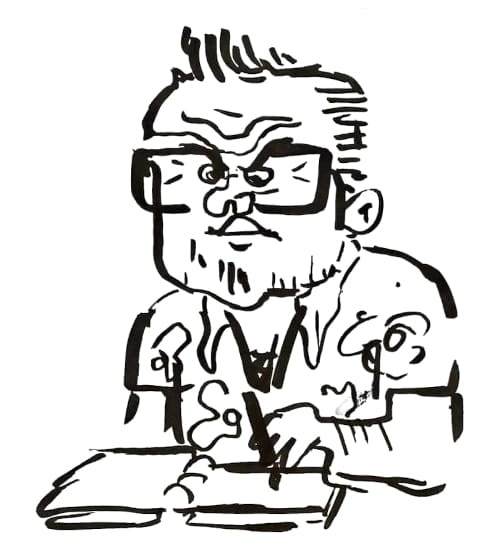
To understand the success of the YOKAi project, one must look at the specific data and background that Jones brought to the table. Jones’s career is a roadmap of the modern animation industry. Having worked at:
- Pixar: Contributing to Inside Out and Finding Dory, where he learned the "Pixar Brain Trust" method of iterative storytelling.
- Aardman: Working on stop-motion features that require extreme precision in storyboarding due to the high cost of production.
- Sony: Working on the Spider-Verse franchise, known for pushing the visual boundaries of the medium.
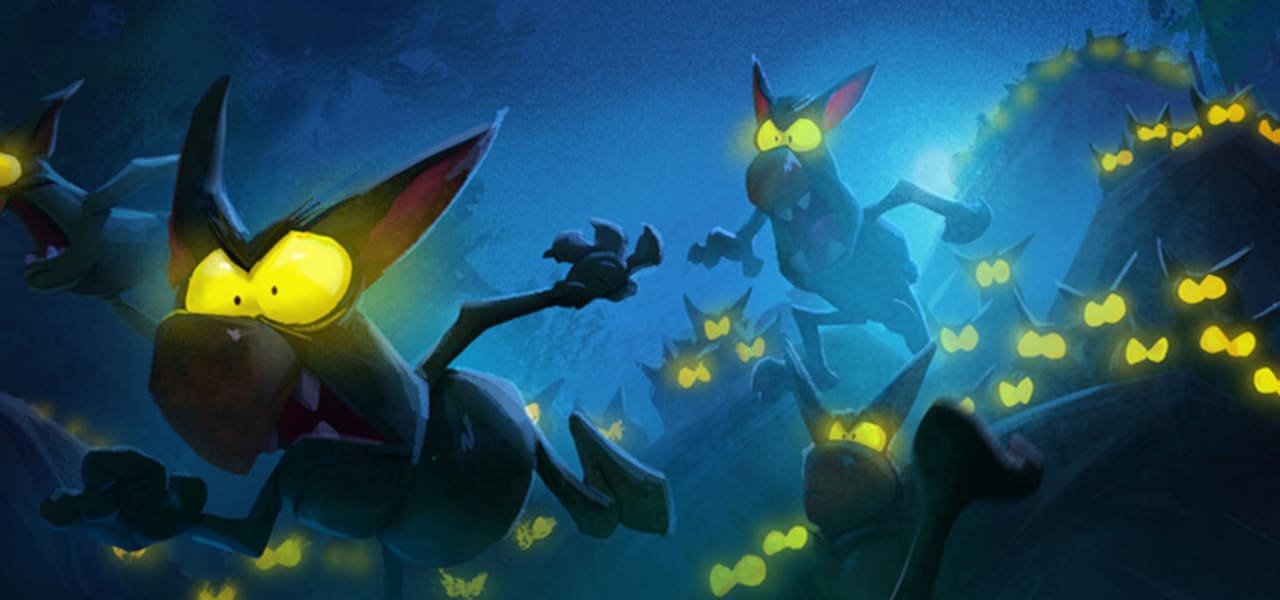
This varied background allowed Jones to act as a one-man "art department." He designed the characters and the world, providing students with a "style guide" that ensured the film felt cohesive despite having dozens of different artists working on it.
The project also benefited from the contribution of Ukrainian artist Kate Fedorchuck, whose color keys provided a visual "north star" for the project. These keys helped the students understand how lighting and atmosphere would eventually translate from rough sketches to a finished cinematic product.
Official Responses: Ethical Considerations and Pedagogical Philosophy
A project of this scale inevitably raises questions regarding the ethics of student labor. In the professional world, "spec work" or unpaid production is a contentious issue. Jones was proactive in addressing these concerns, framing the project as a non-commercial educational exercise.
"As long as everybody’s on the same page, and it wasn’t set out to be a commercial venture… it was to give them something copyright-free," Jones explained. The trade-off was clear: students provided the labor to board a feature, and in return, they received high-level mentorship and a portfolio piece that demonstrated they could work within a professional pipeline—a commodity often more valuable than a solo student short in the eyes of recruiters.
Jones also addressed the tension between "capitalism and creativity." He noted that while individual shorts encourage students to be directors, collaborative projects prepare them for the "corporate animation" reality. "We need both, probably," he remarked, acknowledging that the industry requires both visionary directors and highly skilled "cogs" who can keep a massive production moving.
Furthermore, Jones’s curriculum included a "survival guide" for the industry. He moved beyond the art to discuss:
- Physical Health: Maintaining posture and avoiding repetitive strain injuries.
- Financial Literacy: Understanding how to sustain a career through the ebbs and flows of studio contracts.
- The Reality of Pitching: In a moment of refreshing honesty, Jones admitted to his students that despite his high-level credits, he had "failed miserably" to get his own original features greenlit through the traditional studio system—a lesson in the resilience required to survive in Hollywood.
Implications: A New Era for Animation Education and Indie Production
The YOKAi project serves as a prototype for what Jones calls a "virtual studio-school." While the animatic did not become a viral sensation upon its YouTube release—accruing only a few thousand views—its success is measured by the employment of its participants.
The implications for the future of the industry are twofold:
1. The Scalability of the Virtual Studio
Jones suggests that this model could, in theory, be scaled. A virtual school could cover the entire pipeline—from production management and asset tracking to lighting and compositing—producing a fully realized student feature. However, this would require a paradigm shift in how students are compensated. Jones advocates for a "profit-sharing" model for such ventures, where students hold shared ownership of the final product, potentially bypassing the "distribution problem" that currently plagues independent creators.
2. The Rise of the "Indie Feature" Wave
Now based in his native Wales, Jones is part of a growing movement of artists who are "investing in themselves." With the democratization of animation tools and the ability to coordinate global teams via the internet, the barrier to entry for feature-length production is lowering.
"I think we’re in the process of an exciting wave of industry change," Jones stated. This change is characterized by "little schools" and "indie features" that operate outside the traditional studio system. By teaching students how to build something larger than themselves, Jones is not just preparing them for jobs at Disney or Sony; he is giving them the blueprints to build their own studios.
Conclusion
YOKAi is more than just a collection of storyboards; it is a testament to the resilience of the creative spirit under the constraints of a global lockdown. It proves that a virtual classroom can be more than a place for passive learning—it can be a foundry for collaborative art. As the animation industry continues to grapple with shifting distribution models and the rise of independent content, Matt Jones’s experiment offers a compelling vision of a future where education and production are inextricably linked, and where the next great feature film might just come from a group of students on a Zoom call.