The $250 Million Subnautica Dispute: Delaware Court Hands Major Defeat to Krafton in Breach of Contract Ruling
By [Your Name/Senior Correspondent]
March 18, 2026
In a landmark ruling that has sent shockwaves through the global video game industry, the Delaware Court of Chancery has ruled against the South Korean publishing giant Krafton in the first phase of a high-stakes legal battle. The dispute centers on a $250 million "earnout" agreement tied to the acquisition of Unknown Worlds Entertainment, the developers behind the critically acclaimed Subnautica franchise.
The court’s decision marks a significant victory for the founders of Unknown Worlds, who alleged that Krafton—best known for its flagship title PUBG: Battlegrounds—engaged in a calculated "bad faith" scheme to avoid paying out a quarter-billion-dollar performance bonus by firing the studio’s leadership under the guise of "for cause" dismissals.
Main Facts: A Breach of Contract and a Reinstated CEO
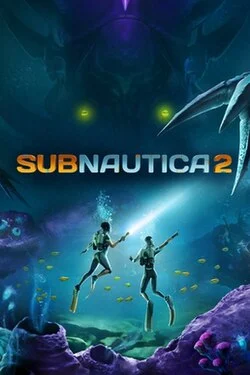
The core of the litigation involves the 2021 acquisition of Unknown Worlds by Krafton. At the time, the deal was structured with a substantial upfront payment, supplemented by a $250 million earnout provision. This earnout was contingent on the studio meeting specific development and financial milestones, primarily revolving around the launch and performance of the highly anticipated Subnautica 2.
However, as the milestones approached, Krafton abruptly terminated the founders of Unknown Worlds, including CEO Edward Gill. Krafton alleged that the dismissals were "for cause," a move that, if upheld, would have effectively nullified the founders’ rights to the $250 million earnout.
In her ruling following the first phase of the trial, the Delaware judge was scathing. The court concluded that Krafton had breached the acquisition contract by firing the employees without legitimate cause. Key mandates from the ruling include:
- Reinstatement: Edward Gill has been legally reinstated as the CEO of Unknown Worlds.
- Restoration of Authority: The court issued an injunction preventing Krafton from "impeding Gill’s authority" over the development and early access launch of Subnautica 2.
- Timeline Extension: The deadline for the $250 million earnout has been extended by the exact duration of Gill’s "ouster" to ensure the developers have a fair window to meet their targets.
- Pending Damages: While the breach of contract has been established, the second phase of the litigation will determine the exact monetary damages Krafton owes for wrongfully impairing the earnout process.
Chronology: From Partnership to Litigation
The relationship between Krafton and Unknown Worlds has devolved from a celebrated strategic partnership into one of the most contentious legal battles in the history of independent studio acquisitions.
2021: The Acquisition
Krafton acquired Unknown Worlds in October 2021 as part of a broader strategy to diversify its portfolio beyond PUBG. The deal was valued at roughly $500 million upfront, with the additional $250 million earnout structured to incentivize the founders to remain at the helm and deliver a successful sequel to the hit underwater survival game.
2022–2024: Development and Friction
As development on Subnautica 2 progressed, industry reports suggested growing tension between the San Francisco-based studio and the Seoul-based publisher. Krafton, facing pressure from shareholders to maintain the massive growth seen during the pandemic, reportedly began exerting more "corporate oversight" on the traditionally independent-minded Unknown Worlds team.
2025: The Purge
In late 2025, just as Subnautica 2 was entering its final stages before a planned Early Access launch, Krafton moved to terminate Edward Gill and other key founders. By claiming the dismissals were "for cause," Krafton attempted to trigger clauses in the acquisition agreement that would forfeit the $250 million earnout.
March 2026: The Judicial Rebuke
The founders filed suit in Delaware, the legal home of many corporate entities involved in M&A (Mergers and Acquisitions). The discovery phase—portions of which were shared publicly by industry figures like Rami Ismail—revealed internal communications that suggested Krafton’s primary motivation was financial avoidance rather than professional misconduct by the founders.
Supporting Data: The Mechanics of the "Earnout" Trap
The use of "earnouts" is a common tool in the gaming industry, designed to bridge the gap between a buyer’s offer and a seller’s valuation. However, they are frequently referred to by legal experts as "litigation magnets."

In the case of Krafton and Unknown Worlds, the $250 million figure represented one of the largest earnout structures in recent gaming history. According to the discovery documents, the milestones were tied to:
- Release Windows: Launching Subnautica 2 into Early Access by a specific date.
- Critical Reception: Maintaining a specific Metacritic or user-review threshold.
- Revenue Targets: Achieving specific sales tiers within the first 12 months of launch.
The court found that by firing the leadership team responsible for hitting these targets, Krafton created a "self-fulfilling prophecy" of failure. If the founders were not there to lead the project, the milestones could not be met, and the money would stay in Krafton’s coffers.
Legal analysts point out that "for cause" terminations in executive contracts typically require evidence of gross negligence, illegal acts, or willful misconduct. The Delaware judge found that Krafton’s justifications failed to meet this high legal bar, describing the dismissals as a "pretextual" attempt to circumvent contractual obligations.
Official Responses: Silence and Strategic Victories
Following the ruling, Krafton has remained largely tight-lipped, issuing only a brief statement: "We are reviewing the court’s decision regarding the first phase of the litigation. Our focus remains on delivering a high-quality experience for our players and supporting the development team at Unknown Worlds."
In contrast, the legal victory for the founders has been hailed as a turning point for independent developers. While Edward Gill has not released an extensive public statement, his legal team emphasized that the ruling "restores the rightful leadership to a project that is a labor of love for its creators."
Rami Ismail, a prominent advocate for independent developers, noted on LinkedIn that the discovery documents serve as a "fascinating and terrifying insight" into how large corporations can attempt to "weasel out" of their financial commitments once the initial PR buzz of an acquisition has faded.
Implications: A Warning to the Industry
The Krafton vs. Unknown Worlds case carries profound implications for the future of consolidation in the video game industry.
1. Erosion of Trust in M&A
The aggressive tactics employed by Krafton may make independent studio heads more wary of "earnouts" in future deals. If a publisher can simply fire founders to avoid a payout, the "valuation" of a deal becomes meaningless. Future acquisitions are likely to see a demand for higher upfront cash payments and more robust "bad leaver" protections for founders.
2. The Future of Subnautica 2
With Edward Gill reinstated, the development of Subnautica 2 enters a strange new phase. The court has essentially forced a "shotgun marriage" where the publisher and the studio leadership must work together despite a massive legal rift. While the injunction prevents Krafton from impeding Gill’s authority, the internal culture at the studio may face significant challenges as it navigates this forced partnership.
3. Corporate Reputation
Krafton’s reputation as a "developer-friendly" publisher has taken a severe hit. In an industry where talent is the primary asset, the perception that a company will "fire its way out of a debt" could make it difficult for Krafton to attract other high-profile studios for future acquisitions.
4. Phase Two: The Financial Fallout
The battle is far from over. The second phase of the trial will focus on "money damages." Even if Subnautica 2 succeeds, the founders will likely seek compensation for the emotional distress, legal fees, and the "impairment" of their ability to hit the original earnout targets. If the court finds Krafton’s actions were particularly egregious, the final payout—including damages—could potentially exceed the original $250 million.
As the industry watches closely, the Delaware court’s decision stands as a rare and powerful check on the power of major publishers. It serves as a reminder that while a contract may be signed in a boardroom, its survival often depends on the integrity of the parties involved—or the intervention of a judge willing to see through "pretextual" corporate maneuvering.