The AI Echo Chamber: How Generative Tools Are Accelerating the Erosion of Visual Distinction
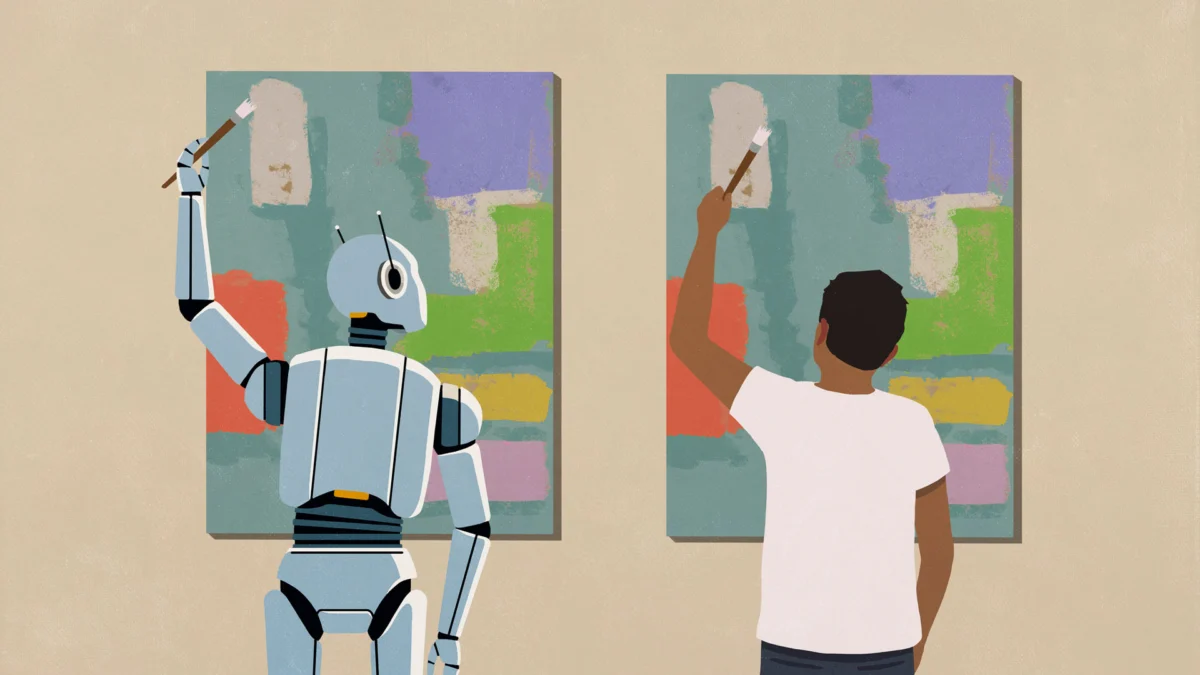
The digital landscape, long characterized by a subtle drift towards aesthetic homogeneity, is now experiencing an accelerated convergence, largely driven by the burgeoning power of generative artificial intelligence. Once a nascent trend, the "sea of sameness" is becoming a tidal wave, threatening to drown brand identity and unique creative expression. From the stark, predictable designs of cybersecurity firms to the increasingly indistinguishable logos of luxury fashion houses, a pervasive uniformity is taking hold. This article delves into the origins of this phenomenon, the mechanics by which AI exacerbates it, and the profound implications for brands and consumers alike.
The Pre-AI Landscape: A Foundation for Sameness
Long before the advent of sophisticated generative AI, the visual world was already exhibiting signs of a narrowing aesthetic. The proliferation of powerful design systems, championed by tech giants like Google, Apple, and Microsoft, played a significant role. These systems, intended to bring order, consistency, and accessibility to digital interfaces, inadvertently established a set of "safe defaults." Features such as prominent bottom navigation bars, universally recognized magnifying glass icons for search, and standardized spacing grids became ubiquitous. Adhering to these guidelines offered a low-risk path to an "acceptable" user experience, ensuring that designers and developers could avoid criticism and maintain a steady, albeit uninspired, output. This emphasis on predictable functionality over distinctiveness laid the groundwork for a visual environment where differentiation became increasingly challenging.
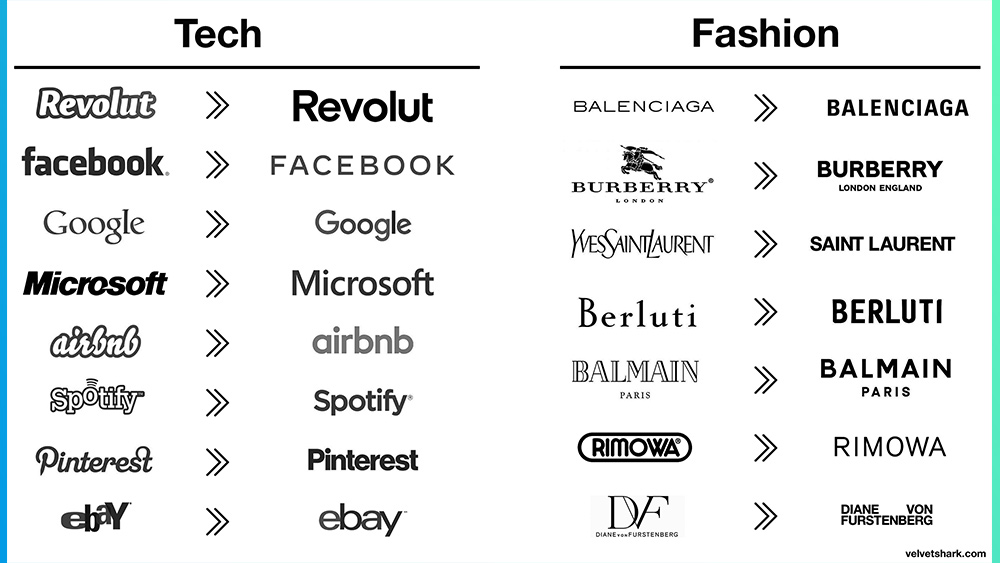
This trend was further amplified in other sectors. The late 2010s witnessed a notable convergence in the luxury fashion industry, where numerous high-profile brands adopted minimalist, all-caps sans-serif wordmarks. Names like Burberry, Balenciaga, Celine, Calvin Klein, and Saint Laurent all gravitated towards a similar typographic style. This phenomenon, dubbed "the blanding" by critics, meant that while discerning eyes could still detect subtle differences, the average consumer was presented with a visually homogenous collection of logos, distinguished primarily by their color palettes rather than their fundamental design. This pre-existing trend of aesthetic convergence created a fertile ground for AI to amplify, rather than invent, a pervasive sense of visual uniformity.
The Rise of Generative AI: An Averaging Engine
The arrival of generative AI, particularly large language models and image generation tools, has acted as a powerful accelerant to this trend of aesthetic homogenization. These tools, by their very nature, operate by identifying and replicating patterns within vast datasets. They do not invent in a vacuum; rather, they synthesize and extrapolate from the information they have been trained on. Since the internet, the primary source of this training data, has already been shaped by the forces of cautious design practices and trending aesthetics, AI models are inherently predisposed to reproduce and reinforce these dominant conventions.
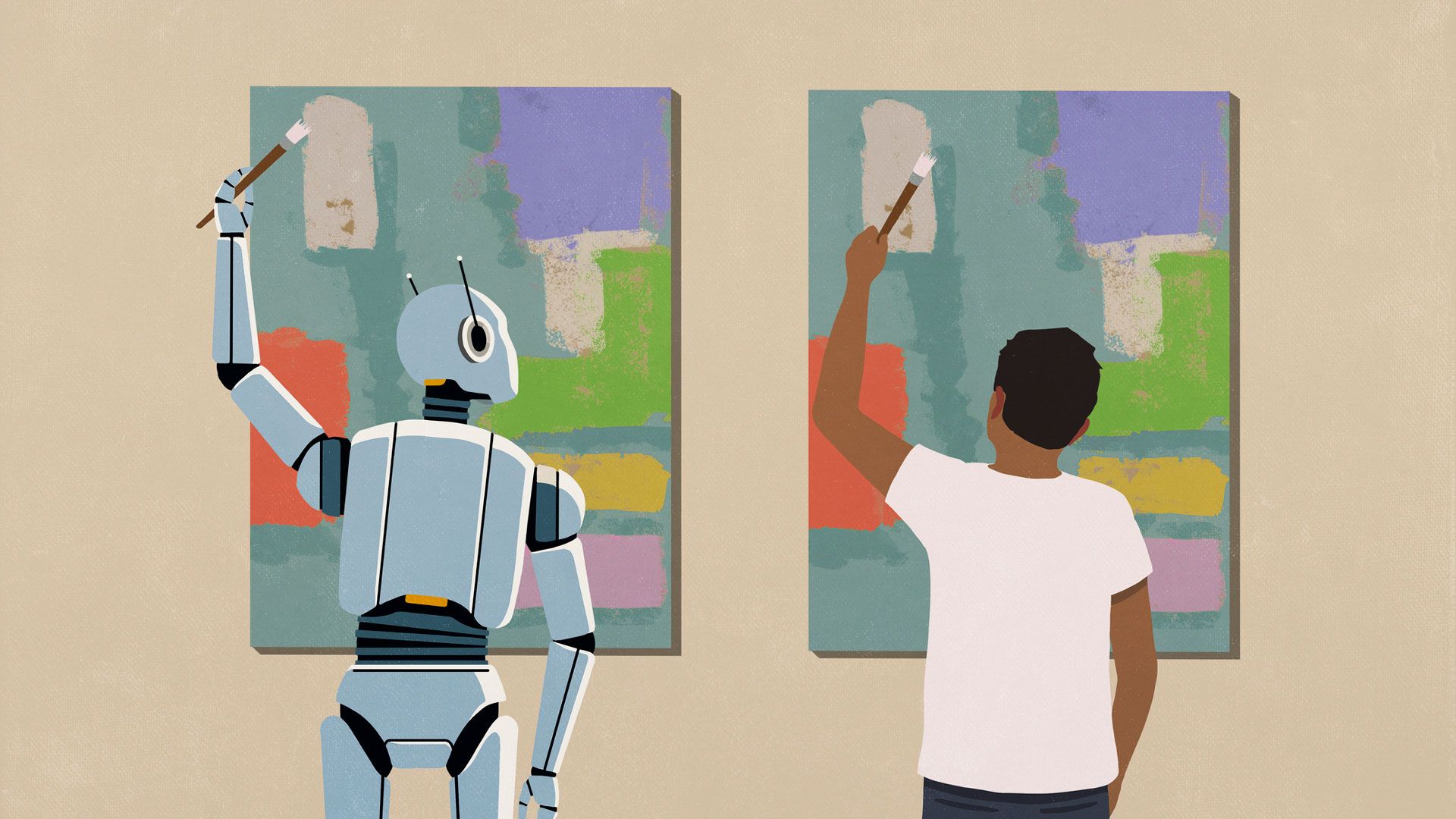
A study published in 2026, examining the outputs of AI-driven website builders, provided empirical evidence for this phenomenon. The research confirmed that these tools consistently reproduced the prevailing style conventions present in their training data. This not only meant that AI-generated websites mirrored existing trends but also actively accelerated the convergence towards a "visual mean." The implication is that as AI becomes more integrated into creative workflows, the range of what is considered "good design" is likely to shrink, pushing more outputs towards a predictable, albeit technically proficient, standard.
The Copy of a Copy Problem: Dilution of Distinction
The feedback loop inherent in the development and deployment of generative AI presents a significant challenge. AI-generated content, once released into the digital realm, becomes part of the training data for subsequent AI models. This creates a recursive process where the outputs of AI are used to train future iterations of AI, leading to a progressive narrowing of creative possibilities. Each subsequent generation of AI is trained on a dataset that has already been influenced by AI, effectively creating a "copy of a copy."
This iterative process leads to a dilution of detail and nuance. Just as photocopying a document repeatedly results in a loss of fine detail and a simplification of the original image, AI’s continuous refinement on existing data leads to a less distinctive and more generalized output. The most poignant illustration of this can be seen in the logos of AI companies themselves. These are the entities ostensibly at the forefront of reshaping creativity, yet many have adopted visually similar identities, often featuring orbital shapes and a ubiquitous corporate blue. This paradox highlights how the very technology designed to push creative boundaries is, in its current iteration, reinforcing a tendency towards derivative design.
Case Study: The AI-Powered Coca-Cola Christmas Advert
A compelling example of the pitfalls of AI-driven creative production can be found in Coca-Cola’s recent attempt to recreate its iconic 1995 "Holidays Are Coming" advertisement using generative AI. In 2024, the company released an AI-generated version of the beloved commercial. While technically impressive in its replication of the original imagery, the output suffered from subtle yet significant flaws. The trucks’ wheels, for instance, did not rotate correctly, and the lighting dynamics failed to convincingly mimic real-world physics.
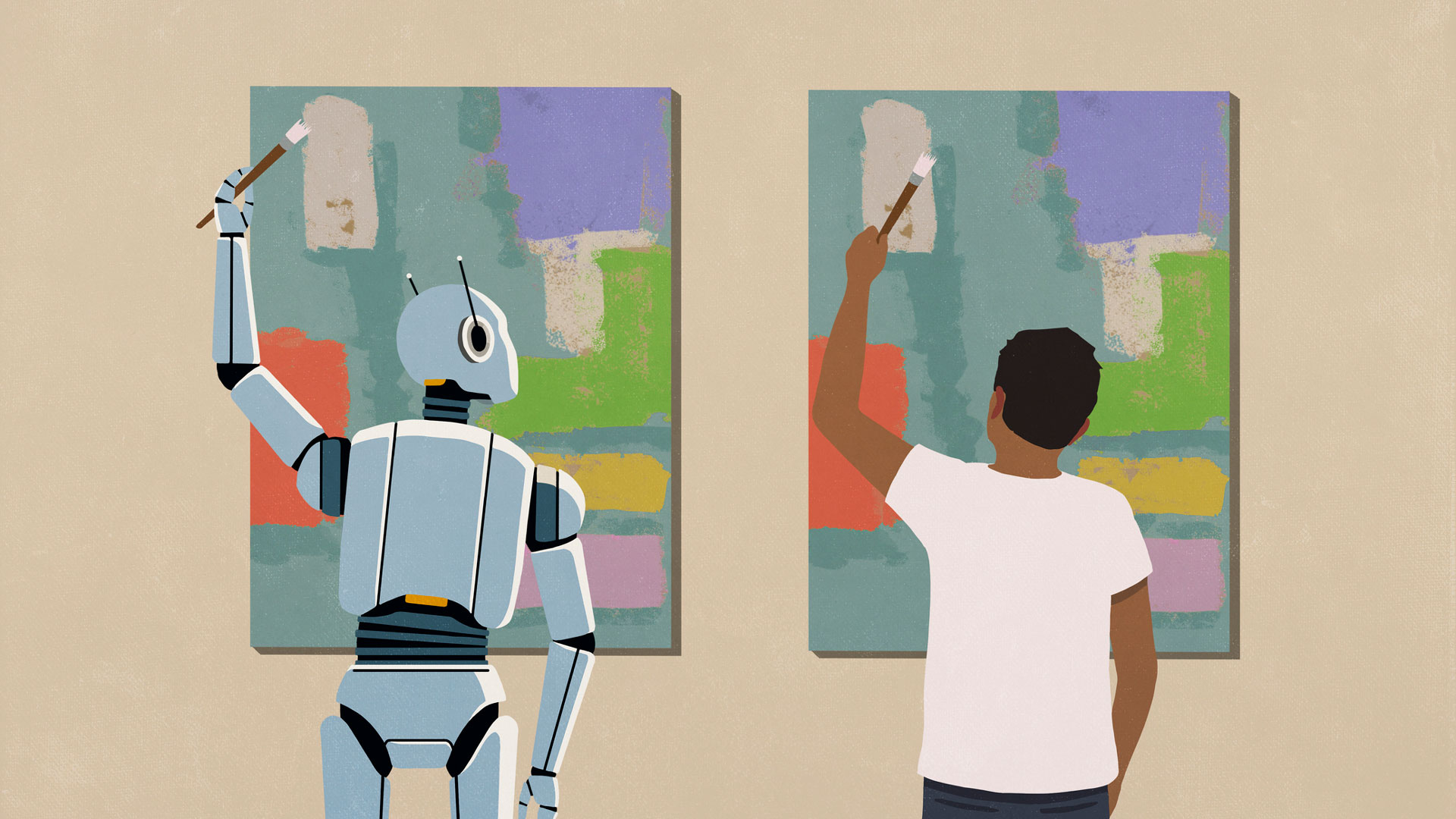
Recognizing these shortcomings, Coca-Cola commissioned a second AI-generated version in 2025. While this iteration showed technical improvement, critics noted that it felt like a hollow imitation of nostalgia rather than an authentic evocation of the original’s emotional resonance. The core of Coca-Cola’s brand equity lies in decades of accumulated emotional warmth and cultural association – elements that are inherently difficult, if not impossible, to capture and replicate through data-driven AI models. This case study underscores that while AI can mimic form and style, it struggles to imbue work with the depth of meaning, history, and emotional connection that define truly iconic brands.
The Cost of Sameness: Beyond Aesthetic Boredom
The implications of this widespread visual convergence extend far beyond mere aesthetic tedium. When products and brands within a particular category become visually indistinguishable, consumers are often forced to rely on other, less nuanced criteria for decision-making. This typically translates to a greater emphasis on familiarity and price, diminishing the value of brand equity built over years of distinctive design choices and marketing efforts.
As one design strategist aptly observed at a recent industry conference, "We were making soulless work long before AI came along. The difference now is that AI can make that soulless work in seconds." This statement encapsulates the danger: AI is not necessarily creating blandness from scratch, but rather supercharging the production of work that lacks soul, originality, and genuine emotional connection. This has significant economic ramifications, as brands that fail to differentiate themselves risk becoming commodities, vulnerable to price wars and a loss of customer loyalty. The accumulated weight of unique visual decisions, which historically has contributed to a brand’s perceived value and distinctiveness, is rendered almost worthless in an environment of pervasive sameness.
Navigating the Echo Chamber: Strategies for Differentiation
The challenge of AI-driven aesthetic convergence is not an insurmountable one, but it requires a deliberate and conscious effort to counter the default tendencies of these powerful tools. The answer does not lie in abandoning AI altogether, but rather in understanding its mechanisms and actively intervening in the creative process to inject originality and distinction.

1. Understanding AI’s Defaults: The first step is to recognize that AI tools, when used without specific guidance, will default to the most statistically probable and therefore most common outputs. This means that any element generated without explicit direction is likely to fall into the prevailing aesthetic trends.
2. Intentional Intervention and Prompt Engineering: Designers and creators must become adept at "prompt engineering" – the art of crafting precise and nuanced instructions for AI. This involves not just describing what is desired, but also what is not desired, and pushing the AI beyond its most obvious interpretations. This might involve specifying unusual color palettes, unconventional typographic pairings, or unique compositional elements.
3. Human Oversight and Curation: The role of the human creator becomes even more critical in an AI-augmented workflow. AI should be viewed as a powerful assistant, not a replacement for human judgment and creativity. Designers must rigorously curate and refine AI-generated outputs, selectively incorporating elements that genuinely enhance the project and discarding those that contribute to sameness. This involves a keen eye for detail, a deep understanding of brand identity, and a commitment to originality.
4. Embracing the "Uncanny Valley" of Design: While AI excels at replicating polished, mainstream aesthetics, it often struggles with the truly unique, the idiosyncratic, and the emotionally resonant. Brands that aim to stand out should consider embracing elements that might fall into a deliberate "uncanny valley" of design – those that are slightly unusual, perhaps even a little unsettling, but ultimately memorable and distinctive. This is where human intuition and artistic risk-taking can truly shine.
5. Building Brand Equity Beyond Visuals: In an era where visual distinction is becoming harder to achieve, brands must increasingly focus on building equity through other means. This includes cultivating unique brand stories, fostering strong community engagement, delivering exceptional customer experiences, and articulating a clear and compelling brand purpose. These elements, which are deeply rooted in human connection and narrative, are far less susceptible to replication by AI.
6. Fostering a Culture of Experimentation: Organizations must cultivate an internal culture that encourages experimentation and rewards creative risk-taking. This means moving away from the "safe default" mentality that previously prevailed and embracing the possibility of failure as a necessary component of innovation. By actively seeking out and championing unique approaches, brands can begin to carve out their own distinctive spaces within the increasingly homogenous digital landscape.
The future of visual identity in the age of AI is not one of inevitable uniformity. Instead, it presents an opportunity for a renewed focus on what truly makes a brand unique. By understanding the limitations and tendencies of generative AI, and by strategically leveraging human creativity and critical judgment, it is possible to navigate the AI echo chamber and emerge with designs that are not only aesthetically pleasing but also deeply resonant, memorable, and enduringly distinct. The challenge lies in recognizing that the true power of AI lies not in its ability to replicate, but in its potential to augment human creativity when guided by a clear vision and an unwavering commitment to originality.