"Grief Eater": Emma Osborne’s Visceral Exploration of Trauma, Identity, and the Undead
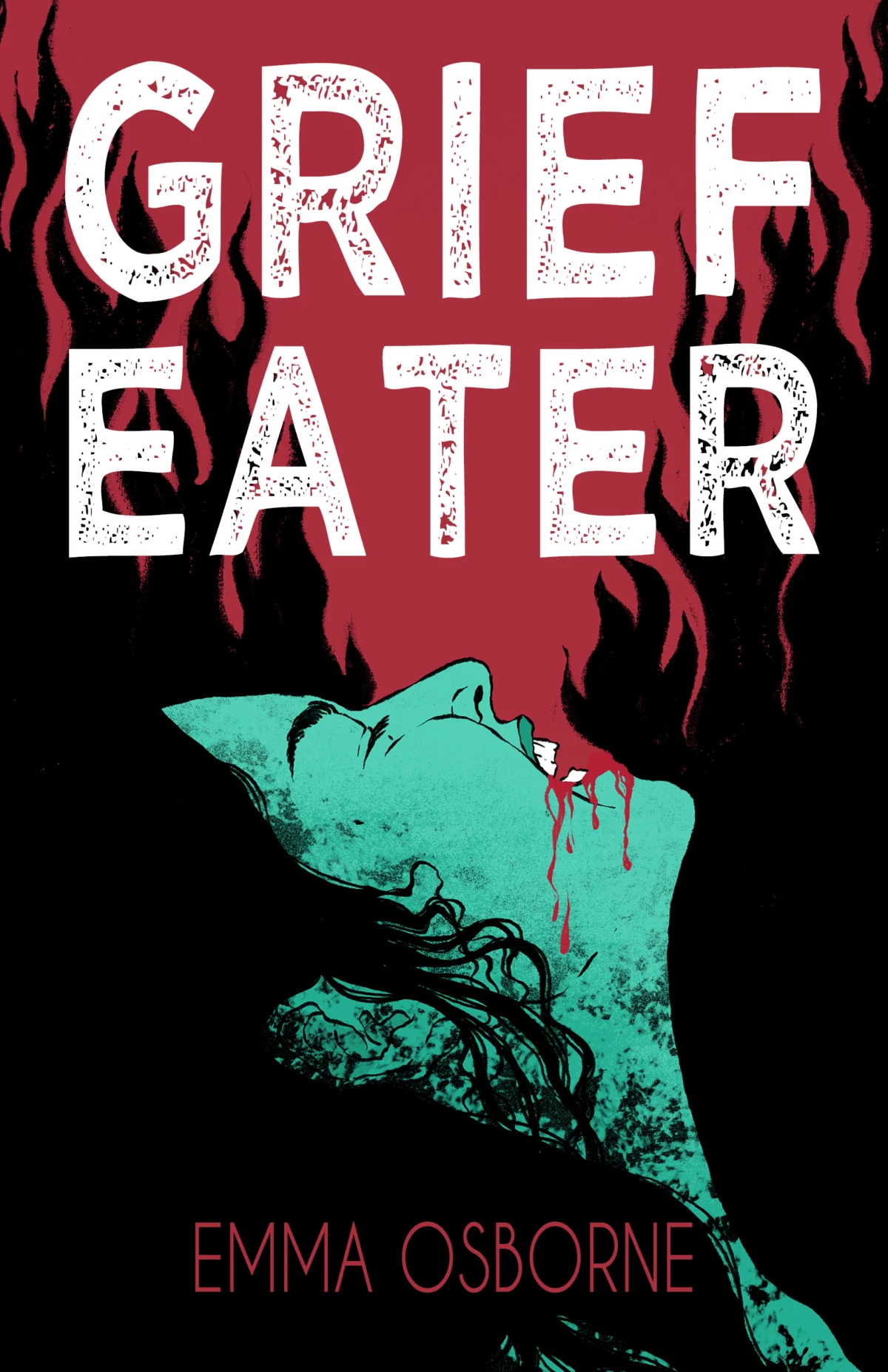
Melbourne, Australia – Author Emma Osborne’s debut novella, "Grief Eater," has emerged as a potent and unflinching examination of trauma, queer identity, and the enduring power of found family, all wrapped in a visceral zombie narrative. Osborne, a queer writer from Naarm, Melbourne, has crafted a story that defies conventional horror tropes, delving into the psychological depths of grief and vengeance with a raw, transgressive edge. The novella, which centers on Kristina, a woman resurrected as a zombie seeking retribution against her abusive family, has been lauded for its bold exploration of challenging themes and its unique narrative approach.
The Genesis of "Grief Eater": A Journey from Short Story to Novella
"Grief Eater" is not an isolated creation but rather the culmination of Osborne’s evolving engagement with their characters and themes. The novella’s roots can be traced back to Osborne’s short story, "Don’t Pack Hope," which featured a protagonist named Josh. While "Don’t Pack Hope" garnered significant recognition, including a reprint in "Wastelands 3: The New Apocalypse," Osborne felt an undeniable pull to further explore the world and its inhabitants.
"I knew I wasn’t done with that world," Osborne stated in a recent interview. "I knew that Kristy, Josh’s best friend, who became Kristina, had her own story. And I knew that, unlike beautiful Josh, Kristina didn’t make it out of the city alive." This desire to give voice to a character whose story had been cut short became the driving force behind "Grief Eater." The novella allows Kristina’s narrative to unfold in a way that a short story might not have permitted, offering a more profound exploration of her journey from victim to vengeful undead.
Narrative Structure and the Power of Flashbacks
A key aspect of "Grief Eater’s" narrative construction is its deliberate use of flashbacks, a technique that Osborne acknowledges can be a contentious choice for readers. Drawing inspiration from advice received during their time at the Clarion West Writers Workshop, where instructor Paul Park advocated for "staying in the present moment," Osborne grappled with how to effectively integrate Kristina’s past into her present undead existence.
"When I was at Clarion West, pretty much ten years ago exactly, our very first instructor, Paul Park, dropped some wisdom into our heads that makes a whole lot of sense. He told us to ‘Stay in the present moment.’ Keep stories in the present. Don’t jump away into flashbacks (unless, presumably, you know what you’re doing)." Osborne explains. However, they also recognized that for Kristina’s story of revenge to carry emotional weight, context was crucial.
"In Grief Eater, Kristina, the main character, dies in the opening chapter and is turned into a zombie. Uh, spoilers, I guess? Anyway, her story, which becomes a revenge narrative, needed to have context if it was going to hit with any emotional weight," Osborne elaborates. Instead of a linear recounting of Kristina’s life, "Grief Eater" interweaves fragments of her past with her present, blood-soaked quest. This approach allows readers to discover Kristina’s history as she relentlessly pursues her tormentors, a narrative choice Osborne believes enhances the impact of her story. Early reviews indicate a mixed reception to this technique, with some finding it disruptive and others finding it integral to the novella’s emotional resonance.
The "Lightning Bolt Moment": Transforming the Narrative Arc
The conceptualization of "Grief Eater" also involved a significant narrative pivot, a "lightning bolt moment" that Osborne describes as transformative. Initially, the novella was conceived as a story of Kristina being drawn to her family by an "invisible compulsion." However, this passive approach left Osborne feeling that something was amiss.
"Grief Eater is a revenge story, but it didn’t start out that way. No, the first draft had my protagonist, Kristina, being pulled towards her terrible family by an invisible compulsion, a need to find them, to stand before them, to find herself seen. It wasn’t a particularly bad book, but I knew that something wasn’t quite right with it," Osborne recalls.
The breakthrough occurred during a seemingly ordinary moment: a shower. "As I usually do, I let the idea roll around in my head for a while. The narrative made itself comfortable in my lizard-brain until one day in the shower, it hit me. Kristina shouldn’t be pulled. She should hunt. It was an oh god, eyes wide, am I really doing this moment, and it was incredible to experience. I think I literally laughed out loud." This shift from a reactive protagonist to an active hunter fundamentally reshaped the novella, infusing it with the raw, vengeful energy that defines its current form. This pivotal moment serves as a constant reminder for Osborne to ensure their protagonists are strong, active, and driven by their desires.
The Soundtrack to Savagery: Music as a Creative Catalyst
Osborne’s creative process is deeply intertwined with music, and "Grief Eater" was no exception. While typically favoring instrumental music from artists like Zoe Keating and Explosions in the Sky, Osborne recognized the need for a more aggressive sonic backdrop to capture the novella’s grim atmosphere.
"For Grief Eater, I knew that I needed to play something savage while I wrote. I needed something heavy, something post-rock," Osborne explains. Their exploration led them to the experimental post-rock band Godspeed You! Black Emperor, and specifically to their track "Mladic" from the album "ALLELUJAH! DON’T BEND! ASCEND!"
"‘Mladic’ from their album ALLELUJAH! DON’T BEND! ASCEND! became the theme song for the novella. If you haven’t heard it, it goes for a full twenty minutes (!!!) and changes and evolves throughout. I only did a little music theory in school, so there are people that can probably explain exactly why it’s so cool in technical terms, but all I know is that it fucking rocks. It genuinely helped me to take the story to darker and more intense places," Osborne enthuses. The twenty-minute epic, with its shifting time signatures and evolving soundscapes, provided the perfect sonic accompaniment to the novella’s journey through violence, grief, and relentless pursuit.
Confronting Uncomfortable Truths: Villains and "Story Truth"
One of the most striking aspects of "Grief Eater" is its unflinching portrayal of its antagonists: Kristina’s parents and older brother. Osborne deliberately chose not to shy away from depicting their violence, neglect, and homophobia, a decision that sparked a crucial conversation with their editor, Holly.
"The villains of Grief Eater are Kristina’s parents and her older brother. When I was editing the novella, I had a conversation with my editor, Holly, about whether I should tone things down a bit, particularly their violence, neglect and homophobia. We decided not to go in that direction, and I am so glad that we preserved the characters as they are," Osborne states.
Osborne acknowledges that the extreme nature of these characters might appear unrealistic to some. However, they firmly assert that such individuals, sadly, do exist. "I can appreciate that such horrible characters may seem a tad unrealistic, but also, people like that, unfortunately, absolutely exist." The depicted familial trauma, including neglect and homophobia, is drawn from Osborne’s personal experiences and those of friends within the LGBTIQA+ community.
Osborne draws a parallel to Tim O’Brien’s seminal work "The Things They Carried," referencing his concept of "story truth." "In his novel ‘The Things They Carried’ by Tim O’Brien, he writes of the horrors of the Vietnam war. He talks about ‘story truth,’ as in, sometimes real truth is so unbelievable that you need to write about it in stories to fully understand the weight of it. Trauma and villainy are like that sometimes." This concept underscores Osborne’s commitment to portraying the profound impact of familial abuse and societal prejudice, even when the "truth" of those experiences is difficult to comprehend.
Finding Light in the Darkness: The Importance of Found Family
Despite the bleakness and brutality that permeate "Grief Eater," Osborne is careful to imbue the narrative with elements of hope and resilience. Kristina’s support system, though fractured by her undead state, includes her best friend Josh and her Aunt Jill. These relationships serve as vital counterpoints to the overwhelming darkness of her family.
"While Kristina’s family are horrendous people, she also has her best friend, Josh, and a supportive Aunt, Jill. I wanted to make sure that though dark, her story still has elements of light," Osborne explains. This deliberate inclusion of positive relationships highlights the enduring significance of found family, particularly for those who have experienced estrangement or abuse. It underscores the idea that even in the face of unimaginable trauma, connection and love can still be found.
A Transgressive Examination of Identity and Grief
"Grief Eater" is more than just a zombie story; it is a transgressive exploration of queer identity and the corrosive nature of grief. Kristina’s undead state becomes a potent metaphor for the ways in which trauma can consume and transform an individual. Her journey is one of reclaiming agency and confronting the source of her pain, even if that confrontation is through a monstrous lens.
The novella delves into the complexities of being devoured by grief, both literally and figuratively. Kristina’s physical hunger for blood mirrors the insatiable nature of unresolved trauma and the yearning for justice. Her quest for vengeance is not merely about inflicting pain but about confronting the perpetrators of her suffering and, perhaps, finding a form of catharsis.
Osborne’s background as a queer writer deeply informs the novella’s thematic richness. The experiences of marginalization and the struggle for self-acceptance are woven into the fabric of Kristina’s story. The novella challenges societal norms and expectations, offering a perspective that is both personal and universally resonant.
Authorial Background and Future Endeavors
Emma Osborne (they/them) is a rising voice in speculative fiction. Their work, characterized by its emotional depth and thematic complexity, has appeared in numerous prestigious publications, including Uncanny Magazine, Nightmare Magazine, and the Year’s Best Australian Fantasy and Horror. Their graduation from the 2016 Clarion West Writers Workshop marked a significant milestone in their development as a writer.
"Grief Eater" represents a significant achievement as their debut novella, marking their arrival as a notable talent in the genre. Osborne currently resides in Sunbury with their girlfriend and their three cats, continuing to cultivate their creative practice. Their engagement with readers through platforms like Bluesky and Instagram signals a commitment to fostering a community around their work. The availability of "Grief Eater" through various booksellers, including Bookshop.org and Amazon, ensures its accessibility to a wide audience eager to experience Osborne’s powerful storytelling. As readers engage with "Grief Eater," they are invited to confront difficult truths, celebrate the resilience of the human spirit, and witness the transformative power of vengeance and catharsis within a unique and unforgettable narrative.