The Algorithmic Shift: Why Gen Z is Trading Google for TikTok and Reddit
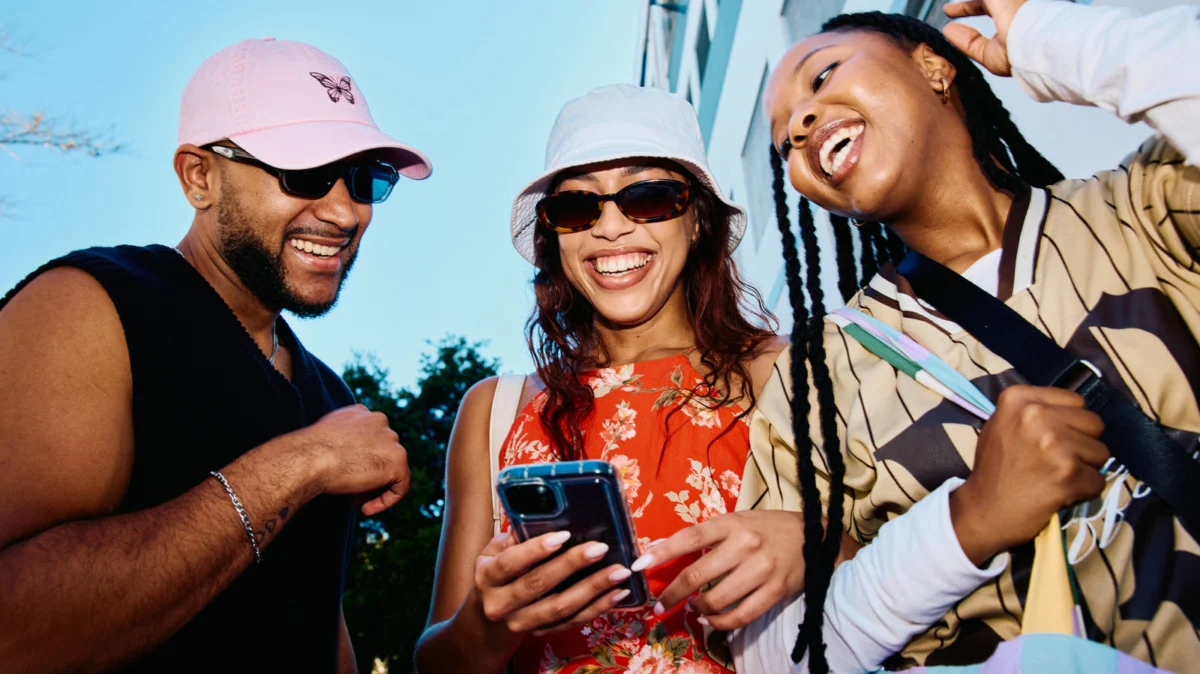
For over two decades, "Google" has functioned as more than just a brand name; it has been a universal verb. Since its inception in 1998 by Stanford students Larry Page and Sergey Brin, the search engine has served as the undisputed gatekeeper of the World Wide Web. However, a seismic shift in digital behavior is currently underway. A new generation of users—Gen Z—is increasingly bypassing the traditional search bar in favor of the curated, visual, and community-driven ecosystems of TikTok, Instagram, and Reddit.
Recent data suggests that the monopoly on information retrieval is fracturing. As Google leans heavily into Artificial Intelligence (AI) to summarize the web, younger cohorts are retreating toward "human-centric" platforms, seeking authenticity over algorithms. This transition marks a fundamental change in how information is consumed, verified, and valued in the digital age.
The Core Data: Quantifying the Exodus
The shift from traditional search engines to social media platforms is no longer merely anecdotal. A comprehensive study recently conducted by Adobe Express, which surveyed over 800 consumers and 200 small business owners in the United States, provides a clear statistical picture of this transition.
According to the report, nearly one in two consumers (49%) now utilize TikTok as a search engine. Among Gen Z—the demographic born roughly between 1997 and 2012—the reliance on social search is even more pronounced. Approximately 25% of Gen Z respondents explicitly stated that TikTok is an effective alternative to traditional search engines.
The diversification of search habits doesn’t end with short-form video. The study revealed that 38% of Gen Z users prefer Reddit as a search tool. This preference highlights a growing desire for peer-vetted information and "real-world" discussions over the polished, SEO-optimized articles that often dominate Google’s first page. Despite these rising trends, Google maintains a significant foothold, with 89% of the demographic still utilizing the platform to some extent. However, the nature of that usage is changing; while Google remains the tool for factual queries or long-form research, social media has become the primary engine for discovery, lifestyle, and commerce.
A Chronology of Search: From Keywords to "Vibes"
To understand why this shift is happening now, one must look at the evolution of the internet’s infrastructure over the last quarter-century.
1998–2010: The Era of Information Organization
In its infancy, Google’s primary mission was to organize the world’s information. Search results were ranked largely on "PageRank," a system that measured the authority of a website based on how many other sites linked to it. For users, the internet was a library, and Google was the ultimate card catalog.
2011–2019: The Rise of SEO and the "Social Web"
As businesses realized the value of the top spot on Google, Search Engine Optimization (SEO) became a multi-billion dollar industry. This led to a saturation of content designed for bots rather than humans. Simultaneously, platforms like Instagram and Pinterest began to emerge as visual discovery tools, though they were not yet considered primary search engines.
2020–2022: The Pandemic and the TikTok Explosion
The COVID-19 pandemic accelerated the adoption of TikTok. During this period, the platform’s algorithm evolved to become hyper-efficient at predicting user interest. In 2022, Prabhakar Raghavan, a Senior Vice President at Google who heads the Knowledge & Information organization, made a startling admission at a technology conference. He noted that according to internal Google research, nearly 40% of young people (ages 18 to 24) when looking for a place for lunch, do not go to Google Maps or Search—they go to TikTok or Instagram.
2023–Present: The AI Integration and the Authenticity Backlash
In response to the rise of TikTok and the emergence of ChatGPT, Google introduced "AI Overviews." While designed to provide quick answers, these AI-generated summaries have occasionally met with skepticism from younger users who perceive them as a "black box" of information. This has driven Gen Z further toward platforms where they can see a human face and hear a human voice.
Supporting Data: The Psychology of Social Search
The Adobe Express study delved into the specific reasons why users are migrating toward social platforms. The findings suggest that the move is driven by a preference for specific content formats that traditional search engines struggle to replicate.
- Short-Form Video (26%): Users cited the efficiency of 15-to-60-second videos. Seeing a product in action or a restaurant’s actual atmosphere provides a level of sensory data that a text-based review cannot.
- Storytelling (21%): Gen Z values narrative. A TikTok "story" about a travel mishap or a successful skincare routine feels more relatable and trustworthy than a corporate "Top 10" list.
- Interactivity (17%): The ability to ask questions in the comments and receive answers from the creator or other users creates a feedback loop that makes the search process feel like a community effort.
This "human-focused" experience acts as a buffer against the perceived "sterility" of AI. For many Gen Z users, a search for "best headphones" on Google yields a barrage of sponsored links and AI-generated text. A similar search on TikTok or Reddit yields videos of people actually wearing the headphones or threaded discussions about their long-term durability.
Official Responses: How Google is Fighting Back
Google is not standing idly by as its core territory is encroached upon. The tech giant has spent the last two years attempting to "socialize" its search results.
Prabhakar Raghavan has emphasized that Google is working to incorporate more visual and social elements into its results pages. One major initiative involves indexing TikTok and Instagram videos directly within Google Search. When a user searches for a specific topic, Google may now present a "Short Videos" carousel that links directly to these social platforms.
Furthermore, Google is attempting to pivot Google Maps into a "discovery" tool rather than just a navigation utility. By introducing "Immersive View" and encouraging more user-generated video reviews, Google hopes to reclaim the "where to eat" and "what to do" searches that it has lost to Instagram.
However, the company faces a paradox. To compete with TikTok, it must become more like a social network. But to maintain its utility as a global reference tool, it must remain an objective index of the web. Balancing these two identities is the primary challenge facing Google’s leadership today.
Implications: The Future of Digital Marketing and SEO
The shift in search behavior has profound implications for businesses, particularly small business owners who rely on digital visibility to survive.
1. The Rise of "VEO" (Video Engine Optimization)
Traditional SEO, which focuses on keywords and backlinks, is being supplemented by Video Engine Optimization. Small businesses are finding that a single viral TikTok can drive more foot traffic than a year of blogging. Marketers are now being forced to master video editing and "on-camera" charisma to stay relevant.
2. The Decline of the "Traditional" Article
For years, the "long-form article" was the gold standard for ranking on Google. However, if Gen Z finds these articles too cumbersome to read, the value of this content declines. This is leading to a "fragmentation of content," where information must be atomized into bite-sized, shareable pieces to reach younger audiences.
3. The Trust Deficit and the "Dead Internet Theory"
The move toward Reddit and TikTok is also a reaction to the "Dead Internet Theory"—the belief that the majority of the internet is now populated by bots and AI-generated content. By seeking out platforms with high "human signals" (like voice, face, and real-time conversation), Gen Z is attempting to verify that the information they are receiving is coming from a sentient being with actual experience.
4. Privacy and the Algorithmic Bubble
While social search offers authenticity, it also reinforces algorithmic "echo chambers." While Google aims to provide the most accurate result, social media platforms aim to provide the most engaging result. This could lead to a future where "truth" is determined by engagement metrics rather than factual accuracy.
Conclusion: A Hybrid Future
The rise of TikTok and Reddit as search engines does not necessarily signal the "death" of Google, but it does signal the end of its era as a monolithic gatekeeper. We are moving toward a hybrid search environment where users choose their platform based on the intent of their query.
If a user needs to know the historical date of the Magna Carta, they will likely still use Google. However, if they want to know "how to style an oversized blazer" or "is the new bistro on 5th Street worth the hype," they will turn to the creators they trust on social media.
For Gen Z, search is no longer a solitary act of typing into a blank white box; it is a social, visual, and interactive journey. As AI continues to reshape the digital landscape, the premium on "human" information will only grow, ensuring that the battle between the traditional search engine and the social algorithm will be the defining tech conflict of the decade.