A Sea of Litigation: Krafton’s Landmark Defeat in the Subnautica Earnout Dispute
By Senior Industry Correspondent
March 17, 2026
In a ruling that has sent shockwaves through the global interactive entertainment industry, the Delaware Court of Chancery has delivered a stinging rebuke to South Korean gaming giant Krafton. The first phase of a high-stakes legal battle between the PUBG publisher and the founders of Unknown Worlds—the acclaimed studio behind the Subnautica franchise—has concluded with a decisive victory for the developers.
The litigation centers on a disputed $250 million "earnout" payment, a contractual incentive designed to reward the founders if certain performance milestones were met following Krafton’s acquisition of the studio in 2021. The court’s findings suggest a calculated attempt by Krafton to circumvent these obligations through the summary dismissal of the studio’s leadership, a move the judge has now labeled a breach of contract.
The Core Dispute: A Question of Corporate Bad Faith
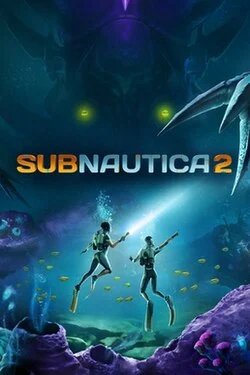
At the heart of the conflict is a classic "earn-out" structure, a common mechanism in multi-million dollar mergers and acquisitions (M&A). When Krafton acquired Unknown Worlds in 2021, the deal included an upfront payment supplemented by a potential $250 million bonus, contingent upon the studio’s performance and the successful development of Subnautica 2.
As the release of the sequel approached and the milestones became achievable, the relationship between the parent company and the subsidiary founders soured. In a move that shocked the industry last year, Krafton fired the original founders, including CEO Edward Gill, claiming the dismissals were "for cause." By terminating the founders, Krafton argued that the conditions for the earnout were no longer met, effectively attempting to wipe a quarter-billion-dollar liability off its balance sheet.
However, the founders countered with a lawsuit, alleging that the "for cause" terminations were a fabricated pretext designed specifically to "weasel out" of the payment. The Delaware court has now validated the founders’ claims in the first phase of the trial, ruling that Krafton’s actions were a direct violation of the acquisition agreement.
Chronology: From Acquisition to Courtroom
To understand the gravity of the court’s decision, one must trace the timeline of the partnership between the Seoul-based conglomerate and the independent American developer.
2021: The Honeymoon Period
In October 2021, Krafton announced the acquisition of Unknown Worlds as part of a strategy to diversify its portfolio beyond the PUBG universe. At the time, Krafton praised the studio’s "unparalleled creativity" and promised to maintain its independent spirit. The $250 million earnout was positioned as a "win-win" that would align the founders’ interests with Krafton’s long-term growth.
2023–2024: Rising Tensions
As development on Subnautica 2 progressed, internal friction began to surface. Industry insiders suggest that Krafton pushed for more aggressive monetization and "live service" elements—features that often clash with the atmospheric, single-player roots of the Subnautica series. The founders reportedly resisted these changes to protect the integrity of the IP.
2025: The Purge
In mid-2025, just as Subnautica 2 was entering its final stages of production and the earnout window reached its critical zenith, Krafton abruptly terminated Edward Gill and his fellow founders. The "for cause" justification remained vague, citing "insubordination" and "failure to meet corporate governance standards."
2026: The Judicial Reckoning
The founders filed suit in Delaware, the legal home of many corporate entities, leading to the discovery process and the Phase 1 ruling issued this week. The court’s review of internal communications and contractual language led to the conclusion that the firings were a tactical breach intended to impair the earnout.
Supporting Data and Discovery Highlights
The discovery phase of the trial produced a trove of internal Krafton documents that proved instrumental in the judge’s decision. Shared by industry figures such as Rami Ismail, these documents paint a picture of a parent company increasingly desperate to avoid a massive payout during a period of broader market volatility.

The "Ouster" Tactics
The court noted that the evidence did not support a "for cause" termination. Instead, the documents suggested that Krafton’s executive team viewed the founders as obstacles to financial optimization. The judge’s conclusion was definitive: Krafton broke the contract by firing the employees without legitimate cause.
The Reinstatement Mandate
In a rare move for corporate litigation involving high-level executives, the judge has ordered the immediate reinstatement of Edward Gill as CEO. Furthermore, the court has extended the timeline of the earnout period. This extension is designed to compensate for the time lost during Gill’s "ouster," ensuring that the founders are not penalized for the period they were wrongfully barred from the studio.
Protecting the Product
Perhaps most significantly for fans of the franchise, the court issued an injunction against Krafton. The ruling specifically states that Krafton is "enjoined from… impeding Gill’s authority over the early access launch of Subnautica 2." This ensures that the creative vision of the original makers remains intact as the game moves toward its most critical commercial phase.
Official Responses and Industry Reaction
The fallout from the ruling has prompted a flurry of statements from the involved parties and legal experts.
Krafton’s Stance
In a brief statement following the ruling, a spokesperson for Krafton expressed disappointment: "While we respect the court’s process, we disagree with the findings of the first phase. Our actions were always motivated by the best interests of the project and our shareholders. We are currently evaluating our options for appeal as we move into the second phase of litigation."
The Founders’ Victory
Legal counsel for Edward Gill and the Unknown Worlds founders released a more triumphant note: "This ruling is a victory for creative independence and the sanctity of contracts. It sends a clear message that large publishers cannot use their size to bully developers or evade their financial promises through manufactured ’cause’ terminations."
The Analyst View
Market analysts suggest that this case could change how future M&A deals are structured in the gaming sector. "We’ve seen a lot of acquisitions over the last five years, many with heavy earnout components," said Sarah Brennan, a senior analyst at Interactive Equity. "If Krafton had succeeded, it would have set a dangerous precedent that ‘for cause’ clauses could be weaponized to effectively discount the purchase price of a studio after the fact. The Delaware court has essentially held the line for developer rights."
Implications: The Road to Phase 2 and Beyond
While the first phase of the trial has concluded, the legal battle is far from over. The litigation now moves into its second, and potentially more expensive, phase.
Phase 2: Damages and Impairment
The upcoming second phase will determine whether Krafton’s actions "wrongfully impaired" the earnout beyond the simple fact of the firing. The court will investigate if Krafton’s interference caused delays or reduced the quality of Subnautica 2, thereby making the earnout harder to achieve. If the court finds in favor of the founders again, Krafton could be liable for the full $250 million plus significant legal fees and potentially punitive damages.
Impact on Subnautica 2
For the gaming public, the reinstatement of Edward Gill provides a sense of stability for the upcoming sequel. However, the internal culture at Unknown Worlds is likely fractured. Reintegrating a CEO who was recently fired by the parent company—and who is currently suing that parent company—creates an unprecedented management dynamic. How the rank-and-file developers navigate this "cold war" between their studio head and their owners will be a major factor in the game’s eventual success.
A Warning to the Industry
This case serves as a cautionary tale for independent studios looking to sell to major conglomerates. While the upfront cash is attractive, the "earnout" is only as good as the contract that protects it. The "Subnautica Case" will likely be cited for years in boardrooms as a reason to demand more robust protections against wrongful termination and "bad faith" interference.
As the industry watches closely, the second phase of Gill v. Krafton promises to further illuminate the murky waters where creative passion meets corporate greed. For now, the creators of the ocean’s most famous survival game have proven that they are just as capable of surviving the treacherous depths of the legal system as they are the alien seas of 4546B.