The Engineering Logic Behind Sennheiser’s Proprietary Audio Jack: Security vs. Standardization
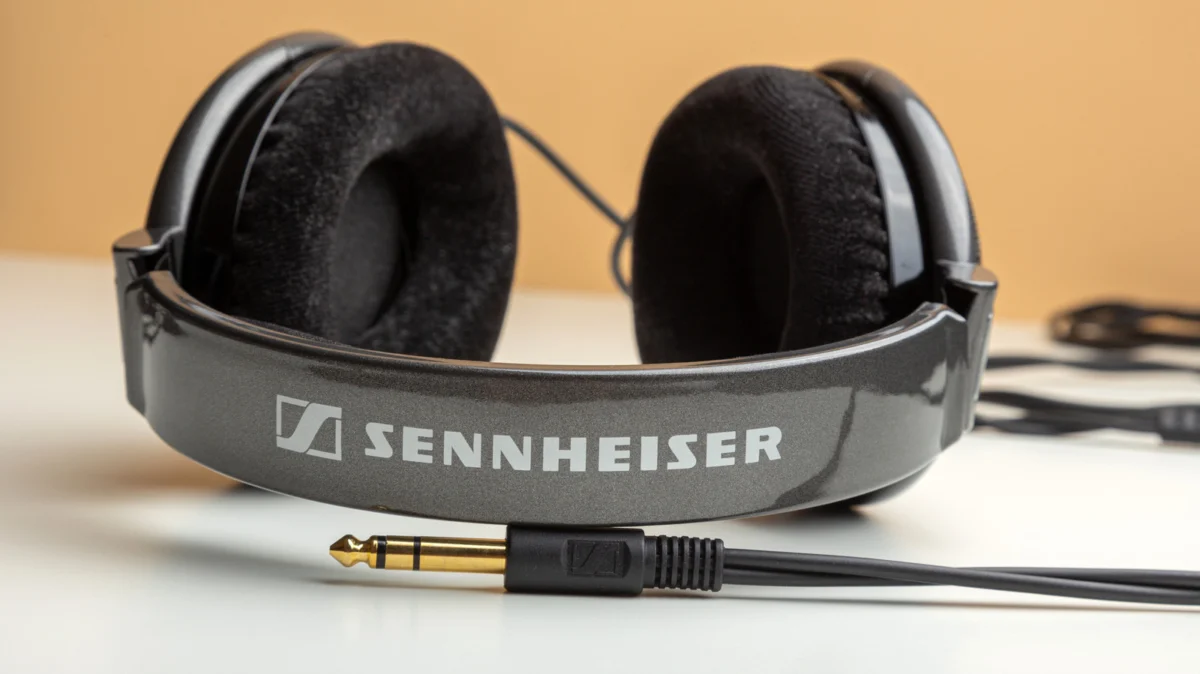
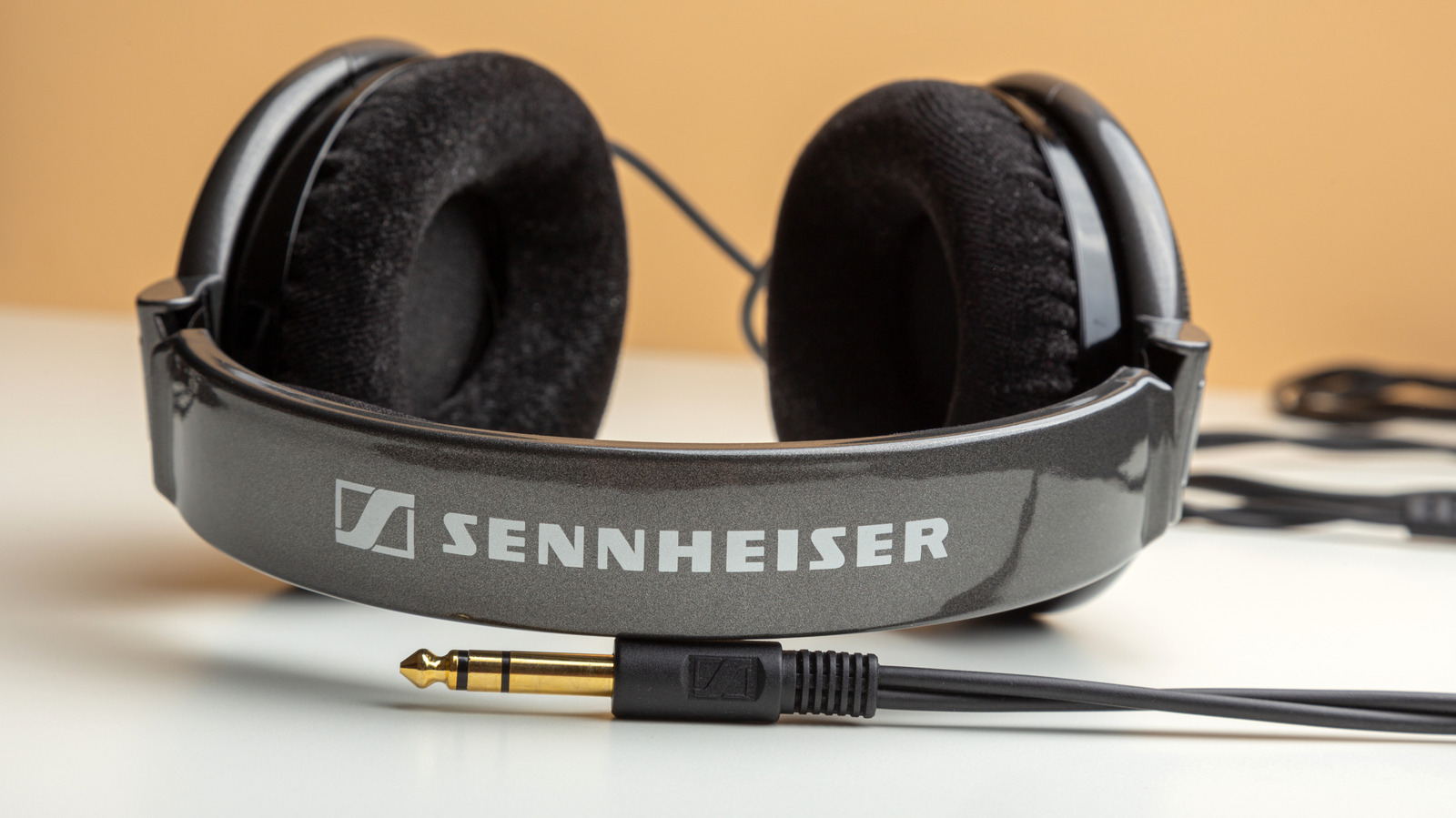
In the high-fidelity audio world, Sennheiser is a name synonymous with German engineering, acoustic precision, and a legacy of industry-defining headphones. However, even the most loyal enthusiasts often find themselves baffled by one specific design choice found in some of the brand’s most popular mid-range models: the idiosyncratic 2.5mm twist-lock audio jack. While the rest of the consumer electronics world has largely coalesced around the 3.5mm standard, Sennheiser has historically doubled down on a proprietary connection system that requires a specific "key" to function.
This article explores the technical motivations, historical context, and consumer implications of Sennheiser’s "weird" audio jack, examining why a company built on acoustic excellence would choose a path that complicates cable replacement for its users.
I. Main Facts: The Anatomy of the Twist-Lock Connection
The core of the controversy lies in the physical architecture of the headphone-side input. Most modern headphones utilize a 3.5mm (1/8-inch) TRS (Tip-Ring-Sleeve) port, allowing users to swap cables from various manufacturers easily. However, a significant portion of Sennheiser’s catalog—most notably the HD 500 series (including the HD 559, HD 560S, HD 598, and HD 599) and the HD 450BT—utilizes a 2.5mm sub-miniature jack.
The size difference is only the beginning. These ports are deeply recessed within the headphone casing and feature a proprietary "twist-lock" or bayonet-style mounting system. To connect the cable, a user must insert the 2.5mm plug, which is housed in a specific plastic sleeve with carved grooves, and rotate it clockwise. This "locks" the cable into the chassis of the headphones.
Key Specifications:
- Plug Size: 2.5mm (compared to the standard 3.5mm).
- Mechanism: Bayonet-style twist-lock.
- Primary Models: HD 518, HD 558, HD 559, HD 560S, HD 569, HD 579, HD 598, HD 599, and the HD 4.40BT/450BT series.
- Compatibility: Non-proprietary 2.5mm cables typically will not fit due to the narrow, recessed port and the absence of the locking grooves.
II. Chronology: The Evolution of the Audio Connector
To understand why Sennheiser opted for a 2.5mm locking mechanism, one must look at the history of audio connectors and the specific market segment the HD 500 series was designed to occupy.
The Standard Era (1940s–1980s)
For decades, the 6.35mm (1/4-inch) jack was the undisputed king of audio. Originating from 19th-century telephone switchboards, it was rugged and reliable. As portable electronics like the Sony Walkman emerged in the late 1970s and early 80s, the 3.5mm jack became the new consumer standard, offering a smaller footprint without sacrificing too much durability.
The Rise of the HD 500 Series (Early 2000s)
When Sennheiser developed the HD 500 series, they were targeting "prosumers"—users who wanted audiophile-grade sound in a lightweight, often plastic-chassis design. Engineering a 3.5mm port into a lightweight, open-back headphone creates a structural challenge: the port takes up significant internal volume, and the leverage applied by a heavy 3.5mm cable can easily crack the internal solder points or the plastic housing.
The Shift to 2.5mm
Sennheiser began implementing the 2.5mm jack in these models to save internal space and reduce weight. However, the 2.5mm jack is notoriously fragile compared to its larger siblings. To compensate for this inherent physical weakness, Sennheiser engineers introduced the twist-lock mechanism. This allowed them to use the smaller connector while ensuring it would not snap or pull out under stress.
III. Supporting Data: Technical Benefits and Structural Integrity
The decision to use a 2.5mm twist-lock jack is not merely an attempt to frustrate users; it is rooted in mechanical engineering principles.
1. Lever Force and Strain Relief
A standard 3.5mm jack relies on friction to stay in place. If a user trips over their cable, the cable is designed to pull out. However, if the pull occurs at an angle, the "lever arm" of the plug can exert tremendous force on the internal female jack. Because the 2.5mm plug is thinner, it is more susceptible to bending. By locking the plastic housing of the cable into the headphone shell, the "twist-lock" transfers the strain from the delicate metal pin to the sturdy plastic exterior of the headphones.
2. Contact Stability
In high-fidelity audio, any movement of the connector within the jack can cause "crackling" or momentary signal loss. Sennheiser’s locking mechanism ensures that the contact points between the plug and the internal springs are perfectly aligned and immobile. This reduces wear and tear on the internal components over years of use.
3. Weight Management
The HD 500 series is prized for its "disappearing" comfort. By using a 2.5mm sub-miniature system, Sennheiser keeps the overall weight of the earcup assembly lower, contributing to the long-term wearability that has made the HD 599 and HD 560S staples of the "work-from-home" and gaming communities.
IV. Official Responses: The Manufacturer’s Stance
Sennheiser’s official documentation and marketing materials emphasize "reliability" and "security" when discussing their proprietary connections. The company maintains that the design is a feature intended to enhance the user experience rather than a bug intended to limit it.
According to official product descriptions, the twist-lock mechanism "keeps your cable securely in place to avoid inadvertent separation." Sennheiser’s support teams frequently highlight that for home listening—where a user might move around a desk or lean back in a chair—the security of the connection prevents the frustrating "half-plugged" audio dropouts common with standard friction-fit jacks.
Regarding the difficulty of finding replacements, Sennheiser encourages the use of official parts. They warn that third-party cables may not adhere to the exact tolerances of the bayonet mount, potentially leading to:
- Damage to the internal locking "teeth."
- Poor signal-to-noise ratios due to improper seating.
- Physical blockage of the recessed port.
While Sennheiser offers replacement cables for approximately $13.00 to $20.00, they have remained firm in their use of the design for specific product lines, even as other manufacturers move toward more universal standards.
V. Implications: The Cost of Non-Standardization
While the engineering logic is sound, the real-world implications for the consumer are a mix of technical security and logistical frustration.
The "Proprietary Trap"
The most significant implication is the lack of interoperability. A user cannot simply take a high-quality braided cable from another pair of headphones and use it with their Sennheiser HD 560S. This forces consumers into a secondary market of "Sennheiser-compatible" cables, which are often more expensive than standard 3.5mm cables or of lower build quality if sourced from unverified third-party vendors.
The Modding Community
The frustration with the 2.5mm twist-lock has birthed a niche "modding" community. Many audiophiles perform "jack surgeries," where they disassemble the headphones, remove the proprietary 2.5mm locking jack, and solder in a standard 3.5mm female port. The fact that users are willing to void their warranties to remove this feature suggests a significant disconnect between Sennheiser’s engineering goals and consumer desires for standardization.
Right to Repair and Sustainability
In an era where "Right to Repair" is becoming a legal and ethical mandate, proprietary connectors are increasingly viewed with skepticism. If a Sennheiser cable breaks and the official replacement is out of stock, the headphone becomes temporarily e-waste. While Sennheiser does a better job than most at keeping parts in stock, the reliance on a non-standard jack creates an unnecessary barrier to long-term maintenance.
Conclusion: Engineering Excellence vs. Consumer Convenience
Sennheiser’s use of the 2.5mm twist-lock jack is a classic example of "over-engineering." From a purely mechanical perspective, it solves the problem of connector fragility and accidental disconnection with German precision. However, in the broader ecosystem of consumer electronics, it creates an "island" that isolates Sennheiser users from the convenience of the 3.5mm standard.
For the audiophile, the trade-off is clear: you receive a secure, high-fidelity connection that is structurally reinforced, at the cost of being tethered to a specific cable ecosystem. As Sennheiser continues to evolve under its new ownership (Sonova), it remains to be seen if they will maintain these proprietary quirks or finally embrace the universal 3.5mm standard across their entire lineup. Until then, owners of the HD 500 series should keep a spare official cable handy—and remember to "twist" before they "pull."