“Believable and consistent up close”: What the dinosaurs of The Lost Wild share with Microsoft’s cancelled Everwild, according to the designer who worked on both
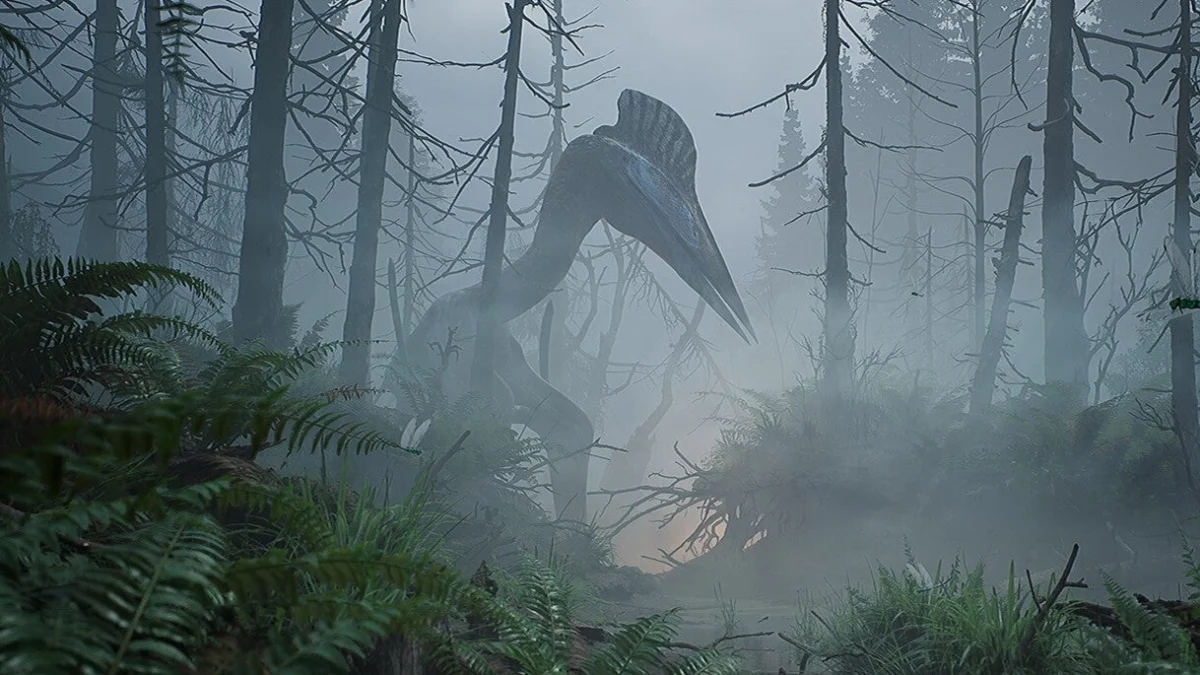
Former Rare Design Director Gary Napper Discusses the Nuances of Creature Design in Upcoming Dinosaur Survival Game, Drawing Parallels and Contrasts with His Previous Work.
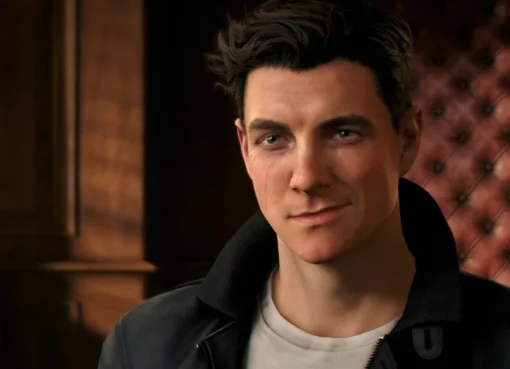
In the realm of video game development, crafting compelling and believable non-player characters (NPCs) is a perpetual challenge. For creatures, this task often becomes exponentially more complex, requiring developers to imbue them with a sense of purpose, intelligence, and natural behavior that transcends mere programmed aggression. Gary Napper, a veteran game designer whose resume boasts stints at the esteemed Rare and as lead designer for Creative Assembly’s critically acclaimed survival horror title, Alien: Isolation, is currently at the helm of Great Ape’s ambitious new project, The Lost Wild. In a recent interview, Napper offered a fascinating glimpse into the design philosophy behind this upcoming dinosaur survival game, drawing insightful comparisons to his past projects, particularly Alien: Isolation and the tragically canceled Rare title, Everwild.
Napper’s perspective on the design of Alien: Isolation‘s titular Xenomorph offers a stark contrast to the aspirations for the creatures in The Lost Wild. He posits that the alien in Alien: Isolation, while terrifying and masterfully implemented, presented a comparatively "easier design challenge." This assertion stems from the fundamental nature of the Xenomorph’s role: its primary objective was singular and absolute – to hunt and kill the player. The inherent horror of Alien: Isolation lies in the player’s vulnerability and the alien’s relentless pursuit, a narrative driven by a primal, unyielding instinct for predation. Consequently, the design team for Alien: Isolation did not need to grapple with the intricate nuances of making the creature feel like it possessed independent motivations or a complex internal life beyond its immediate predatory drive. Its purpose was clear, its behavior, while unpredictable in its execution, was ultimately rooted in a single, fatal goal.
The Elusive Nature of Believable Beasts: From Alien: Isolation to The Lost Wild
The design landscape for The Lost Wild, however, is markedly different. Napper explains that the goal is to create creatures that are not simply antagonists but are instead portrayed as authentic, living beings with their own drives and purposes. This ambition necessitates a far more intricate and challenging design process. "Trying to create animals or creatures that when observed behave in a realistic and believable way and seem to have their own drives and purpose can be a much harder task," Napper stated in a recent interview. This focus on verisimilitude means that the dinosaurs in The Lost Wild are intended to exhibit a level of intelligence and character that goes beyond simple aggression. Players are encouraged to observe their behavior, understand their routines, and, crucially, to foster a sense of respect for these prehistoric behemoths.
This distinction is paramount to Napper’s vision. In Alien: Isolation, the player’s primary objective was survival, often achieved through evasion and strategic use of the environment to outwit a singular, terrifying entity. The alien’s existence was inextricably linked to the player’s demise. In contrast, The Lost Wild aims to cultivate a different player experience, one that emphasizes coexistence and understanding rather than outright combat. The mantra of "Animals, not monsters" encapsulates this philosophy. Napper hopes players will feel a sense of awe and emotional connection to these creatures, perhaps even developing a desire to avoid conflict and allow them to roam freely. This aspiration for a deeper, more nuanced player-creature relationship presents a significant departure from the immediate life-or-death stakes of Alien: Isolation.
Echoes of Everwild: A Shared Philosophy of Respect for Nature
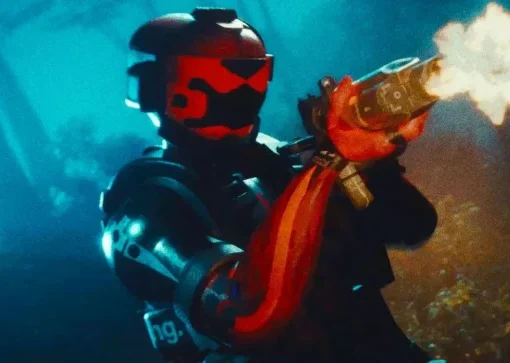
The conversation also illuminated fascinating connections between The Lost Wild and the now-canceled Everwild. While the former plunges players into a perilous prehistoric world teeming with formidable dinosaurs, and the latter was envisioned as a serene nature simulator, Napper sees a shared underlying principle: the respectful portrayal of nonhuman life. "I feel there is an argument to say that The Lost Wild is actually closer to Everwild in this way," Napper remarked. Both games, despite their vastly different settings and gameplay mechanics, aim to present creatures in a manner that fosters a sense of wonder and encourages players to engage with them thoughtfully.
Everwild, from what little was revealed before its cancellation, focused on cultivating a vibrant, magical world and interacting with its inhabitants in a harmonious manner. Trailers depicted players tending to flora and fauna, suggesting a gameplay loop centered on nurturing and exploration. While the creatures in Everwild were undoubtedly presented as more benign and whimsical than the dangerous dinosaurs of The Lost Wild, the underlying intention to create a meaningful connection between the player and the game’s wildlife appears to be a common thread. Both projects, in their own unique ways, seek to move beyond the conventional depiction of creatures as mere obstacles or enemies, striving instead to imbue them with a sense of agency and intrinsic value.
A Legacy of Creature Design: From Rare’s Mysticism to Sega’s Sci-Fi Horror
Napper’s career trajectory has provided him with a unique vantage point from which to analyze the evolution of creature design in video games. His time at Rare, a studio renowned for its whimsical and imaginative worlds, undoubtedly influenced his appreciation for crafting memorable and engaging characters, even if Everwild‘s specific direction remains largely a mystery. The cancellation of Everwild by Microsoft was a significant blow, and it’s clear that Napper still harbors an interest in the game’s core concepts. He acknowledges the apparent disconnect between Everwild‘s peaceful, nature-focused gameplay and Xbox’s broader first-party strategy, humorously imagining the bewilderment of a Microsoft executive faced with a game devoid of traditional weaponry.
However, Napper also expresses a personal skepticism regarding the idealized portrayals of harmonious coexistence often found in games like Everwild. He reflects on the stark reality of billions of nonhuman creatures being slaughtered daily, finding such escapist imagery somewhat "risible." This personal perspective lends further weight to his emphasis on the "honesty" he perceives in The Lost Wild‘s approach. The game acknowledges an inherent antagonism between humans and these powerful creatures, while simultaneously advocating for respect and avoidance of unnecessary harm. This creates a more complex and, in Napper’s view, a more compelling dynamic than simply presenting "wholesome scenes of friendly salamanders."
The Challenges of Authenticity: "Animals, Not Monsters"
The core challenge for Napper and the Great Ape team lies in translating the "Animals, not monsters" mantra into tangible gameplay. This requires sophisticated AI that can simulate realistic behaviors, social interactions, and environmental responses. The dinosaurs must not only react to the player but also to each other and to their surroundings in a way that feels organic and believable. This is a far cry from the more predictable, albeit terrifying, patterns of the Alien: Isolation Xenomorph. The designers must consider factors like territoriality, mating rituals, feeding habits, and even moments of curiosity or fear.
Napper’s involvement with The Lost Wild began after the project was already in development, but his extensive experience in creature-focused game design has clearly informed his contributions. He emphasizes that the team had a strong grasp of these challenges before his arrival, but his insights have undoubtedly helped to refine the game’s vision. The ultimate success of The Lost Wild will hinge on its ability to deliver on this promise of believable, awe-inspiring creatures that players will want to understand and coexist with, rather than simply destroy.
Implications for the Future of Creature-Centric Games
The philosophical underpinnings of The Lost Wild, as articulated by Gary Napper, signal a potential shift in how developers approach the creation of non-player creatures, particularly in survival and horror genres. By prioritizing realism, intelligence, and independent motivations, the game aims to foster a deeper emotional engagement with its inhabitants. This could lead to more nuanced and memorable gameplay experiences, moving beyond simple predator-prey dynamics.
The contrast drawn with Alien: Isolation is particularly telling. While Alien: Isolation masterfully exploited player fear through a singular, relentlessly hostile entity, The Lost Wild seeks to achieve a different kind of impact – one rooted in respect, observation, and the complex relationship between humanity and the natural world. If Great Ape can successfully deliver on this ambitious vision, The Lost Wild could set a new benchmark for creature design, proving that the most compelling antagonists, or indeed companions, are often those that feel most alive. The game is slated for release in 2027, and its development will be closely watched by those interested in the evolving art of digital creature creation.