The Tangible Past of Digital Creation: Unearthing Photoshop’s Physical Origins in a Cloud-Dominated Era
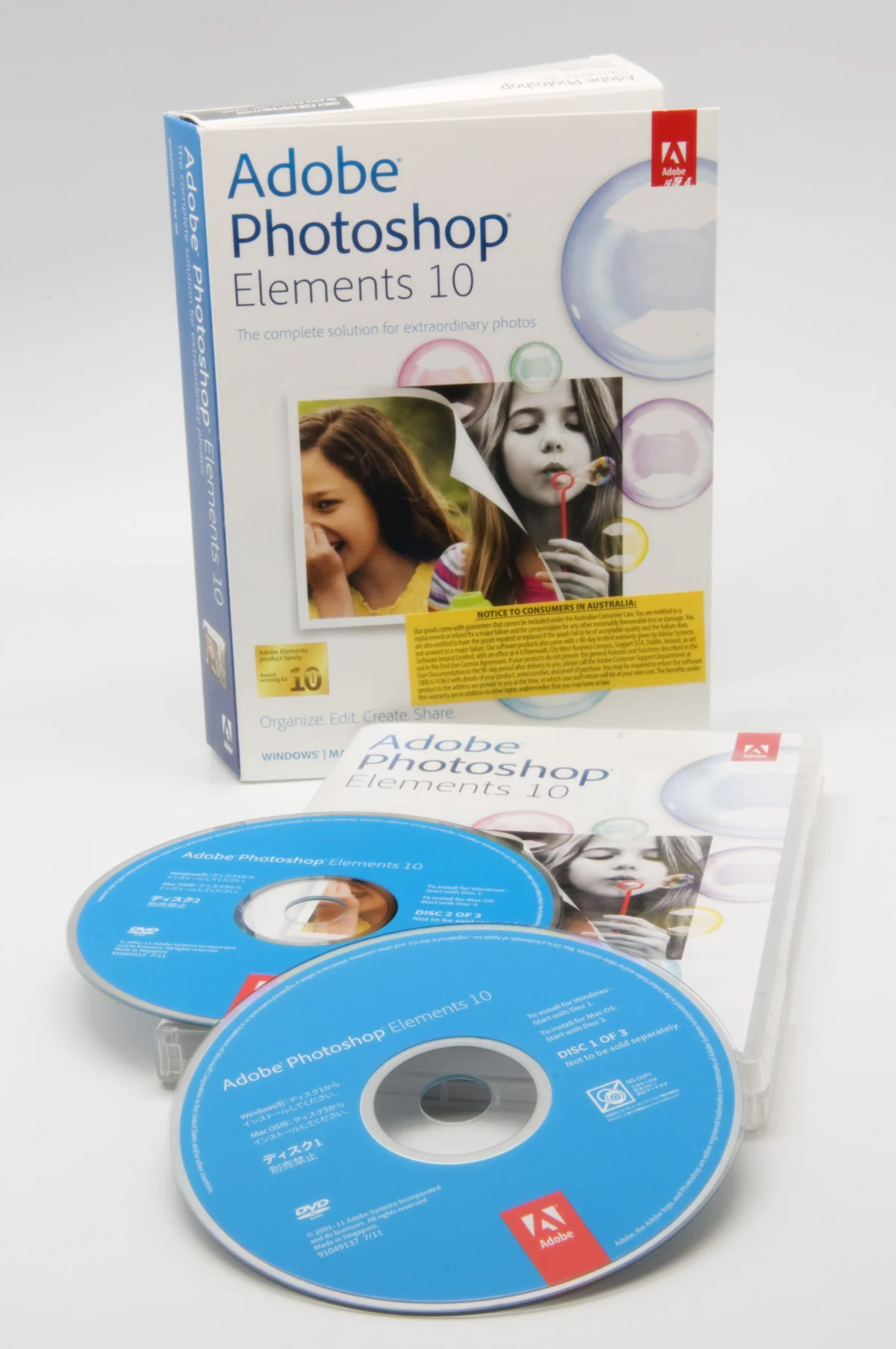
In a revelation that has sparked a generational chasm within the creative community, it has come to light that Adobe Photoshop, the ubiquitous titan of digital imaging, once existed not as a mere download or cloud-based subscription, but as a physical product, delivered on discs and even floppy disks. This discovery, while seemingly commonplace to those who witnessed the dawn of digital art, has profoundly shaken younger creatives, highlighting a significant shift in how software is acquired and perceived.
The Shock of the Physical: A Generational Divide in Digital Consciousness
The initial spark for this exploration came from a rather unexpected, yet profoundly relatable, moment of realization. As reported by Creative Bloq’s staff writer, Natalie Fear, a simple statement – "Guys, Photoshop used to come on a disk?!?! WTF" – sent ripples of amusement and mild exasperation through her colleagues. The ensuing response, characterized by claims of making the team feel "old," underscored a stark generational divide. For those who grew up with instant digital access, the concept of software being a tangible, physical commodity – something to be purchased, unwrapped, and installed from a disc – is as alien as the dial-up internet of yesteryear.
This disconnect isn’t merely about the medium of delivery; it points to a fundamental shift in our relationship with technology. The "click away" accessibility of modern software, enabled by the internet and cloud computing, has become the assumed norm. The idea that a tool as integral to creative workflows as Photoshop once required a physical purchase, a trip to a store, or the careful handling of delicate disks, recontextualizes its journey and its impact on the digital landscape.
A Journey Through Time: The Evolution of Software Distribution
The revelation of Photoshop’s physical past prompts a fascinating chronological exploration of how software distribution has evolved. For those who remember, the experience of acquiring software in the 1990s and early 2000s was vastly different.
The Era of Disks and Floppies: A Tangible Investment
Before the widespread adoption of broadband internet, software was predominantly distributed on physical media. For Photoshop, this meant:
- Floppy Disks: In its earliest iterations, Photoshop, like many other software programs, was distributed on sets of floppy disks. These were small, flexible magnetic disks that held a limited amount of data. Installing Photoshop from floppy disks would have been a painstaking process, requiring multiple disk swaps and a significant amount of patience. Users recall installing Photoshop 2.0 from such sets, a testament to the sheer dedication required for early digital creation.
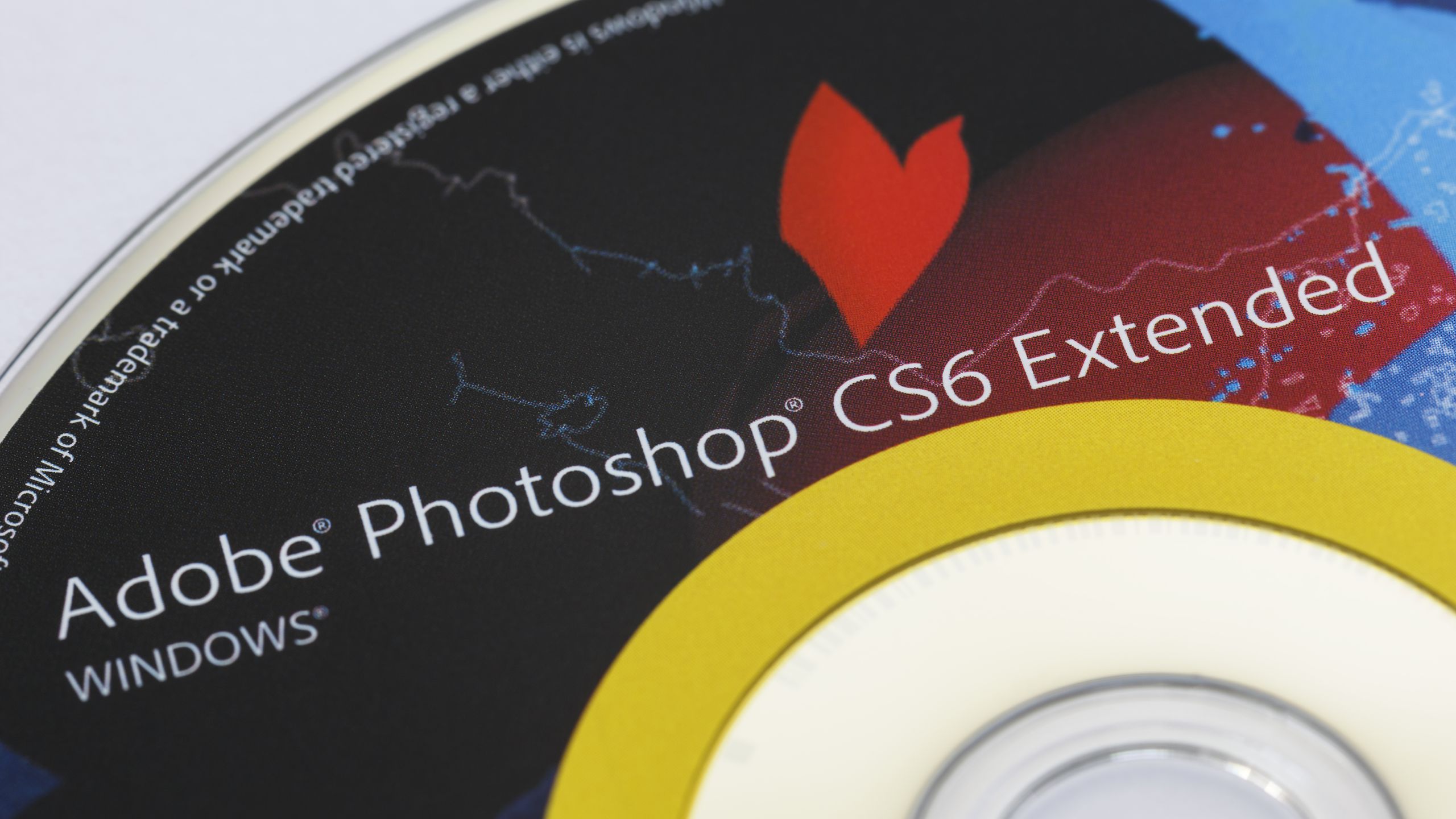
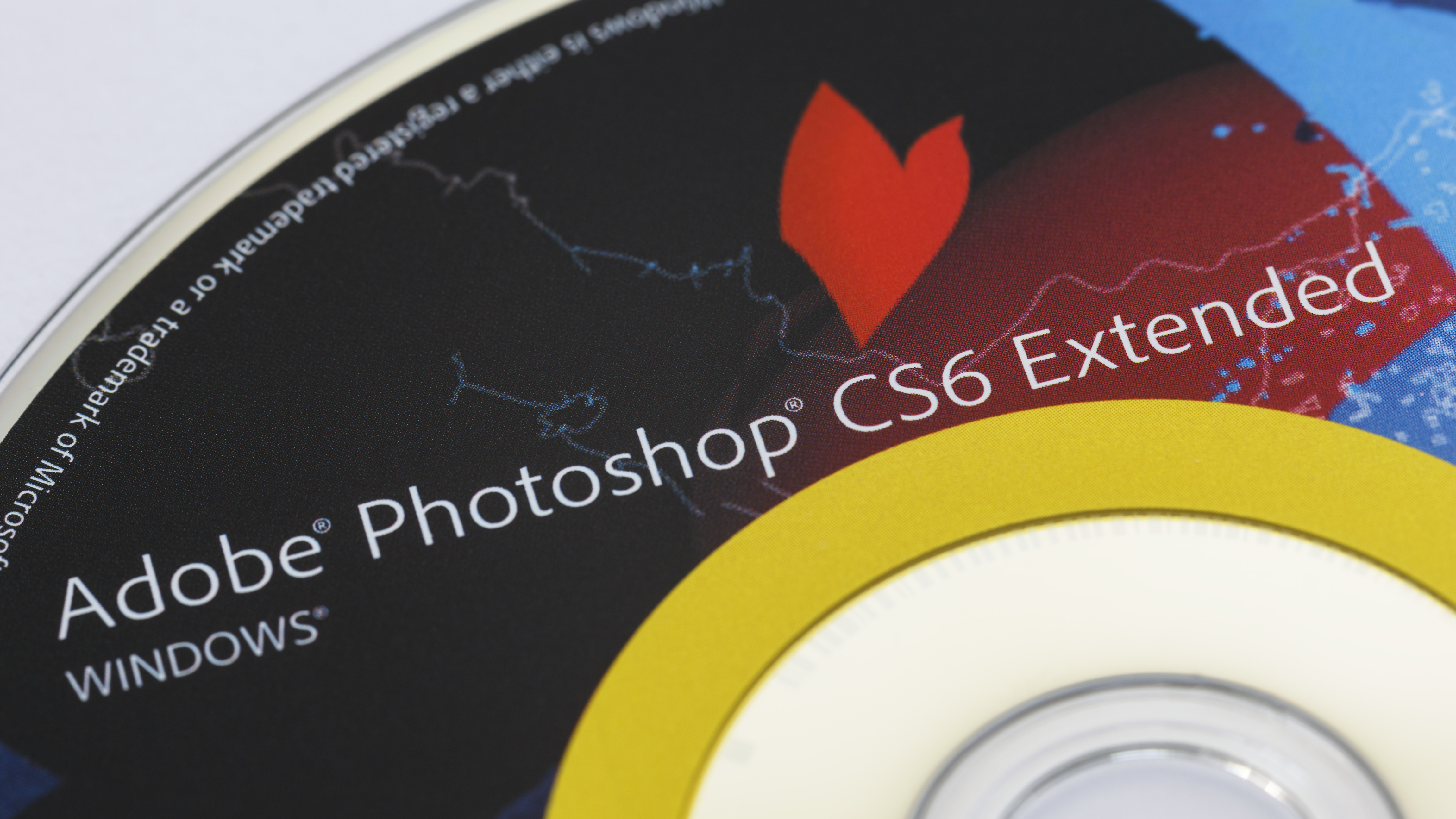
- CD-ROMs: As technology advanced, CD-ROMs became the standard for software distribution. These optical discs offered significantly larger storage capacity than floppy disks, allowing for more complex and feature-rich software. Many users fondly recall purchasing Photoshop as a CD from retailers like Best Buy in the mid-2000s. This era represented a more convenient, yet still tangible, method of acquiring software. The physical presence of the CD served as a tangible symbol of ownership and a key to unlocking creative potential.
The experience of buying a physical copy of Photoshop was more than just a transaction; it was an event. It involved visiting a store, browsing the aisles, and making a deliberate purchase. The packaging itself often held a certain allure, hinting at the powerful capabilities contained within. For many, the physical disc was a prized possession, a testament to their investment in their craft.
The Dawn of Digital Downloads and the Rise of the Internet
The advent of the internet and increasing bandwidth capabilities began to revolutionize software distribution. While physical media remained dominant for a while, the convenience of digital downloads started to take hold.
- Early Downloads: As internet speeds improved, software developers began offering direct downloads of their applications. This marked a significant step towards the instant access we experience today. However, early download sizes could still be substantial, and the process could be slow and prone to interruptions.
- The Subscription Model and Cloud Computing: The most significant shift came with the widespread adoption of the subscription model, spearheaded by Adobe itself with its Creative Cloud. This model transformed software from a one-time purchase into an ongoing service. Coupled with cloud storage and synchronization, this has made software accessible from virtually any device, anywhere.
The "Old" Functionality: A Glimpse into Early Limitations
The conversation around Photoshop’s past also brings to light the rudimentary nature of its early functionalities compared to today’s sophisticated toolset. Users reminisce about:
- Layer Limits: A particularly striking anecdote highlights the severe limitations of early versions. One user recounted discovering in 1999 that Photoshop had a 99-layer limit, and saving work with this maximum number of layers would render the file unopenable. This serves as a stark contrast to today’s virtually unlimited layer capabilities, a feature that has fundamentally reshaped image manipulation.
- Pre-Layer Era: Even more astonishing is the memory of using Photoshop before layers were even introduced. This implies a workflow that relied on much more destructive editing techniques, where every change was permanent and irreversible without starting anew. The absence of layers, a feature now taken for granted as essential for non-destructive editing, underscores the dramatic progress in the software’s design and functionality.
Supporting Data: The Growth of Digital Software and the Decline of Physical Media
The shift from physical to digital distribution is not unique to Photoshop; it’s a broader trend that has reshaped the entire software industry.
- Market Trends: While precise historical data on Photoshop’s physical sales is difficult to isolate, the overall decline in physical media sales for software has been a consistent trend over the past two decades. Online sales and subscription services have steadily overtaken traditional retail channels.
- Adobe’s Transition: Adobe’s own transition to the Creative Cloud subscription model, starting in 2013, was a pivotal moment. While initially met with some resistance from users accustomed to perpetual licenses, it ultimately became the industry standard and has been highly profitable for the company. This move reflects a broader industry trend towards recurring revenue models.
- User Behavior: The increasing reliance on cloud-based services and the ubiquity of high-speed internet have conditioned users to expect instant access and seamless updates. The concept of waiting for a physical product or dealing with installation discs has become increasingly anachronistic for many.
Official Responses and Industry Perspectives
While there hasn’t been an "official response" to the revelation that Photoshop used to come on a disk, the industry’s trajectory speaks volumes. Adobe, as the pioneer of this shift, has consistently championed the benefits of its subscription model.
- Adobe’s Stance: Adobe has often cited the advantages of Creative Cloud, including:
- Continuous Updates: Users always have access to the latest features and bug fixes without needing to purchase new versions.
- Cross-Device Sync: Files and settings can be synced across multiple devices, enabling a fluid workflow.
- Cloud Storage: Integrated cloud storage provides a secure backup and easy access to projects.
- Accessibility: The subscription model can make powerful software more accessible to individuals and smaller businesses who might not be able to afford a large upfront investment in perpetual licenses.
However, this shift has not been without its critics. The recurring cost of subscriptions, coupled with concerns about vendor lock-in and cancellation policies, has been a point of contention for some users. Recent settlements, such as Adobe’s $150 million agreement over subscription cancellation terms, highlight these ongoing debates.
Implications: What the Tangible Past Tells Us About the Digital Future
The revelation of Photoshop’s physical origins, while seemingly a trivial anecdote, carries significant implications for how we understand the evolution of technology and our relationship with creative tools.
- Nostalgia and Appreciation: For older generations of creatives, this discovery can evoke a sense of nostalgia for a simpler time. It can also foster a deeper appreciation for the technological advancements that have made sophisticated design tools so accessible today. The memories of installing software from discs, managing physical copies, and grappling with early limitations are a testament to the dedication and passion that fueled the early digital art movement.
- The Value of Tangibility: In an increasingly dematerialized world, there’s a growing appreciation for tangible experiences. While the convenience of digital is undeniable, the physical presence of a software disc represented a concrete investment, a tangible connection to a powerful tool. This contrasts with the often ephemeral nature of digital subscriptions, where ownership can feel less absolute.
- The Democratization of Creativity: The shift from expensive, physically distributed software to accessible subscription models and even free alternatives has undoubtedly democratized the creative process. Tools that were once exclusive to professional studios are now available to anyone with an internet connection and a device. This has led to an explosion of creativity and innovation across various fields.
- The Future of Software: The trajectory from physical discs to cloud-based subscriptions suggests a continued move towards seamless integration, AI-powered assistance, and even more personalized creative experiences. We may see further blurring of lines between hardware and software, with increasingly intelligent tools that adapt to individual workflows.
- A Reminder of Progress: Ultimately, the "shocking revelation" serves as a potent reminder of the rapid pace of technological progress. The tools that define our creative landscape are constantly evolving, and understanding their origins provides valuable context for appreciating their present capabilities and anticipating their future development. The journey from a tangible disc to a globally accessible cloud service is a testament to human ingenuity and the relentless pursuit of better ways to create and communicate.