From Big Screen Ambitions to Streaming Shadows: The Controversial Release of "Avatar Aang: The Last Airbender"
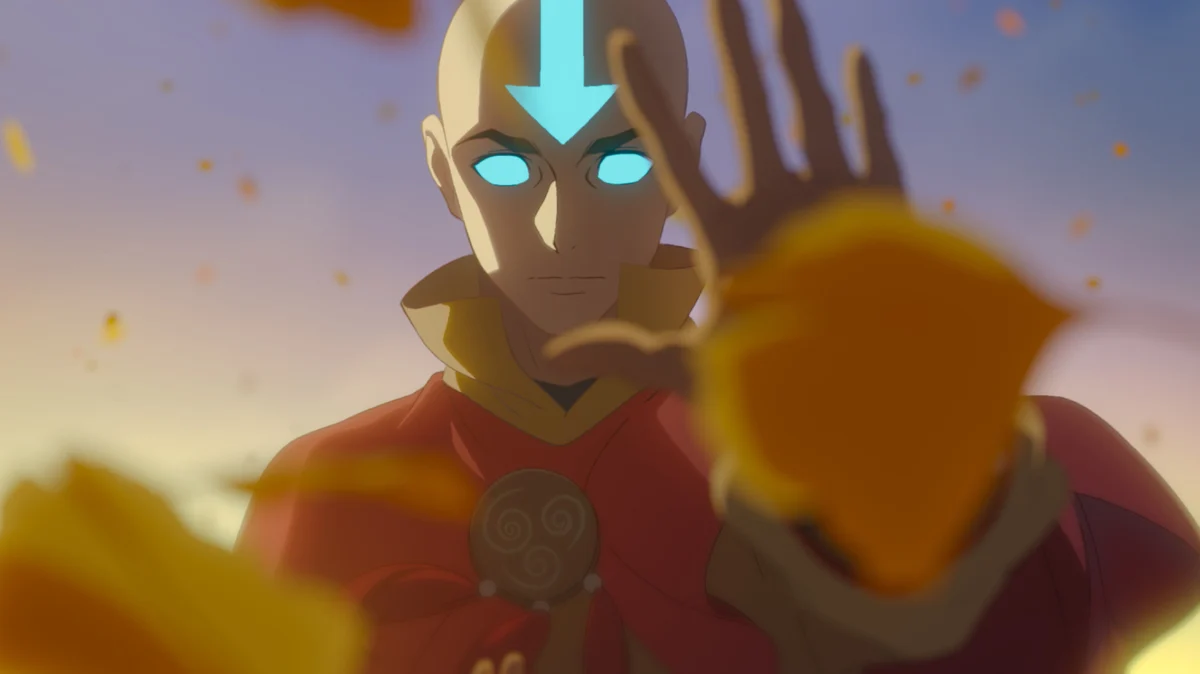
The return of Aang, Katara, Sokka, Zuko, and Toph was supposed to be a cinematic event—a multi-generational homecoming for a franchise that redefined the boundaries of Western animation. Instead, the first feature-length animated film from the newly formed Avatar Studios, titled Avatar Aang: The Last Airbender, has become a case study in corporate volatility. Following a series of production delays, a catastrophic full-movie leak, and a sudden pivot in distribution strategy, Paramount Global has officially "dumped" the project onto its streaming platform, Paramount+, for a July 25, 2026, release.
The decision to bypass a theatrical window for one of the most anticipated animated projects of the decade has sent shockwaves through the industry and ignited a firestorm of criticism from fans and animation advocates alike. What was once envisioned as a blockbuster revival of a global IP is now being framed by critics as a "betrayal" of both the creators and the audience.
Main Facts: A Diminished Debut for a Global Icon
The core of the controversy lies in the disparity between the film’s production value and its eventual distribution. Avatar Aang: The Last Airbender represents a massive undertaking by Flying Bark Productions and Studio Mir—the latter of which was responsible for the high-octane animation of The Legend of Korra. The first trailer, released via YouTube and showcased at San Diego Comic-Con, reveals a visual scale that transcends traditional television animation. Featuring the original "Gaang" as adults, the film explores a world-altering discovery: the existence of another Airbender, a revelation that threatens the established lore of the "Last" Airbender.
Despite the trailer’s "proper movie" aesthetic—complete with sweeping set pieces, intricate martial arts choreography, and a mature tonal shift—Paramount has opted to forgo a global theatrical release. The film will now debut exclusively on Paramount+ on July 25, 2026. This move effectively strips the project of the prestige and box-office potential associated with a theatrical run, placing it in the same "content bucket" as direct-to-video sequels and mid-tier streaming originals.
Chronology: A Timeline of Delays and Disasters
The journey of Avatar Aang from concept to its current precarious state is marked by shifting goalposts and internal corporate restructuring.
- 2021: The Birth of Avatar Studios. Under the leadership of original creators Michael Dante DiMartino and Bryan Konietzko, Paramount announced the formation of Avatar Studios. The mission was clear: expand the Avatar universe with a series of animated films and shows, starting with a theatrical feature.
- Early 2024: Initial Scheduling. The film was originally slated for an October 2025 release. Optimism was high as the project promised to bridge the gap between the original series and The Legend of Korra.
- January 2026: The First Delay. Citing production complexities and the desire to polish the animation, Paramount pushed the release to early 2026.
- October 2026: The Second Delay. Shortly after the first delay, the theatrical date was pushed again to October 2026, allegedly to avoid a crowded summer blockbuster season.
- December 2025: The Theatrical Cancellation. In a move that stunned the industry, Paramount announced it was canceling the film’s theatrical release entirely. No specific reason was given, though industry analysts pointed toward Paramount’s financial instability and a pivot toward driving streaming subscriptions.
- Summer 2026: The Great Leak. In one of the most devastating security breaches in modern animation history, a near-complete version of the film leaked online. For weeks, the entire narrative and visual arc of the movie were available on pirate sites and social media snippets.
- July 2026: The Final Pivot. Rather than standing by the October streaming date, Paramount moved the release forward to July 25, 2026, effectively "burning off" the release following a final promotional push at San Diego Comic-Con.
Supporting Data: The Devaluation of Animation
The decision to move Avatar Aang to streaming is not an isolated incident but part of a broader, more troubling trend within the entertainment industry. Data suggests that legacy studios are increasingly viewing high-budget animation as "disposable" or "supplementary" rather than a primary revenue driver.
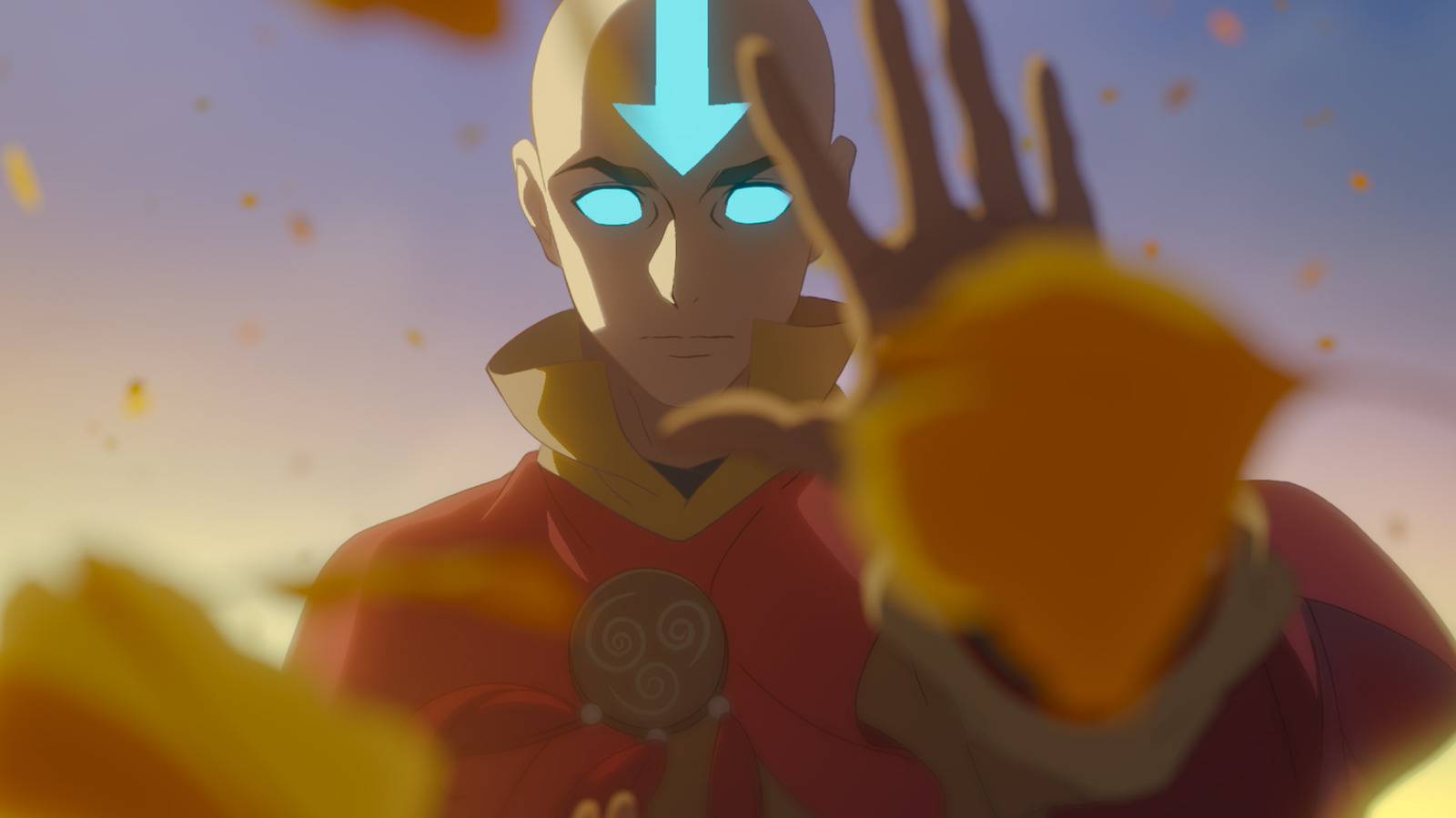
According to industry reports, Paramount’s parent company has faced significant pressure to reduce costs and increase the valuation of Paramount+ ahead of potential mergers or acquisitions (notably the ongoing negotiations involving Skydance Media). By moving a high-profile film like Avatar Aang to the service, the studio hopes to reduce churn—the rate at which subscribers cancel their service—even if it means sacrificing hundreds of millions in potential theatrical box-office revenue.
This mirrors the "Zaslav-ification" of Warner Bros. Discovery, where CEO David Zaslav famously canceled the nearly finished Batgirl and Coyote vs. Acme for tax write-offs. While Avatar Aang is at least seeing the light of day, the "unceremonious dumping" of the project suggests a similar lack of faith in animation as a medium for the big screen. This is despite the massive success of animated features like Spider-Man: Across the Spider-Verse and The Super Mario Bros. Movie, which proved that audiences are more than willing to pay for theatrical animated experiences.
Official Responses and Creative Silence
Publicly, Paramount has maintained a "business as usual" stance, emphasizing the accessibility of the film to its global streaming audience. In a brief press release, a spokesperson for the studio stated, "Bringing Avatar Aang to Paramount+ allows us to deliver this incredible story directly to the fans where they already enjoy the franchise’s legacy content."
However, the silence from the creative leads at Avatar Studios has been deafening. While DiMartino and Konietzko have historically been vocal about their vision for a "cinematic" future for the franchise, they have offered little comment on the distribution shift. Insiders suggest that the creators are "disappointed but focused on the work," a sentiment echoed by the animators at Flying Bark Productions who have spent years crafting a film meant for the largest screens possible.
Fan reaction has been overwhelmingly negative. Social media campaigns using hashtags like #SaveAvatarStudios and #ReleaseAvatarTheatrically have gained traction, with fans arguing that the franchise deserves the same respect as live-action blockbusters. The consensus among the "Airbender" community is that the film is being punished for the studio’s internal financial woes.
Implications: What This Means for the Future of the Franchise
The "dumping" of Avatar Aang carries heavy implications for the future of Avatar Studios and the animation industry at large.
1. The Viability of Avatar Studios
When Avatar Studios was announced, it was heralded as a "Marvel Studios for animation." If its flagship project is denied a theatrical release, the studio’s prestige is immediately diminished. This sets a precedent for subsequent projects—including the rumored Earthbender series and the Zuko solo film—to be treated as "streaming filler" rather than major cultural events.
2. The Morale of the Animation Workforce
The animation industry is currently grappling with a crisis of morale. When a project as high-profile as Avatar is moved to streaming after years of labor, it reinforces the perception that animators are "second-class citizens" in the Hollywood hierarchy. The loss of a theatrical window also deprives the crew of the professional recognition and "back-end" financial rewards that come with a successful box-office run.
3. The "Content" vs. "Cinema" Divide
Paramount’s decision underscores a growing divide in how IP is managed. For Paramount, Avatar Aang has been transitioned from "Cinema"—an artistic work meant for public exhibition—to "Content"—a digital asset meant to feed an algorithm. This shift risks alienating the core fanbase, who view the story of Aang and his friends as a foundational piece of modern mythology, not just a reason to keep a $14.99 monthly subscription active.
4. The Impact of Leaks
The fact that the film was leaked in its entirety likely played a role in the studio’s decision to move the release date up. This creates a dangerous feedback loop: studios fail to protect their assets, the assets leak, and the studios then use the leak as a justification to "dump" the project, further devaluing the work.
Conclusion: A Bittersweet Homecoming
On July 25, 2026, fans will finally see the adult incarnations of the characters they have loved for two decades. They will see the breathtaking animation of Studio Mir and the narrative expansion of a world that has captivated millions. However, they will do so from their couches, on a service that many feel has failed to honor the property.
While the quality of the film itself remains to be seen, the circumstances of its release have already cast a shadow over its legacy. Avatar Aang: The Last Airbender should have been a victory lap for a franchise that survived a decade of dormancy and a poorly received live-action adaptation. Instead, it serves as a cautionary tale of how corporate strategy can stifle creative ambition, leaving fans to wonder if the "Last Airbender" is being let down by his own guardians one last time.