Midnight Moments: Crafting Cyberpunk Dreams, But Where’s the Punk?
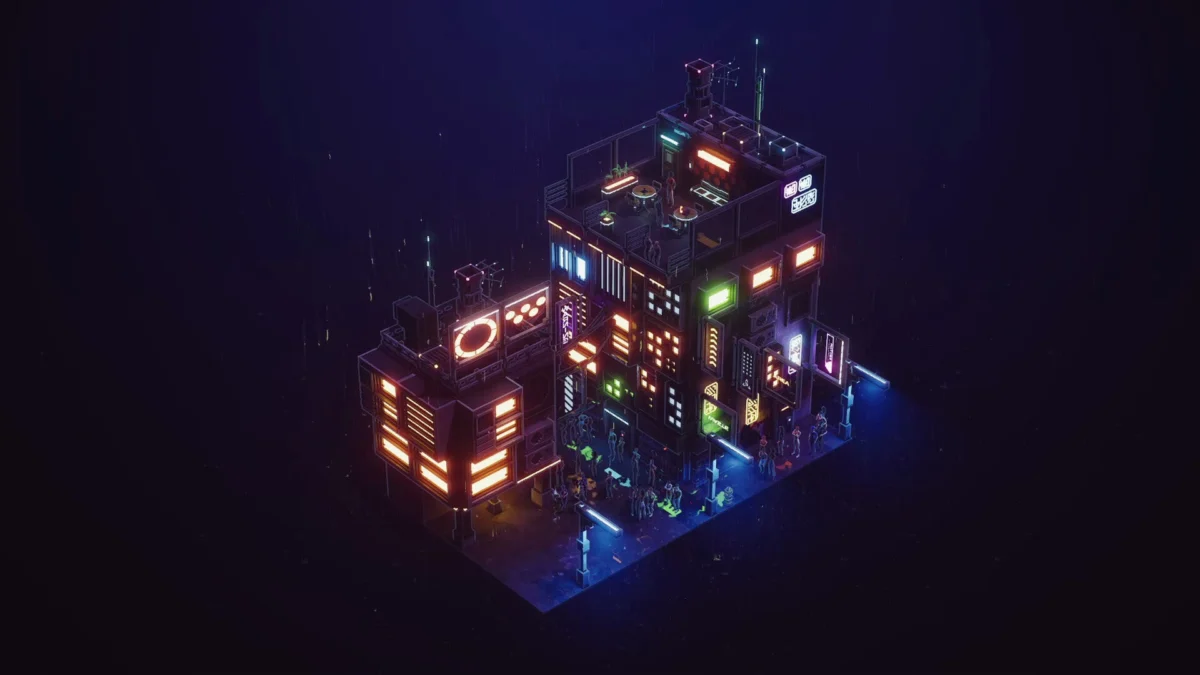
A new diorama builder offers a tranquil escape into neon-drenched cityscapes, but its creators might be overlooking the genre’s inherent rebellious spirit.
The landscape of video games is continuously evolving, and a recent trend has emerged that speaks to a deep-seated human desire: the creation of miniature worlds. This burgeoning genre of "diorama builders" offers players the satisfaction of crafting intricate environments without the overwhelming scale often associated with grand strategy or city-building epics. Games like Sandcastle, which allows players to meticulously construct sandy fortifications, and the critically acclaimed Tiny Glade, lauded for its intuitive castle-building mechanics, have paved the way. Now, stepping into this growing niche is Midnight Moments, a cyberpunk-themed diorama builder that, while undeniably charming, prompts a deeper contemplation of what truly defines the cyberpunk aesthetic.
While Midnight Moments provides a meticulously crafted experience for players seeking a calming creative outlet, a critical question lingers: does it capture the full essence of the cyberpunk genre, particularly its often-overlooked "punk" element? This article will delve into the mechanics of Midnight Moments, explore its thematic resonance (or lack thereof), and consider its place within the broader discourse of digital creation and genre interpretation.
The Genesis of Tiny Worlds: A Growing Trend
The appeal of smaller-scale creation games is multifaceted. For many, the digital realm offers an accessible canvas for creativity, allowing for experimentation and expression without the physical constraints or material costs of real-world hobbies. The rise of games like Sandcastle and Tiny Glade demonstrates a clear market for experiences that focus on the tactile satisfaction of building, rather than the complex management of resources or sprawling populations.
Sandcastle, for instance, taps into a nostalgic childhood pastime, allowing players to sculpt ephemeral masterpieces from virtual grains of sand. Its charm lies in its simplicity and the ephemeral nature of its creations, mirroring the transient beauty of real-world sandcastles. Tiny Glade, on the other hand, offers a more robust yet still accessible approach to architectural design, enabling players to construct fantastical castles with elegant, flowing lines. The critical praise it received from figures like Christian Donlan highlights its success in providing a deeply satisfying and user-friendly building experience.
It is within this context that Midnight Moments emerges. It offers a distinct aesthetic – the rain-slicked, neon-drenched streets of a futuristic metropolis – and a granular approach to construction that differentiates it from its more whimsical counterparts. Yet, the very nature of creating serene, tranquil scenes in a genre often defined by dystopian societies and societal upheaval raises interesting questions about artistic intent and genre fidelity.
Deconstructing Midnight Moments: Mechanics and Aesthetics
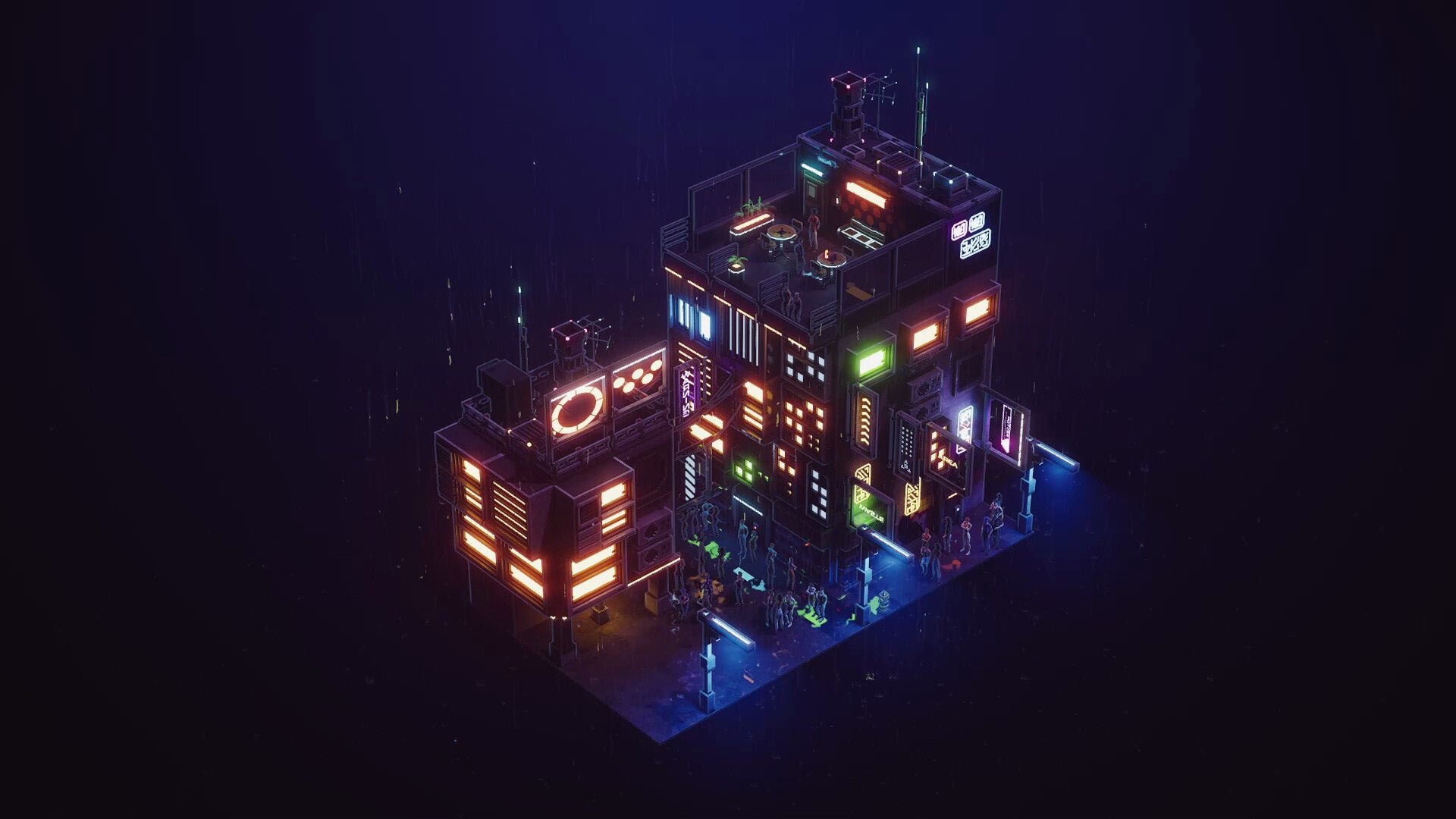
Midnight Moments, now available to players, moves beyond the simple placement of pre-fabricated structures. Its gameplay loop is characterized by a more granular approach to world-building. Players are presented with a grid-based environment where they can meticulously place various elements to construct their cyberpunk dioramas. This includes blocks that form buildings, an array of decorative pieces such as streetlamps, figures representing inhabitants, lush (or perhaps dystopian) trees, and a variety of vehicles, from the ubiquitous flying cars to more grounded counterparts. The iconic glow of neon signs, a quintessential element of the cyberpunk visual language, is also a prominent feature.
The game’s atmosphere is deliberately set at night, evoking the quintessential cyberpunk ambiance. A constant, gentle drizzle of rain bathes the miniature cityscape, adding a layer of visual dynamism and reinforcing the noirish feel. This meticulous attention to detail contributes to a sense of immersion and tranquility, allowing players to lose themselves in the act of creation.
However, it is precisely this tranquil atmosphere that invites critical examination. The cyberpunk genre, at its core, is a blend of advanced technology and societal decay, often exploring themes of corporate greed, alienation, and rebellion. The "punk" in cyberpunk is not merely an aesthetic flourish; it signifies a spirit of anti-establishment sentiment, a critique of oppressive systems, and a sense of defiance against overwhelming odds.
The Missing Punk Element: A Thematic Disconnect?
The concern is that Midnight Moments, in its pursuit of a calming and aesthetically pleasing experience, may be inadvertently sanitizing the cyberpunk genre. By focusing on the visual spectacle of neon lights and futuristic architecture, and by fostering an environment of serene creation, the game risks divorcing itself from the inherent social commentary and rebellious undertones that are central to cyberpunk’s identity.
The genre often presents worlds where advanced technology coexists with widespread poverty, where megacorporations wield immense power, and where individuals struggle for autonomy against a backdrop of constant surveillance and control. The "punk" element manifests in the characters who operate in the fringes of society, the hackers who challenge established power structures, and the rebels who fight for a semblance of freedom.
In Midnight Moments, the focus is on the meticulous arrangement of elements to create a visually appealing scene. While the game does allow for the inclusion of elements like graffiti, which can be seen as a nod to subversion, the overall impression is one of curated order rather than chaotic defiance. The question arises: can a game that emphasizes tranquility and aesthetic perfection truly embody a genre that often thrives on tension, conflict, and the grit of societal breakdown?
An Interesting Friction: Potential for Deeper Engagement
Despite these reservations, it would be remiss to dismiss Midnight Moments entirely. There is indeed an "interesting friction" to be found within its mechanics and theme. The very act of building a cyberpunk city, even a tranquil one, presents an opportunity for players to engage with the genre’s visual language in a new way.
The potential for deeper engagement lies in how players might interpret and utilize the tools provided. Could a player intentionally create a cyberpunk city that feels hostile to its inhabitants, or one where the gleaming facade conceals a grimmer reality beneath the surface? Can the player’s creative choices push against the game’s inherent coziness and introduce a sense of confrontation?
For example, while the game provides elements like flying cars and neon signs, the absence of any narrative or gameplay mechanics that explore the social stratification or the oppressive forces often depicted in cyberpunk leaves the player to infer these aspects. The game could, theoretically, allow for the creation of segregated districts, areas of decay adjacent to opulent towers, or even the subtle inclusion of surveillance equipment that hints at a lack of privacy.
The developer’s intent behind Midnight Moments is crucial here. If the aim is solely to provide a visually appealing sandbox for creative expression, then the game succeeds admirably. However, if the intention is to evoke the spirit of cyberpunk, then the omission of its more challenging and confrontational elements is a missed opportunity.
The Road Ahead: Time for Further Exploration
Ultimately, determining whether Midnight Moments fully embraces the "punk" aspect of its chosen genre requires more time and deeper exploration of its potential. The game offers a fascinating premise – the creation of miniature cyberpunk worlds – and its attention to detail is commendable. The question of whether it can transcend its serene facade to touch upon the genre’s more rebellious and critical themes remains open.
The developers have created a visually striking and mechanically engaging diorama builder. The question now is whether players can, or are encouraged to, inject a dose of the rebellious spirit that defines cyberpunk into their creations. It is a game that invites contemplation, not just of digital construction, but of the very essence of the genres we choose to inhabit and create within.
Accessibility and Availability
For those eager to explore the neon-lit streets of Midnight Moments and form their own conclusions, the game is readily available. It can be purchased on Steam, a platform that hosts a vast array of independent and established titles. Notably, the price point is positioned as highly accessible, often costing less than a single cup of coffee. This affordability further democratizes access to the game, allowing a broad audience to engage with its unique brand of cyberpunk creation. The availability on Steam ensures that players can easily download, install, and begin their diorama-building adventures with minimal friction, encouraging a wide range of creative interpretations and potentially sparking further discussion about the game’s thematic depth.