The Unforeseen Chaos: "Hello Wizard I Have a Problem" Redefines Collaborative Fantasy Roleplaying
FOR IMMEDIATE RELEASE
LONDON, UK – [Insert Current Date] – A new contender is poised to enchant the tabletop roleplaying game (TRPG) landscape, promising a refreshing blend of powerful magic and catastrophic incompetence. "Hello Wizard I Have a Problem," an upcoming collaborative storytelling game, invites players to step into the robes of gloriously inept spellcasters whose ambitions routinely outstrip their magical precision. As its highly anticipated Kickstarter campaign draws to a close this afternoon, the game has garnered significant attention for its unique mechanics and commitment to absurdist, player-driven comedy, positioning itself as a whimsical antidote to more serious fantasy fare.
At its core, "Hello Wizard I Have a Problem" is a vibrant testament to the joy of shared narrative, where any number of players can come together to weave tales of magical mishaps and comedic chaos. Inspired by the irreverent humor of cultural touchstones like Monty Python, The Mighty Boosh, and the mockumentary stylings of "What We Do in the Shadows," the game thrives on rapid-fire scenes and the delightful unpredictability of spells gone awry. It champions a collaborative spirit, challenging traditional TRPG structures by empowering all participants to contribute to both the heroic aspirations and inevitable failures of their magical personas.
The Core Premise: Mayhem and Mirth
"Hello Wizard I Have a Problem" distinguishes itself immediately with its central premise: players embody wizards who are undeniably potent, yet spectacularly prone to error. This isn’t a game about mastering intricate spell lists or optimizing combat encounters; instead, it’s a celebration of improvisation, quick thinking, and the sheer comedic potential of magical misfires. The narrative thrust is not merely about overcoming challenges, but about witnessing how spectacularly these challenges can be botched, and finding humor in the ensuing pandemonium.
Imagine a wizard attempting a simple teleportation spell to cross a chasm, only to accidentally turn themselves into a flock of pigeons mid-air, or conjuring a grand feast that mysteriously transforms into a pile of sentient, singing socks. These are the kinds of scenarios "Hello Wizard" aims to generate, fostering an environment where failure isn’t a setback but the very engine of the story. The game thrives on the unexpected, ensuring that every spell cast has the potential for both dazzling success and utterly hilarious disaster. This blend of high fantasy ambition and low-brow execution creates a unique dynamic that is both engaging and endlessly entertaining for players who enjoy leaning into character flaws for comedic effect.
Dynamic Roles: Shifting GM and Spotlight
One of the most innovative aspects of "Hello Wizard I Have a Problem" is its fluid approach to player roles, eschewing the conventional fixed Game Master (GM) model. In a departure from many established TRPGs, players take turns assuming the mantle of both player character and a collective GM. Each scene unfolds with a single player stepping into the spotlight as their spellcaster, narrating their magical endeavors with grandiosity and flair. Their objective is clear: to impress their fellow sorcerers with their fantastical abilities.
However, the magic of "Hello Wizard" truly shines in the collaborative response. The remaining players, collectively acting as the GM, then determine how these spells, no matter how well-intentioned or powerful, invariably go wrong. This dynamic creates a shared ownership of the narrative, fostering an environment where everyone is invested in both the protagonist’s attempts and their hilarious failures. It democratizes the storytelling process, ensuring that no single individual shoulders the entire burden of world-building or challenge creation. Instead, the collective imagination of the group crafts the chaotic trajectory of each magical incident, leading to genuinely surprising and often uproarious outcomes that no single GM could consistently orchestrate. This system also naturally encourages active listening and creative collaboration, as players must build upon each other’s ideas to escalate the comedic potential of each scenario.
The Problem Generator: A Catalyst for Chaos
To aid the collective GM in crafting these delightful misfortunes, "Hello Wizard I Have a Problem" includes an ingenious tool: the Problem Generator. Embedded within the game’s rulebook, this generator is far more than a simple table of random events. It’s a meticulously designed system capable of producing over 200,000 unique prompts for disastrous magical outcomes. This vast array of possibilities ensures that no two playthroughs will ever be the same, and that the well of comedic inspiration remains perpetually full.
The Problem Generator acts as a narrative spark, offering unexpected twists that can derail even the most carefully planned magical feat. It can suggest environmental changes, unexpected side effects on the caster, bizarre transformations of the target, or even meta-narrative complications that involve the other wizards. This tool is crucial for maintaining the game’s rapid pace and high level of absurdity, allowing the collective GM to quickly conjure up the perfect, most embarrassing, or most inconvenient magical failure without having to pause the flow of play. It ensures that the comedic momentum is sustained, propelling the story forward through a series of increasingly bizarre and amusing events. By providing a structured framework for spontaneous chaos, the Problem Generator encapsulates the game’s core design philosophy: easy to learn, difficult to predict, and immensely fun to experience.
The Art of the Absurd: Inspirations and Tone
The foundational humor of "Hello Wizard I Have a Problem" is deeply rooted in a tradition of British and alternative comedy that embraces the surreal, the understated, and the outright ridiculous. The explicit comparisons to Monty Python, The Mighty Boosh, and "What We Do in the Shadows" are not mere window dressing; they are central to understanding the game’s tonal aspirations.
Monty Python, with its iconic sketches and films like "Monty Python and the Holy Grail," pioneered a brand of sketch comedy characterized by non-sequiturs, absurd logic, and a fearless willingness to break narrative conventions. This spirit of playful irreverence is palpable in "Hello Wizard," where the narrative can pivot on a dime from a grand magical gesture to a mundane, yet hilariously botched, outcome. The Mighty Boosh, known for its fantastical characters, bizarre settings, and often improvised-feeling dialogue, provides a blueprint for embracing the truly strange and letting character personalities drive the humor. Similarly, "What We Do in the Shadows" masterfully extracts comedy from the juxtaposition of ancient, powerful beings grappling with modern-day banalities and their own profound social awkwardness.
"Hello Wizard" synthesizes these influences into a TRPG experience that encourages players to find humor in character flaws, unexpected turns, and the sheer joy of collaborative improvisation. It’s a game where the laugh is the primary reward, and the journey through a series of escalating magical misfortunes is far more important than any conventional victory condition. This makes it particularly appealing to groups who prioritize creative expression and shared laughter over strategic optimization or serious narrative progression, offering a refreshing break from more intense or combat-heavy RPGs.
Streamlined Sorcery: Accessibility for All
Beyond its unique gameplay and comedic tone, "Hello Wizard I Have a Problem" has been intentionally designed with accessibility at its forefront. The rules system is remarkably straightforward, crafted to be easy for players of all experience levels to learn, from seasoned TRPG veterans to complete newcomers. This commitment to simplicity ensures that the barrier to entry is low, allowing groups to dive into the magical mayhem with minimal setup time.
The design philosophy prioritizes immediate playability, understanding that complex rulebooks and lengthy preparation can often deter potential players. Setup for "Hello Wizard" is designed to be quick and intuitive, enabling players to transition from opening the rulebook to casting their first disastrous spell in a matter of minutes. Furthermore, the rulebook itself is not just a dry compendium of mechanics; it also contains valuable advice and optional rules. These additions empower players to tailor their playthroughs, whether they want to lean even further into improvisation, introduce specific challenges, or simply glean insights into maximizing the game’s comedic potential. This thoughtful inclusion demonstrates a clear understanding of diverse player preferences and aims to foster a welcoming environment for all. The focus on streamlined rules also supports the game’s fast-paced, improvisational nature, preventing mechanics from bogging down the creative flow.
From Concept to Crowdfunding: The Journey So Far
The journey of "Hello Wizard I Have a Problem" from concept to a publicly crowdfunded project has been a testament to its compelling design and the vision of its creator. The game’s development has followed a typical trajectory for independent TRPGs, beginning with initial design, playtesting, and refinement before seeking community support. The decision to launch on Kickstarter, a platform synonymous with independent game development, allowed the project to connect directly with its target audience and secure the necessary funding for production and distribution.
The crowdfunding campaign, which is reaching its thrilling conclusion this very afternoon, has served not only as a financial engine but also as a crucial platform for building a community around the game. Backers have had the opportunity to engage with the creator, provide feedback, and become an integral part of the game’s initial launch. This direct engagement fosters a sense of ownership and excitement among early adopters, setting a positive precedent for the game’s release. The success of the campaign indicates a strong appetite within the TRPG community for innovative, rules-light games that prioritize fun and narrative creativity over intricate mechanics.
The Minds Behind the Magic: Sam Armstrong and Evlyn Moreau
"Hello Wizard I Have a Problem" is the brainchild of Sam Armstrong, a prolific tabletop RPG designer already known for his distinct approach to game creation. Armstrong’s previous works demonstrate a clear penchant for unique premises and engaging storytelling mechanics. His portfolio includes "All Bastard," a fantasy TRPG that cleverly flips the script by having players embody either bragging heroes or the "bastards" they’ve vanquished, offering a dual perspective on classic fantasy tropes. He also designed "Slasher," a horror roleplaying game that delves into a very different genre, showcasing his versatility and ability to craft compelling experiences across various thematic landscapes. Armstrong’s consistent focus on player-driven narratives and accessible rule sets clearly underpins the design philosophy of "Hello Wizard."
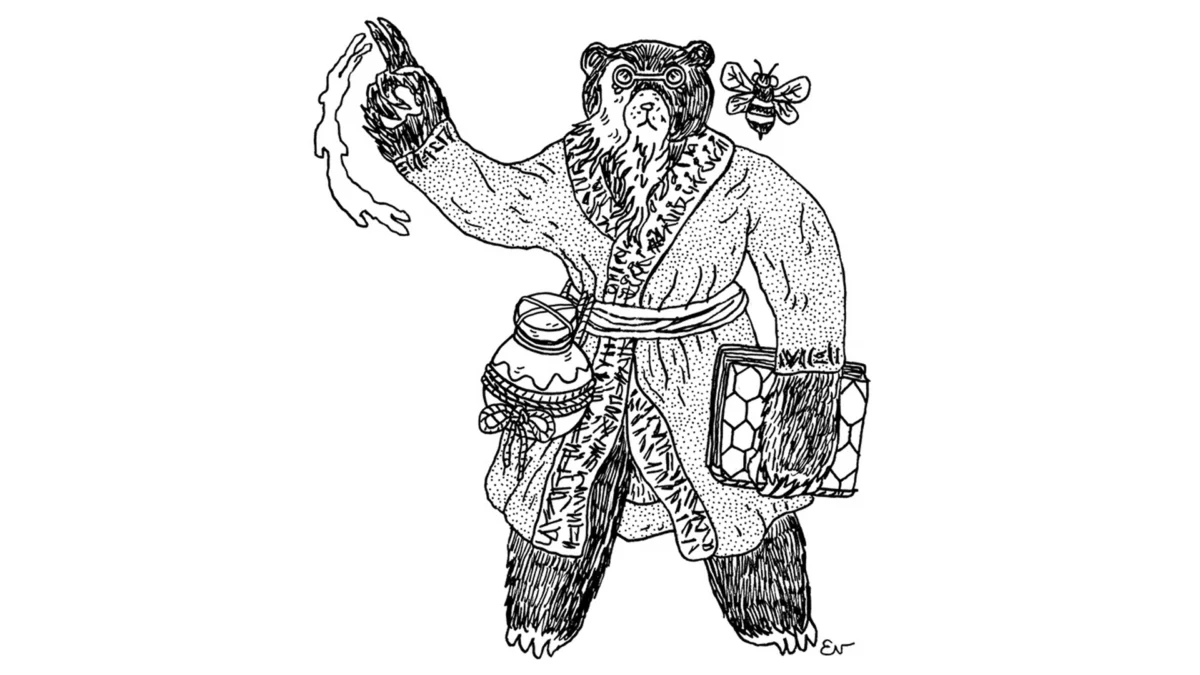
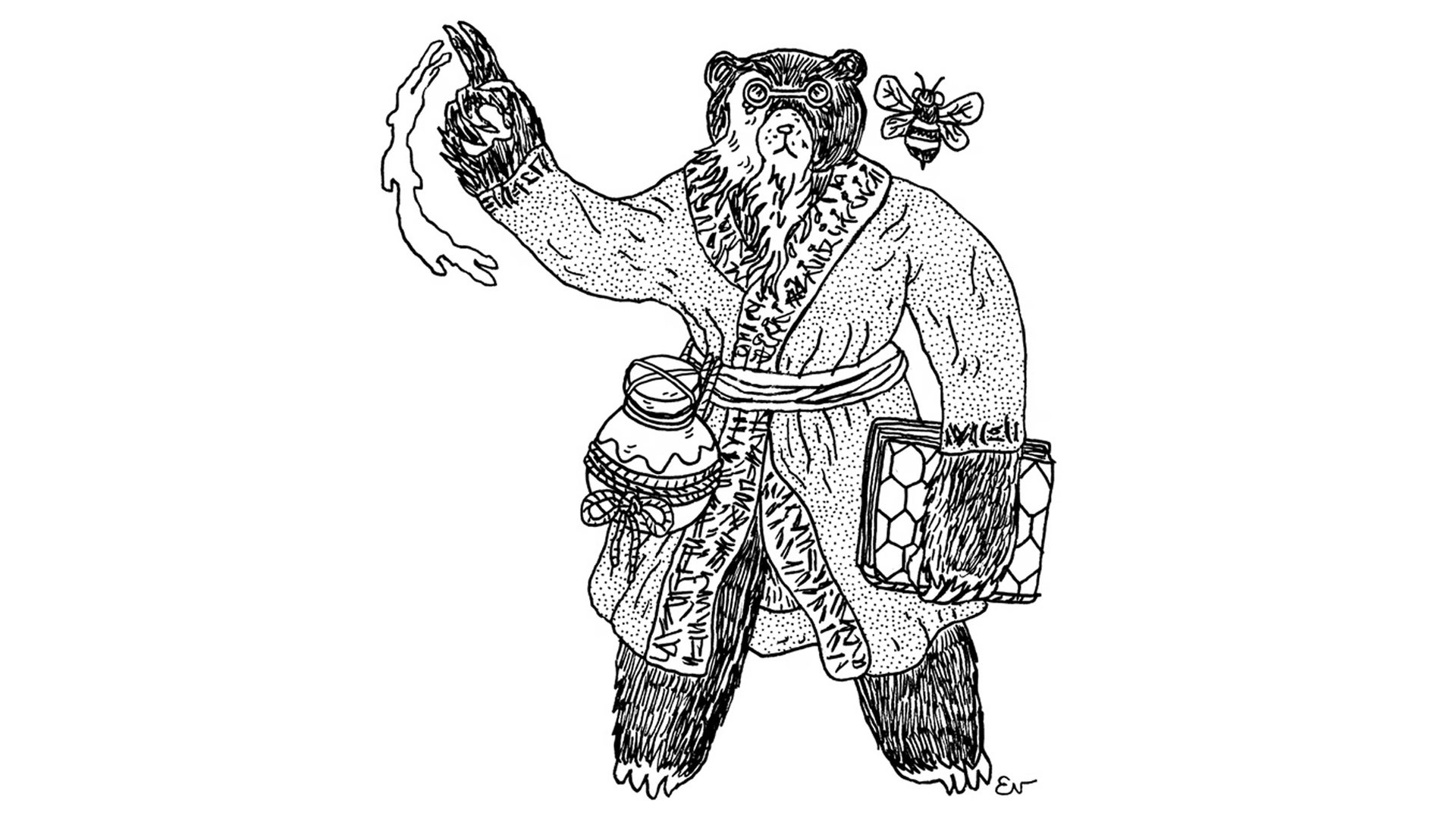
Complementing Armstrong’s design is the distinctive artwork of illustrator Evlyn Moreau. Moreau’s artistic style, which often features vibrant colors, expressive characters, and a touch of whimsical surrealism, perfectly captures the lighthearted yet fantastical essence of "Hello Wizard." Her previous work on RPGs like "Liminal High School" suggests an ability to infuse imaginative settings with character and charm, making her an ideal collaborator for a game centered on eccentric spellcasters and their magical misadventures. The visual identity Moreau has crafted for "Hello Wizard" is crucial in conveying its tone, drawing players into a world where magic is both wondrous and inherently chaotic, creating an inviting aesthetic that aligns perfectly with the game’s comedic ambitions. The collaboration between Armstrong’s innovative design and Moreau’s evocative art ensures a cohesive and immersive experience.
A Niche in the TRPG Landscape: Comparisons and Uniqueness
While "Hello Wizard I Have a Problem" draws inspiration from comedic giants, it also carves out its own distinct niche within the crowded tabletop RPG market. Unlike many traditional fantasy RPGs that focus on epic quests, intricate combat, and character progression through stat increases, "Hello Wizard" prioritizes emergent narrative and shared laughter.
Games like Dungeons & Dragons, Pathfinder, or even more narrative-focused fantasy games often involve complex rule sets, extensive character sheets, and a significant investment in long-term campaigns. "Hello Wizard," by contrast, offers a more episodic, pick-up-and-play experience. Its focus on collaborative GMing and the Problem Generator differentiates it from even other rules-light or improvisational RPGs, providing a structured yet highly flexible framework for spontaneous storytelling. The game doesn’t just encourage players to be funny; it provides the mechanics to make that humor an integral, systemic part of play.

This approach resonates with a growing segment of the TRPG community that seeks experiences less about crunch and more about creative freedom and social interaction. It appeals to those who might be intimidated by the extensive lore and rules of high-fantasy epics, offering an accessible entry point into the hobby. Furthermore, for experienced players, it provides a refreshing palate cleanser, a game that can be enjoyed for a single session without the commitment of a multi-year campaign, allowing for pure, unadulterated fun. It’s a game that understands the power of a good laugh and builds its entire framework around delivering it.
The Developer’s Vision: Crafting Accessible Comedy
While direct quotes from Sam Armstrong regarding "Hello Wizard I Have a Problem" are not extensively provided in the initial announcement, the game’s design ethos offers a clear window into his vision. Armstrong’s work consistently demonstrates a commitment to creating tabletop experiences that are not only engaging but also highly accessible and focused on unique narrative structures.
With "Hello Wizard," his vision appears to be centered on democratizing the roleplaying experience, making it less about a single authoritative GM and more about collective creativity. The fluid GM role and the straightforward rule set suggest a desire to lower the barriers to entry, inviting a broader audience into the world of TRPGs. Furthermore, the game’s overt comedic bent, rooted in established traditions of absurdist humor, speaks to a design philosophy that values entertainment and shared laughter above all else. Armstrong seems intent on proving that TRPGs can be just as much about spontaneous, lighthearted fun as they are about epic sagas or strategic combat. He aims to empower players to embrace imperfection and find joy in the unpredictable, fostering an environment where every "problem" is an opportunity for comedic brilliance. This commitment to accessibility and humor is a hallmark of his design, promising a delightful and stress-free gaming experience.
Implications for the Tabletop RPG Community
The emergence of games like "Hello Wizard I Have a Problem" holds significant implications for the broader tabletop RPG community. It represents a continued evolution towards diverse gameplay experiences, moving beyond traditional dungeon crawls and combat-heavy systems. This trend caters to a wider audience, including those who may be drawn to collaborative storytelling and improvisation but deterred by complex rules or a competitive atmosphere.
"Hello Wizard" reinforces the value of GM-less or GM-lite systems, which are gaining traction for their ability to distribute narrative control and foster a more egalitarian play environment. It showcases how a well-designed framework can still lead to rich, emergent narratives even without a dedicated world-builder. Furthermore, its emphasis on comedy and lightheartedness can serve as an excellent entry point for new players, demystifying the hobby and demonstrating its inherent flexibility and fun. For existing players, it offers a refreshing alternative, a game to unwind with after a particularly intense campaign, or a fun way to introduce non-gamers to the joy of collaborative storytelling. The success of its crowdfunding campaign further validates the market’s demand for such innovative, accessible, and humor-driven TRPGs, potentially inspiring more designers to explore similar creative territories.
The Future of Fantastical Faux Pas
As the Kickstarter campaign for "Hello Wizard I Have a Problem" concludes, the immediate future looks bright for this whimsical TRPG. With pledges securing its production, backers can anticipate receiving their physical copies of the game in June, while a digital PDF version offers immediate access for those eager to dive into the magical mayhem sooner. The potential future availability on Sam Armstrong’s Itch.io page also promises ongoing accessibility for a wider audience beyond the initial crowdfunding period.
The game’s arrival on the scene is more than just another new title; it’s a statement about the enduring appeal of creative play and the power of shared laughter. "Hello Wizard I Have a Problem" is poised to become a beloved addition to game nights, offering countless hours of unpredictable fun as players navigate the hilarious pitfalls of being a truly powerful, yet utterly incompetent, wizard. Its blend of accessible rules, collaborative storytelling, and guaranteed absurdity ensures that the problems these wizards encounter will be anything but boring, promising a future filled with fantastical faux pas and unforgettable moments of comedic brilliance. Whether a player is a seasoned sorcerer of the dice or a curious novice, the call of the chaotic wizarding world awaits, ready to deliver an experience unlike any other.
Funding Information:
The crowdfunding campaign for "Hello Wizard I Have a Problem" is currently live on Kickstarter until later this afternoon. A pledge of £8 (approximately $10 USD) will secure a physical copy of the game, anticipated for delivery in June. Alternatively, a digital PDF version is available for £4 (approximately $5 USD). Following the campaign, the game may also become available through Sam Armstrong’s Itch.io page.
Image Credits: Sam Armstrong, Evlyn Moreau