Sony Aggressively Positions PlayStation VR2 with Limited-Time $300 Price Point Amidst Global Electronics Inflation
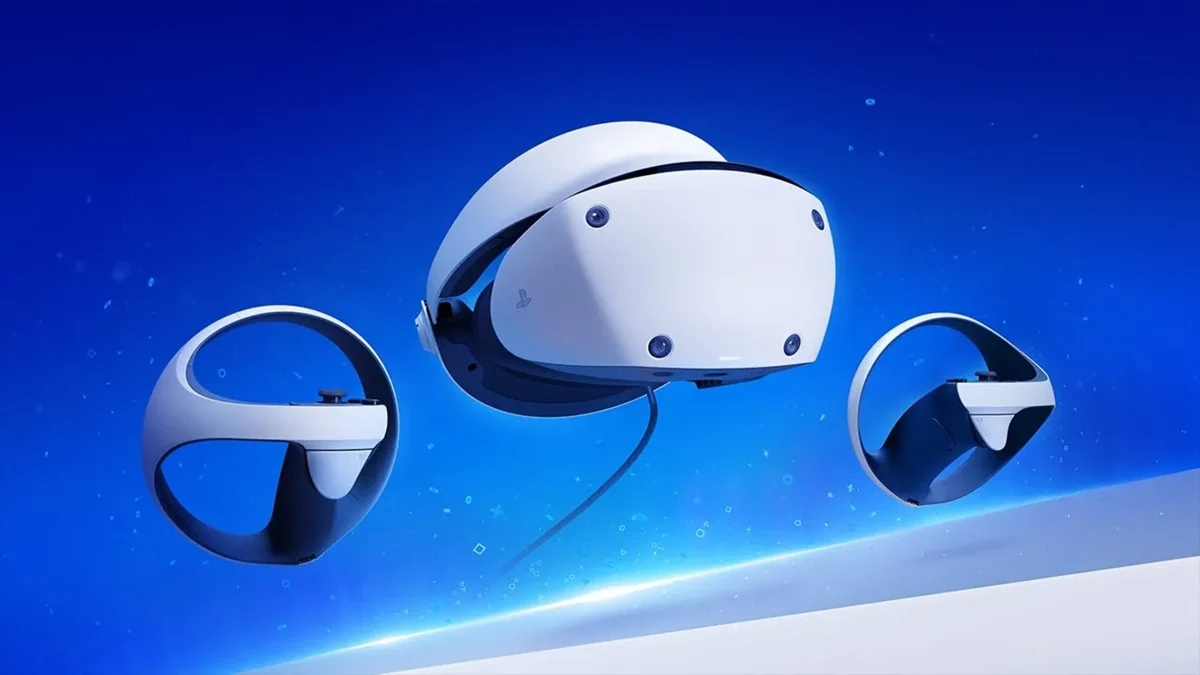
In a market increasingly defined by rising hardware costs and supply chain volatility, Sony Interactive Entertainment has made a significant tactical move by slashing the price of its flagship virtual reality peripheral. The PlayStation VR2 (PS VR2), which originally debuted as a premium accessory priced higher than the console required to run it, is currently available for $300 via the official PlayStation Direct storefront in the United States.
This $100 discount from its recently established $400 MSRP—and a staggering $250 drop from its 2023 launch price—represents a pivotal moment for the hardware. As the industry grapples with an AI-driven memory chip crisis that has forced competitors like Meta and Apple to raise prices, Sony’s ability to offer a high-fidelity OLED VR experience at a sub-$300 entry point could reshape the landscape of consumer VR adoption for the remainder of the year.
Main Facts: The Scope of the Promotion
The current sale, which is scheduled to run through August 10, positions the PS VR2 at its lowest standalone price to date. While a previous Black Friday promotion offered the headset at the same $300 price point, that deal included the marquee title Horizon Call of the Mountain. The current offer is for the hardware alone, yet it arrives at a time when the headset’s utility has expanded significantly beyond the PlayStation 5 ecosystem.
Key details of the current market position include:
- Current Price: $299.99 (Down from $399.99 MSRP).
- Availability: Primarily via PlayStation Direct (US).
- Duration: Ends August 10, 2024.
- Platform Compatibility: PlayStation 5 and Windows PC (via official adapter).
- Key Specs: Dual 2K OLED displays (2000 x 2040 per eye), 120Hz refresh rate, eye-tracking, and headset haptics.
Chronology: From Premium Accessory to Accessible Gateway
The trajectory of the PS VR2 has been a complex narrative of technical achievement met with market skepticism regarding its price-to-value ratio.
The Launch Phase (February 2023)
Sony launched the PS VR2 in early 2023 with a premium price tag of $550. At the time, this was more expensive than the PlayStation 5 console itself, creating a high barrier to entry. Despite glowing reviews for its haptic feedback, "Sense" controllers, and the vibrant contrast of its OLED panels, the tethered nature of the device and the lack of a robust first-party roadmap led to a slower-than-anticipated start.
The Pivot to PC (Early 2024)
Recognizing the limitations of a closed ecosystem, Sony made a historic announcement in early 2024: the PS VR2 would receive official PC support. By August 2024, Sony released a dedicated PC adapter, allowing users to tap into the vast SteamVR library. This move transformed the PS VR2 from a PS5 peripheral into a legitimate contender in the PC VR space, competing directly with the Valve Index and the Meta Quest 3.
The Price Realignment (Mid-2024)
Following the PC adapter release, Sony officially adjusted the base MSRP of the headset to $400. The current $300 promotional window serves as a "stress test" for consumer demand, coinciding with the launch of major VR-compatible titles like Microsoft Flight Simulator 2024 on the platform.
Supporting Data: Technical Specifications and Economic Resilience
One of the most intriguing aspects of the PS VR2’s current pricing is its immunity to the "AI Memory Crisis." While the Meta Quest 3 and Apple Vision Pro rely on high-performance LPDDR5 RAM and massive NAND flash storage—components currently in high demand for AI server clusters—the PS VR2’s internal architecture is lean.
Hardware Efficiency
As a non-standalone device, the PS VR2 does not need to house a mobile processor, a large battery, or significant onboard memory. It utilizes:

- RAM: 2GB of LPDDR4X.
- Storage: 4GB of eMMC (used primarily for firmware and basic tracking/passthrough logic).
- Chipset: A specialized MediaTek SoC designed for low-latency sensor fusion.
Because LPDDR4X is a mature technology not currently being cannibalized by the AI sector, Sony maintains a more stable bill of materials (BOM) compared to Meta’s Quest 3, which has seen its manufacturing costs fluctuate.
The PC VR Value Proposition
For PC gamers, the $300 price point creates a "best-in-class" value scenario. Even when factoring in the $60 Sony PC adapter and a $15 DisplayPort cable, the total "all-in" cost is roughly $375.
- Contrast Ratio: Unlike the LCD panels found in the Quest 3 ($500) or Valve Index ($999), the PS VR2 uses OLED. This provides "true blacks" essential for horror games like Resident Evil Village or space simulators like Elite Dangerous.
- Foveated Rendering: Through third-party community tools like PSVR2Toolkit and PimaxMagic4All, PC users with Nvidia RTX cards can now utilize the headset’s eye-tracking hardware to enable foveated rendering. This technique reduces the rendering load on the GPU by focusing high-detail graphics only where the user is looking, effectively giving mid-range PCs a performance boost.
Official Responses and Market Strategy
While Sony has not issued a formal press release regarding the long-term future of the PS VR2’s pricing, industry analysts suggest the $300 sale is a strategic move to clear inventory and build a larger user base before the next fiscal quarter.
In previous earnings calls, Sony executives have emphasized a "wait and see" approach to VR, focusing on "expanding the world of PS5." However, the release of the PC adapter was a tacit admission that the PS5 software library alone was not enough to sustain the hardware’s growth.
Market analysts at firms like IDC suggest that Sony is currently prioritizing "platform footprint" over "per-unit hardware profit." By getting the headset into more homes at $300, Sony increases the likelihood of software sales on the PlayStation Store and ensures the device remains a relevant target for multi-platform VR developers.
Implications: A Shift in the VR Landscape
The aggressive pricing of the PS VR2 carries several long-term implications for the VR industry and consumers.
1. The Democratization of OLED VR
For years, high-end OLED VR was reserved for "prosumer" headsets costing upwards of $1,000 (such as the Bigscreen Beyond). By bringing this technology down to $300, Sony is setting a new benchmark for what entry-level VR should look like. This may force competitors to reconsider their reliance on cheaper LCD panels in future iterations.
2. The Total Cost of Ownership (TCO) Paradox
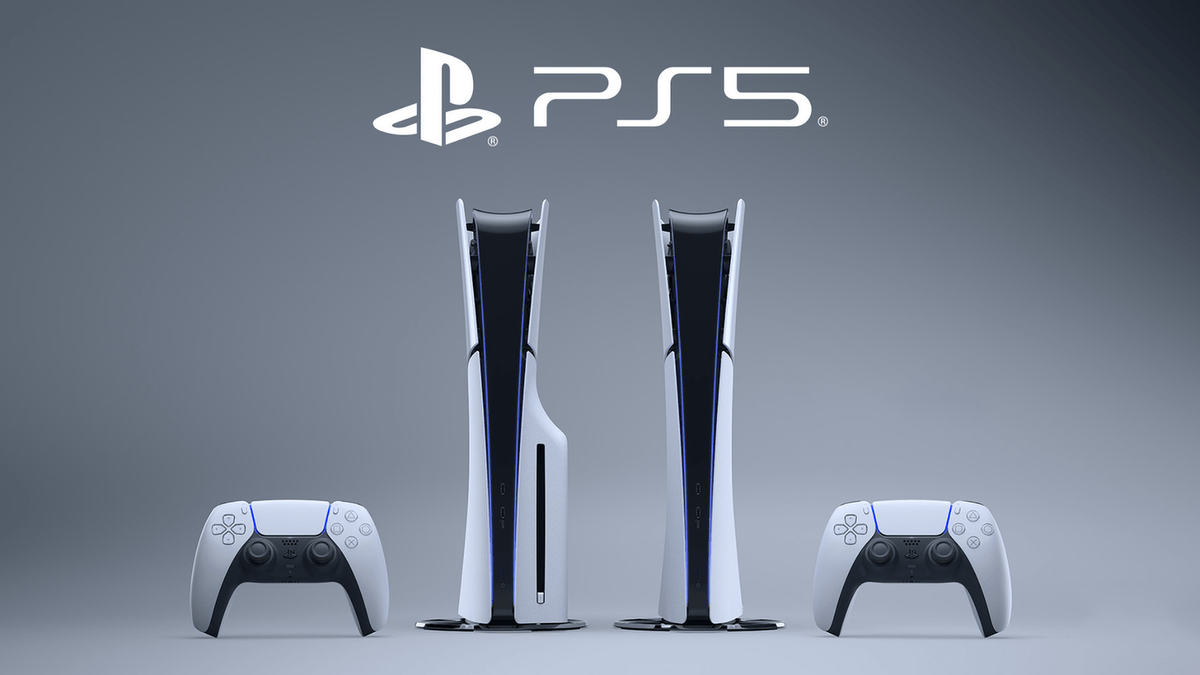
While the headset is cheaper, the "buy-in" price for new users is actually rising. Sony recently increased the price of the PlayStation 5 console in several global markets. In the US, a PS5 Pro and a PS VR2 together now cost approximately $1,000. This $300 sale acts as a crucial offset, making the ecosystem more palatable for those who have already invested in the console.
3. The "Mura" vs. "Clarity" Trade-off
The price drop makes the PS VR2’s technical trade-offs easier to swallow. The headset is known for "mura"—a non-uniform fixed-pattern noise caused by the OLED manufacturing process—and Fresnel lenses, which have a smaller "sweet spot" than the pancake lenses found in the Quest 3. At $550, these were significant drawbacks; at $300, they are acceptable compromises for the incredible color depth and haptic immersion provided.
4. Community-Driven Longevity
The emergence of open-source drivers and mods to enable eye-tracking on PC suggests that the PS VR2 may follow in the footsteps of the original PSVR, which maintained a long tail of utility thanks to community ingenuity. Sony’s decision to allow PC access has effectively "future-proofed" the hardware against the potential end of PS5 lifecycle support.

Conclusion
Sony’s decision to drop the PlayStation VR2 to $300 is more than just a summer clearance sale; it is a calculated response to a volatile electronics market. By leveraging older, more stable chip architectures and opening the gates to the PC gaming community, Sony has transformed a struggling peripheral into one of the most compelling hardware deals of 2024.
As the August 10 deadline approaches, the VR community will be watching closely to see if this price point becomes the "new normal" or if it remains a fleeting opportunity for gamers to secure high-end optics at a budget-friendly price. For now, the PS VR2 stands as a rare example of a premium tech product becoming more accessible at a time when the rest of the world is getting more expensive.