The People vs. Frank Castle: A Forensic and Legal Analysis of The Punisher’s Trial
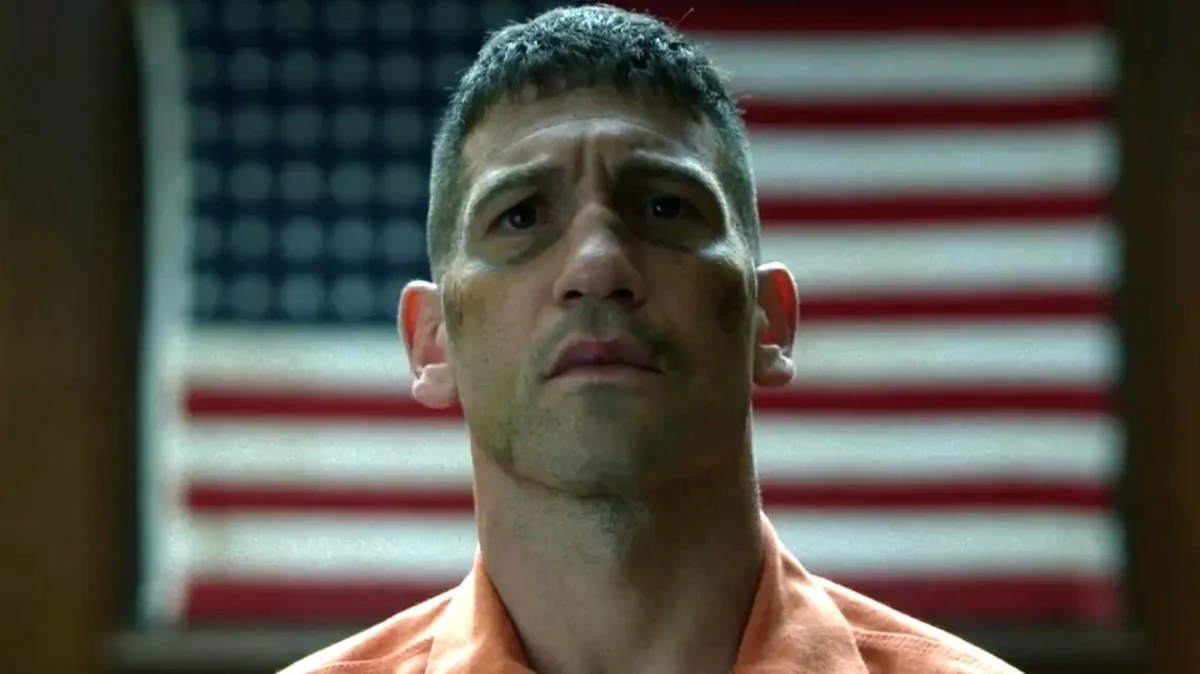
The image is iconic and polarizing: a white, jagged skull spray-painted onto a tactical vest, a symbol of extrajudicial justice that has transcended the pages of Marvel Comics to appear on the gear of real-world soldiers and police officers. In the Marvel Cinematic Universe, specifically within the gritty confines of Netflix’s Daredevil (now part of the Disney+ canon), Frank Castle—better known as The Punisher—represents the ultimate failure of the social contract. He is a man who has abandoned the slow machinery of the law for the immediate finality of a bullet.
But what happens when the machinery of the law finally catches up? In Daredevil Season 2, audiences were treated to "The Trial of the Century," where the legal system attempted to reconcile the actions of a mass-murdering vigilante with the rigid requirements of the American courtroom. To understand the realism of this portrayal, we consulted with Alexander Conley, a practicing defense attorney and founder of Conley Law, PLLC, to dissect how a real-life legal battle for Frank Castle would unfold.
Main Facts: The Legal Profile of a Vigilante
Frank Castle is not a typical defendant. A decorated Marine veteran, Castle’s "war on crime" began following the brutal murder of his wife and children during a gangland crossfire in Central Park. Since then, his body count has reached staggering proportions. In the Disney+ special Punisher: One Last Kill, Castle’s lethality remains undiminished, a decade after his initial introduction in 2016.
The charges against Castle would theoretically include multiple counts of first-degree murder, aggravated assault with a deadly weapon, illegal possession of military-grade firearms, and domestic terrorism. In any standard jurisdiction, the evidence against him—often consisting of dozens of witnesses and forensic trails leading back to his signature weaponry—would be insurmountable.
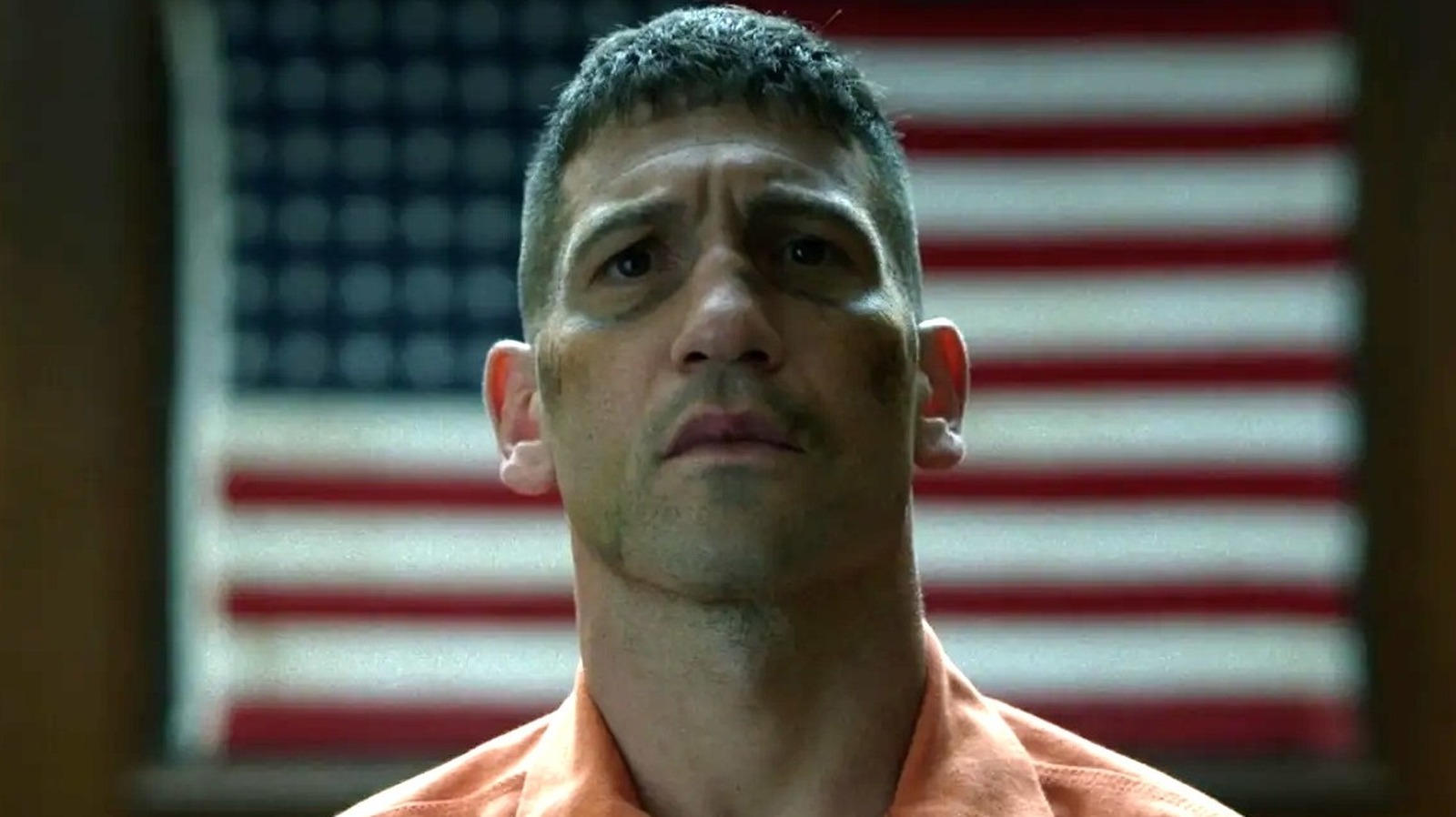
"It is a defense attorney’s job to give their client the best representation possible," says Alexander Conley. "You have to put aside personal ethics to abide by the legal axiom that everyone deserves a defense." However, when the defendant is as divisive as Castle, the strategy moves beyond "did he do it?" to "why did he do it, and was he in his right mind?"
Chronology: The Courtroom Drama of Daredevil Season 2
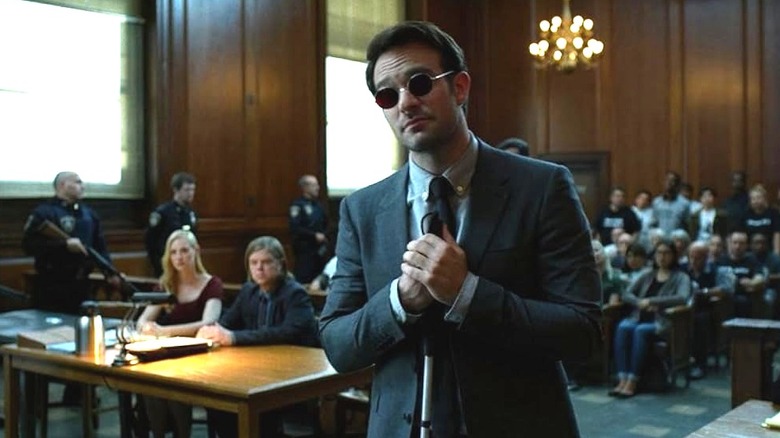
In the narrative arc of Daredevil Season 2, specifically the episodes "Semper Fidelis" and "Guilty as Sin," the legal team of Murdock & Nelson (Matt Murdock and Foggy Nelson) takes on the seemingly impossible task of defending Castle.
The Defense Strategy
Murdock and Nelson settle on a two-pronged approach:
- The Insanity Defense: Arguing that a traumatic brain injury (TBI) sustained during the massacre of his family left Castle in a state of "elevated rage," rendering him unable to appreciate the wrongfulness of his actions.
- Diminished Capacity: A secondary defense aimed at reducing the charges from first-degree murder to a lower offense by arguing that Castle’s mental state precluded him from the "premeditation and deliberation" required for a top-tier conviction.
The Procedural Reality Check
Conley notes that while the show gets the theory of the defense right, the timing is pure Hollywood. "Real trials progress slowly," Conley explains. "In Daredevil, the trial is rushed for narrative tension. If you are going to have experts testifying as to the mental state of a defendant, you need months of advanced notice and resumes on file."
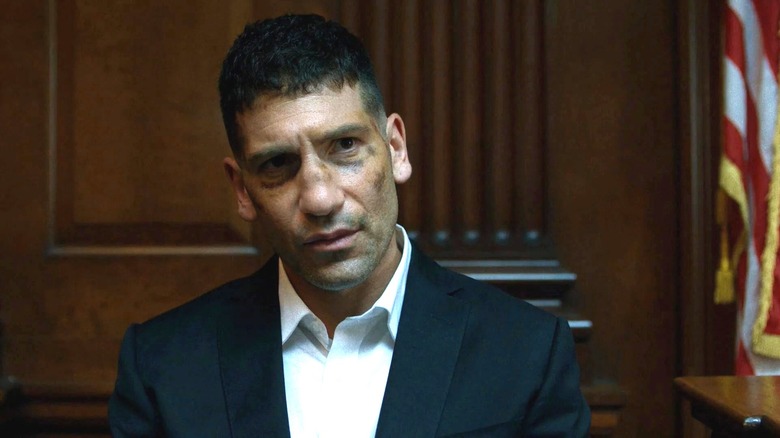
Furthermore, the climax of the trial—where Matt Murdock monologues to the jury under the guise of questioning a hostile witness—would likely have resulted in an immediate mistrial in a real-world court. "He basically starts testifying himself," Conley observes. "A judge would never let an attorney do that."
Supporting Data: The Science of the "Punisher Defense"
To enrich the legal analysis, one must look at the intersection of neurology and criminal responsibility. The "brain injury" defense used in the show mirrors real-life cases where frontal lobe damage has been linked to a loss of impulse control and heightened aggression.
The M’Naghten Rule vs. The Model Penal Code
In the United States, the insanity defense generally follows one of two standards. The M’Naghten Rule focuses on whether the defendant knew the nature of the crime or understood that it was wrong. The Model Penal Code (used in many states) is broader, asking if the defendant lacked the "substantial capacity" to conform their conduct to the requirements of the law.
Castle’s defense relies on the idea that he is a "broken machine." However, Conley points out that Castle’s tactical precision often works against an insanity plea. The Punisher doesn’t kill randomly; he plans, stalks, and executes with military efficiency. This level of organization suggests a high degree of cognitive function and an understanding of his actions, which typically defeats an insanity claim.
The Role of Character Evidence
The show introduces Ray Schoonover, Castle’s former commanding officer, to testify to his heroism. Conley explains that while this makes for great television, "Character evidence usually doesn’t come in. There are strict evidentiary rules that prevent you from using a person’s past good deeds to show they couldn’t have committed a current crime. The defense tries to bypass this by linking it to his mental state, which is a clever, if legally precarious, maneuver."
Official Responses: Prosecutorial Hurdles and Public Sympathy
The prosecution, led in the show by District Attorney Samantha Reyes, faces a unique challenge: the "Hero Complex." While the state sees a mass murderer, a significant portion of the public sees a man doing what the police cannot.
The Luigi Mangione Parallel
To understand the prosecutorial anxiety surrounding a Punisher trial, one need only look at the real-world case of Luigi Mangione, the man accused of murdering UnitedHealthcare CEO Brian Thompson in late 2024. Following the killing, social media was flooded with expressions of sympathy for the suspect, fueled by frustrations with the American healthcare system.
"New York prosecutors were reportedly concerned that potential jurors were too sympathetic to that line of thinking," Conley notes. In the Marvel Universe, prosecutors would face a similar nightmare. How do you find twelve jurors who haven’t already formed an opinion on a man who is essentially a folk hero to the disenfranchised?
The Specter of Jury Nullification
The greatest fear for any prosecutor in the Punisher’s trial is jury nullification. This occurs when a jury believes a defendant is technically guilty based on the evidence but chooses to acquit because they disagree with the law or believe the defendant was morally justified.
"Jury nullification isn’t looked upon well by the courts," Conley explains. "It’s very rare, but it’s also something they can’t prohibit. If a jury decides to decide something outside the law, their deliberations are secret. You’ll never know if that’s why they acquitted."
Implications: The Rule of Law in a Vigilante Age
The hypothetical trial of Frank Castle serves as a stress test for the American legal system. If Castle is convicted, he becomes a martyr for those who believe the system is rigged in favor of criminals. If he is acquitted, the "social contract"—the agreement that the state alone holds the monopoly on violence—is effectively nullified.
The Judicial Safety Net
While the jury determines guilt or innocence, the judge holds the power of sentencing. Conley notes that a "tough on crime" judge might be swayed by the mitigating factors of Castle’s tragic history, but they must also weigh the danger he poses to society. "The judge is able to take anything into account," Conley says. "They can consider the reasoning behind the actions and whether the defendant is amendable to rehabilitation."

Final Verdict: Fiction vs. Reality
Ultimately, the trial of The Punisher in Daredevil Season 2 is a heightened reflection of real legal struggles. It captures the essence of the "insanity defense" and the tactical maneuvering of high-stakes litigation, even if it ignores the grueling, bureaucratic pace of the actual justice system.
In reality, Frank Castle would likely never see a jury; the overwhelming physical evidence and his own refusal to show remorse would lead to a plea deal or a swift conviction. But in the realm of narrative, his trial allows us to ask the uncomfortable question: In a world where the law fails, is a man like Castle a criminal, or is he the inevitable consequence of a broken system?
As Alexander Conley concludes, the difficulty of the trial isn’t just about the evidence—it’s about the jurors. Finding twelve people capable of putting aside their personal feelings toward a man who wears a skull on his chest and a sniper rifle on his shoulder might be the only thing in the Marvel Universe more difficult than stopping the Punisher himself.