Echoes of the Plateau: "Sumpa Kingdom" Captivates the 28th Shanghai International Film Festival
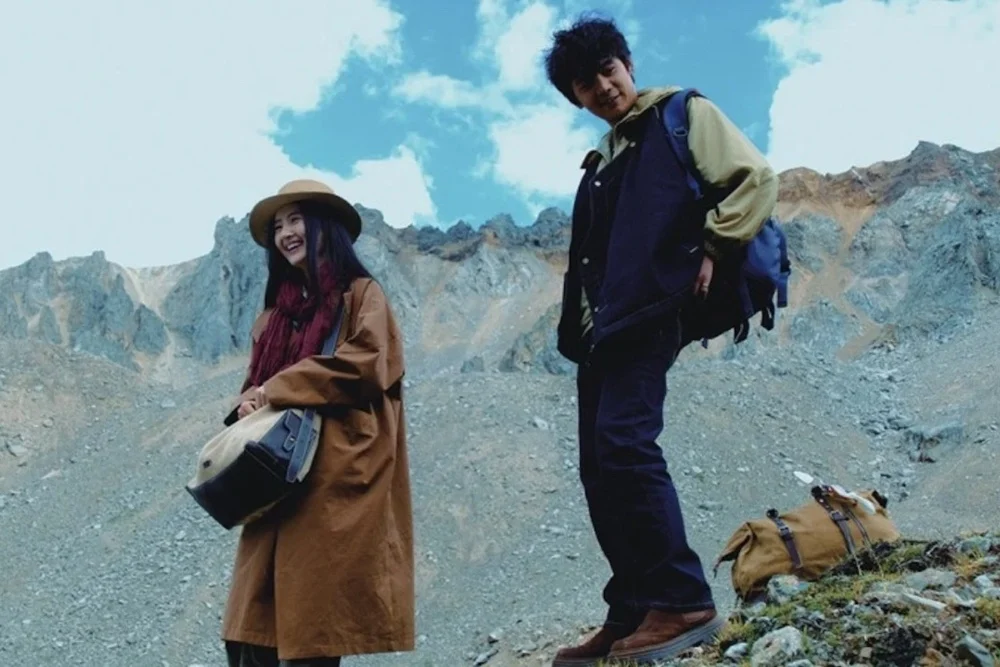
The 28th Shanghai International Film Festival (SIFF) has once again positioned itself as a pivotal junction for global cinema, particularly through its "Belt and Road Film Week" sidebar. Among the most anticipated entries this year is Sumpa Kingdom, a poignant drama set against the breathtaking and rugged landscapes of Xizang (Tibet). Directed by the visionary Lhapal Gyal, the film held a high-profile post-screening event recently, drawing industry insiders, critics, and cultural enthusiasts to discuss its intricate narrative of identity, history, and the enduring human spirit.
The event featured the core creative team, including director Lhapal Gyal, producer Sonam Gyal, and lead cast members Tenzin Tsundue, Joy, and Sonam Wangmo. As the lights dimmed and the discussion began, it became clear that Sumpa Kingdom is more than just a regional drama; it is a sophisticated exploration of how the past informs the present, told through the lens of a culture that remains both deeply traditional and vibrantly evolving.
Main Facts: A Dual-Timeline Narrative of Discovery
Sumpa Kingdom is an ambitious adaptation of the acclaimed novel by the writer Miaolian. The film utilizes a dual-timeline structure to bridge the gap between personal memory and ancient history.
The 1995 Strand: A Foundation of Compassion
The first narrative arc is set in 1995 in the remote region of Nagqu. It centers on a rural doctor who discovers and adopts an orphaned Tibetan baby girl. This segment of the film serves as the emotional bedrock, establishing themes of unconditional love, the ethics of care in harsh environments, and the quiet heroism of those who live far from the urban centers of modernization. The 1990s setting also captures a specific moment in Xizang’s history, portraying a time of transition before the rapid infrastructure developments of the 21st century.
The 2024 Strand: The Quest for Identity
The second arc leaps forward to 2024. The orphan has grown into a determined young woman. With the blessing of her adoptive father—the doctor who saved her nearly three decades prior—she embarks on a journey alongside a wealthy merchant. Their mission is both personal and academic: to piece together the historical enigmas of the ancient Sumpa kingdom. This lost civilization, often referred to in historical texts as a powerful entity on the Qinghai-Tibet Plateau, serves as a metaphor for the protagonist’s own search for her roots and heritage.
Creative Philosophy
Director Lhapal Gyal emphasized that while the film stays true to the "spiritual core" of Miaolian’s novel, the cinematic version underwent significant restructuring. The team reworked character dynamics and the narrative flow to better suit the visual medium, drawing heavily from their personal experiences with the customs, landscapes, and daily realities of Xizang. The result is a film that balances historical mystery with an intimate character study.
Chronology: From Page to the Silver Screen
The journey of Sumpa Kingdom from a literary work to a highlight of the Shanghai International Film Festival is a testament to the growing maturity of the Tibetan film industry, often referred to as the "Tibetan New Wave."
- Source Material Selection: The project began with the acquisition of Miaolian’s novel. The producers were drawn to the story’s unique blend of archaeological intrigue and domestic drama.
- Script Development and Localization: Lhapal Gyal and his writing team spent considerable time in Nagqu, conducting field research to ensure the dialogue and setting felt authentic. This period involved "stripping away" the more sensationalist elements of the novel to find a "purer" cinematic voice.
- Casting (Late 2023): The casting process was unconventional. Rather than seeking established stars for every role, the director looked for "natural presence." This led to the casting of Tenzin Tsundue, a former tour guide, in a leading role—a decision made without a formal audition after a single meeting in Chengdu.
- Production and Principal Photography: Filming took place in high-altitude locations, including the foot of the Sapu Sacred Mountain. The crew faced significant logistical challenges due to the weather and terrain, but these elements contributed to the film’s stark, realistic aesthetic.
- Post-Production (Early 2024): The editing focused on balancing the two timelines, ensuring that the transition between 1995 and 2024 felt seamless rather than jarring.
- SIFF Premiere (June 2024): The film was selected for the "Belt and Road Film Week," a prestigious sidebar at SIFF that highlights films from countries and regions involved in the Belt and Road Initiative, emphasizing cultural exchange and shared human experiences.
Supporting Data: Contextualizing the Sumpa Kingdom
To understand the weight of the film, one must understand the historical significance of its namesake. The Sumpa (or Sum-pa) were an ancient people of the Tibetan Plateau.
- Historical Reach: According to Tang Dynasty records and ancient Tibetan scrolls, the Sumpa Kingdom was a significant power before being incorporated into the Tibetan Empire (Tubo) in the 7th century. It is often associated with the legendary "Kingdom of Women" (Nüguo) due to its matriarchal social structures.
- Geographical Focus: Nagqu, where much of the film is set, is situated at an average elevation of over 4,500 meters. It is a region characterized by vast grasslands and the harsh beauty of the Northern Tibetan Plateau, providing a visual language of isolation and grandeur that mirrors the characters’ internal journeys.
- The "Belt and Road" Impact: The "Belt and Road Film Week" at SIFF has seen a 20% increase in participation from regional filmmakers over the last three years. Sumpa Kingdom represents a growing trend of "ethnic minority cinema" in China that is gaining mainstream recognition for its high production values and universal themes.
Official Responses: Insights from the Cast and Crew
The post-screening event provided a rare glimpse into the director’s intent and the actors’ emotional connections to the project.
Director Lhapal Gyal on Romantic Subtlety
Lhapal Gyal was asked about the relationship between the female lead and the merchant guide. In an era where many dramas rely on heightened romantic tension, Gyal chose a different path.
"We did not intend for them to have an intense romantic entanglement. Understated, pure affection fits their characterizations far better. In the vastness of Nagqu, emotions are often expressed through silence and shared purpose rather than grand gestures."
Tenzin Tsundue on Authenticity
For Tenzin Tsundue, Sumpa Kingdom marks a major career milestone. He reflected on how his previous life as a tour guide prepared him for the role of Baima.
"Even though I am Tibetan, I am portraying a different Tibetan individual. The character’s personality is half me, half Baima. My experience as a guide helped me understand the physical relationship with the land, but I had to work hard to find Baima’s specific internal rhythm."
The Emotional Weight of the Landscape
Actress Joy expressed her pride in representing her hometown, noting that the film allowed her to "convey love for the land" in a way that words cannot. Co-star Sonam Wangmo added a poignant reflection on the filming conditions:
"Though my screen time is limited, filming at the foot of Sapu Sacred Mountain was an incredibly romantic experience. The mountain itself is a character in the film; it demands respect and shapes how you move and speak."
Implications: The Future of Tibetan Cinema and Cultural Preservation
The success and reception of Sumpa Kingdom at the Shanghai International Film Festival carry several significant implications for the film industry and cultural discourse.
1. The Evolution of the "Tibetan New Wave"
For years, Tibetan cinema was defined by the pioneering work of the late Pema Tseden. Filmmakers like Lhapal Gyal are now expanding this legacy. While earlier films often focused on the collision between tradition and modernity in a contemplative, slow-cinema style, Sumpa Kingdom suggests a move toward blending these themes with genre elements like historical mystery and "road movie" structures. This evolution makes the stories more accessible to global audiences without sacrificing cultural authenticity.
2. Archaeology as a Narrative Tool
By using the Sumpa Kingdom as a central plot point, the film highlights a growing interest in the "deep history" of the plateau. It reflects a broader societal trend in China where younger generations are looking to archaeology and ancient history to find a sense of belonging in a rapidly changing modern world. The film suggests that identity is not just about where we are born, but about the layers of history we choose to uncover.
3. Strengthening the "Belt and Road" Cultural Bridge
The inclusion of Sumpa Kingdom in the Belt and Road Film Week underscores the importance of SIFF as a platform for diverse voices. It demonstrates that regional stories from the heart of Asia have the power to resonate with international juries and audiences. By fostering these exchanges, the festival helps to break down stereotypes and build a more nuanced understanding of life in Xizang.
4. Environmental and Spiritual Tourism
The breathtaking cinematography of Sapu Sacred Mountain and the Nagqu region is likely to spur interest in "cinematic tourism." However, the film also serves as a reminder of the spiritual significance of these sites. As more people seek out these remote locations, the film’s portrayal of the land as "sacred" and "romantic" sets a tone for respectful engagement with the environment.
As the 28th Shanghai International Film Festival concludes on June 21, Sumpa Kingdom stands out as a highlight of the program. It is a film that asks profound questions: Who are we when our past is a mystery? How do we honor those who raised us while seeking our own path? In the shadows of the Himalayas and the silence of the grasslands, Lhapal Gyal has found a story that is as vast as the landscape it portrays.