From PC Excellence to Standalone Frontiers: StarRupture Confirmed for Meta Quest 3
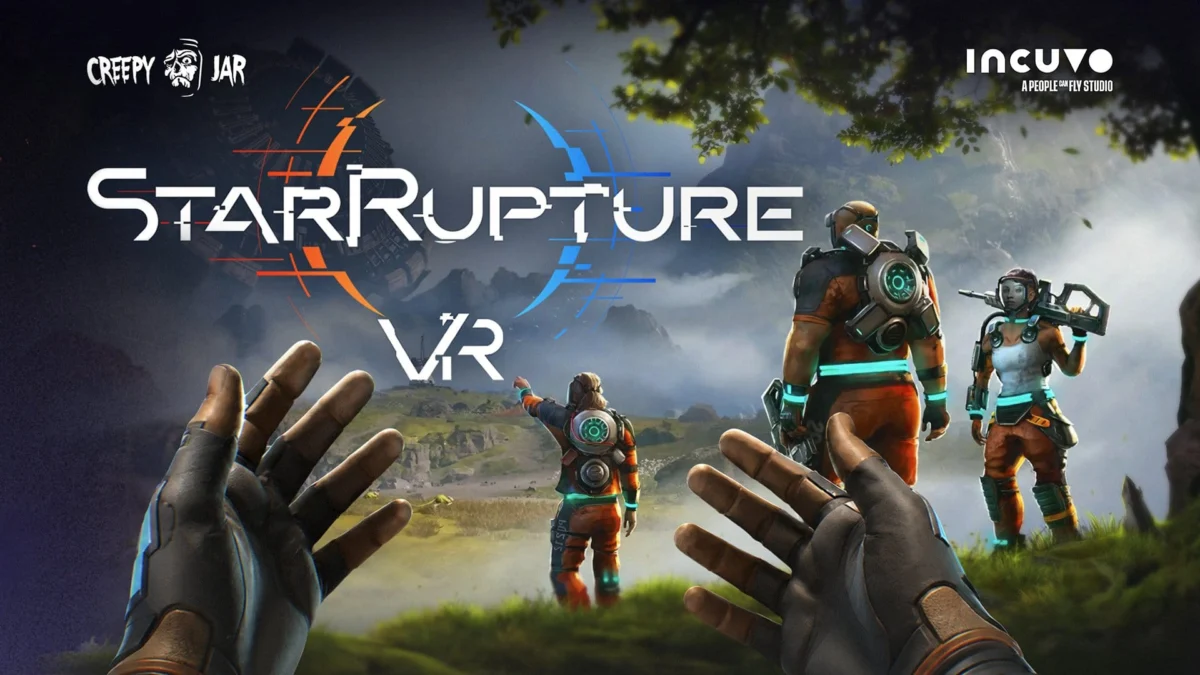
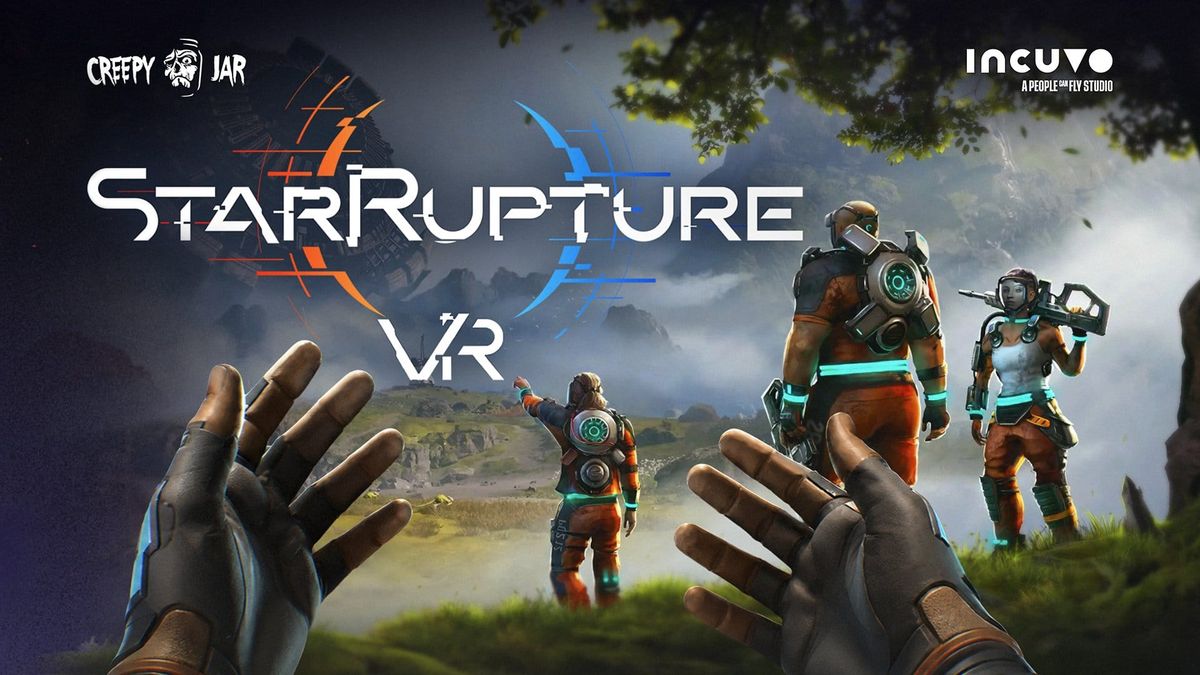
In an announcement that has sent ripples through the virtual reality community, Incuvo Games has officially confirmed it is developing a dedicated port of Creepy Jar’s acclaimed sci-fi survival title, StarRupture, for the Meta Quest 3. This move marks a significant milestone for standalone VR, signaling a continued shift toward bringing high-fidelity, complex PC titles to mobile chipsets.
As the VR industry moves deeper into the lifecycle of the Quest 3, the pressure to deliver "AAA-adjacent" experiences that do not require a tethered PC has never been higher. The porting of StarRupture—a game known for its lush environments and complex base-building mechanics—represents both a technical challenge and a strategic opportunity for Incuvo and Meta.
Main Facts: A New Frontier for Standalone VR
The announcement, delivered via a social media post on X (formerly Twitter) on July 16, 2026, confirmed that Incuvo is handling the adaptation of Creepy Jar’s latest intellectual property. StarRupture is a first-person, open-world exploration game that blends intricate base-building systems with advanced combat and resource management.
Key details of the announcement include:
- Platform Target: Specifically optimized for Meta Quest 3, leveraging the headset’s enhanced processing power compared to its predecessors.
- Developer Roles: Creepy Jar remains the original creator, while Incuvo—the studio behind the VR adaptations of Green Hell and Bulletstorm—takes the lead on the VR port.
- Gameplay Scope: The port aims to retain the core pillars of the original: exploration, advanced combat, and co-op functionality for up to four players.
- Current Status: While the PC version is currently enjoying success in Steam Early Access, the Quest 3 version does not yet have a confirmed release window or a listing on the Meta Horizon Store.
Chronology: The Journey of StarRupture
To understand the weight of this announcement, one must look at the timeline of StarRupture and the studios involved.
January 2026: Steam Early Access Launch
StarRupture launched on Steam Early Access to immediate critical acclaim. Within months, it amassed over 6,600 reviews with a "Very Positive" rating. Players praised its visual fidelity, powered by Unreal Engine 5, and its survival mechanics that felt like a natural evolution from Creepy Jar’s previous hit, Green Hell.
July 16, 2026: The Incuvo Announcement
Incuvo Games officially broke the news that they would be bringing the game to the Quest 3. This followed months of speculation regarding whether a game as graphically demanding as StarRupture could ever run on standalone hardware.
Looking Ahead: 2027 and Beyond
The PC version of StarRupture is slated to exit Early Access in 2027. Industry analysts suggest that the VR port may coincide with the 1.0 launch of the PC version, though Incuvo has remained tight-lipped on specific dates to avoid the "crunch" and "launch-day bugs" that have plagued other high-profile VR ports.
Supporting Data: Technical Hurdles and Studio Pedigree
The transition from a high-end PC environment to a mobile processor is a Herculean task, particularly for a title built on Unreal Engine 5 (UE5).
The UE5 Challenge
StarRupture utilizes advanced features of Unreal Engine 5, including Nanite and Lumen, to create its alien landscapes. On PC, even mid-tier users have reported occasional frame drops. Translating these assets to the Snapdragon XR2 Gen 2 chip found in the Quest 3 requires aggressive optimization. Incuvo will likely need to employ advanced foveated rendering and significant asset decimation to maintain the game’s "Very Positive" gameplay experience without sacrificing the "open world" feel.
The Incuvo Track Record
Incuvo’s involvement is a double-edged sword for many fans. The studio is best known for Green Hell VR. When Green Hell VR launched on the Quest 2, it was a fundamentally different game than the PC version. The map was smaller, the paths were more linear, and the "open world" was segmented into smaller loading zones.
However, Incuvo’s recent track record shows a commitment to the Quest 3 hardware. Last year, they released a visual overhaul for Green Hell VR specifically for Quest 3, which introduced better textures, dynamic lighting, and increased draw distances. This suggests that with StarRupture, Incuvo intends to push the Quest 3 to its absolute limits rather than settling for a "lowest common denominator" port.
Market Context
Currently, the standalone VR market is starved for deep, cooperative survival games. While No Man’s Sky dominates the PCVR and PSVR2 space, it is not available natively on Quest. StarRupture enters a market where its primary competition is either older titles or smaller-scale indie projects. With 6,600+ positive reviews on Steam, the game already has a built-in fanbase and proven mechanics, reducing the "content risk" for Meta’s ecosystem.
Official Responses and Studio Vision
The announcement from Incuvo was brief but optimistic. "Happy to share that we will take the newest Creepy Jar’s game, StarRupture to VR!" the studio posted. The inclusion of the "up to 4 friends" co-op feature in the tweet was a deliberate move to reassure the community that the social aspects of the game—often the first to be cut in hardware-limited ports—are being prioritized.
Creepy Jar, based in Warsaw, Poland, has expressed a long-standing interest in the VR space. Following the success of Green Hell VR, the studio views VR as a vital pillar of their IP strategy. By partnering with Incuvo again, they are leveraging a pre-existing workflow and a shared understanding of how to translate survival mechanics (like manual crafting and physical inventory management) into a 3D spatial environment.
Despite the excitement, Incuvo has not yet responded to queries regarding whether the Quest 3 port will feature cross-play with the PC version. Given the technical differences between the two builds, most industry experts believe cross-play is unlikely, though cross-progression remains a possibility.
Implications: The Future of High-End Standalone VR
The decision to port StarRupture carries several broader implications for the VR industry and the Meta Quest ecosystem.
1. The "Quest 3 Exclusive" Trend
The fact that StarRupture is being marketed specifically for the Quest 3 (with no mention of the Quest 2) highlights a growing trend. Developers are beginning to abandon the older Quest 2 hardware to avoid being held back by its aging processor. This move is necessary for a UE5 game but may alienate the millions of users still on older hardware. It signals that the Quest 3 has finally reached a critical mass where "Pro" or "Exclusive" titles are economically viable.
2. The Bridge Between PC and Standalone
For PC VR enthusiasts, the announcement of a Quest 3 "exclusive" port can be frustrating. However, the existence of the Universal Unreal Engine VR tool (UEVR) provides a silver lining. Since StarRupture is built in UE5, PC players can already experience the game in VR using these community-driven tools. This creates a unique situation where the "official" VR experience is on standalone hardware, while the "hardcore" VR experience remains on PC via mods.
3. Filling the Genre Gap
Standalone VR has many "wave shooters" and "rhythm games," but it lacks deep, 40-hour+ systems-driven games. StarRupture’s focus on base building and resource automation (reminiscent of titles like Satisfactory) could provide the Quest 3 with a "sticky" title that keeps players returning to the headset for months rather than hours.
4. Technical Benchmark
If Incuvo successfully ports an open-world UE5 title to the Quest 3 without the extreme "linearization" seen in Green Hell VR, it will set a new technical benchmark for the industry. It would prove that the gap between mobile VR and PCVR is closing faster than anticipated, potentially encouraging other developers of complex PC games to consider native Quest ports.
Conclusion
StarRupture coming to Meta Quest 3 is more than just another game announcement; it is a litmus test for the capabilities of modern standalone VR. While questions remain about graphical fidelity and the potential for a "shrunken" world, the pedigree of Incuvo and the proven success of Creepy Jar provide a strong foundation. As we look toward 2027, the VR community will be watching closely to see if this ambitious alien world can truly fit inside a mobile headset without losing its soul.