Fantasy-Faction Announces Final SPFBO Cut: Semi-Finalists Revealed in Prestigious Self-Published Fantasy Blog-Off
FOR IMMEDIATE RELEASE
[City, State] – [Date, e.g., June 20, 2024] – The Self-Published Fantasy Blog-Off (SPFBO), a highly anticipated annual competition celebrating the best in independent fantasy literature, has reached a critical juncture. Fantasy-Faction, one of the esteemed judging blogs, today announced its final two "cut" selections, marking the conclusion of its initial review phase. This pivotal announcement paves the way for the eagerly awaited dedicated reviews of their four semi-finalists, signaling a significant step forward in the competition’s rigorous evaluation process.
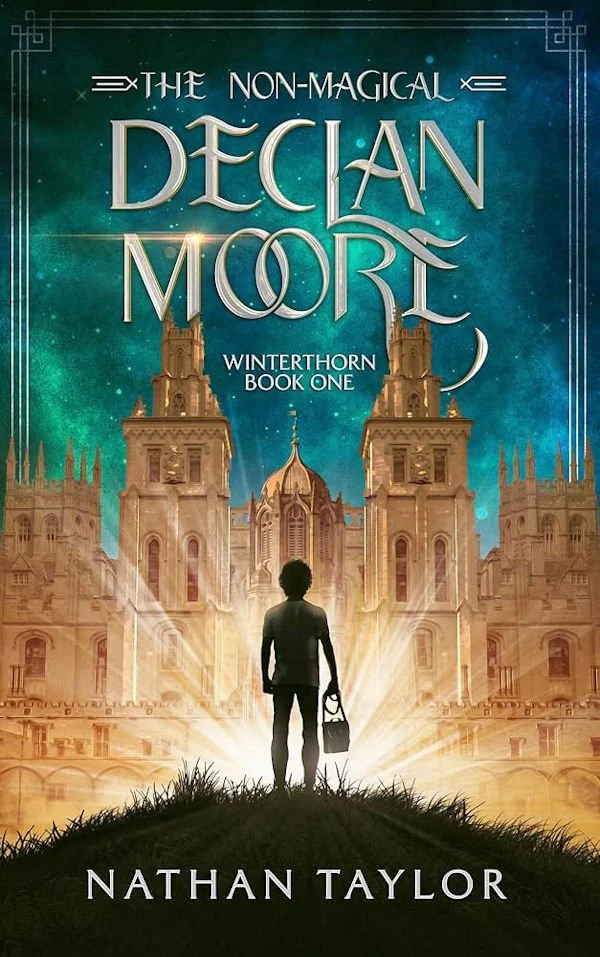
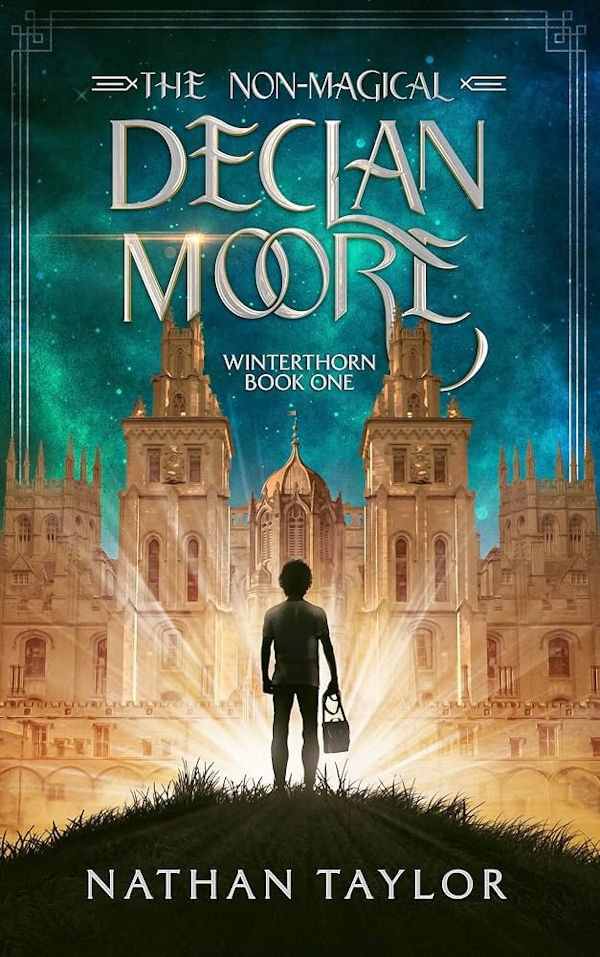
The two titles concluding Fantasy-Faction’s "Seventh and Final Fall" are The Non-Magical Declan Moore by Nathan Taylor and Hunter’s Apprentice by Simon Shugar. While both books demonstrated notable strengths and garnered passionate discussion among the judging panel, they ultimately did not advance to the semi-final stage for this particular blog. As always, the judging panel emphasizes the subjective nature of literary evaluation, encouraging readers to explore any titles that resonate with their individual tastes.
The Self-Published Fantasy Blog-Off: A Beacon for Independent Authors
The SPFBO, founded by acclaimed fantasy author Mark Lawrence, has grown exponentially since its inception, becoming a cornerstone event in the self-published fantasy landscape. Now in its eleventh iteration, SPFBO 11 continues its mission to shine a spotlight on the vast talent within the independent publishing community, offering authors an unparalleled platform for recognition and discovery.
The competition operates on a multi-stage process involving numerous fantasy blogs, each responsible for reviewing a batch of submissions. These blogs meticulously read through their assigned titles, progressively narrowing down their selections until only a few remain. The ultimate goal is to identify a single winning book from across all participating blogs, which then receives significant industry acclaim and often a boost in sales and readership.
For authors, merely entering SPFBO is an act of considerable courage and ambition. Submitting one’s work to a panel of critical readers is a vulnerable process, and the competition serves as a testament to the dedication and passion of the self-published community. Fantasy-Faction, in its announcement, extended a heartfelt thank you to every author who participated, acknowledging the bravery inherent in putting one’s creative endeavors forward.
Readers interested in tracking the ongoing progress of SPFBO 11 can visit the official SPFBO website for comprehensive updates and further information on the competition’s structure and history.
The Rigorous Journey: Fantasy-Faction’s Judging Process
Fantasy-Faction’s judging panel, a diverse group of avid fantasy readers and critics, undertakes a thorough and thoughtful review process. Their methodology, as outlined in their recent posts, involves reading books in no particular order and making "cut" decisions based on collective impressions rather than a strict worst-to-best ranking. This approach acknowledges that a book might not resonate with every judge for a myriad of reasons, yet still hold immense appeal for other readers.
The process is designed to be comprehensive, with judges providing detailed feedback, highlighting both strengths and weaknesses. This transparency is a hallmark of the SPFBO, offering authors valuable insights into how their work is perceived by professional reviewers and providing readers with a nuanced understanding of each book’s merits.
Having concluded this initial winnowing, Fantasy-Faction now prepares to dedicate full, in-depth reviews to its four chosen semi-finalists. This next phase represents a heightened level of scrutiny, where these promising titles will receive the focused attention they have earned through their compelling narratives and strong execution.
Deep Dive: The Non-Magical Declan Moore by Nathan Taylor
Synopsis:
Nathan Taylor’s The Non-Magical Declan Moore introduces readers to the modern nation of Euryma, a world where magic is commonplace, integrated into everyday life. Witches and wizards navigate normal existences, leveraging their extraordinary abilities for mundane tasks. However, seventeen-year-old Declan Moore stands as an anomaly – a "LAMP," or Lacking All Magical Potential, relegated to the role of school groundsman’s apprentice while his peers embrace magical futures. Declan yearns for even a flicker of power to escape the pervasive disappointment surrounding his status. The narrative takes a dramatic turn when Euryma is plunged into chaos, with thousands of magic-users mysteriously vanishing overnight. As Declan embarks on a desperate search for his parents, he uncovers a shocking truth: he is not helpless, but dangerously powerful, and wielding this newfound ability could jeopardize everything.

A Tale of Divergent Opinions:
This novel proved to be a "marmite book" for the Fantasy-Faction judging team, eliciting widely varying opinions and scores. Ratings for The Non-Magical Declan Moore spanned from enthusiastic praise to significant criticism, underscoring the subjective nature of literary appreciation.
Points of Praise:
Judges who connected with the story highlighted its immediate appeal and engaging qualities. Stacey praised Declan as a "typical 16-year-old teen" whose journey of discovering his true capabilities was compelling. She commended the "fun worldbuilding" and the high stakes of the plot, where Declan must "level up his game" to protect his loved ones and potentially his world. The narrative’s depiction of betrayal and the challenge of trust in a crisis-ridden environment was also noted.
Sarah echoed these sentiments, confessing the book "kept me absolutely glued to the page from the very first chapter." She found Declan to be a "very relatable character" and expressed fondness for supporting characters Horace and Ava, hoping for their continued presence in future installments. Sarah particularly enjoyed the thrilling mystery surrounding "finding the mole in the Directive," appreciating the element of betrayal that kept the characters, and the reader, on edge. The book’s ending left her intrigued and eager for the next volume, demonstrating its strong hook.
Areas of Critique:
Conversely, judges who found the book less compelling pointed to several key issues. While the premise of a magic-less teen in a magical world was generally appealing, some felt the execution faltered, particularly concerning Declan’s emotional depth and consistency. Critics noted that Declan’s emotional reactions often felt "consistently off," with significant moments of distress or danger being "shrugged off" or quickly reverting to a "carefree action." This emotional whiplash, for some judges, made it challenging to fully believe in Declan’s interactions and the gravity of his situation.
The supporting cast also drew criticism, with some characters feeling more like "plot functions than people," lacking the depth to make them truly memorable or relatable. Ace was singled out as a notable exception, described as the "strongest character in the book, grounded and real in a way the wider cast wasn’t." Another point of contention was the occasional disconnect between the story’s "otherwise YA tone" and the "severity of the violence," creating a jarring experience for some readers.
Final Assessment:
The Non-Magical Declan Moore clearly possesses the capacity to captivate readers, offering a fast-paced, high-stakes narrative with a relatable protagonist for those who can overlook the noted emotional inconsistencies. Its ability to generate such strong, yet opposing, reactions solidifies its status as a book that, for the right audience, delivers precisely what it promises: an exciting journey of self-discovery in a world teetering on the brink.
Deep Dive: Hunter’s Apprentice by Simon Shugar
Synopsis:
Simon Shugar’s Hunter’s Apprentice transports readers to a harsh, unforgiving world where a village struggles for survival amidst warring kings. Tomi grows up surrounded by the realities of hard work, fierce loyalty, and a persistent hope for better days. However, this fragile peace is shattered when the mysterious "power of Pathos" awakens within him, propelling Tomi onto a path demanding immense courage, strength, and sacrifice. Faced with the crumbling of his peaceful life, Tomi must forge his own future as a hunter’s apprentice, navigating a brutal world where survival is a daily battle.
A Narrative Voice Divides:
Similar to Declan Moore, Hunter’s Apprentice generated polarized opinions among the judging panel, with the primary dividing factor being the novel’s narrative voice. The story follows Tomi from the tender age of four, but the narration consistently struck some judges as significantly older than the character’s depicted age, creating an immersion challenge.
Points of Praise:
For those judges who successfully engaged with the narrative voice, Hunter’s Apprentice proved to be a "compelling and readable dark fantasy." The book was lauded for its strong themes of family, loyalty, and survival in a relentlessly harsh environment. The meticulous attention to "nature and wilderness elements" garnered particular praise, grounding Tomi’s journey in "practical day-to-day reality" rather than treating survival as a mere backdrop.
Judge Julia Kitvaria Sarene found the book "a really engaging read," despite its reliance on "classic fantasy territory with a lot of familiar tropes." She specifically highlighted the "narrative voice" as its strongest asset, describing it as "very easy to read" with a "strong pull that made it hard to put down." Julia appreciated the contrast between the story’s "darker world" and its "genuinely good people," noting that the darkness stemmed from external events rather than the characters’ inherent moral ambiguity. She also praised the detailed "nature and survival elements," such as foraging, winter preparation, and tracking, which provided a "strong sense of place and day-to-day reality," making the world feel authentically lived-in. While acknowledging some issues with the depiction of trauma, she found it generally handled with care, contributing to the story’s emotional weight. Julia concluded that the book, despite its flaws, is "a very readable fantasy with a darker edge and a strong narrative pull," ideal for readers seeking "real heroes, strong family and community bonds, and a harsh world where terrible things can happen without the characters themselves becoming morally grey or cynical."
Areas of Critique:
The central "sticking point" for several judges was, indeed, the narrative voice. The dissonance between Tomi’s young age (spanning from four to ten years old within the book) and the consistently mature, adult-like narration proved a "persistent immersion breaker" for some. While some judges could "mentally adjust" Tomi’s age upwards to accommodate the voice, others found it too disruptive to their reading experience. EG, for instance, noted that while Tomi’s actions were sometimes childlike, "never did I actually get the impression that this was a coming of age story. The narration felt far too adult for that."
Editorial issues were also flagged, with one judge mentioning "repeated paragraphs and phrases that suggested the self-editing hadn’t been fully cleaned up." Another judge found the opening chapters overly focused on "minute domestic detail," leading them to step away early due to a lack of sustained momentum. The story’s unexpected shift from an initial "slice-of-life, edging towards cozy" tone to a much darker, war-focused narrative also surprised some, including EG, who admitted being "left confused about my feelings regarding this book." Furthermore, some judges noted moments of "convenience in plotting" and skill progression that felt "a bit fast or lucky." A minor character introduced as a threat was perceived as "cartoonishly villainous without enough backstory," reducing him to a mere plot device.
Final Assessment:
Hunter’s Apprentice offers a robust and emotionally resonant journey for readers who can acclimate to its unique narrative voice and accept occasional plot conveniences. Its strengths lie in its vivid depiction of a harsh yet beautiful wilderness, its emphasis on community and resilience, and its commitment to portraying genuine goodness in the face of adversity. For those seeking a classic fantasy experience with a darker edge and a strong narrative current, this book promises a compelling and thought-provoking read.
The Road Ahead: Semi-Finalists and Beyond
With the final "cut" decisions made, Fantasy-Faction now embarks on the exhilarating next stage: providing dedicated, in-depth reviews for its four semi-finalists. This signifies a monumental achievement for the authors of these chosen books, granting them heightened visibility and a significant boost in recognition within the fiercely competitive self-published market. Each semi-finalist will receive the focused attention and critical analysis they have earned, offering readers a deeper understanding of what makes these titles stand out.
The SPFBO journey is far from over. These semi-finalists will eventually be pitted against those selected by other participating blogs, leading to a grand finalist round and ultimately, the crowning of SPFBO 11’s champion. The impact of winning, or even reaching the semi-final stage, can be transformative for an independent author’s career, opening doors to new readers, agent interest, and enhanced credibility.
The Dedication of the Judging Panel
The extensive and meticulous work of the Fantasy-Faction judging panel is a testament to their passion for the fantasy genre and their commitment to supporting independent authors. This year’s panel comprises: Adawia Asad, Eva Geraghty, Evelyn Grimald “E.G.” Stone, Julia Kitvaria Sarene, Karen Lucia, Kerry Smith, Kit Caelsto, Maureen Neuman, Robert Max Freeman, Sara Rosevear, Sherry Cammer, Stacey Markle, Tianna Twyman, and Yaniv Rosenfeld Cohen. Their collective expertise and diverse reading preferences ensure a thorough and multi-faceted evaluation of each submission.
Fantasy-Faction extends its profound gratitude to all authors who submitted their work. The courage required to put one’s creative work forward for public scrutiny is immense, and the SPFBO competition thrives on this brave spirit.
For any queries regarding Fantasy-Faction’s judging process or the SPFBO, individuals are encouraged to direct their inquiries to the editor, Jennie Ivins, via direct message on Bluesky or Threads.
The Broader Implications of SPFBO
The SPFBO transcends mere competition; it serves as a vital ecosystem for the self-published fantasy genre. It fosters a community of supportive authors and passionate readers, offering a structured pathway for discovering hidden gems outside traditional publishing avenues. By providing credible, transparent reviews from established fantasy blogs, SPFBO helps readers navigate the vast and ever-growing landscape of independent fantasy, ensuring that quality work does not remain overlooked.
The competition also pushes authors to refine their craft, encouraging professional presentation and compelling storytelling, knowing their work will be judged against a high standard. This continuous elevation of quality ultimately benefits the entire genre, enriching the literary landscape with diverse voices and innovative narratives.
As the SPFBO 11 progresses, the excitement builds for the dedicated semi-finalist reviews and the eventual announcement of the grand winner. The journey of these books, from initial submission to potential champion, underscores the vibrant and dynamic nature of self-published fantasy.
Featured image by Sinziana Susa.