The Timeless Charm of "The Adventures of Elliot": A Return to Classic RPG Delights
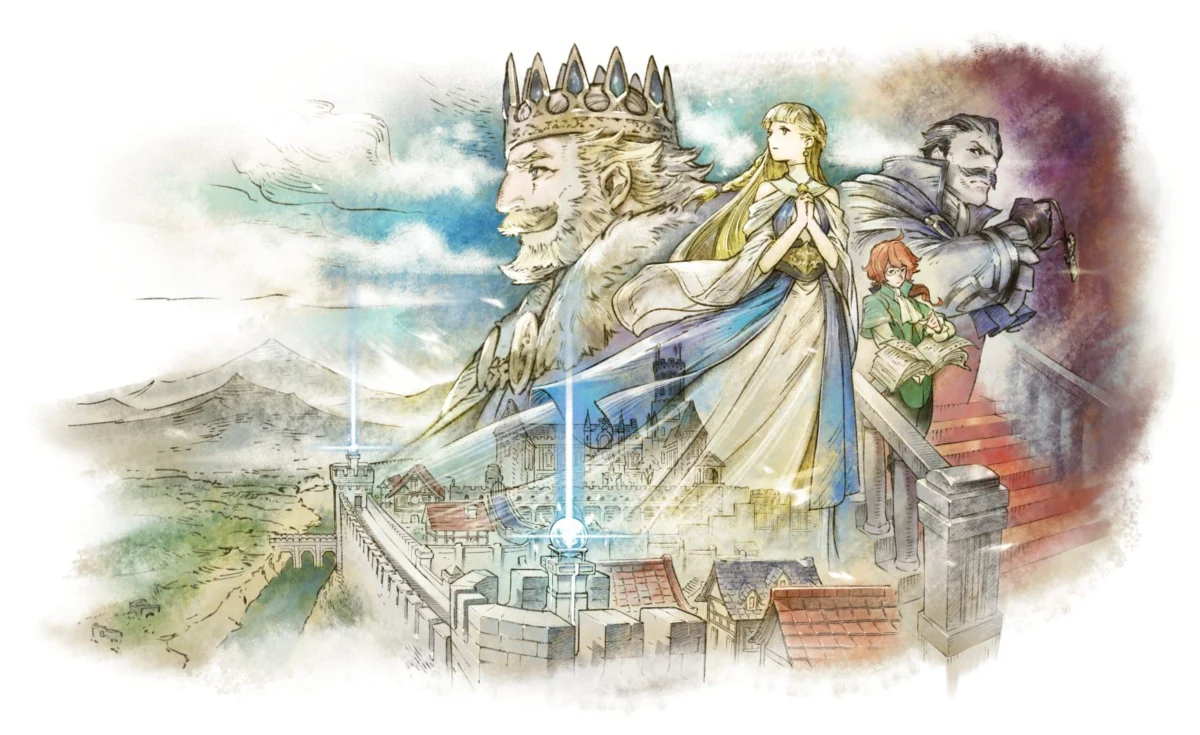
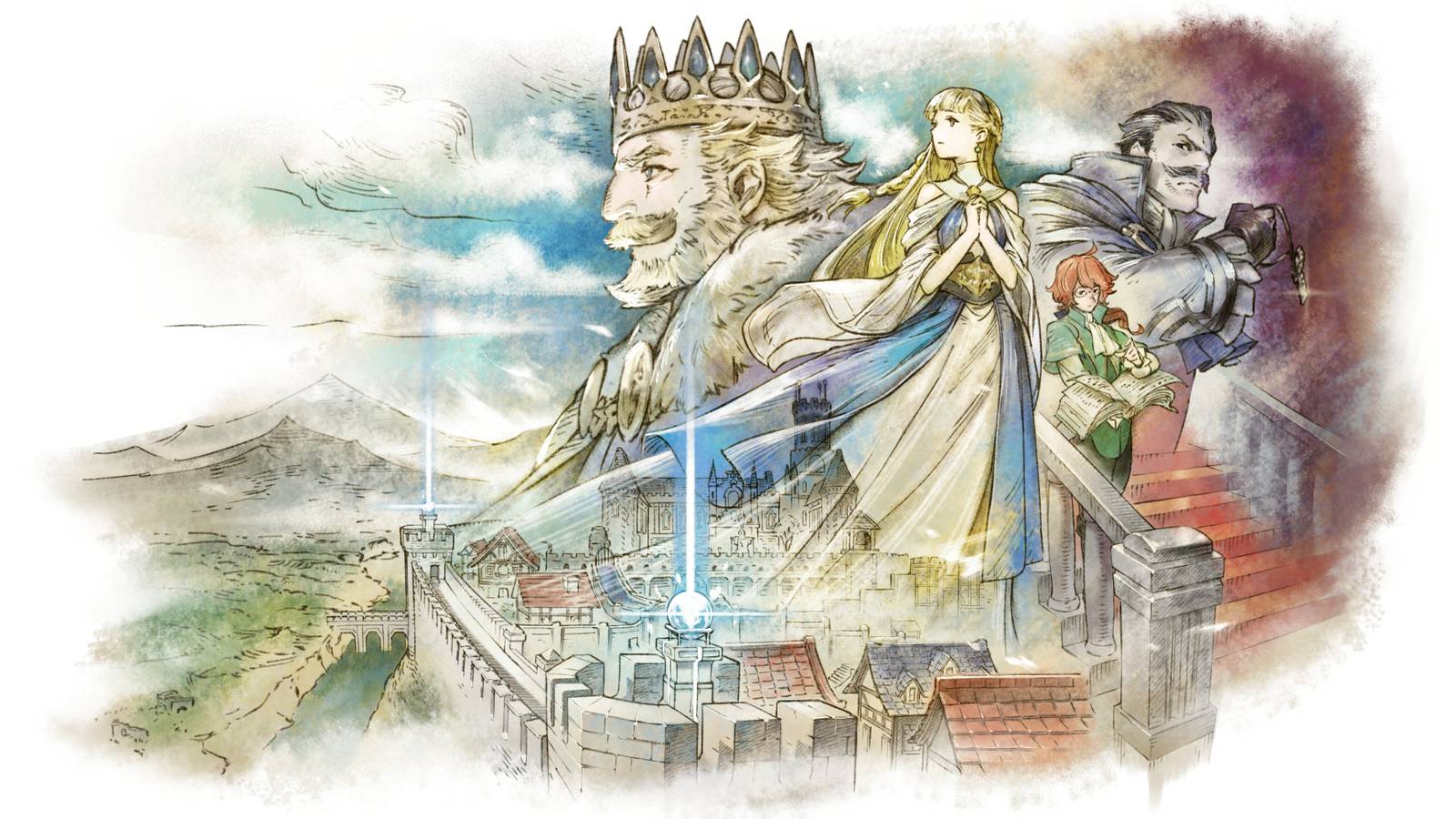
In a gaming landscape often dominated by sprawling open worlds and live-service epics, a refreshing tide is rising. This tide carries with it a yearning for the focused, handcrafted experiences that defined the golden age of 16-bit and 32-bit role-playing games. Square Enix, a company synonymous with genre-defining classics, appears to be tapping into this sentiment with "The Adventures of Elliot: The Millennium Tales," a title that, despite its humble mobile origins, has blossomed into a captivating ode to the past, offering a much-needed dose of pure, unadulterated adventure.
The gaming world has been abuzz with major reveals from the recent Summer Game Fest, with trailers for anticipated titles like Final Fantasy 7 Revelation, Kingdom Hearts 4, and Persona 6 capturing widespread attention. Amidst this flurry of AAA announcements, however, a seemingly smaller title, Final Fantasy Resonance, has unexpectedly ignited significant discussion. This resurgence of interest in Square Enix’s approach to revitalizing older properties, particularly those with roots in the mobile space, underscores a growing appetite for mid-sized, nostalgic gaming experiences. "The Adventures of Elliot: The Millennium Tales" stands as a prime example of this trend, masterfully embodying the spirit of its SNES and PlayStation 1 inspirations.
A Journey Through Time: The Narrative and Gameplay of Elliot
Co-developed by the esteemed Team Asano, known for its work on beloved turn-based RPGs, and Claytechworks, "The Adventures of Elliot" masterfully evokes the feeling of unearthing a lost gem from a bygone era. While it may not introduce revolutionary mechanics for the current gaming landscape of 2026, its strength lies in its impeccable execution. The pacing is tight, the boss encounters are remarkably diverse, the puzzles offer a satisfying level of challenge, and the overall presentation, from its enchanting soundtrack to its evocative visuals, paints a picture straight out of a fairy tale.
The game’s narrative gracefully spans four distinct time periods, a design choice that could easily become convoluted. However, "The Adventures of Elliot" elegantly sidesteps this pitfall. The game’s compact map and a focused 25-hour runtime encourage thorough exploration without ever feeling overwhelming or arduous. This deliberate scope allows players to immerse themselves in the world without the pressure of an endless to-do list, a refreshing departure from many contemporary titles.
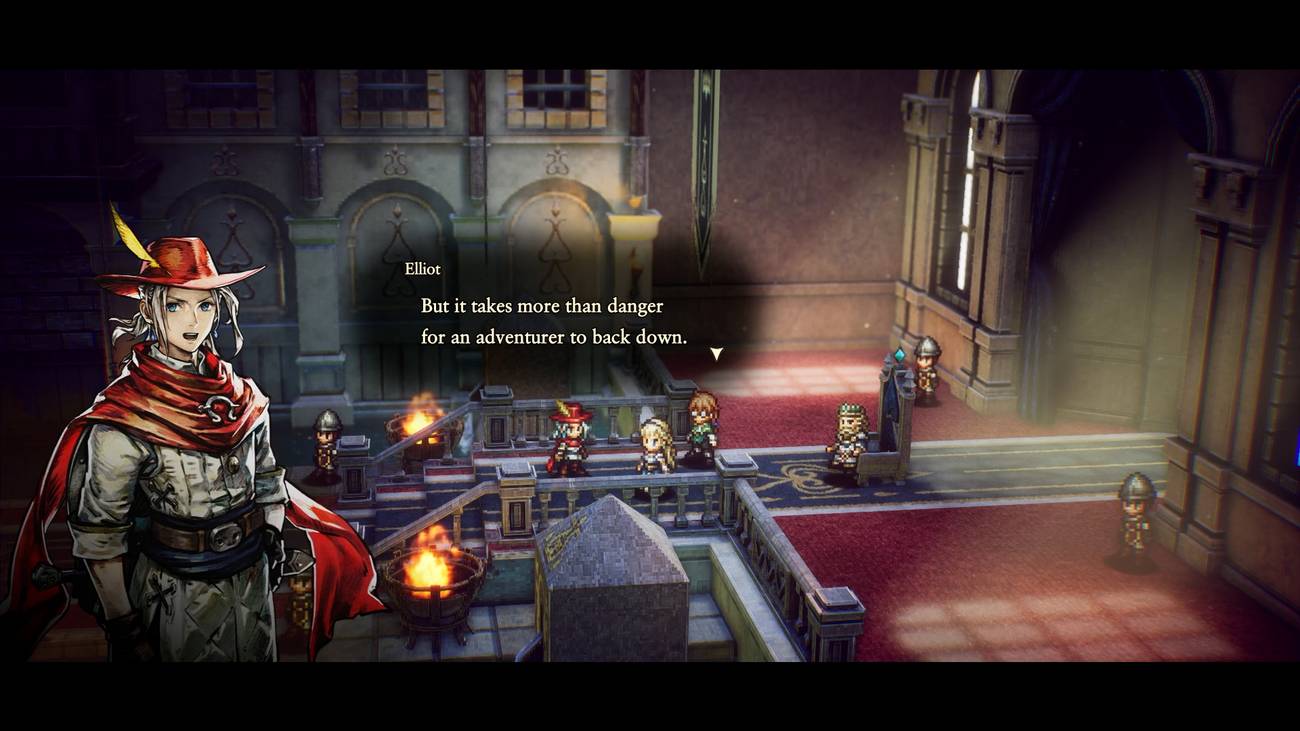
The storytelling in "The Adventures of Elliot" possesses a Ghibli-esque earnestness that, while perhaps bordering on quaint at its outset, ultimately proves endearing. The journey begins in the Kingdom of Huther, where the protagonist, Elliot, volunteers to retrieve a "valuable item" for an elder gentleman. This initial quest, revealing the item to be a lost comb belonging to the gentleman’s deceased wife, sets the tone for Elliot’s character. While a seasoned adventurer by profession, Elliot is less of a roguish treasure hunter and more of a benevolent, big-brotherly figure. He demonstrates genuine care for the orphans in his town, sharing tales of daring-do while also imparting cautious lessons on weapon safety.
The core of the adventure truly kicks off when the King tasks Elliot with investigating newly discovered ruins and subsequently thwarting a villain who manipulates time to harness forgotten magical powers. Elliot readily accepts the assignment, driven by a sense of duty and a desire to honor his family’s belief in his capabilities. "My family believes me to be the greatest adventurer in the world. I’d hate to disappoint them," he states, a line that perfectly encapsulates the game’s optimistic and heartwarming ethos. For players seeking a brooding, complex protagonist in the vein of Cloud Strife from Final Fantasy VII, "The Adventures of Elliot" offers a decidedly different, and arguably more wholesome, experience. It is an unambiguously cheerful game, where even significant plot developments can be navigated with the help of friendly townsfolk and revisited familiar locales.
Gameplay Mechanics: Echoes of the Past, Refined for Today
"The Adventures of Elliot" marks Team Asano’s foray into the action RPG genre, a departure from their well-established prowess in turn-based combat, as seen in titles like Triangle Strategy. Drawing inspiration from SNES-era Zelda titles, the game places a strong emphasis on exploration, where newly acquired skills and weapons unlock access to previously inaccessible areas. Elliot’s arsenal is complemented by a suite of tools designed for environmental interaction: a bomb to shatter cracked walls, a hammer to drive stakes, and a boomerang or arrow for activating distant switches.
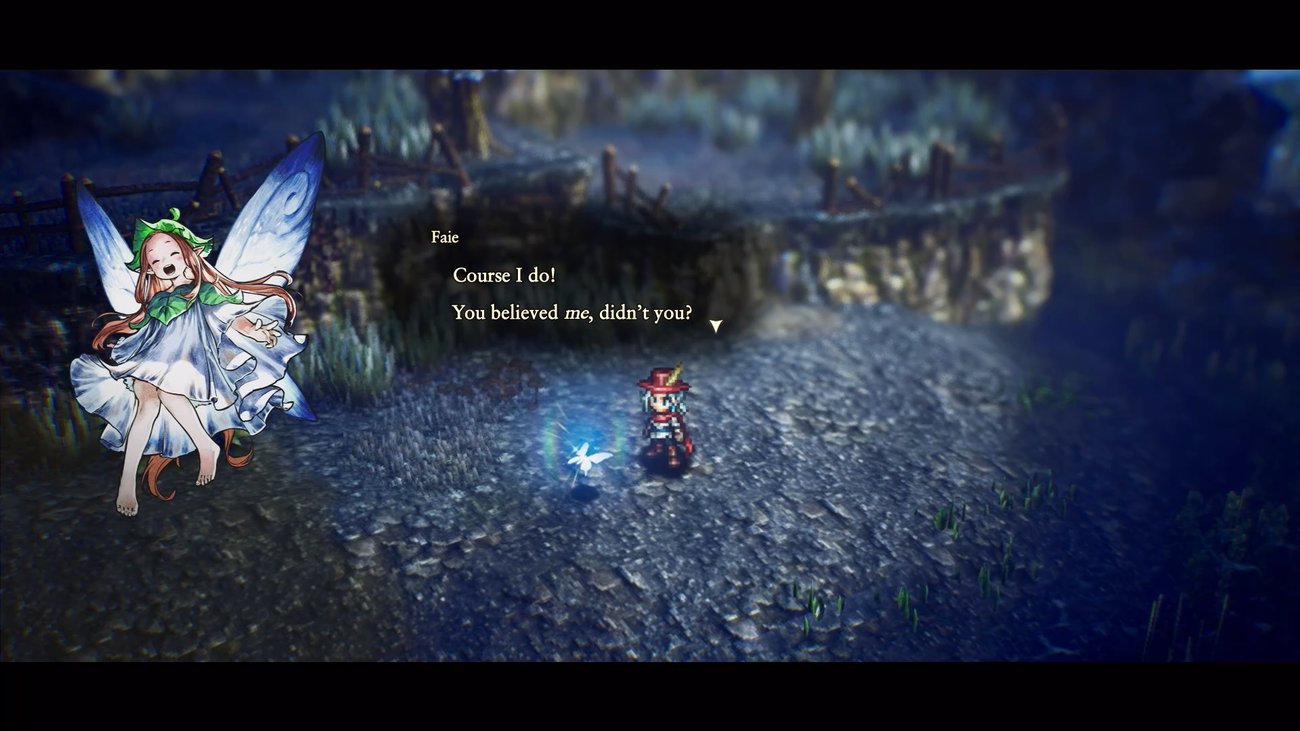
Adding to the gameplay depth is Elliot’s fairy companion, Faie. While her propensity for chatter has been a point of discussion, thankfully, the game includes an option to moderate her dialogue. Faie’s abilities are crucial for both puzzle-solving and combat. She can illuminate dark passages with her magic, teleport Elliot across chasms, and even create an illusory double of him, a mechanic that proves invaluable for overcoming obstacles and outsmarting enemies.

The game’s structure, spanning four distinct eras, naturally leads to revisiting the same locations and confronting similar enemy types. The overworld maps remain largely consistent across time periods, and dungeons, while sometimes featuring minor variations, are generally quite short, especially given their repeated use. This potential for repetition is ingeniously mitigated by a robust fast-travel system, both within and between dungeons, significantly reducing player frustration.
This design choice allows for clever gameplay loops. An item essential to the main story in one era might be replaced by a valuable optional collectible, such as a weapon upgrade or a "Shard of Life" (a clear nod to the Heart Pieces of the Zelda series), in another. The game also thoughtfully guides players by indicating when further progress in a particular dungeon is impossible in a given era, preventing unnecessary backtracking or the futile search for non-existent solutions. While occasional moments of needing to retrace steps occur, they rarely exceed 10-15 minutes, a testament to the game’s considerate design.
Despite the era-hopping narrative, the exploration mechanics don’t fully leverage the potential for temporal consequences. The game doesn’t feature the kind of intricate cause-and-effect seen in titles like Chrono Trigger, where actions in the past directly and visibly alter future environments. This feels like a missed opportunity, particularly given the visual similarities between the time periods.
Instead, time travel primarily serves as a narrative device in "The Adventures of Elliot." Elliot openly discusses his temporal journeys with virtually everyone he encounters, including significant historical figures, without any apparent concern or negative repercussions. While this aligns with the game’s lighthearted tone, a more nuanced exploration of the unintended consequences of altering the past, even in a whimsical manner, could have added another layer of depth.
Combat and Customization: A Blend of Familiarity and Innovation
"The Adventures of Elliot" draws stronger parallels to classics like Secret of Mana and The Legend of Zelda: A Link to the Past in its combat and progression systems. The absence of an experience-based leveling system means that random encounters are generally manageable and can even be bypassed later in the game. This design encourages players to engage with combat strategically and creatively, particularly during boss fights.
Boss encounters demand a thoughtful approach. Players might need to deflect attacks back at opponents using their shield, or exploit specific enemy weaknesses with bombs, requiring precise timing. The game wisely avoids locking players into a single, rigid combat style. Instead, it encourages experimentation and adaptation.
The interplay between Elliot’s weapons and Faie’s abilities is a key element of the combat system. In one memorable boss fight against an ice-shelled snail, the reviewer accidentally discovered that Faie’s torch-lighting skill could inflict consistent chip damage on the ice-based enemy. When bomb timing proved challenging, Faie’s duplication ability allowed for a tactical advantage, creating a decoy that drew the boss’s attention while Elliot landed critical hits. As the game progresses and bosses introduce more formidable area-of-effect attacks, Faie’s warp ability becomes essential for repositioning and exploiting enemy vulnerabilities. These encounters foster a sense of discovery and encourage players to develop innovative strategies beyond simply spamming their strongest attacks.
The "Magicite" system further enhances combat customization. Players can use Magicite shards to craft randomly generated accessories for each weapon, expanding their equipment slots and augmenting their abilities. This system excels at offering fresh twists on familiar mechanics, such as increasing the number of boomerangs thrown, extending bomb detonation times, or imbuing weapons like Elliot’s hammer and sickle with elemental properties. While each weapon offers 15 types of Magicite that primarily boost stats like critical hit rate or damage, the mid-game allows players to experiment extensively. By the latter stages, however, the focus shifts to increasing Magicite capacity rather than discovering entirely new effects, a minor point of diminishing returns in an otherwise robust system.
A Compact Experience for the Modern Gamer
While a few late-game side quests may slightly overstay their welcome, a significant part of "The Adventures of Elliot’s" appeal lies in its suitability for shorter play sessions. Unlike massive open-world titles like Tears of the Kingdom or sprawling JRPGs like Persona 5, where meaningful progress often requires dedicated blocks of time, "The Adventures of Elliot" is perfectly conducive to pick-up-and-play sessions.
Despite its compact scope, the narrative skillfully escalates its stakes, culminating in a thrilling conclusion. While the potential of its time-travel mechanics could have been further explored, the game remains a compelling proposition for players who cherish the fond memories of Secret of Mana and A Link to the Past, or who are simply seeking a satisfying RPG experience that respects their time. "The Adventures of Elliot" is a game that is both easy to start and incredibly difficult to put down, offering a perfect blend of nostalgia and modern design sensibilities.
The Adventures of Elliot: The Millennium Tales is scheduled for release on June 18, 2026, for Nintendo Switch 2, PlayStation 5, Windows PC, and Xbox Series X. The game was reviewed on Switch 2 using a prerelease download code provided by Square Enix.