The Subtle Art of "Microtension": How Sentence-Level Craft Captivates Readers
New York, NY – In the bustling world of publishing, where grand narratives and sweeping plotlines often dominate the conversation, a critical element of compelling storytelling is increasingly being recognized for its profound impact: microtension. This nuanced craft, operating at the very sentence level, is the invisible force that draws readers into a story, making the prose feel alive and engaging from the very first page.
"Whenever I’m browsing a new book in a bookstore or reading a sample online, I’m always aware of how little I can actually know at the start," writes K.M.W., an editor and commentator on writing. "I can’t yet see if the plot will hold together or if the structure will land. I don’t know how the climactic moment will pay off or whether the character arcs will come full circle. But there’s one thing I can tell almost immediately. And that is whether or not the microtension in the writing is doing its job."
This immediate connection, K.M.W. explains, stems from the "energy" and "sense of control" within the prose. When an author masterfully handles tension at the sentence level, it instills trust, compelling readers to invest their time and attention. Even before the overarching narrative unfolds, the sheer experience of reading becomes vibrant, making readers eager to follow wherever the story may lead. While the "big picture" elements of story—structure, character arcs, and theme—are undeniably vital, their ultimate impact is realized through the intimate moments of the prose.
Defining Microtension: The Spice of Storytelling
The concept of microtension, though not always explicitly named, has long been a hallmark of masterful fiction. C.S. Lakin, a respected writing teacher and author, delves into this crucial aspect, defining microtension as the subtle interplay of language, imagery, and contrast that generates immediate reader engagement. It’s the "small-scale craft element that has an irreplaceably powerful effect on how your story is experienced."
Lakin likens microtension to adding "a few pinches of strong, flavorful spices to a bland stew." While "big plot twists and reversals" provide the essential "macrotension," microtension is the constant hum that keeps readers captivated with every sentence. The focus, often misplaced on grand plot developments, can sometimes overshadow the foundational building blocks of story: the words themselves. Yet, as Lakin emphasizes, "every word carries weight."
Microtension blossoms in the careful phrasing, the evocative imagery, and the unexpected juxtapositions or incongruities that compel a reader to pause and pay attention. Lakin refers to these as "sticky bits" on the page—those surprising or thought-provoking turns of phrase that elicit a reaction, a mental "Wait, what?" When these moments accumulate, the prose gains energy and momentum, fostering a sense of curiosity, anticipation, and even unease that fuels the desire to keep reading.
Pathways to Microtension: Metaphor and Simile in Action
Masterful writers employ a diverse array of literary devices to weave microtension into their narratives. Two of the most potent and accessible tools are metaphor and simile.
Leveraging Metaphor for Subtle Intrigue
Metaphors, which describe one thing as another without using "like" or "as," offer a direct pathway to infusing prose with microtension. These comparisons can operate on a linguistic level, as seen in Percival Everett’s short story "The Fix." In a scene where the character Sherman grapples with the complex nature of "fixing" things, he observes, "If you fix the valves in an engine, but the bearings are shot, you’ll get more compression, but the engine will still burn up… If you irrigate a desert, you might empty a sea. It’s a complicated business, fixing things."
This extended metaphor, comparing the act of fixing machinery to manipulating natural ecosystems, hints at a deeper, more existential dilemma. The tension escalates when Sherman, weeping, declares, "I am the empty sea." This linguistic metaphor, rather than directly stating his despair, creates an evocative and unsettling image that generates significant microtension, prompting the reader to question his internal state and the underlying implications of his statement.
Visual metaphors, on the other hand, paint vivid pictures that reveal character and mood. In Gillian Flynn’s Gone Girl, the opening scene employs the metaphor of the sun as an "angry eye" watching protagonist Nick. This imagery immediately establishes a sense of unease and judgment, mirroring Nick’s internal guilt about borrowing money from his wife, Amy, to open a bar.
As Nick walks toward his bar, the landscape itself becomes imbued with his inner turmoil. The "concrete-and-weed parking lot" and a river running "urgently" with "strong ropy currents" are not mere descriptions but deliberate choices reflecting Nick’s anxious mindset. The "ropes" suggest constriction and potential violence, while the surreal image of men walking "steadfastly nowhere" evokes a sense of entrapment and futility, akin to a prison gang. These visual cues, far from decorative, ratchet up the unease, creating a powerful sense of dread and hinting at unspoken transgressions. The subsequent detail of his neck "bubbling with sweat" and the sun remaining an "angry eye"—a stark reminder that he "has been seen"—further intensifies the microtension, leaving the reader desperate to uncover the truth behind Nick’s predicament.
Even concise, one-line metaphors can carry significant weight. Examples abound:

- Carlos Ruiz Zafon’s The Shadow of the Wind describes readers "melting like ice cubes over their books," a fleeting yet potent image of absorption.
- Maggie Stiefvater’s Lament: The Faerie Queen’s Deception portrays a character as "an overbearing cake with condescending frosting," a sharp, character-defining metaphor.
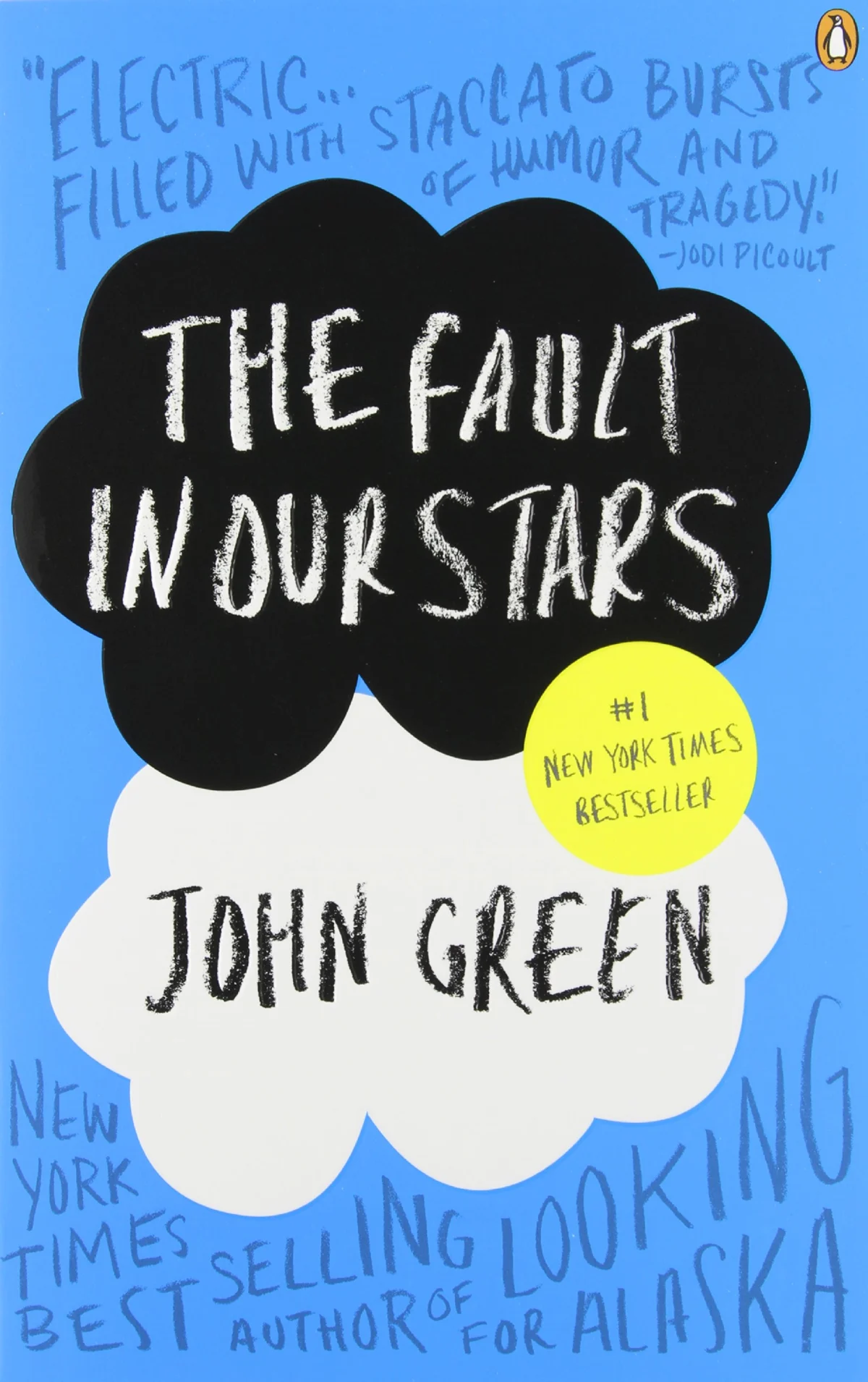
- John Green’s The Fault in Our Stars uses two distinct metaphors: the sun as a "toddler insistently refusing to go to bed," and "My thoughts are stars I cannot fathom into constellations," capturing both external observation and internal complexity.
- Frances Hardinge’s A Face Like Glass presents "Wishes are thorns… They do us no good, just stick into our skin and hurt us," a concise and impactful encapsulation of the painful nature of unfulfilled desires.
Lakin stresses the importance of strategic application. Instead of simply adding decorative flourishes, metaphors should be employed to convey a character’s mood or mindset during a pivotal moment, thereby adding depth and sparking reader imagination.
Similes: Crafting Evocative Comparisons
Similes, which use "like" or "as" to draw comparisons, are another common and effective tool for generating microtension. However, as with metaphors, their impact hinges on creativity and avoiding clichés.
In Lakin’s own novel, Conundrum, the beauty of roses is juxtaposed with the cruelty of a mother, and pain and outrage are likened to the "stench of a fleabag motel room." This striking simile, especially when paired with the alliteration and opposition within "smell, scent, and stench," creates a visceral reaction, amplifying the emotional weight of the scene.
Bonnie Garmus’s Lessons in Chemistry offers a succinct simile: Madeline’s clothes "hang on her bony frame like bad drapes," an image that immediately conveys fragility and perhaps neglect.
James Lee Burke, known for his evocative prose, utilizes similes in particularly fresh ways. In The House of the Rising Sun, he writes, "Death was bad only when it was degrading, when it caught you sick and alone and lying on sheets soiled with your smell, your fears assembling around you like specters in the darkness." This comparison transforms abstract fears into tangible, menacing entities. Later, describing a judge’s eyes, Burke notes they "reminded Hackberry of giant bugs trying to swim underwater," a disquieting and memorable image that adds a layer of subtle tension and strangeness to the courtroom scene.
Metaphors and similes, therefore, are not mere embellishments but precise instruments for writers. By utilizing simple yet creative imagery, authors can add significant depth to their writing, spark readers’ imaginations, and imbue scenes with a richness that resonates long after the page is turned.
The Cumulative Power of Microtension
The true power of microtension lies in its cumulative effect. While individual instances can create a momentary pause or a flicker of intrigue, their consistent presence builds a palpable atmosphere. This constant, subtle engagement ensures that readers remain tethered to the narrative, even during slower narrative passages.
As K.M.W. eloquently put it, "Even before I know where the story is going, I’m willing to follow—because the experience of reading already feels alive." This "aliveness" is the direct result of skilled microtension, transforming the act of reading from passive consumption into an active, engaging experience.
Implications for Writers and the Future of Storytelling
The growing recognition of microtension underscores a fundamental truth in writing: craft matters at every level. While plot and character remain paramount, the execution of the prose—the careful selection of words, the artful deployment of imagery, and the subtle creation of tension within sentences—is what elevates a story from good to unforgettable.
Writers who consciously cultivate microtension in their work are better equipped to:
- Hook readers immediately: The initial pages of a book are crucial for establishing engagement. Microtension provides an instant connection.
- Deepen characterization: Through evocative language and imagery, writers can reveal a character’s inner state and motivations in subtle, powerful ways.
- Enhance atmosphere and mood: The careful use of sensory details and figurative language can create a palpable sense of place and emotional tone.
- Maintain reader interest: Even in plot-heavy genres, microtension ensures that the reading experience remains dynamic and engaging, sentence by sentence.
- Elevate prose: Microtension transforms functional writing into artful expression, making the language itself a source of pleasure and intrigue.
C.S. Lakin’s new book, Masterful Microtension: The Essential Element of Powerful Fiction, further explores these concepts, delving into how contradiction, subtext, symbolism, and the friction between a character’s thoughts, words, and experiences contribute to this vital element. By examining word choices, motifs, and imagery at their most granular level, writers can unlock the full emotional energy of every scene. For those who feel their stories are "flat" despite solid plotting, microtension is often the missing ingredient.
Ultimately, the focus on microtension signifies a maturation in the discourse around storytelling. It highlights that the magic of a compelling narrative is not solely in the grand design, but in the meticulous attention to detail that makes every word count, every sentence resonate, and every reader feel truly alive within the world of the story. As readers continue to seek immersive and engaging experiences, the mastery of microtension will undoubtedly remain a cornerstone of impactful fiction.