Dying Light 2 Embraces Player Creativity with "The Breach" Update, Ushering in a New Era of UGC
Techland’s ambitious post-launch support for its zombie-survival sequel continues with a significant expansion of modding and user-generated content capabilities, transforming Villedor into a player-driven sandbox.
When Dying Light 2: Stay Human first lurched onto the scene in early 2022, it was met with a complex cocktail of anticipation and criticism. While its predecessor had cemented itself as a beloved benchmark for parkour-infused zombie combat, Dying Light 2 struggled to fully capture the same magic, facing scrutiny over its narrative execution and certain gameplay mechanics. However, developer Techland has demonstrated an unwavering commitment to its sprawling post-apocalyptic world, undertaking a remarkable four-year journey of continuous improvement. This dedication has seen the game’s parkour system refined, the terrifying Volatiles made more menacing, combat given a visceral punch, and essential features like New Game+ and replayable bounties introduced.
Despite the initial narrative shortcomings, the fundamental framework of Dying Light 2 has been significantly strengthened. Now, with its latest update, Patch 1.28, Techland is taking this commitment a monumental step further, empowering players to become active creators within Villedor. This ambitious overhaul, codenamed "The Breach," is poised to inject a fresh wave of innovation and replayability into the game by unlocking its full potential for user-generated content (UGC).
The Dawn of a UGC Era: "The Breach" Unveiled
The impetus behind "The Breach" update is clear: to foster a more collaborative and creative environment for Dying Light 2 players. Rafal Polito, Techland’s UGC Program Manager, articulated this vision in a detailed blog post on the official Dying Light website. "Patch 1.28 is something we wanted to do for a long time—opening Dying Light 2: Stay Human much more to player creativity and giving you not only new ways to play the game, but also inviting you to create it with us," Polito stated. "The Breach is our way of opening up Dying Light 2: Stay Human even more to UGC content and adding new gameplay ideas and different kinds of experiences."
At its core, "The Breach" represents a sophisticated fusion of officially sanctioned mods and enhanced support for community-driven creations. Once players have navigated the game’s challenging Prologue, they will encounter two familiar faces from the original Dying Light universe: Tolga and Fatin. These beloved characters now serve as the vital conduits, guiding players into a vast and expanding portal of UGC experiences, effectively transforming them into architects of their own apocalyptic adventures.
A Multifaceted Approach to Player Expression
The scope of "The Breach" extends far beyond simple map editing. The update introduces a curated selection of official mods that offer novel ways to experience Villedor. Among these are highly anticipated additions such as a third-person perspective mode, which promises to offer a fresh visual and tactical approach to combat and exploration, and a low-gravity mode, which will undoubtedly lead to gravity-defying feats of parkour and unique combat encounters.
However, the true power of "The Breach" lies in its robust integration of community-created content. Techland is actively highlighting and featuring exceptional mods developed by players, showcasing the boundless creativity of the Dying Light 2 community. Polito specifically pointed to several standout examples that exemplify the transformative potential of this new system.
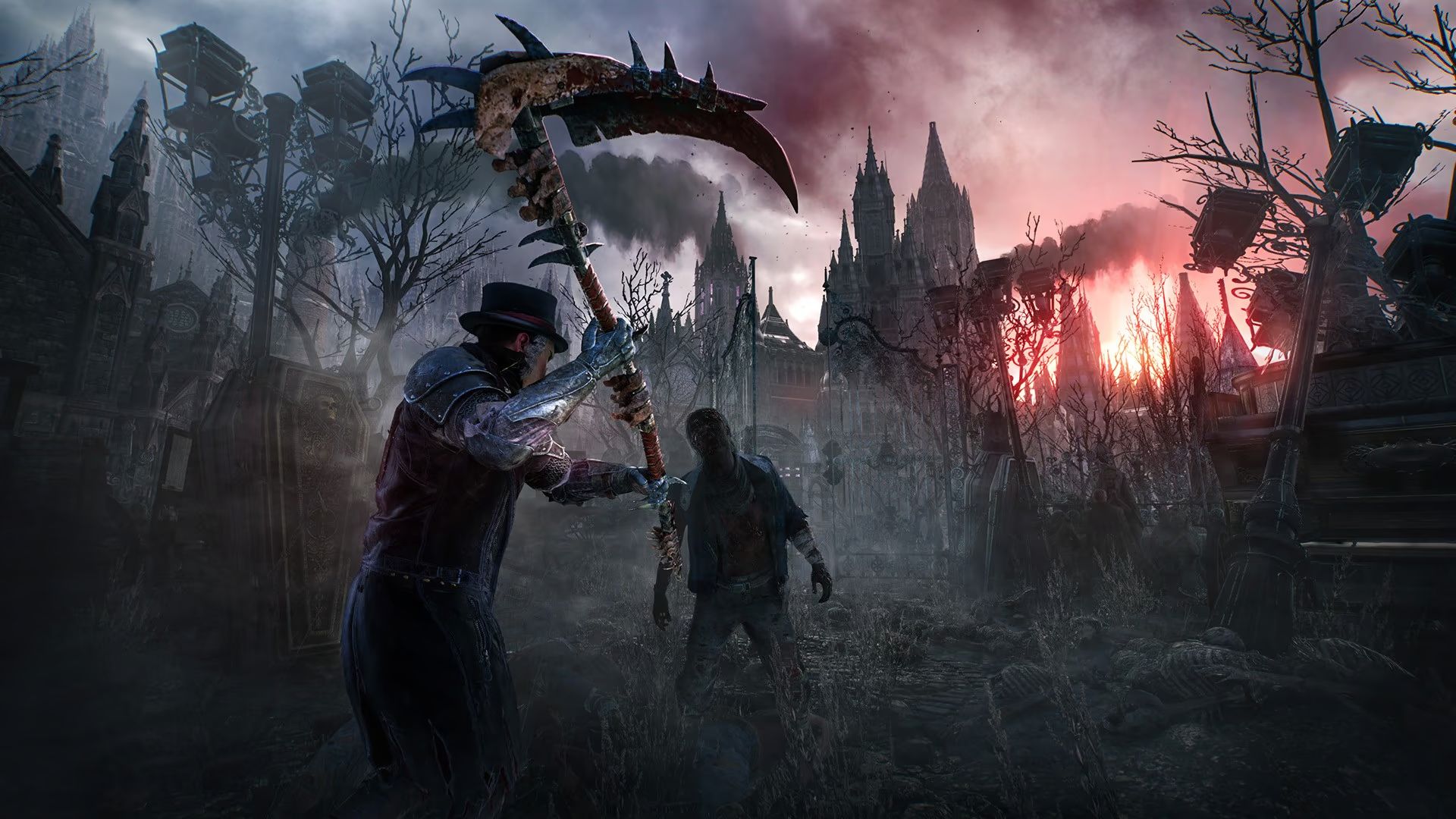
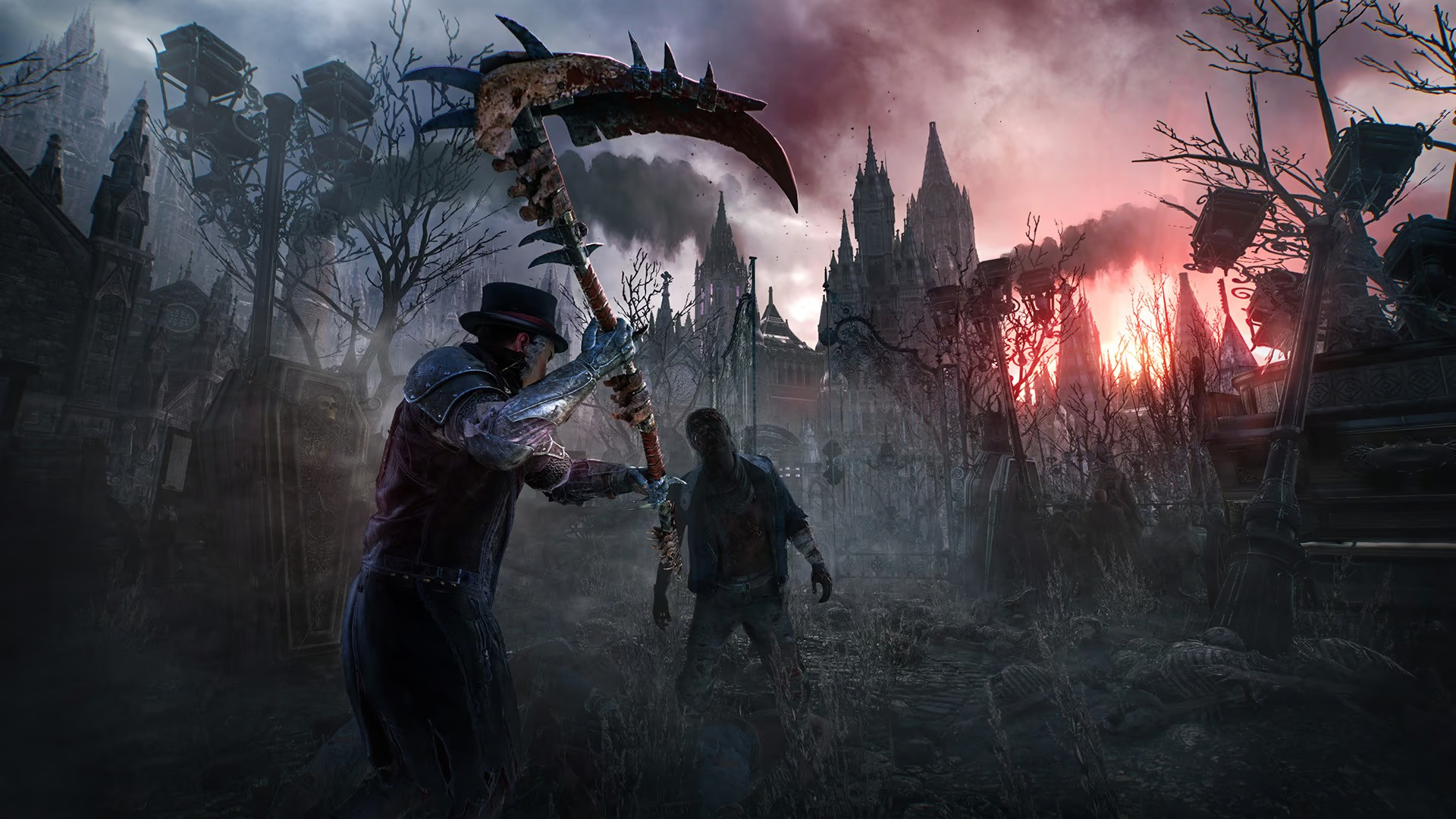
One such notable creation is "The Atomborne," a community map that daringly reinterprets Dying Light 2‘s core mechanics to emulate the challenging and atmospheric gameplay of a gothic Soulslike. This ambitious undertaking transforms the familiar urban sprawl of Villedor into a haunting, interconnected world filled with formidable foes and intricate combat scenarios, offering a stark contrast to the game’s established pace and style.
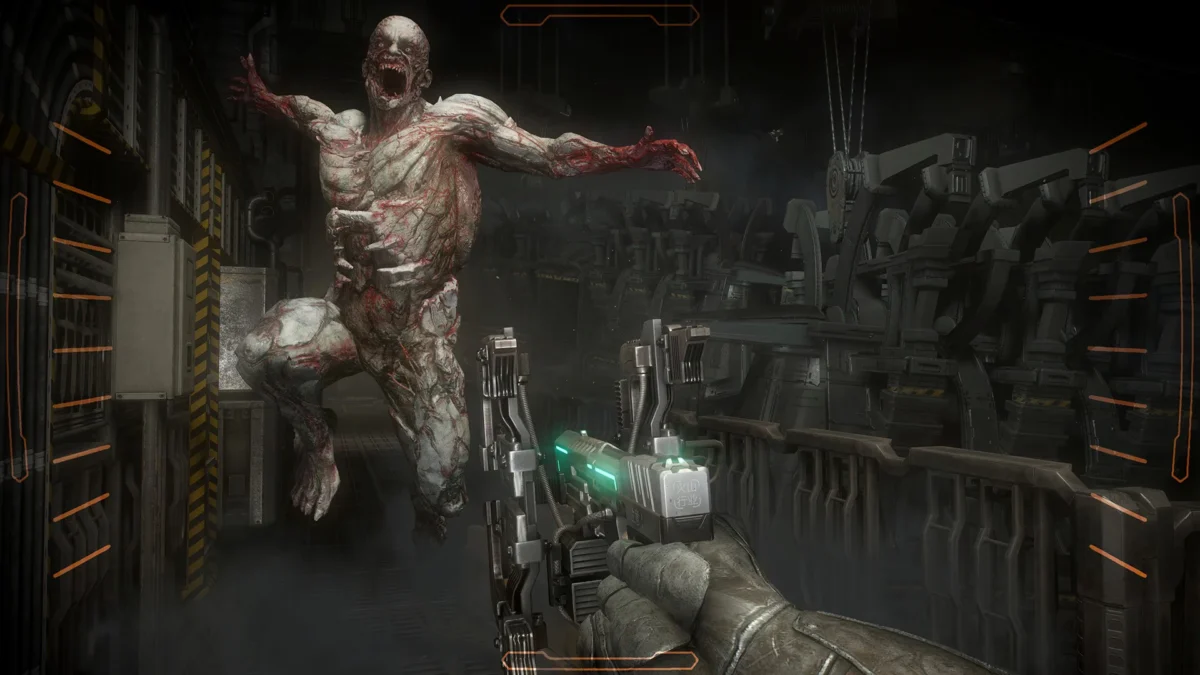
Another exciting prospect is the upcoming "Dead Circuit" map. This community project is set to reimagine Dying Light 2 as a stylish homage to the acclaimed survival horror series Dead Space. Players can anticipate a visually distinct experience, likely featuring a more claustrophobic and atmospheric setting, complete with grotesque creature designs and a heightened sense of dread, proving that Dying Light 2‘s engine is versatile enough to support diverse genre interpretations. These examples are just a glimpse into the potential for innovative gameplay loops and unique thematic experiences that "The Breach" will unlock.
The Strategic Imperative of UGC: A Business Model for Longevity
Techland’s strategic pivot towards a robust UGC ecosystem is not merely a response to player requests; it’s a shrewd business decision that mirrors the success of some of the most enduring titles in the gaming industry. As Polito himself acknowledged, "a lot of you have asked us for this." However, the underlying motivation is also deeply rooted in the proven effectiveness of UGC as a driver of long-term engagement and commercial success.
The landscape of modern gaming is increasingly dominated by titles that leverage player-generated content to foster vibrant, self-sustaining communities. Games like Minecraft, Roblox, and Fortnite owe a significant portion of their phenomenal success and longevity to their ability to transform players into creators. By providing the tools and a platform, these games empower their communities to generate an endless stream of new content, from custom maps and game modes to entirely new experiences, thereby keeping players engaged for years, even decades, after their initial release.
"If you want to make a truly obscene amount of money in the games industry, convincing your community to make new stuff for your game is the way to go—assuming that you have the resources and the community to make your game a platform," the article highlights, underscoring the economic viability of this model. For Techland, the Dying Light franchise has been a significant financial success, suggesting that the studio possesses the necessary resources to invest in and support such an endeavor.
The Community Conundrum: Numbers and Potential
The crucial question, then, is whether Dying Light 2 possesses the community size and engagement necessary to truly flourish as a UGC platform. While the game has enjoyed a dedicated player base, the numbers, as reported by SteamDB, paint a more nuanced picture. Dying Light 2‘s daily concurrent player count on Steam typically hovers in the low thousands. While this is a respectable figure for a four-year-old, primarily single-player game, it falls short of the colossal numbers that power the UGC behemoths like Minecraft or Roblox.
However, it’s important to consider that UGC success isn’t solely about raw player numbers. It’s also about the passion and creativity of the community. The emergence of ambitious projects like "The Atomborne" and "Dead Circuit" suggests that Dying Light 2 has a segment of its player base deeply invested in pushing the boundaries of what the game can offer. The success of "The Breach" will likely hinge on Techland’s ability to nurture this creative core, providing them with the tools, support, and visibility they need to thrive.
A More Constructive Sandbox for Young Minds
Beyond the commercial and engagement implications, the move towards UGC in Dying Light 2 also presents an interesting contrast to some of the concerns surrounding other popular gaming platforms. The article subtly alludes to the ongoing debates surrounding child safety and exploitative monetization practices prevalent in some other UGC-centric games.
"Still, a UGC world filled with decaying zombies is probably more appropriate for your child than Roblox is, what with its endless child safety concerns and exploitative approach to monetization," the author posits. This perspective suggests that Dying Light 2, with its mature themes and focus on well-defined gameplay loops, might offer a more controlled and potentially less problematic environment for younger players interested in creative expression within a gaming context, provided appropriate parental guidance is exercised. By offering a robust UGC toolkit within a game that, while mature, is arguably more contained in its online interactions than some of its peers, Techland might be carving out a unique niche.
Looking Ahead: The Evolving Landscape of Villedor
The introduction of "The Breach" marks a pivotal moment for Dying Light 2: Stay Human. It signifies Techland’s commitment not only to polishing and expanding the core game but also to empowering its community to shape its future. The success of this initiative will undoubtedly be a testament to the developer’s ability to foster a collaborative spirit and provide the necessary infrastructure for players to unleash their imaginations.
As players delve deeper into the officially curated mods and explore the burgeoning landscape of community-created content, Villedor is set to evolve into a dynamic and ever-changing sandbox. The promise of new gameplay experiences, genre mashups, and unforeseen creative endeavors makes "The Breach" a compelling reason for both existing players to return and for new players to consider embarking on the zombie-infested journey. Techland’s persistent dedication to refining Dying Light 2 has now culminated in a truly exciting prospect: a game that is not just played, but actively built and redefined by its community. The future of Villedor is, quite literally, in the hands of its players.