The Return of the Mean One: Jim Carrey, Ron Howard, and the High-Stakes Gamble of a ‘Grinch’ Sequel
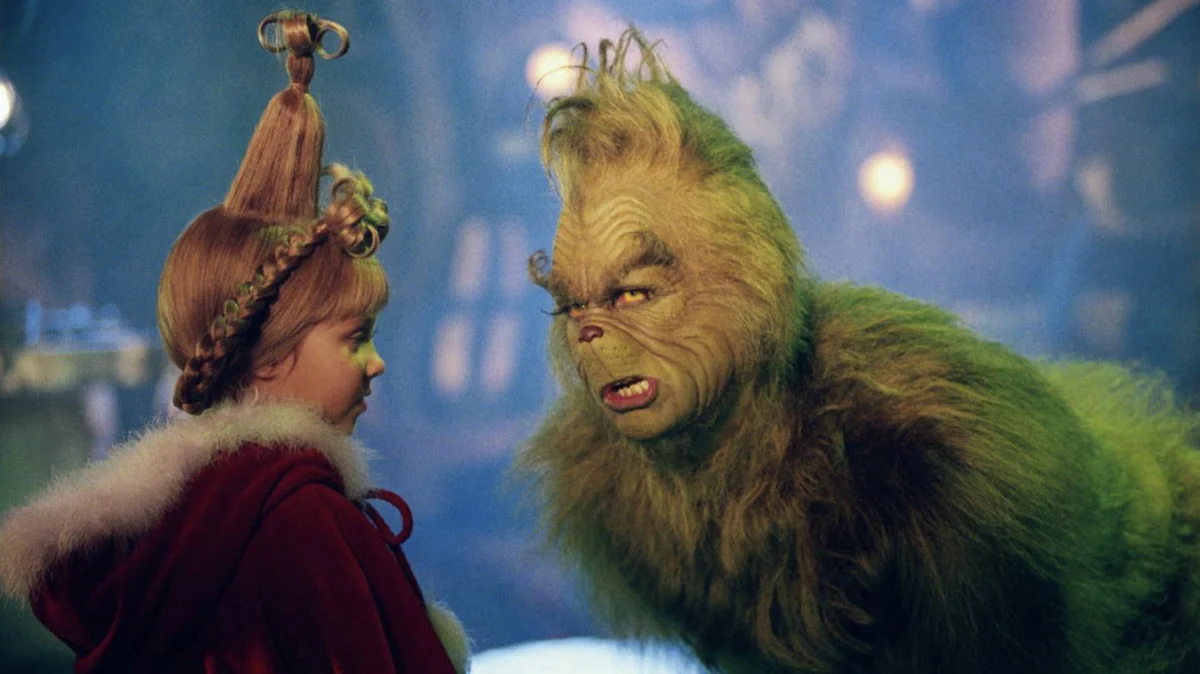
The cinematic landscape of the 21st century has been defined by the resurgence of nostalgia, the expansion of "universes," and the relentless pursuit of intellectual property that can bridge the gap between generations. Few properties, however, carry the bizarre, chaotic, and enduring cultural weight of Ron Howard’s 2000 live-action adaptation of How the Grinch Stole Christmas. For over two decades, the film has stood as a singular anomaly: a box-office juggernaut that was initially met with critical skepticism but has since morphed into a mandatory holiday staple for millions.
Now, according to reports from The Hollywood Reporter, the "Mean One" is poised for a comeback. Universal Pictures is reportedly in active negotiations with producer Brian Grazer, director Ron Howard, and superstar Jim Carrey to develop a direct sequel to the 2000 classic. This announcement has sent shockwaves through the industry, raising questions about narrative necessity, technological evolution, and whether the lightning captured in a bottle twenty-four years ago can—or should—be struck twice.
Main Facts: The Reunion of a Powerhouse Trio
The development of a sequel to How the Grinch Stole Christmas marks a significant pivot for Universal Pictures and Imagine Entertainment. The core of the excitement surrounds the potential return of the original "Big Three":
- Jim Carrey: The actor’s portrayal of the Grinch is widely considered one of the most physically demanding and iconic performances of his career. Despite Carrey’s recent semi-retirement and his historical aversion to sequels (with rare exceptions like Ace Ventura: When Nature Calls and Sonic the Hedgehog 2), sources indicate he is in talks to don the green fur once more.
- Ron Howard: The Academy Award-winning director, known for his versatility, would return to helm the project. Howard’s original vision for Whoville was noted for its "eldritch" aesthetic and surreal production design, a style he has rarely revisited in his more recent, grounded dramas.
- Brian Grazer: The prolific producer and co-founder of Imagine Entertainment is the driving force behind the business negotiations, aiming to capitalize on the perennial popularity of the Seuss brand.
Perhaps most intriguing is the attachment of screenwriters Alec Berg, Jeff Schaffer, and David Mandel. This trio carries a "dubious pedigree" in the eyes of Seuss purists, having co-written the 2003 live-action The Cat in the Hat starring Mike Myers. While that film was a critical disaster that famously led Audrey Geisel (Dr. Seuss’s widow) to ban further live-action adaptations for nearly two decades, the writers have since become titans of television comedy, with credits including Seinfeld, Curb Your Enthusiasm, and Veep. Their involvement suggests a sequel that might lean even more heavily into the cynical, adult-skewing wit that characterized the 2000 film.
Chronology: From Page to Screen to Cult Classic
To understand why a sequel is happening now, one must look at the long, strange journey of the Grinch in popular media.
- 1957: Theodor "Dr. Seuss" Geisel publishes the original children’s book. It is a concise, 69-page rhyming tale about the dangers of commercialism and the power of community.
- 1966: The legendary Chuck Jones directs the animated TV special. Narrated by Boris Karloff, this version becomes the definitive interpretation of the character for thirty years.
- 2000: Universal releases Ron Howard’s live-action version. It was a massive undertaking, featuring a $123 million budget—unprecedented for a holiday film at the time. It became the highest-grossing film of the year domestically for several months, eventually raking in over $350 million.
- 2003–2018: Following the backlash to The Cat in the Hat, the Seuss estate pivoted away from live-action. In 2018, Illumination Entertainment released a 3D-animated The Grinch starring Benedict Cumberbatch, which grossed over $500 million, proving the character’s modern-day viability.
- 2022–2024: The character enters a new phase of cultural saturation. A low-budget horror parody titled The Mean One tested the boundaries of copyright and public domain, while the 2000 version saw a massive resurgence on streaming platforms like Prime Video and Peacock, fueled by "Zoomer" nostalgia and TikTok memes.
Supporting Data: The Economics of Green
The primary driver for this sequel is, unsurprisingly, the bottom line. The 2000 film was not just a hit; it was a phenomenon. Despite a "Rotten" critical score of 49% on Rotten Tomatoes, the film’s financial performance tells a different story.
| Metric | Value (2000 Film) |
|---|---|
| Production Budget | $123,000,000 |
| Domestic Box Office | $260,044,825 |
| Worldwide Total | $351,114,444 |
| Home Video/Streaming | Estimated $100M+ in recurring revenue |
In the two decades since its release, the film has become "recession-proof" IP. During the 2023 holiday season, the 2000 Grinch consistently ranked in the Top 10 on various streaming charts, often outperforming newer, more expensive holiday releases. The "Baranski Effect"—referring to the cult following of Christine Baranski’s character, Martha May Whovier, and her flirtatious dynamic with the Grinch—has kept the film relevant in adult pop-culture circles, ensuring that a sequel would have an audience spanning from toddlers to forty-year-old nostalgists.
Official Responses and Production Hurdles: The "Torture" Factor
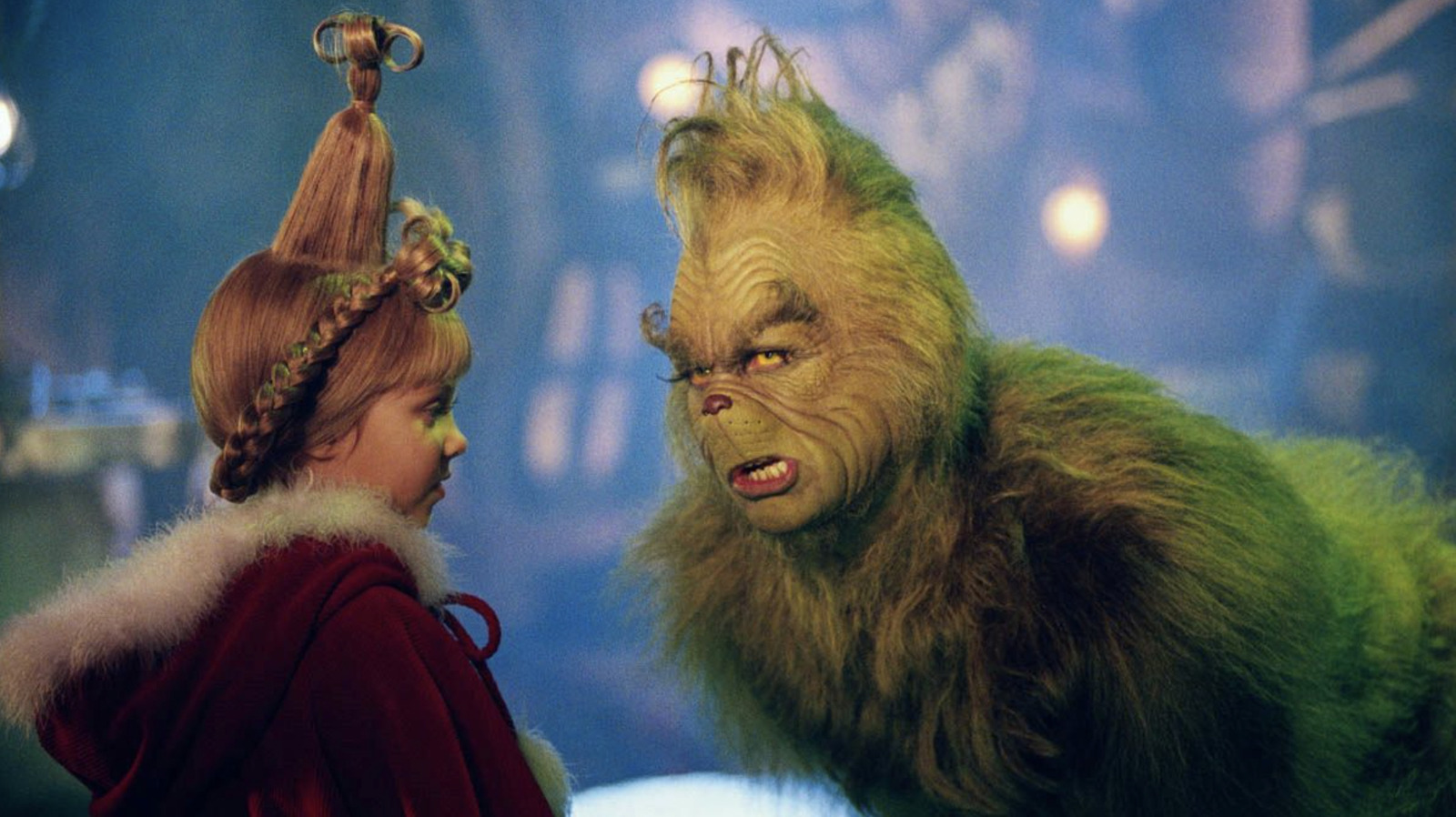
While the financial incentive is clear, the production of a sequel faces a significant logistical hurdle: Jim Carrey’s physical endurance. It is well-documented that the filming of the 2000 movie was a nightmare for the lead actor. The application of the green yak-hair suit and the extensive facial prosthetics took upwards of eight hours every day.
Carrey famously described the experience as being "buried alive" and eventually required the assistance of a CIA operative who specialized in teaching agents how to endure torture. Rick Baker, the legendary makeup artist who won an Oscar for his work on the film, also noted the immense tension on set due to the grueling nature of the costume.
In December 2024, Carrey addressed the rumors of a return, stating that he would be open to the character again on the condition that the production utilizes "motion capture and things like that." This suggests a "hybrid" approach similar to Disney’s live-action Lion King or Ron Howard’s own experience with Solo: A Star Wars Story, where digital performance capture replaces or augments physical prosthetics.
The Seuss estate, now managed by Dr. Seuss Enterprises, has not yet released a formal statement, but their involvement is a prerequisite for the project to move forward. After years of protecting the brand from "crude" live-action interpretations, their willingness to engage with Howard and Grazer again suggests a script that balances the 2000 film’s edge with the original book’s heart.
Implications: Can the Grinch Steal Christmas a Second Time?
The announcement of a Grinch sequel brings with it a unique set of narrative challenges. The original story is a closed loop: the Grinch hates Christmas, steals it, learns the true meaning of the holiday, and is redeemed. Because Dr. Seuss never wrote a sequel, Howard and his writing team are entering uncharted territory.
The Redemption Paradox
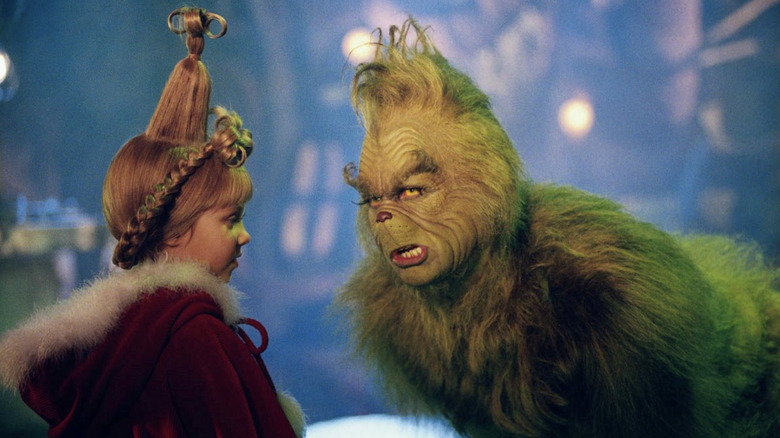
How do you write a sequel for a character whose primary appeal is being a villain, but who ended the first film as a hero? If the Grinch is now "good," the central conflict of the story must change. Will he face a new threat to Whoville? Or will he suffer a relapse into his old, grouchy ways? The risk of "undoing" his character growth is a common pitfall in sequels to redemptive arcs.
The Uncanny Valley of Motion Capture
If the film moves toward motion capture to save Carrey from the makeup chair, it risks losing the tactile, "gross-out" charm of the 2000 original. Part of the film’s lasting appeal is the sheer physical effort visible in Carrey’s performance. A CGI-heavy Grinch might feel too similar to the 2018 animated version, stripping the project of its unique live-action identity.
A New Era of Whoville
The 2000 film was a masterpiece of practical sets and costume design. In an era where "Volume" technology and green screens have become the industry standard, there is a fear that a sequel might lose the "tangible horror" of Howard’s original Whoville. However, Howard’s recent work on the survival thriller Eden (2024) shows he still possesses a gritty, experimental streak that could serve a more "weird" and "wild" sequel well.
Ultimately, a Grinch sequel is a high-risk, high-reward venture. It relies entirely on the charisma of Jim Carrey and the nostalgia of an audience that grew up watching a fuzzy green monster eat glass and organize his schedule around "self-loathing." If the team can navigate the pitfalls of modern CGI and find a story worth telling beyond the original redemption arc, they may just secure another twenty years of holiday dominance. If they fail, they risk turning a beloved holiday anomaly into just another piece of "content" lost in the snowy drifts of streaming history.