The Unseen Narratives of Stone: Minhan Lin’s "Move Like Water, Still Like Rock" Unearths Geological Histories

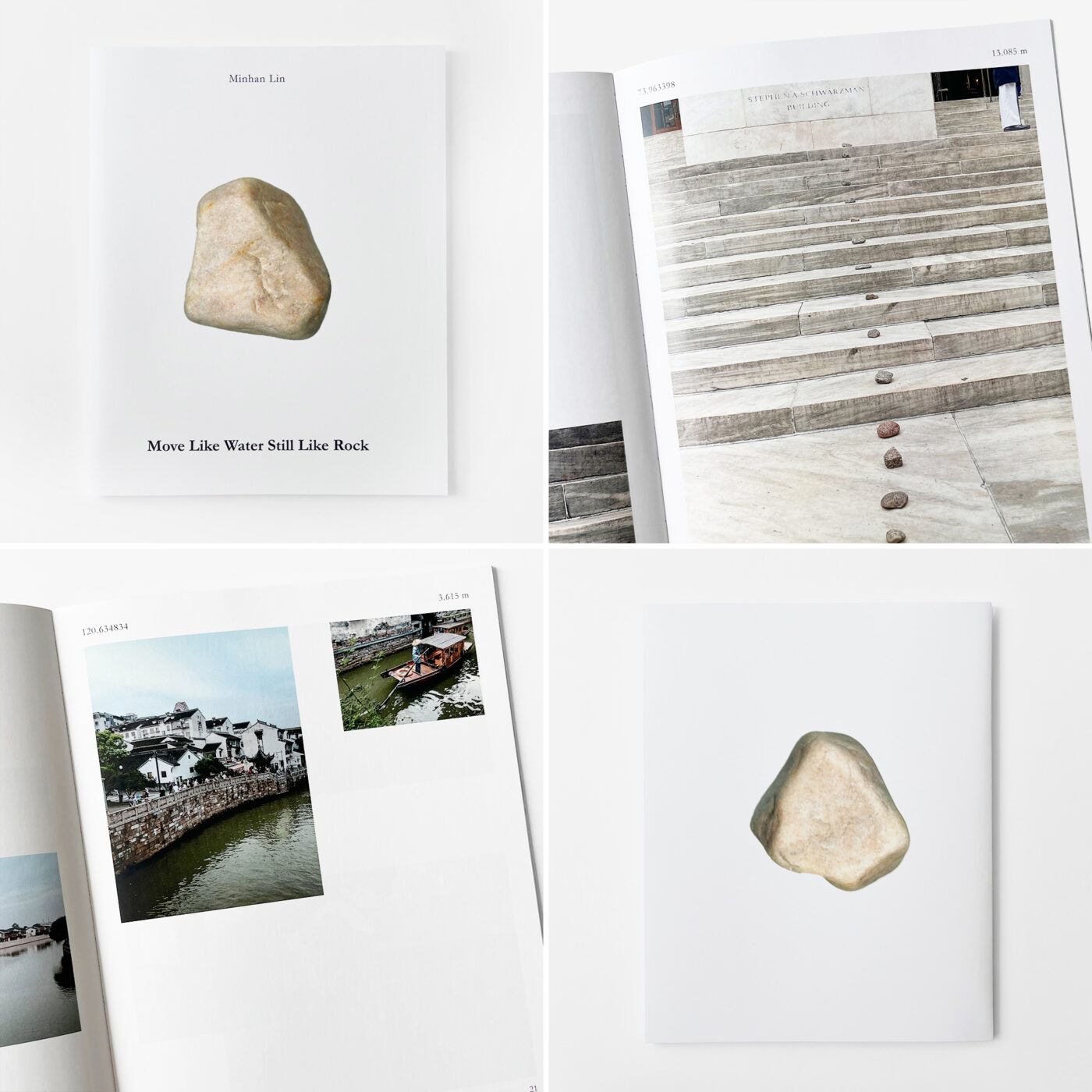
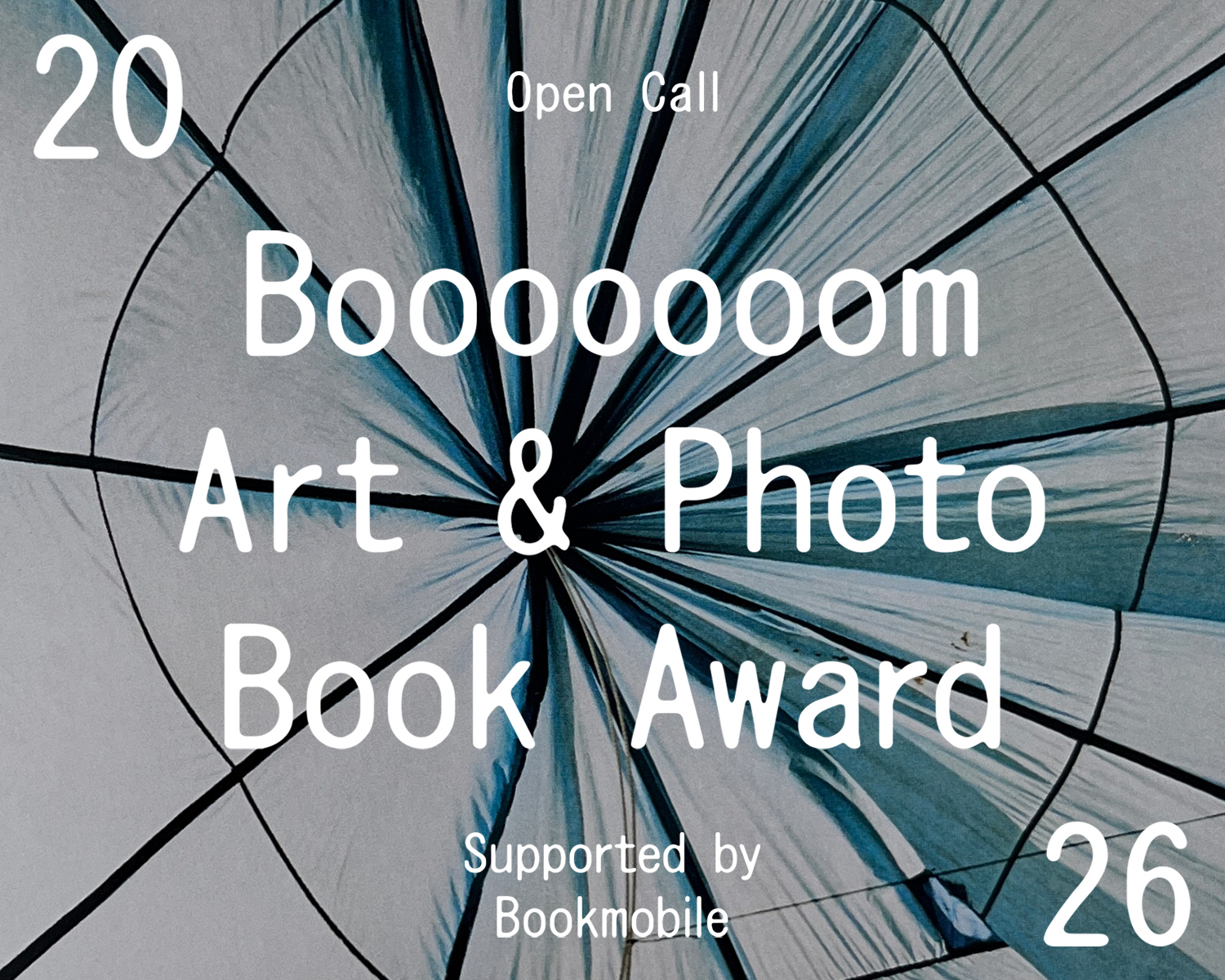
New York, NY – [Date of publication] – In a world increasingly defined by rapid change and fleeting trends, architectural designer Minhan Lin invites us to pause and contemplate the profound, yet often overlooked, stories held within the seemingly inert forms of rocks. Her recently published work, "Move Like Water, Still Like Rock," a zine developed with the support of Bookmobile and recognized as a 2025 Booooooom Art & Photo Book Award Winner, transcends conventional observation, urging viewers to perceive geological formations not as static objects, but as dynamic archives of immense natural forces and deep time.
Lin, an architectural designer with a distinguished academic background, holding a Bachelor of Architecture from Tongji University and a Master of Science in Advanced Architectural Design from Columbia GSAPP, is uniquely positioned to explore this intersection of the natural and the built. Based in New York City, her broader artistic and professional practice is rooted in the concept of ecological systems and their intricate relationship with human-made environments. Her work consistently seeks to foster futures of coexistence and cohabitation, not just among humans, but across all species and forms of being. This philosophical undercurrent permeates "Move Like Water, Still Like Rock," transforming a study of geology into a meditation on interconnectedness and the ceaseless processes of transformation that shape our planet.
From Stillness to Story: The Genesis of an Idea
Lin’s fascination with rocks emerged not from a lifelong geological passion, but from a pivotal moment during her graduate studies. Tasked with exploring contrasting concepts of stillness and movement, she posed a fundamental question: "What is something that never moves?" The immediate, intuitive answer was a rock. However, this initial perception soon dissolved under closer scrutiny. Lin realized that this apparent immobility was a profound misconception. Rocks, far from being static, are in fact potent records of movement and transformation.
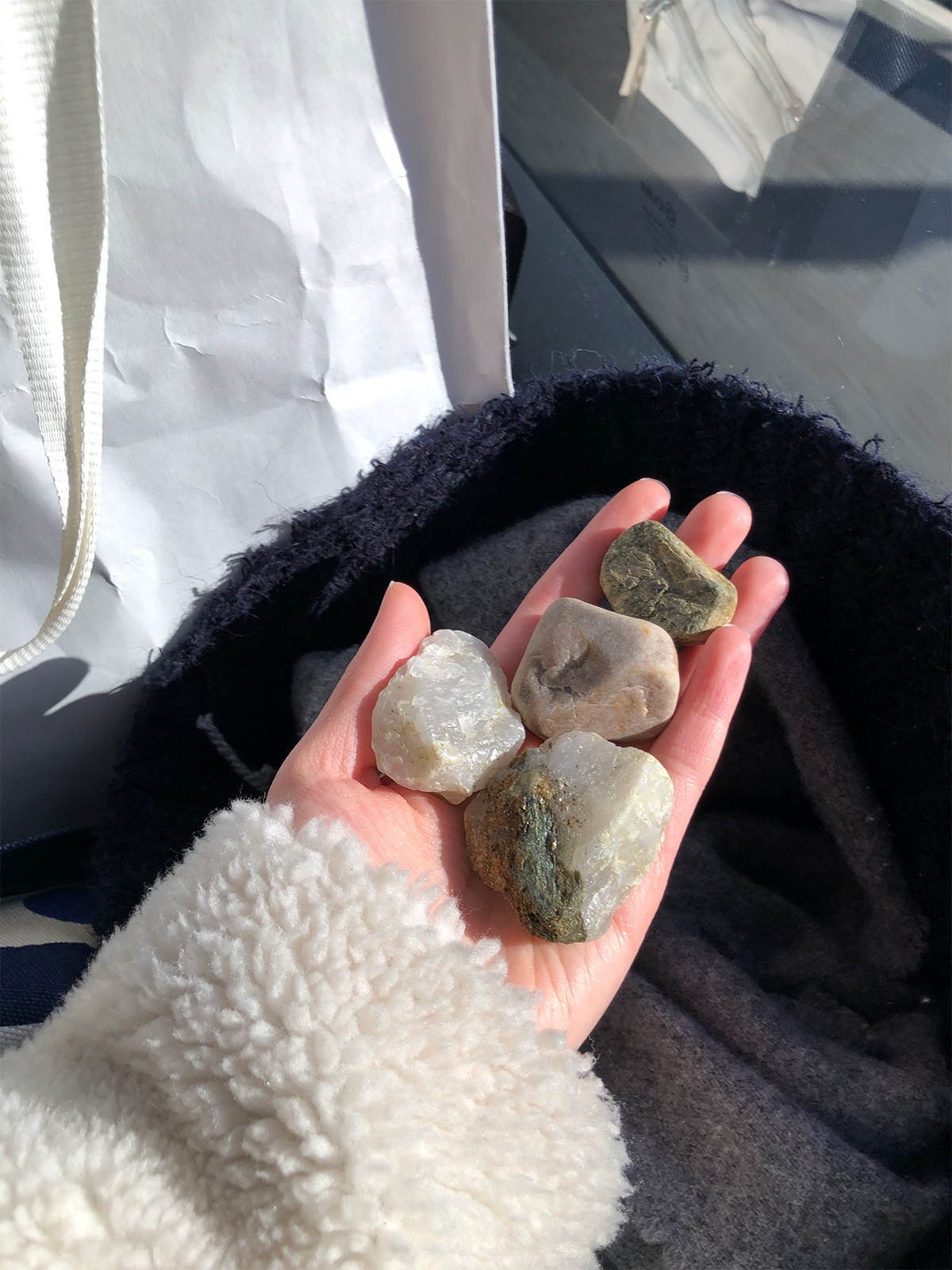
"Beneath their apparent stillness lie the forces of water, wind, gravity, and pressure," Lin explains in a recent interview. "For Minhan, to observe a rock is to look past its surface and imagine the unseen energies that have shaped it and continue to do so, imperceptibly." This realization sparked a deeper exploration, leading her to revisit her own photographic archives. To her surprise, she discovered a consistent, albeit unconscious, documentation of rocks throughout her visual history, a testament to their subtle yet persistent presence in her perception. This wealth of imagery provided the raw material for "Move Like Water, Still Like Rock," allowing her to retrospectively trace her nascent interest and build a compelling visual narrative.
A Chronology of Transformation: Rocks as Living Histories
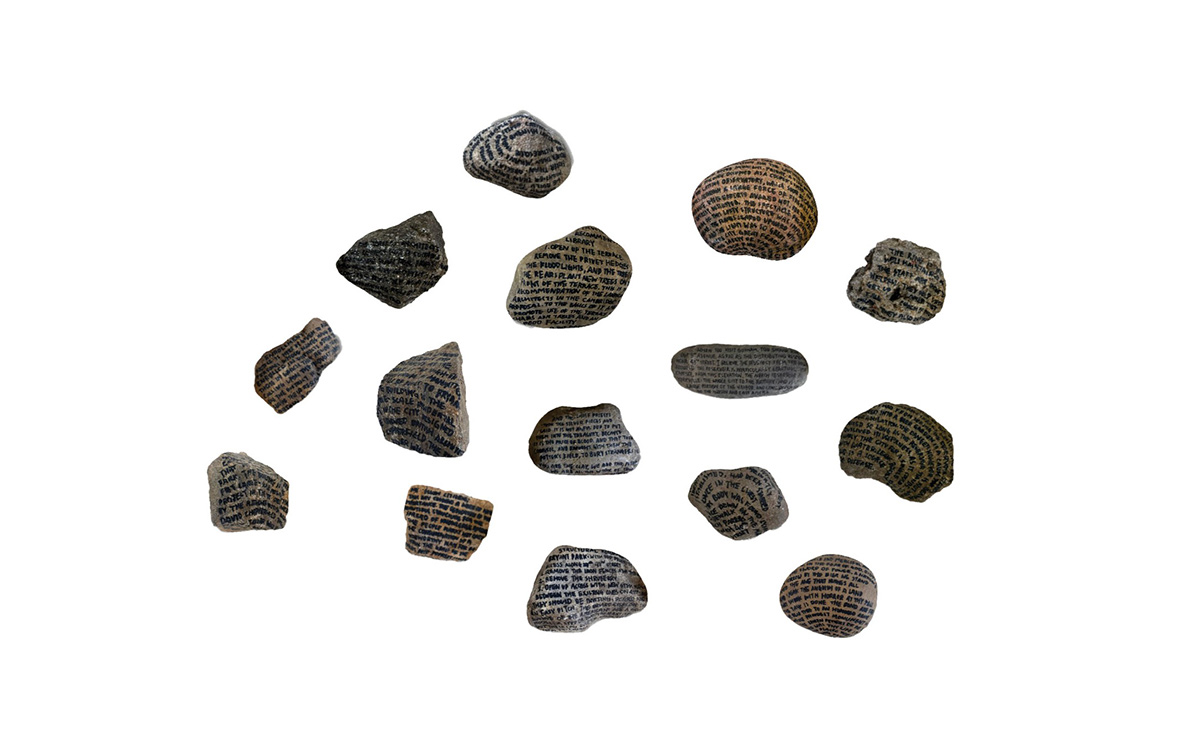
The title itself, "Move Like Water, Still Like Rock," encapsulates Lin’s central thesis. While rocks may appear steadfast, their existence is a testament to a slow, inexorable journey. They are formed through processes that are inherently about movement and change over vast geological timescales. A grain of sand, subjected to immense pressure and time, can become a fundamental component of a rock. Water erodes, wind carves, and tectonic forces compress, all contributing to the unique character and form of each geological specimen.
Lin’s approach encourages a shift in perspective, urging viewers to move beyond a superficial understanding of rocks as inert objects. Instead, she invites them to consider rocks as living histories, bearing witness to eons of geological activity. This perspective is deeply significant to her work, as it “opens up more ways of seeing the world. It makes things feel less fixed and more in process, which I find really freeing." This philosophical liberation, found in recognizing the dynamic nature of seemingly static elements, is a cornerstone of her artistic practice. The scale of natural processes, so vastly different from human lifespans, underscores the humbling reality that much of what shapes our world operates on a continuum far beyond our immediate perception.
Supporting Data and Artistic Manifestation
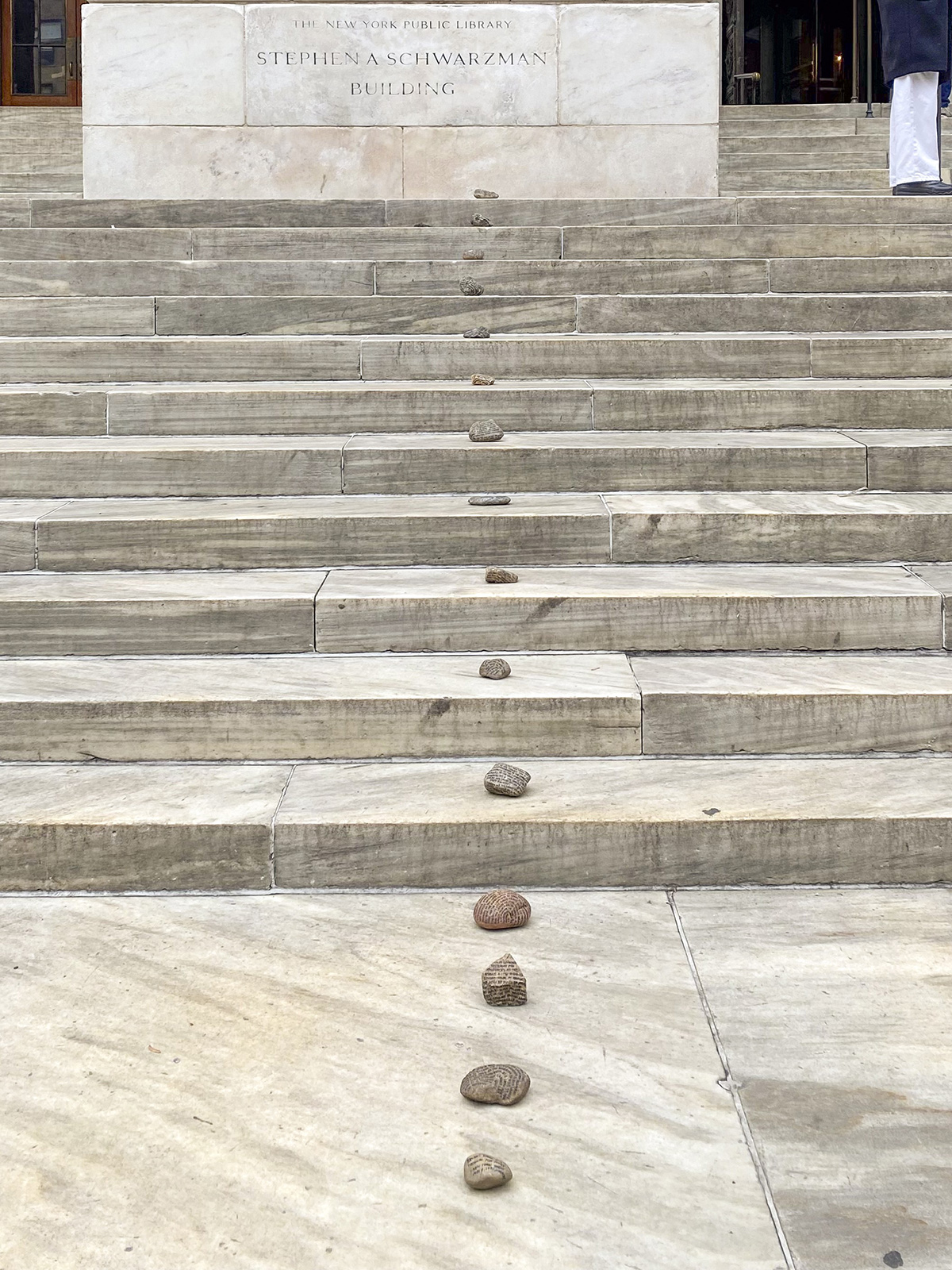
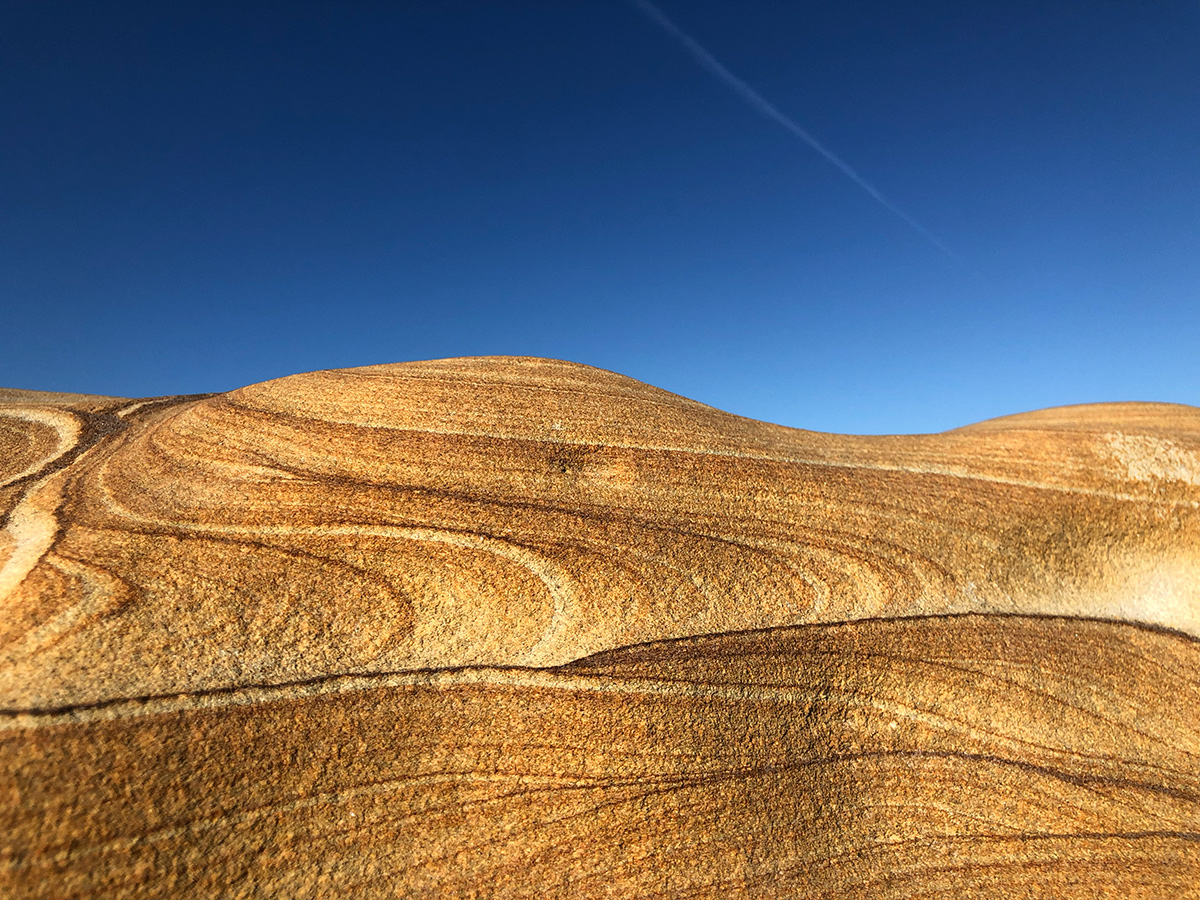
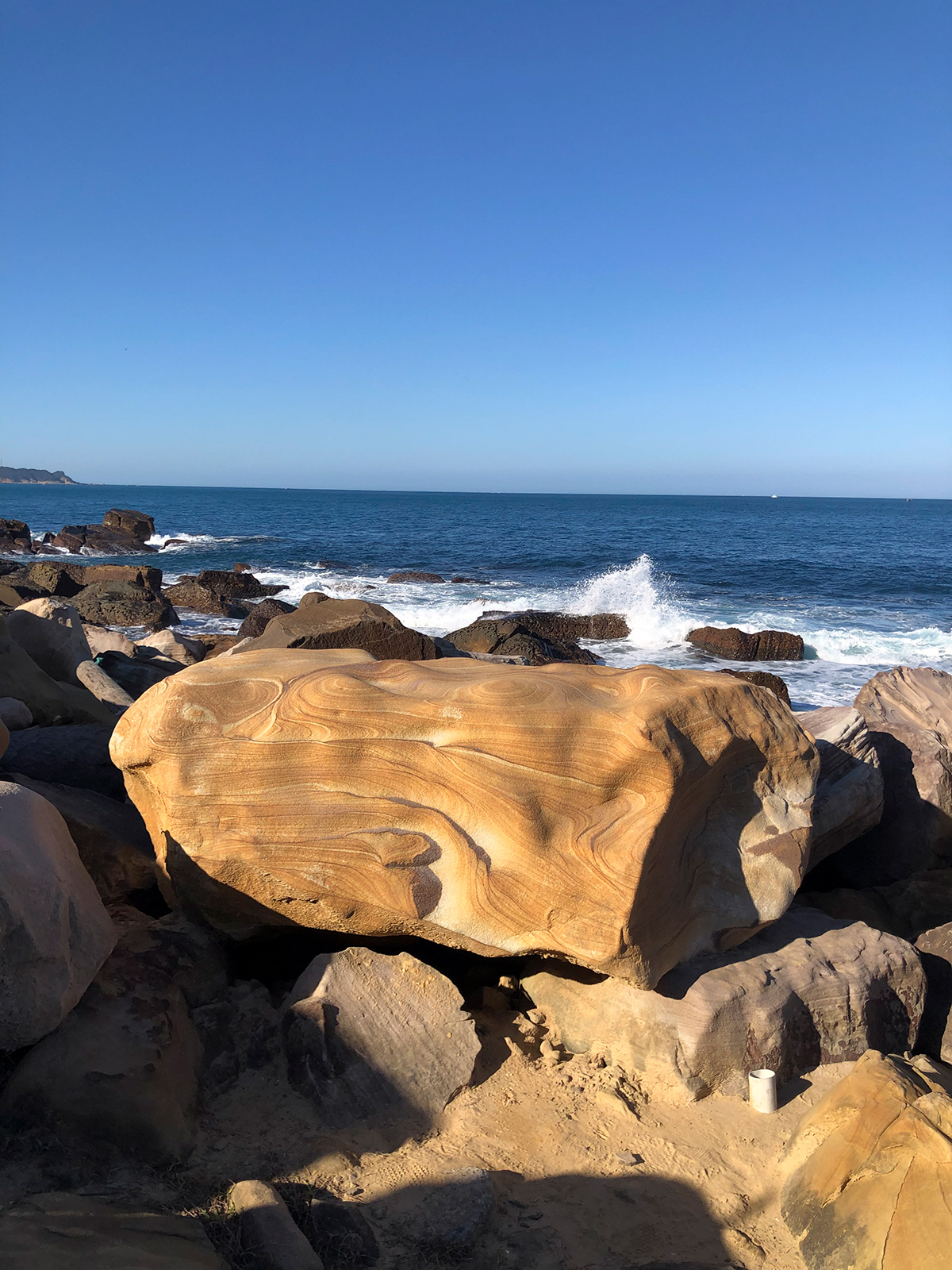
The zine, "Move Like Water, Still Like Rock," serves as a powerful visual manifestation of Lin’s conceptual framework. Through carefully curated images, she guides the reader on a journey through the geological narratives embedded in stone. Each photograph is an invitation to contemplate the unseen forces that have sculpted the rock, prompting reflection on the passage of time, the power of natural elements, and the cyclical nature of creation and decay.
The support from Bookmobile, a renowned book production service, was instrumental in bringing Lin’s vision to a tangible form. Their collaboration facilitated the transformation of her conceptual work into a physical zine, making it accessible to a wider audience. This partnership underscores the importance of resources and platforms that empower artists to share their unique perspectives and contribute to the broader cultural discourse. The success of "Move Like Water, Still Like Rock" also highlights the value of initiatives like the Booooooom Art & Photo Book Awards, which provide crucial opportunities for artists to publish and disseminate their work.
Personal Inspirations and Creative Processes
Lin’s reflections on her creative process reveal a nuanced interplay between instinct and intention. She describes her ideas as often stemming from instinct, driven by a feeling that she pursues before fully understanding it. However, the act of creation itself is where intention takes hold, guiding the communication of her concepts with clarity. This dual approach allows for both spontaneous ideation and meticulous execution.
Her daily life also serves as a rich source of inspiration. Lin notes that recent walks in the park have been particularly grounding. Observing subtle shifts in light, the movement of leaves, and the processes of growth and decay reminds her of the constant, often unnoticed, activity in nature. This practice of slowing down and observing mirrors her approach to rocks, emphasizing the importance of mindful engagement with the world around us.
Three pivotal life moments have significantly shaped Lin’s trajectory. The first, living in a room where the balcony was twice the size of the room itself, suggests an early appreciation for unconventional spatial arrangements and perhaps an intuition for the relationship between interior and exterior. The second, "watching an unreasonable amount of cartoons growing up," hints at a playful and imaginative foundation, a willingness to engage with fantastical narratives. The third, pursuing graduate studies to "design spaces for the coexistence between the terrapin and the human," directly articulates her core interest in interspecies harmony and ecological design, a theme that resonates powerfully within her current work.
Implications for Design and Perception
Minhan Lin’s "Move Like Water, Still Like Rock" offers more than just a visual exploration of geological formations. It presents a profound challenge to our conventional modes of perception and our relationship with the natural world. In an era marked by environmental concerns and a growing awareness of our interconnectedness with ecological systems, Lin’s work serves as a timely reminder of the deep histories and continuous transformations that underpin our existence.
Her architectural design background provides a critical lens through which to view these natural processes. By drawing parallels between the forces that shape rocks and the design of built environments, Lin suggests that architecture, too, can be understood as a process of accumulation, transformation, and adaptation. This perspective can lead to more sustainable and harmonious designs, ones that acknowledge and integrate with the dynamic forces of nature rather than imposing upon them.
The hope that readers will "feel a sense of slowness" and imagine themselves "moving, changing, and becoming" as they engage with her book is a testament to its contemplative nature. It’s an invitation to slow down, to observe, and to recognize the inherent dynamism in all aspects of existence, even in the most seemingly still elements.
Looking Forward: Curiosity and Empathy
As Minhan Lin looks to the future, her aspirations remain rooted in her core values. She aims to dedicate more time to exploring her genuine interests while finding a balance with her professional career as a landscape and architectural designer. This commitment to personal artistic exploration, alongside professional development, suggests a holistic approach to her creative life.
On a broader, lifelong scale, Lin hopes to "stay curious and have a deeper sense of empathy toward all kinds of beings." This aspiration encapsulates the profound humanistic and ecological ethos that underpins her work. It is a call for a more compassionate and observant engagement with the world, recognizing the intrinsic value and complex narratives present in all forms of life and matter.

In a world that often prioritizes speed and novelty, Minhan Lin’s "Move Like Water, Still Like Rock" is a powerful and poetic reminder of the enduring stories etched into the very fabric of our planet, urging us to look closer, think deeper, and connect more profoundly with the unseen narratives that surround us. Her work encourages us to see the world not as a collection of static objects, but as a continuously unfolding story of movement, transformation, and interconnectedness.