The Uncanny Persistence of Art: Nina Gantz’s Award-Winning ‘Wander to Wonder’ Arrives Online
The landscape of contemporary stop-motion animation has been significantly reshaped by the arrival of Wander to Wonder, a hauntingly beautiful and deeply unsettling short film directed by Nina Gantz. After a monumental run on the international film festival circuit—accruing nearly 50 awards and an Academy Award nomination—the film has finally been released for public viewing online. This digital premiere marks a pivotal moment for animation enthusiasts and cinephiles alike, offering a wider audience the opportunity to experience a work that has been described as a masterclass in the "uncanny" and a poignant meditation on the nature of legacy.
Main Facts: A Modern Masterpiece in Miniature
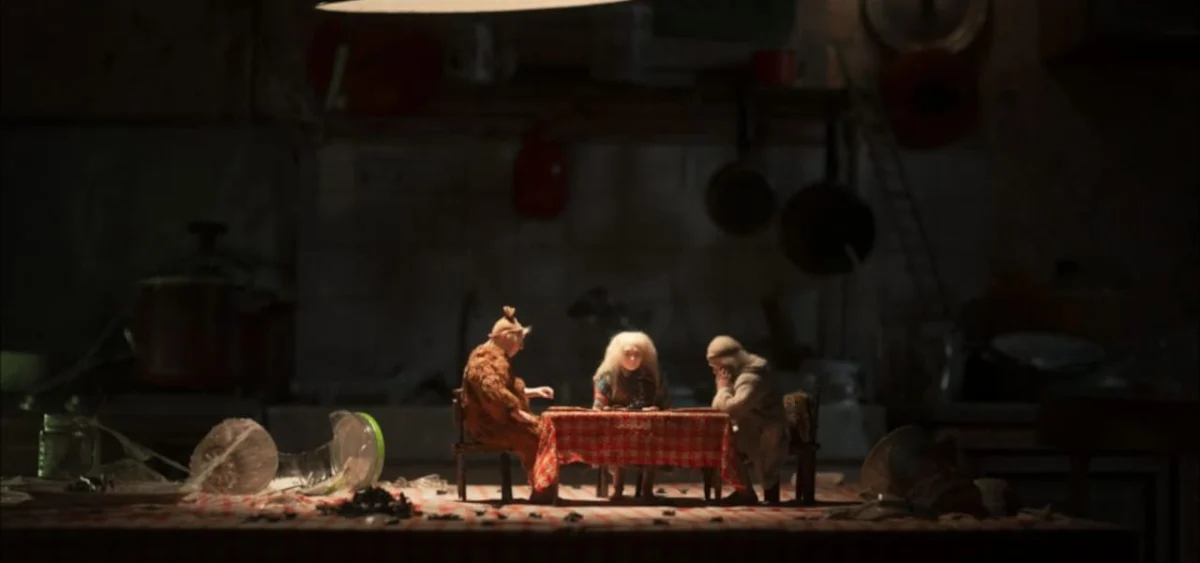
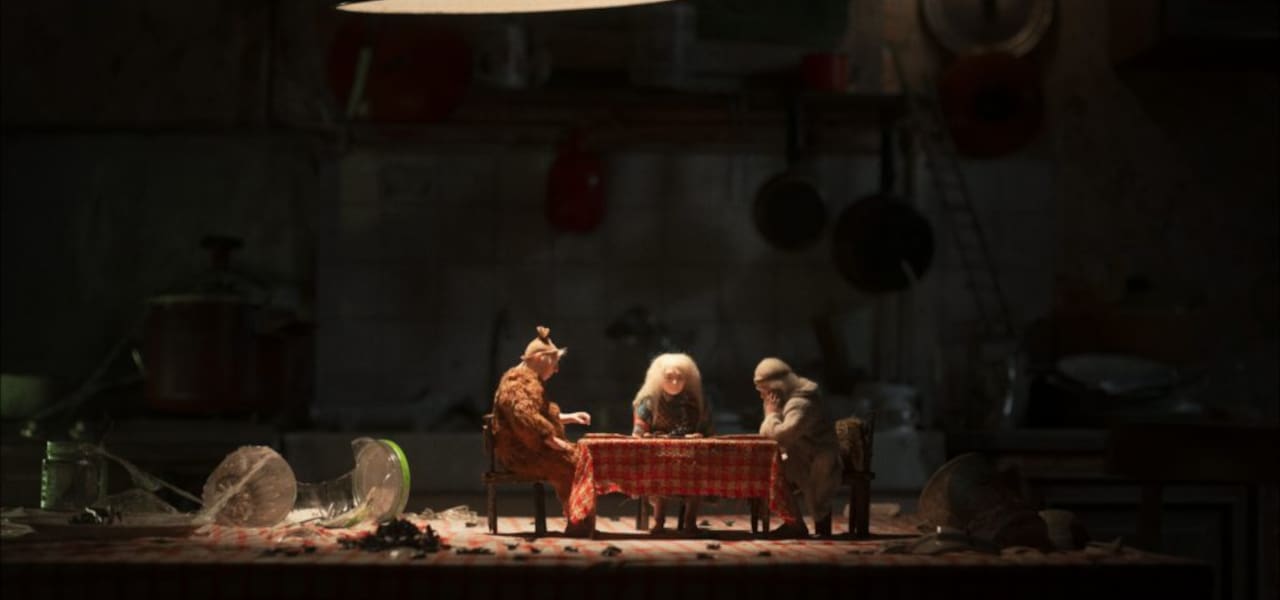
Wander to Wonder is a stop-motion short film that defies easy categorization. It is simultaneously a tribute to the nostalgic aesthetics of 1980s children’s television and a visceral exploration of psychological horror and grief. The narrative follows three miniature human actors—Mary, Billybud, and Fumbleton—who reside in the dusty, silent remains of a television studio. For years, they were the stars of a beloved children’s program, directed and cared for by a human creator. However, following the creator’s death, the trio finds themselves abandoned.
Driven by a mixture of programmed duty and existential desperation, the characters continue to film new episodes of their show. As their physical forms begin to decay and their resources dwindle, the content of their "broadcasts" shifts from educational whimsy to macabre absurdity. The film’s recent online release follows a trajectory of critical acclaim that is rarely seen in the short film format, including a BAFTA win and an Oscar nomination in the Best Animated Short Film category.
The film is the brainchild of Nina Gantz, a director who previously gained international recognition for her graduation film Edmond, which also won a BAFTA. With Wander to Wonder, Gantz solidifies her reputation as a visionary capable of blending the tactile, "handmade" appeal of stop-motion with sophisticated, adult-oriented storytelling.
Chronology: From Venice to the Global Screen
The journey of Wander to Wonder began on one of the world’s most prestigious stages. Its world premiere took place at the Venice International Film Festival, a venue that increasingly recognizes animation as a high-art form. The reception in Venice set the tone for the following two years, as the film became a staple of the festival circuit.
Following its debut, the film traveled to the South by Southwest (SXSW) Film Festival, where it secured the top prize for animated shorts, a win that automatically qualified it for Academy Award consideration. From there, it moved through the European circuit, picking up a British Independent Film Award (BIFA) and eventually the BAFTA for Best British Short Animation.
The film’s momentum peaked during the 2024-2025 awards season, where it earned an Annie Award—the highest honor in the animation industry—and culminated in a nomination for the 97th Academy Awards. Throughout this period, Wander to Wonder was screened at 188 different festivals worldwide, a staggering number that reflects its universal resonance despite its niche, surrealist tone. The decision to release the film online now, in mid-2026, serves as the final chapter of its promotional life, transitioning it from an exclusive festival gem to a permanent fixture of digital cinema.
Supporting Data: The Scale of Success
The statistical success of Wander to Wonder provides a clear picture of its impact on the industry. To understand the magnitude of its achievement, one must look at the sheer volume of its accolades:
- Festival Selections: 188 international selections. This includes top-tier festivals such as Venice, Telluride, and Clermont-Ferrand.
- Total Awards: 49 wins across various categories, including Best Director, Best Animation, and Jury Prizes.
- Major Honors:
- BAFTA: Winner, Best British Short Animation.
- Annie Awards: Winner, Best Animated Short Subject.
- SXSW: Winner, Animated Short Competition.
- Academy Awards: Nominee, Best Animated Short Film.
Beyond the trophies, the technical data of the production itself is noteworthy. Stop-motion is notoriously labor-intensive, often yielding only a few seconds of usable footage per day. Wander to Wonder utilizes a hybrid technique that Gantz has perfected, involving meticulously crafted puppets that often feature human-like textures or expressions to enhance the "uncanny" effect. One specific sequence—involving a character licking the interior of a glass jar—has been cited by industry professionals as a benchmark for fluid, realistic movement within the constraints of frame-by-frame animation.
Official Responses and Critical Reception
The critical response to Wander to Wonder has been overwhelmingly positive, with many critics focusing on the film’s ability to evoke complex emotions through inanimate objects.
Nina Gantz, in various interviews during the film’s festival run, noted that the story was born from a fascination with the "afterlife" of media. She questioned what happens to the characters we love once the cameras stop rolling and the creators move on. "There is a specific kind of loneliness in a studio," Gantz remarked in a post-screening Q&A at SXSW. "I wanted to explore the idea of characters who are so devoted to their purpose that they don’t know how to stop, even when that purpose has become grotesque."
Critics have lauded the film’s tonal balance. Variety described it as "a fever dream of childhood nostalgia curdled into something far more profound," while The Guardian praised the film’s "tactile horror," noting that the physical degradation of the puppets serves as a powerful metaphor for the fading of memory and the cruelty of time.
The animation community has also rallied around the film. Peer reviews from organizations like Cartoon Brew have highlighted the "stunning display of stop-motion craftsmanship," particularly the way Gantz uses lighting and set design to create a sense of claustrophobia and decay. The film’s ability to move the viewer—transitioning from a laugh at a dark joke to a genuine sense of sorrow for the characters—is frequently cited as its greatest strength.
Implications: The Future of Adult Stop-Motion
The success and subsequent online release of Wander to Wonder carry several significant implications for the animation industry and the broader cinematic landscape.
.png)
1. The Rise of "Adult" Stop-Motion
For decades, stop-motion was largely associated with either children’s programming (e.g., Rankin/Bass, Aardman) or the avant-garde (e.g., Jan Švankmajer). However, Wander to Wonder joins a growing list of contemporary works—including Guillermo del Toro’s Pinocchio and Phil Tippett’s Mad God—that prove there is a robust appetite for sophisticated, adult-themed stop-motion. Gantz’s success suggests that audiences are increasingly willing to engage with animation that explores dark, psychological, and existential themes.
2. The Short Film to Digital Pipeline
The release of the film on platforms like Vimeo or YouTube (often via curated channels like Short of the Week) highlights the evolving distribution model for short-form content. In the past, short films often languished in obscurity after their festival runs. Today, a strategic online release can garner millions of views, providing directors like Gantz with a global portfolio that can lead to feature-film opportunities or high-profile commercial work.
3. Preservation of Craft in a CGI Era
As generative AI and sophisticated CGI become the industry standards, the success of Wander to Wonder serves as a reminder of the unique power of the "handmade." The "imperfections" of stop-motion—the slight jitter of a puppet, the texture of the fabric, the physical presence of light on a miniature set—create an emotional connection that digital pixels often struggle to replicate. Gantz’s work reinforces the idea that the physical labor involved in stop-motion is not just a method of production, but a vital component of the storytelling itself.
4. Psychological Depth in Animation
Finally, the film challenges the notion that animation is a "genre" rather than a medium. By using puppets to explore themes of grief, abandonment, and the loss of a parental figure (the creator), Gantz demonstrates that animation can tackle the most complex aspects of the human condition. Wander to Wonder is not just a technical achievement; it is a psychological study that lingers long after the final frame, proving that even the smallest characters can carry the heaviest emotional weight.
In conclusion, the online arrival of Wander to Wonder is more than just the release of a short film; it is the democratization of a piece of cinematic history. As Nina Gantz moves forward into her next projects, this film remains a testament to the enduring, if sometimes unsettling, magic of stop-motion animation.