DC Comics Unveils "Superman: The Stranger," A Noir-Infused Golden Age Reimagining
New Black Label Series Explores the Man of Steel’s Early Struggles Against Societal Inequality
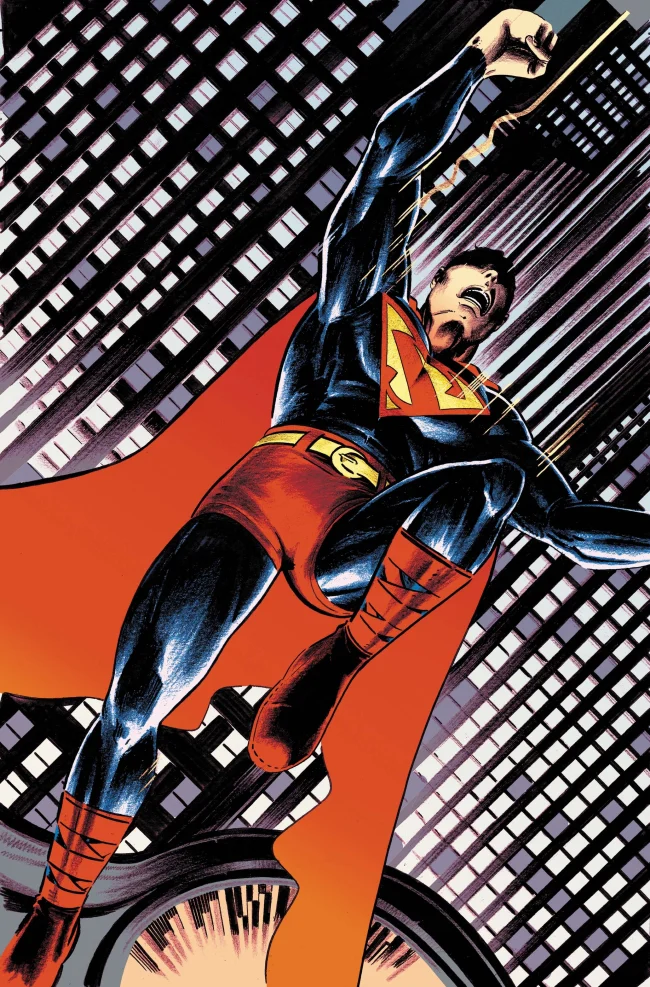
DC Comics has ignited the comic book world with the announcement of "Superman: The Stranger," a groundbreaking new series poised to offer a profoundly fresh perspective on the iconic Man of Steel. Under the esteemed DC Black Label imprint, this six-issue miniseries promises a visually arresting journey into the nascent days of Superman’s crime-fighting career, steeped in the evocative aesthetic and thematic undercurrents of the Golden Age of comic books. Penned and illustrated by the talented Wes Craig, the series is set to launch on September 2nd, inviting readers to witness a more introspective and perhaps even conflicted Superman grappling with the persistent injustices of his world.
The core of "Superman: The Stranger" lies in its ambitious reimagining of Metropolis and its legendary hero. Craig transports us to an Art Deco-inspired vision of the city in 1938, a period synonymous with burgeoning industrialization, stark social divides, and the nascent stirrings of global conflict. This meticulously crafted backdrop serves as the crucible for the early exploits of Superman, exploring not just his burgeoning powers but also the profound ethical and existential questions that accompany them.
The Genesis of a Hero: Early Days and Enduring Doubts
At the heart of "Superman: The Stranger" is a Clark Kent who is still very much finding his footing. Readers will be introduced to the man behind the cape as he navigates the daily grind of a journalist in a bustling, and implicitly unequal, metropolis. This grounding in the everyday life of Clark Kent is crucial, providing a relatable counterpoint to the awe-inspiring figure of Superman. It’s in these quiet moments, amidst the mundane realities of 1938 Metropolis, that the seeds of the hero’s internal conflict are sown.
As the sun sets, Clark sheds his civilian guise and takes to the skies as Superman. However, this is not yet the unwavering beacon of hope that future generations would come to know. The synopsis reveals a Superman who is beginning to falter, his heroic deeds seemingly failing to stem the tide of societal ills. The stark reality of wealth disparity—the rich growing richer while the poor struggle to survive—weighs heavily on his nascent conscience. This is a Superman who questions the efficacy of his actions, a hero wrestling with the limitations of his powers against the deeply entrenched structures of inequality.
The official synopsis eloquently encapsulates this central dilemma: "In Superman: The Stranger, readers will follow Superman at the very beginning of his journey. During the day, Clark Kent does what he can to make ends meet in the bustling city of Metropolis, but when the sun goes down, he leaps into action to keep the city streets safe. As Superman, Clark fights for a better tomorrow, but he feels like he’s not affecting change. The rich keep getting richer, and the poor struggle to survive. Can Superman truly save the downtrodden?" This narrative hook promises a compelling exploration of the hero’s early idealism confronting the harsh realities of the world, a departure from the more straightforward triumphant narratives often associated with the character.
A Visual Odyssey: The Golden Age Aesthetic Reimagined
The decision to set "Superman: The Stranger" within an Art Deco-inspired 1938 Metropolis is not merely a stylistic choice; it is a fundamental element of the series’ narrative ambition. The Golden Age of comic books, spanning roughly from the late 1930s to the mid-1950s, was characterized by its bold lines, vibrant colors (though often with a limited palette), and a sense of optimistic, albeit sometimes naive, heroism. However, this era also coincided with significant global upheaval, including the Great Depression and the looming shadow of World War II, which often subtly informed the narratives.
Wes Craig’s artistic vision is expected to draw heavily from this visual language, imbuing the series with a distinct retro charm. Art Deco, with its geometric shapes, opulent detailing, and streamlined forms, evokes a sense of both modern progress and a touch of glamorous decadence. Applying this to Metropolis in 1938 suggests a city of towering skyscrapers, gleaming automobiles, and a distinct visual flair that will undoubtedly enhance the atmosphere of the story. This aesthetic choice also serves to amplify the thematic resonance of the series, as the opulence of Art Deco can starkly contrast with the poverty and hardship experienced by the city’s less fortunate inhabitants, thereby visually underscoring Superman’s internal conflict.
Furthermore, the visual language of the Golden Age often featured a more direct and less nuanced portrayal of heroism. "Superman: The Stranger" appears poised to subvert this expectation by delving into the psychological and ethical complexities of its protagonist. The bold, declarative style of Golden Age art, when paired with a narrative of doubt and introspection, could create a powerful and unique reading experience. It suggests a deconstruction of the classic heroic archetype, presenting a Superman who is not just a physical force for good but a moral and intellectual one, grappling with profound questions of justice and societal change.
Chronology of a Crisis: The Early Days of the Man of Steel
The series’ focus on the "very beginning of his journey" positions it as a foundational text for understanding Superman’s evolution. While previous stories have touched upon Superman’s early days, "Superman: The Stranger" appears to be delving deeper into the formative experiences that shaped his worldview and his understanding of his role in society.
1938 Metropolis: The setting itself is a character. This is a Metropolis on the cusp of immense change, a city where the American Dream is both a powerful aspiration and, for many, an elusive fantasy. The Art Deco architecture would reflect a city striving for modernity and progress, perhaps mirroring the optimism that Superman himself embodies. However, this visual splendor would likely be juxtaposed with the grittier realities of poverty and crime that have always been a part of the urban landscape.
Clark Kent’s Dual Existence: The narrative will explore the daily life of Clark Kent. This aspect is crucial for humanizing the character and highlighting the disconnect between his civilian identity and his heroic persona. His struggles to make ends meet as a journalist would likely place him in close proximity to the very societal issues he grapples with as Superman. This proximity could foster empathy and understanding, but also frustration as he witnesses firsthand the systemic problems that his powers cannot easily rectify.
The Dawn of Heroism: As Superman, Clark will be depicted in his early crime-fighting endeavors. This implies a period of learning and adaptation, where he is still honing his abilities and understanding the best ways to utilize them. The series may showcase early encounters with criminals and perhaps even the seeds of his iconic rogues’ gallery, but with a focus on the societal impact of his interventions.
The Emerging Doubt: The central conflict of the series is Superman’s growing disillusionment. The synopsis clearly states that he "feels like he’s not affecting change." This suggests a progression of events where his actions, while perhaps stopping individual crimes, do not fundamentally alter the economic or social structures that perpetuate suffering. This internal struggle—the heroic impulse versus the perceived futility of individual action against systemic issues—will be the driving force of the narrative.
Thematic Resonance of the Golden Age: The Golden Age was a period of great societal upheaval, with the Great Depression casting a long shadow and the rise of fascism in Europe creating a palpable sense of global anxiety. Comic books of this era often reflected these concerns, with heroes battling not just supervillains but also corruption, injustice, and even the ideologies of oppressive regimes. "Superman: The Stranger" seems to be tapping into this richer, more complex vein of Golden Age storytelling, using the historical context to inform Superman’s present-day struggles.
Supporting Data: The DC Black Label Advantage
The decision to publish "Superman: The Stranger" under the DC Black Label imprint is significant and provides valuable context for understanding the series’ potential direction and target audience. DC Black Label is a relatively new imprint within DC Comics, established in 2018, designed to offer creators more artistic freedom and to publish more mature, experimental, and creator-driven stories.
Creator-Driven Vision: DC Black Label is known for entrusting established and emerging talents with flagship characters and allowing them to explore these figures in novel ways. Wes Craig, as both writer and artist, is given a significant platform to realize his unique vision for Superman without the constraints often imposed by more mainstream imprints. This suggests that "Superman: The Stranger" will be a deeply personal and authorial take on the character.
Mature Themes and Nuance: While not explicitly a "mature readers" imprint in the sense of graphic violence or explicit content, DC Black Label titles often delve into more complex psychological, philosophical, and thematic territory. The exploration of societal inequality, the limitations of heroism, and the existential doubts of a god-like being are precisely the kinds of nuanced themes that Black Label is designed to accommodate. This suggests that "Superman: The Stranger" will not shy away from presenting a less idealized, more humanistic portrayal of Superman.
Artistic Freedom: The visual style of the series, inspired by the Golden Age and Art Deco, is a testament to the artistic freedom afforded by Black Label. This imprint encourages creators to experiment with different artistic approaches and to imbue their stories with distinct visual identities. Craig’s ability to translate the visual language of the Golden Age into a modern context is a key aspect of this artistic endeavor.
Potential for Critical Acclaim: Previous DC Black Label titles, such as Tom King and Mitch Gerads’ "Mister Miracle" and Grant Morrison and Frank Quitely’s "All-Star Superman" (though published under a different imprint, it shares a similar spirit of creative ambition), have garnered significant critical acclaim for their innovative storytelling and artistic merit. "Superman: The Stranger" has the potential to follow suit, offering a fresh and thought-provoking addition to the Superman mythos.
Official Responses and Industry Buzz
While official detailed statements beyond the initial announcement are likely to emerge closer to the release date, the mere fact of DC Comics greenlighting such a project under its prestigious Black Label imprint speaks volumes. The decision to revisit Superman’s origins with such a distinct stylistic and thematic approach indicates a strategic move by DC to engage readers with a more sophisticated and character-driven narrative.
The announcement itself, shared via DC’s official blog, has already generated considerable excitement and discussion within the comic book community. Industry publications and fan forums are abuzz with anticipation, dissecting the implications of a Golden Age-inspired, noir-tinged Superman story that grapples with social justice. This level of immediate engagement suggests that "Superman: The Stranger" is tapping into a latent desire for more complex and introspective interpretations of beloved characters.
The choice of Wes Craig as writer and artist is also a significant indicator of the project’s artistic intent. Craig is known for his distinctive style and his ability to craft compelling narratives. His involvement signals a commitment to a high level of artistic execution and a unique creative voice driving the series. The pairing of a creator with a singular vision with a character as universally recognized as Superman is a formula that often leads to memorable and impactful storytelling.
Implications for the Superman Mythos and Beyond
"Superman: The Stranger" carries significant implications not only for the Superman character but also for the broader landscape of superhero storytelling.
Recontextualizing the Icon: By focusing on Superman’s early struggles and his disillusionment with systemic inequality, the series has the potential to recontextualize the character for a new generation of readers. It moves beyond the simplistic portrayal of an all-powerful being who effortlessly rights wrongs, offering a more relatable and complex hero who grapples with the limitations of his power and the complexities of the world. This can lead to a deeper appreciation of Superman’s enduring ideals, now tempered by a more nuanced understanding of the challenges he faces.
The Enduring Relevance of Social Justice Themes: The series’ emphasis on the widening gap between the rich and the poor and Superman’s struggle to effect meaningful change is a deeply resonant theme in contemporary society. By exploring these issues through the lens of a Golden Age setting, "Superman: The Stranger" can highlight the historical roots of these problems and underscore their continued relevance. This approach can elevate the narrative beyond a simple superhero story, transforming it into a commentary on societal structures and the persistent struggle for justice.
A New Frontier for DC Black Label: This series further solidifies DC Black Label’s reputation as a home for ambitious and creator-driven storytelling. By venturing into a reimagining of one of DC’s most iconic characters with such a distinct artistic and thematic focus, DC is signaling its commitment to pushing creative boundaries and exploring the vast potential of its established universe. This could encourage further innovative takes on other classic characters.
The Power of Visual Storytelling: The explicit emphasis on the "visual language of the Golden Age of comic books" and the Art Deco aesthetic highlights the crucial role of art in shaping narrative and theme. "Superman: The Stranger" promises to be a visually stunning experience, where the style itself contributes significantly to the story’s meaning and emotional impact. This serves as a powerful reminder of the artistry inherent in comic books and their ability to convey complex ideas through both words and images.
In conclusion, "Superman: The Stranger" represents an exciting and ambitious undertaking by DC Comics. By blending the visual allure of the Golden Age with a narrative that delves into the existential and societal struggles of its titular hero, the series is poised to offer a compelling and thought-provoking exploration of Superman’s journey. As readers prepare to witness the Man of Steel grapple with the enduring inequalities of his world, "Superman: The Stranger" promises to be a significant addition to the pantheon of modern comic book storytelling, reminding us that even the greatest heroes face profound challenges, both external and internal.