The Great Resignation, Reimagined: Hungarian-Nicaraguan Photographer Documents the Exodus to Self-Sufficiency
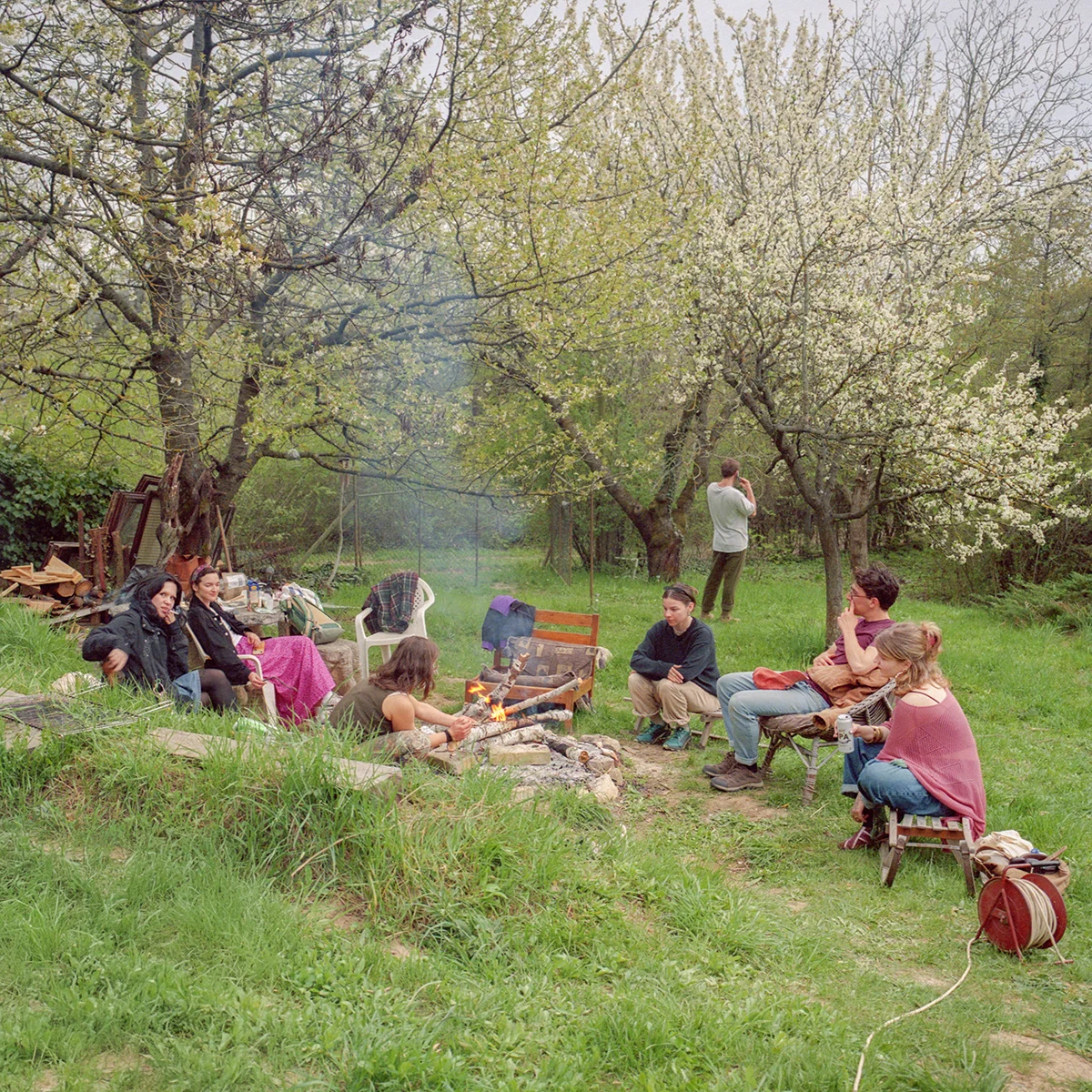
In an era defined by rapid urbanization and increasingly precarious economic landscapes, a growing number of individuals are seeking solace and purpose beyond the confines of city life. They are trading skyscrapers for soil, digital connectivity for deep community bonds, and the relentless pace of modern existence for a more grounded, self-sufficient way of living. Documenting this profound shift is the compelling work of Hungarian-Nicaraguan photographer Erika Nina Suárez, whose ongoing series, "Will There Be Fire? Will There Be Bread?", offers an intimate and insightful look into the burgeoning movement of people embracing agrarian lifestyles and communal living.
Currently based in Budapest, Suárez, who received her BFA from the University of North Texas in 2019 and her MA from the Moholy-Nagy University of Art and Design in 2026, has carved a niche for herself by exploring alternative lifestyle movements and humanity’s complex relationship with the land. Her artistic lens is deeply informed by her own upbringing, having grown up surrounded by farms in both Hungary and Nicaragua. This foundational experience, coupled with her time spent documenting friends living in a clothing-optional co-op in the United States, has cultivated a nuanced understanding of the desires and challenges inherent in forging unconventional paths.
"Will There Be Fire? Will There Be Bread?" transcends a singular narrative, evolving from an initial focus on an individual’s decision to leave urbanity for farming to revealing a widespread pattern of disenchantment with conventional life. Suárez’s project has since blossomed into an extensive series, meticulously tracking young people and families across Hungary who, in recent years, have consciously chosen to relocate from cities to establish lives rooted in agriculture and self-sufficiency.
The Seeds of Discontent: Why People Are Leaving the City
Suárez’s photographic journey is fueled by a recurring observation: "Again and again, I encountered people making similar decisions and expressing similar frustrations," she explains. The motivations behind this exodus are multifaceted and deeply resonant with the anxieties of our time. A pervasive sense of being "overstimulated" and "burnt out" is a common refrain, reflecting the relentless demands of urban living. The escalating cost of housing in cities further exacerbates this discontent, pushing many towards a more affordable and sustainable existence. Furthermore, a profound uncertainty about the future, both personal and societal, drives individuals to seek greater control over their lives and environments.
Beyond these pressing concerns, a deeper yearning for connection and meaning emerges. Many individuals expressed a desire to "grow their own food," a fundamental act of self-reliance that reconnects them with the earth and provides a tangible sense of accomplishment. The aspiration to "have greater control over their time" speaks to a rejection of the rigid schedules and external pressures often dictated by urban employment. Crucially, there is a powerful impulse to "rethink what community can look like," moving away from transactional urban relationships towards more supportive, interdependent networks. Suárez’s photographs, therefore, do not merely depict a picturesque escape; they document individuals actively constructing alternative paradigms of living, all while grappling with the inherent realities and uncertainties of their chosen paths.
A Chronology of Change: Tracing the Roots of the Movement
While "Will There Be Fire? Will There Be Bread?" focuses on contemporary Hungarian society, the underlying themes of seeking alternative lifestyles have historical precedents. The back-to-the-land movement, which gained momentum in the West during the 1960s and 70s, shared a similar ethos of rejecting consumerism and environmental degradation in favor of simpler, more sustainable living. However, Suárez’s project highlights a distinct contemporary iteration, driven by different socio-economic and technological contexts.

The roots of this current wave can be traced back to the early 2010s, as global economic instability and growing awareness of climate change began to influence individual choices. Initially, these shifts might have been characterized by smaller, more isolated experiments in homesteading or intentional communities. However, as the decade progressed, particularly following the widespread disruptions of the COVID-19 pandemic, the desire for greater resilience and autonomy intensified.
Suárez’s fieldwork reveals a distinct acceleration in recent years. The individuals and families she photographs often represent a generation that grew up with access to global information and a critical understanding of societal challenges, yet felt disenfranchised by the promises of traditional success. Their decisions are not simply a romanticized retreat but a deliberate and often pragmatic response to perceived systemic failures. The "chronology" of their change is less about a singular historical event and more about a collective awakening, a gradual but persistent shift in priorities that has now reached a critical mass.
Supporting Data: The Economic and Environmental Undercurrents
The movement documented by Suárez is not merely a romantic ideal; it is increasingly supported by tangible economic and environmental data that underscore the appeal of alternative living.
Economic Factors:
- Rising Cost of Living: Global cities are experiencing unprecedented housing crises. In Budapest, like many other major European cities, rental and property prices have soared, making homeownership and even stable rental arrangements unattainable for a significant portion of the population, especially young families. This economic pressure is a primary driver for seeking more affordable land and housing in rural areas.
- Precarious Employment: The gig economy and increasingly flexible (and often insecure) employment models leave many individuals seeking greater financial independence. Growing their own food, producing goods for local exchange, and engaging in collaborative economic models within rural communities offer a pathway to greater economic stability and autonomy.
- Opportunity in Rural Revitalization: In some regions, there are government initiatives and private sector efforts aimed at revitalizing rural economies. This can include support for small-scale agriculture, eco-tourism, and artisanal production, creating new avenues for those seeking to establish livelihoods outside traditional urban employment.
Environmental Factors:
- Climate Change Anxiety: Growing awareness of climate change and its potential impacts fuels a desire for greater self-reliance and a reduced environmental footprint. Growing food locally, minimizing reliance on fossil fuels for transportation, and adopting sustainable farming practices are direct responses to these anxieties.
- Desire for Connection to Nature: Many individuals express a deep-seated need to reconnect with the natural world, a connection often lost in urban environments. This desire extends beyond aesthetics to a fundamental understanding of ecological interdependence and a yearning for a life in harmony with nature.
- Food Security Concerns: Recent global events have highlighted vulnerabilities in global food supply chains. The ability to produce one’s own food offers a powerful sense of security and resilience, particularly for those concerned about future disruptions.
While specific statistical data on the exact number of people migrating from Hungarian cities to rural self-sufficient lifestyles is still emerging, anecdotal evidence and sociological trends strongly support the phenomenon Suárez is documenting. The increasing visibility of online communities dedicated to permaculture, sustainable living, and rural homesteading, along with the growth of farmers’ markets and local food initiatives, all point to a significant and growing interest.

Voices from the Land: Official Responses and Societal Perceptions
The growing movement towards alternative living is beginning to elicit responses from various sectors, though often in nascent stages.
Government and Local Authorities:
- Rural Development Initiatives: Many regional governments are recognizing the potential of these movements to revitalize depopulated rural areas. Initiatives focused on supporting small-scale agriculture, promoting rural tourism, and offering grants for sustainable development projects can be seen as indirect responses. However, these are often framed within broader economic development strategies rather than specifically targeting the "alternative living" demographic.
- Challenges in Planning and Infrastructure: The influx of new residents, often with different expectations for infrastructure and services, can present challenges for rural municipalities. Issues related to zoning laws, access to utilities, and the provision of social services need to be addressed.
- Potential for New Economic Models: Some local governments are exploring ways to integrate these new residents and their skills into the local economy, fostering collaborations between traditional farming communities and newcomers embracing innovative approaches.
Academic and Sociological Perspectives:
- Research on Rural-Urban Migration: Sociologists and demographers are increasingly studying the patterns of rural-urban migration and the factors influencing these decisions. This research often highlights the search for authenticity, community, and a more sustainable lifestyle as key motivators.
- Studies on Intentional Communities: Academic interest in intentional communities and co-housing projects is also growing, examining their social structures, economic models, and their contribution to broader societal well-being.
Public Perception:
- Romanticization vs. Reality: Public perception of these movements can often be a mix of romanticization and skepticism. While some admire the courage and conviction of those pursuing these paths, others may view them as idealistic or impractical.
- Generational Divide: There can sometimes be a generational divide in how these lifestyle choices are perceived, with younger generations often more open to and embracing of alternative models, while older generations may be more accustomed to and invested in traditional urban careers and lifestyles.
- Media Portrayals: Media coverage, while sometimes sensationalized, is also playing a role in raising awareness and sparking dialogue about these alternative ways of living. Suárez’s photography contributes to this by offering a nuanced and humanizing perspective.
It is important to note that official "responses" are often reactive rather than proactive. The movement is still in a phase of organic growth, and policy frameworks are still catching up to its evolving dynamics. However, the increasing recognition of the economic and social contributions of these communities suggests a gradual shift in how these alternative lifestyles are perceived and integrated into the broader societal fabric.
The Unfolding Landscape: Implications for the Future
Erika Nina Suárez’s "Will There Be Fire? Will There Be Bread?" is more than just a collection of striking images; it is a vital document of a societal transformation in progress. The implications of this growing movement are far-reaching and suggest a potential recalibration of our understanding of success, community, and our relationship with the planet.

Reshaping Urban-Rural Dynamics: As more people seek to leave urban centers, it could lead to a rebalancing of populations and economies. This could revitalize rural areas, bringing new skills, ideas, and economic activity. Conversely, it may also necessitate new approaches to urban planning and development, focusing on creating more livable and sustainable urban environments that address the very frustrations driving people away.
Redefining Community and Connection: The emphasis on communal living and self-sufficiency challenges conventional notions of social interaction. These alternative communities are experimenting with new forms of governance, resource sharing, and mutual support, offering potential models for fostering deeper human connection in an increasingly atomized world.
Promoting Sustainable Practices: The core of this movement is a commitment to environmental stewardship. As these communities grow, their adoption and innovation in sustainable agriculture, renewable energy, and waste reduction could have a significant impact on broader environmental efforts, offering practical solutions and inspiring wider adoption.
Challenging Economic Paradigms: The pursuit of self-sufficiency and local economies challenges the dominance of globalized consumerism. These individuals are demonstrating that alternative economic models are not only possible but can also foster greater resilience and well-being. This could encourage a re-evaluation of economic priorities, moving beyond pure profit motives to encompass ecological and social considerations.
Personal Empowerment and Well-being: At its heart, this movement is about reclaiming agency. By choosing to live more deliberately and in closer connection with their values, individuals are finding greater personal fulfillment and a deeper sense of purpose. Suárez’s work captures this profound human drive for authenticity and a life lived on one’s own terms.
In conclusion, Erika Nina Suárez’s "Will There Be Fire? Will There Be Bread?" serves as a crucial visual archive of a significant societal shift. It is a testament to the enduring human desire for connection, meaning, and a life lived in harmony with the earth. As more individuals embrace these alternative paths, their collective impact will undoubtedly continue to shape the future of our communities, our relationship with the land, and our understanding of what it truly means to thrive. The images within this series are not just photographs; they are portents of a changing world, inviting us to consider the possibilities that lie beyond the familiar horizons of urban existence.