"Fascinating Folklore": A Deep Dive into Myth and Legend with Comic Luminaries John Reppion and PJ Holden
FOR IMMEDIATE RELEASE
London, UK – A groundbreaking new compendium, "Fascinating Folklore," is set to captivate enthusiasts and newcomers alike, offering an unparalleled journey into the heart of global myth and legend. Crafted by the esteemed hands of comic world luminaries John Reppion and PJ Holden, this ambitious project transcends traditional storytelling, blending rich, informative essays with breathtaking comic art to create a truly immersive experience. Born from a creative pact ignited by the popular social media hashtag #FolkloreThursday, the book promises to illuminate ancient tales and forgotten deities with fresh perspective and vibrant artistic interpretation.
Published by Liminal11, "Fascinating Folklore" is more than just a collection of stories; it is a meticulously curated sensory feast, designed to leave readers spellbound by the enduring magic of human imagination. From heroic sagas and enigmatic plantlore to haunting specters and the guardians of slighted affection, the book covers a diverse tapestry of traditions, underscoring the universal human need to understand the world through narrative.
The Genesis of a Compendium: From Hashtag to Heavyweight
The journey of "Fascinating Folklore" began not in dusty archives, but in the dynamic, collaborative space of social media. The popular #FolkloreThursday hashtag, a weekly online phenomenon where users share fascinating snippets of global folklore, served as the initial spark. This digital crucible of shared knowledge and passion proved fertile ground for a creative collaboration between two celebrated figures in the comic industry: writer John Reppion and artist PJ Holden.
Reppion, known for his incisive storytelling and deep dives into esoteric subjects, found a natural complement in Holden’s dynamic and evocative artwork, which has graced countless comic pages. Their shared enthusiasm for the rich tapestry of folklore led to a "creative pact" – an agreement to channel the collective energy and inspiration of #FolkloreThursday into a more permanent and expansive format. What started as an informal exploration swiftly blossomed into a comprehensive compendium, meticulously researched and stunningly illustrated, poised to become a definitive resource for folklore aficionados. This organic evolution from a digital community initiative to a tangible, artistic and academic endeavor speaks volumes about the enduring power of these ancient narratives to inspire modern creators.
Unearthing Ancient Narratives: Supporting Data and Exemplary Tales
"Fascinating Folklore" distinguishes itself through its innovative structure, where "rich and informative essays dance hand in hand with breathtaking comics." This dual approach allows for both scholarly depth and visual storytelling, making complex narratives accessible and engaging. The book delves into a wide array of legends, from the well-known to the obscure, offering fresh perspectives on their origins, interpretations, and cultural significance.
The Island Monster: Aspidochelone and the Zaratan
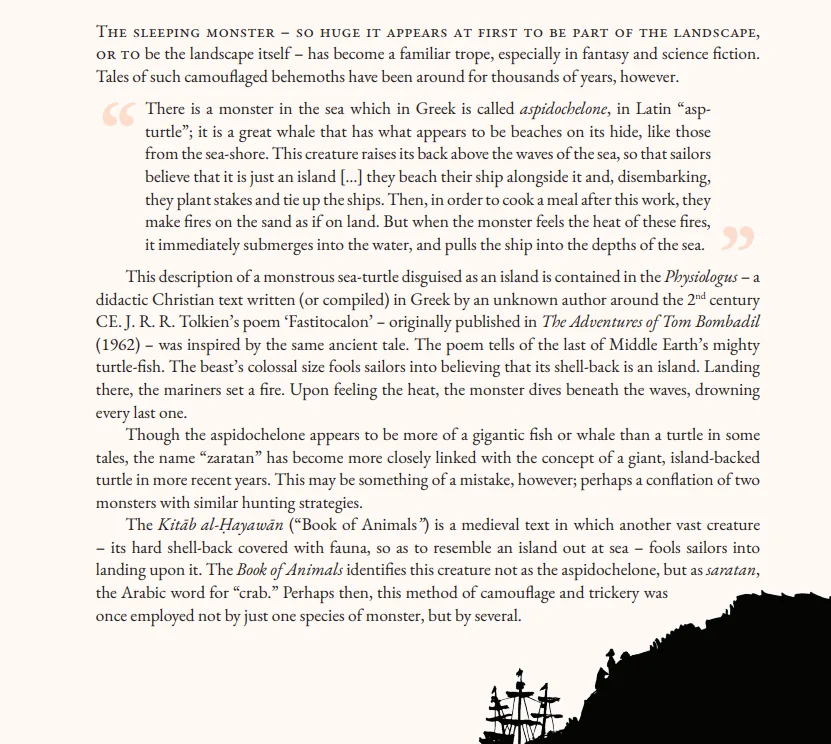
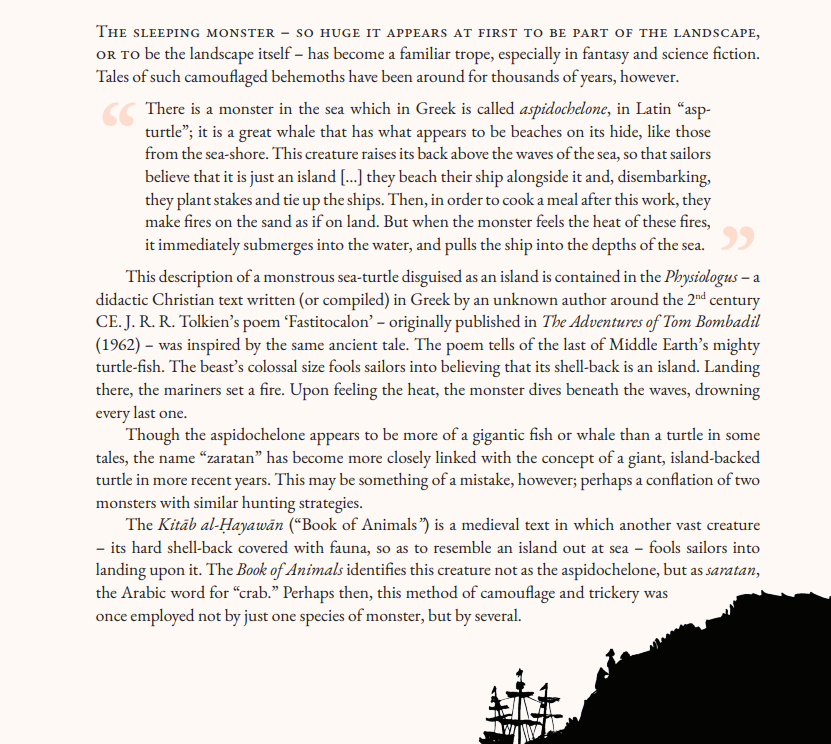
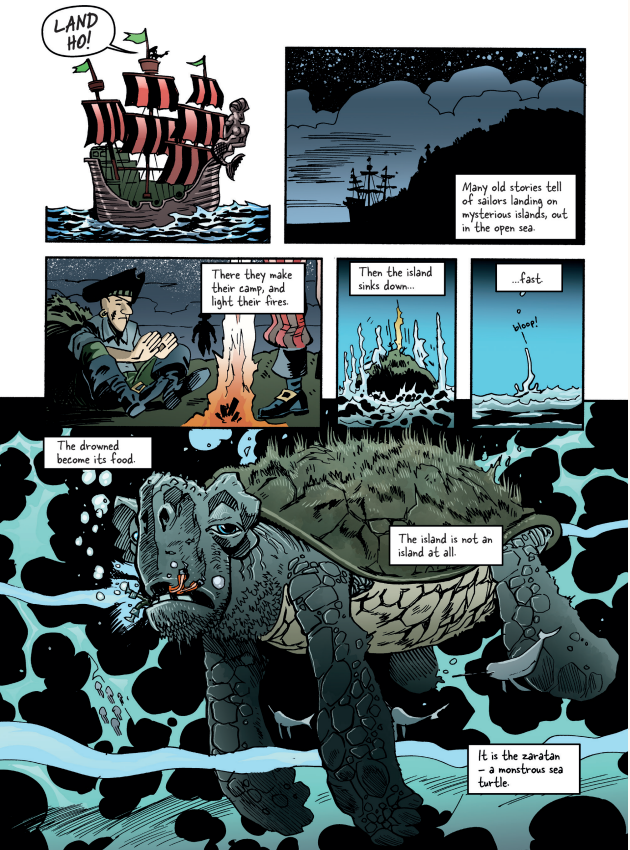
One of the captivating entries explores the ancient legend of the Aspidochelone, a monstrous sea creature so immense that its back appears as a nascent island. The excerpt details how unsuspecting sailors, mistaking its hide for solid land, beach their ships, plant stakes, and even light fires for cooking. The monster, feeling the heat, then submerges, dragging ships and mariners to their watery demise.
This "sleeping monster" trope, where a colossal beast is camouflaged as part of the landscape, is a recurring motif across mythology and modern fantasy, from J.R.R. Tolkien’s "Fastitocalon" in "The Adventures of Tom Bombadil" (1962) to contemporary video games and literature. The earliest known textual reference to the aspidochelone appears in the Physiologus, a didactic Christian text compiled in Greek around the 2nd century CE. In this context, the creature often serves as a metaphor for the devil, luring the unwary to their spiritual destruction.
The book also addresses the intriguing confusion surrounding the term "zaratan." While often conflated with the island-backed turtle, the Kitāb al-Ḥayawān ("Book of Animals"), a medieval Arabic text, identifies a similar deceptive creature not as an aspidochelone but as a saratan, the Arabic word for "crab." This suggests that the method of camouflage and trickery might not have been exclusive to one species of monster but employed by several, each adapting to its environment to ensnare its prey. The detailed essay, coupled with a dramatic comic spread, brings this ancient cautionary tale vividly to life, reminding readers of the perils lurking beneath the surface, both literal and metaphorical.
Anteros: The God of Reciprocated Love
While the winged god Eros, or his Roman counterpart Cupid, is a household name, "Fascinating Folklore" introduces readers to his lesser-known but equally significant brother, Anteros. His name, meaning "love returned," encapsulates his divine charge: to punish those who scorn or refuse to reciprocate affection. Anteros emerges as a figure of divine justice within the realm of passion, ensuring balance in matters of the heart.
Born from Aphrodite, the goddess of love, and Ares, the god of war, Anteros is one of the Erotes, a group of winged deities assisting their mother. Unlike Eros, who incites desire, Anteros avenges its neglect. As depicted in Thomas Swinburne Carr’s "A Manual of Classical Mythology" (1846), Anteros’s presence was believed to strengthen Eros; Cupid’s wings would enlarge in his brother’s company, only to shrink when Anteros was absent, symbolizing the idea that love flourishes best when reciprocated. He is often armed with lead arrows, representing the heavy burden of unrequited love, or a club of solid gold, signifying the weighty consequence of emotional neglect.
A particularly fascinating detail highlighted in the book is the widespread misidentification of the famous statue atop the Shaftesbury Memorial Fountain in Piccadilly Circus, London. Commonly known as Eros, the figure, cast in aluminum in 1892, is actually Anteros. It was chosen to symbolize "blind love" or "love given without expectation of return," reflecting the philanthropy of Lord Shaftesbury. This anecdote beautifully illustrates how classical myths, even when slightly obscured, continue to resonate and shape public spaces and understanding, offering a deeper layer to familiar landmarks.
Okiku: The Haunting of Himeji Castle
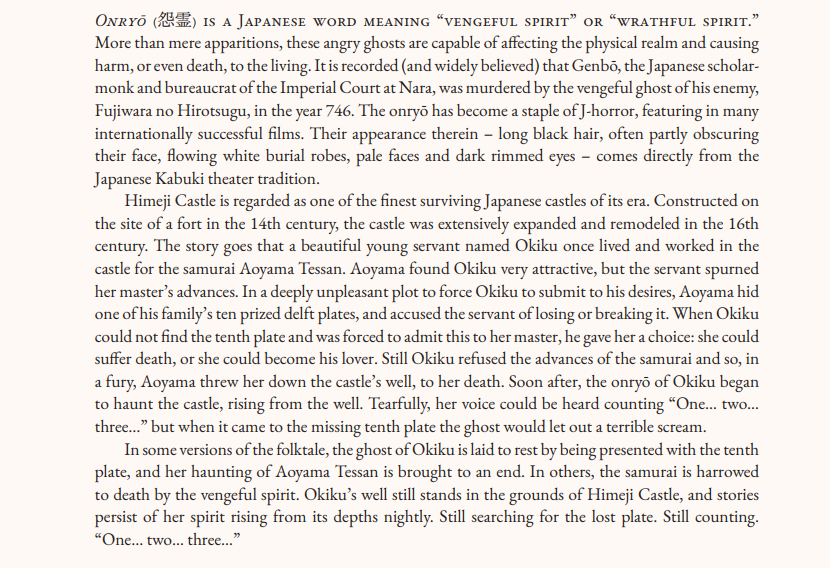
From the classical pantheon, the book transports readers to the chilling world of Japanese folklore with the tale of Okiku, a tragic figure who becomes an onryō, a vengeful spirit. The narrative, often associated with the majestic Himeji Castle, recounts the story of Okiku, a beautiful young servant who spurned the advances of her master, the samurai Aoyama Tessan. In a cruel act of retribution, Aoyama hid one of his family’s ten prized delft plates and accused Okiku of its loss. Faced with a choice between death and becoming his lover, Okiku steadfastly refused. Enraged, Aoyama threw her down the castle well, leading to her demise.
Soon after, the onryō of Okiku began to haunt the castle, rising from the well. Her mournful voice could be heard counting the plates, "One… two… three…" only to unleash a terrible scream when she reached the missing tenth. This haunting, characterized by tearful counting and a bloodcurdling shriek, became a potent symbol of injustice and unfulfilled revenge.
The concept of the onryō is deeply ingrained in Japanese culture, influencing everything from historical accounts—like the purported murder of scholar-monk Genbō by the vengeful ghost of Fujiwara no Hirotsugu in 746—to modern J-horror cinema. The iconic appearance of the onryō—long black hair often obscuring the face, flowing white burial robes, pale complexion, and dark-rimmed eyes—is a direct descendant of the Japanese Kabuki theatre tradition. "Fascinating Folklore" vividly illustrates the tale, emphasizing the emotional torment and the enduring power of the wronged spirit. While some versions of the legend suggest Okiku’s spirit can be appeased, others maintain her eternal search for the lost plate, her cries echoing from the well at Himeji Castle to this day.

A Global Tapestry: More Tales Unveiled
Beyond these detailed examples, "Fascinating Folklore" broadens its scope to include a rich array of global narratives. Readers will encounter the formidable Boudicca, the warrior queen of the Iceni, who led a fierce rebellion against Roman rule in ancient Britain, her story a testament to indomitable spirit and resistance. The legendary Anglo-Saxon hero Beowulf also features, inviting readers into his epic battles against monsters like Grendel and a fearsome dragon, exploring themes of courage, fate, and leadership.
The compendium also delves into the enthralling world of plantlore, where the mystical properties and symbolic meanings of flora are explored. From the mythical shrieks and potent magic of the Mandrake to the weeping wisdom of the Willow and the enigmatic secrets of Yedua, the book uncovers how ancient cultures imbued plants with spiritual significance, medicinal power, and narrative agency. These tales often reveal a deep connection between humanity and the natural world, offering insights into traditional healing, divination, and magical practices.
Further expanding its global reach, "Fascinating Folklore" introduces the powerful Wandjing spirits of Western Australia, figures central to the mythology of Aboriginal peoples. These rain and water spirits, often depicted with dark bodies, white eyes, and no mouth, are crucial to the natural cycles and spiritual life of Indigenous Australians, embodying the sacred connection to land and water. The inclusion of such diverse, globally significant folklore underscores the book’s commitment to a comprehensive and respectful exploration of humanity’s shared narrative heritage.
The Creators’ Vision: Blending Scholarship with Spectacle
While "Fascinating Folklore" benefits immensely from its scholarly underpinning, the core of its appeal lies in the creators’ innovative approach to presentation. John Reppion and PJ Holden’s vision was to transcend the conventional, making folklore not just educational but viscerally exciting. The integration of "rich and informative essays" with "breathtaking comics" is not merely an aesthetic choice but a pedagogical one, designed to offer "a sensory feast and an unparalleled pathway into the enchanting realm of folklore."
The authors’ deep respect for the source material is evident in the meticulous research that informs each essay, providing historical context, linguistic origins, and cultural interpretations. This academic rigor is then seamlessly interwoven with Holden’s dynamic illustrations, which bring these ancient narratives to life with vibrant imagery and evocative storytelling. The comic panels do not merely illustrate the text; they expand upon it, adding emotional depth, visual drama, and a contemporary edge that resonates with modern audiences. This blend ensures that the book appeals to both seasoned folklore scholars and casual readers, offering multiple entry points into complex subjects. The commitment to this unique format reflects a belief that folklore, in its essence, is both a story to be read and an experience to be felt.

Implications: Revitalizing Ancient Wisdom for a Modern Audience
The publication of "Fascinating Folklore" holds significant implications for the preservation and popularization of global folklore. In an increasingly digital and globalized world, there is a renewed interest in cultural heritage and identity. Books like this serve as vital bridges, connecting contemporary audiences with the timeless wisdom, moral lessons, and imaginative power of ancestral tales.
Firstly, the compendium’s unique hybrid format sets a new standard for engaging with traditional narratives. By combining the intellectual depth of essays with the visual immediacy of comics, Reppion and Holden have created a highly accessible and memorable experience. This approach could inspire future works that utilize multimodal storytelling to explore academic or historical subjects, making them more approachable for a wider demographic.
Secondly, the book’s genesis from the #FolkloreThursday hashtag highlights the transformative potential of digital communities. What began as a decentralized online conversation has culminated in a substantial published work, demonstrating how social media can foster genuine creative collaboration and cultural exchange. This underscores the enduring relevance of folklore, which continues to inspire and connect people across geographical and temporal boundaries.
Finally, "Fascinating Folklore" acts as a powerful reminder of the universal themes embedded within human mythology: love and loss, heroism and villainy, nature’s power, and the mysteries of the unknown. By presenting these diverse stories side-by-side, the book implicitly encourages a greater understanding and appreciation of cultural diversity, while also revealing the shared threads of human experience that bind us all. It is a testament to the fact that these ancient stories are not merely relics of the past, but living traditions that continue to inform, entertain, and provoke thought in the present day, inviting readers to delve deeper into the captivating world that might just leave them spellbound.
Order your copy of "Fascinating Folklore" and embark on your own extraordinary journey into the enchanting realm of myth and legend today!