The Unseen Foundation: Why Healing Begins with the Body and the Nervous System

NEW YORK, NY – In an era defined by relentless pace and pervasive digital connection, a silent epidemic of chronic stress, anxiety, and profound disconnection pervades modern society. Many individuals grapple daily with a constellation of debilitating symptoms: persistent aches, poor sleep, bouts of depression, brain fog, and a pervasive sense of numbness or meaninglessness. In their urgent quest for healing, clarity, and wholeness, a critical element is often overlooked: the body itself, and its intricate control system, the nervous system.
As Hermann Hesse profoundly observed, "I have been and still am a seeker, but I have ceased to question stars and books; I have begun to listen to the teaching my blood whispers to me." This sentiment resonates deeply with contemporary psychological and somatic understanding. Ann Weiser Cornell echoes this, asserting, "Come back to your body; that’s where the truth is." These insights underscore a burgeoning recognition: true, lasting transformation is inextricably linked to our physiological state.
The Modern Disconnect: Seeking Answers "Out There"
For generations, particularly in Western thought, the mind and body have been treated as separate entities. This philosophical divide has led many to intellectualize their suffering, seeking remedies primarily through cognitive approaches, self-help literature, or external tools. While these resources can offer temporary relief or valuable insights, they frequently fall short of providing sustained healing. The reason, experts increasingly agree, lies in a fundamental disconnection from our own somatic experience.

"We’re disconnected from our bodies," states a recent analysis on holistic well-being. The allure of quick fixes or esoteric practices often overshadows the seemingly "banal" notion of simply listening to one’s body. Yet, just as a stable foundation is paramount for any enduring structure, a regulated nervous system is the bedrock for all authentic inner work and spiritual growth. Without freeing oneself from the chronic states of fight, flight, freeze, or fawn – the primal survival responses – and learning to effectively regulate the nervous system, profound and lasting change remains elusive. Deep inner work, whether it’s processing trauma, integrating shadow aspects, or cultivating self-love, necessitates physical grounding, embodiment, and an inherent sense of safety. There are no exceptions.
This guide aims to demystify nervous system regulation, presenting it not as a fringe practice but as the physiological cornerstone of "Soul recovery" – the profound journey of reclaiming one’s wise, wild, warm, welcoming, and whole Self.
Understanding Your Internal Compass: What "Regulating Your Nervous System" Actually Means
To comprehend nervous system regulation, it’s essential to understand its core function. As Jennifer Mann and Karden Rabin explain in The Secret Language of the Body, "Your nervous system exists to help your body produce physiological adaptations to ensure your survival. In other words, you have a nervous system so you can have your best chance at staying alive." It acts as our intrinsic "guard dog," constantly scanning the environment for cues of safety or threat, while simultaneously managing vital involuntary functions like heart rate, digestion, and sleep.
The complexity of the nervous system can initially feel overwhelming, but a foundational understanding empowers individuals to take an active role in their healing journey.
Nervous System 101: A Primer
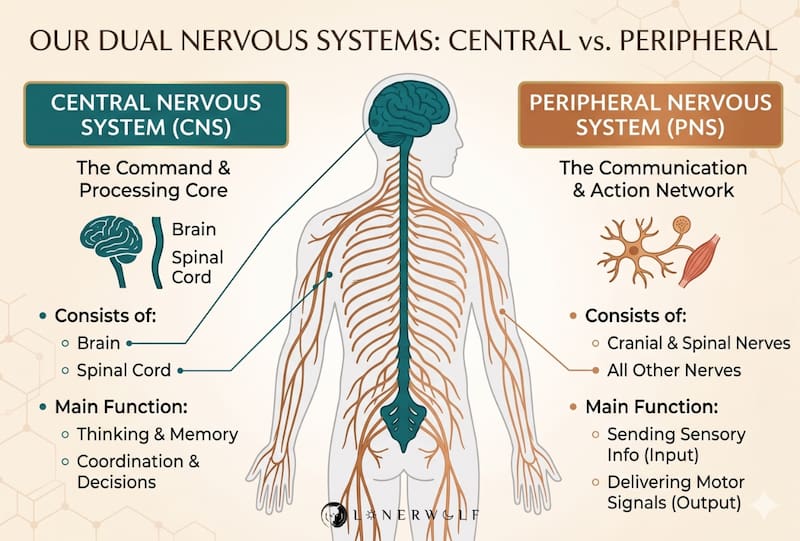
The human nervous system is broadly divided into two principal parts:
- Central Nervous System (CNS): Comprising the brain and spinal cord, the CNS serves as the command center, processing sensory information, coordinating movement, and controlling thoughts, emotions, and memory.
- Peripheral Nervous System (PNS): This vast network of nerves extends from the CNS to all other parts of the body, including muscles and organs. It acts as a communication highway, transmitting signals between the CNS and the rest of the body.
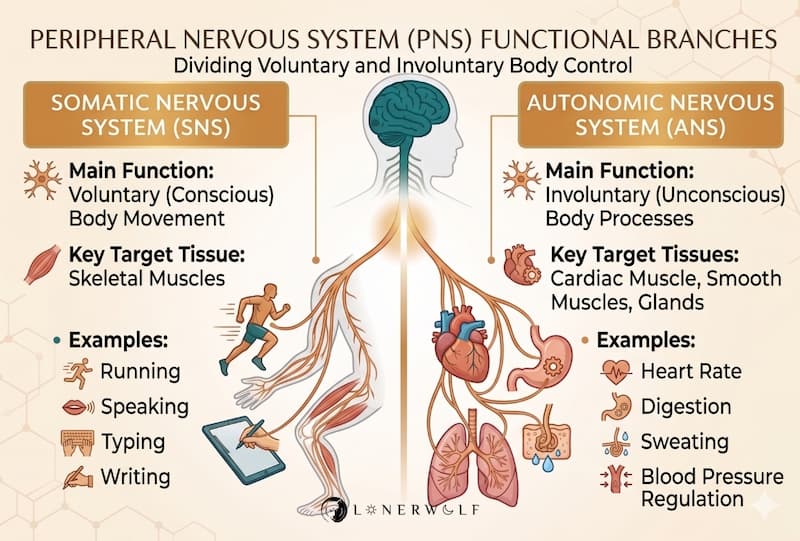
Within the PNS, there are further critical subdivisions:

- Somatic Nervous System: This branch controls voluntary movements, such as walking, typing, or speaking. It connects the CNS to skeletal muscles.
- Autonomic Nervous System (ANS): Crucially, the ANS governs involuntary bodily processes – those we don’t consciously control – like breathing, heart rate, digestion, blood pressure, and sweating. It is this system that is central to the concept of nervous system regulation.
The Dual Dance: Sympathetic vs. Parasympathetic Nervous System
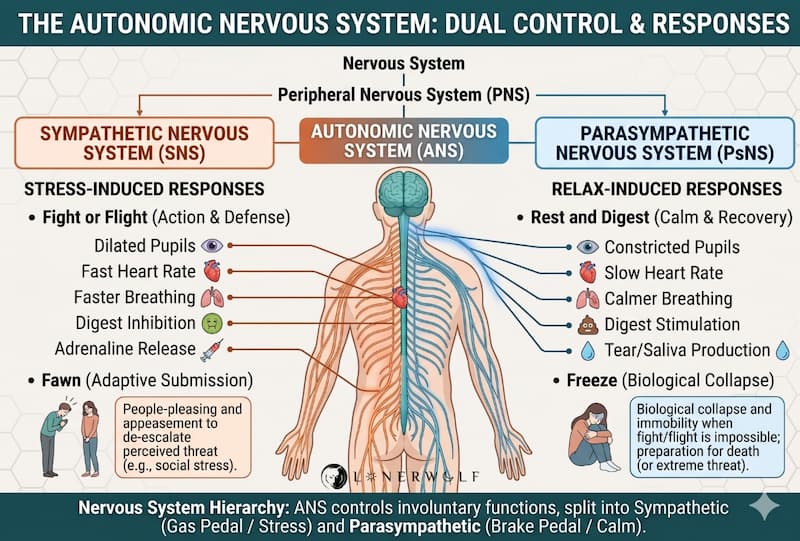
The ANS itself is further divided into two primary branches that often work in opposition, creating a dynamic balance within the body:
- Sympathetic Nervous System (SNS): Often dubbed the "fight-or-flight" system, the SNS activates when the body perceives stress, danger, or excitement. It mobilizes resources for action, increasing heart rate, dilating pupils, diverting blood flow to muscles, and releasing stress hormones like adrenaline and cortisol. In modern life, this system can be chronically activated by psychological stressors, leading to hypervigilance and exhaustion.
- Parasympathetic Nervous System (PNS): Known as the "rest-and-digest" system, the PNS promotes relaxation, conservation of energy, and bodily restoration. It slows heart rate, aids digestion, lowers blood pressure, and generally brings the body back to a state of calm and equilibrium.
When people discuss "nervous system regulation," they are primarily referring to consciously influencing and balancing the activity of these two autonomic branches, particularly shifting out of chronic SNS dominance into a more parasympathetic-dominant state.
Navigating the Autonomic Ladder: Polyvagal Theory
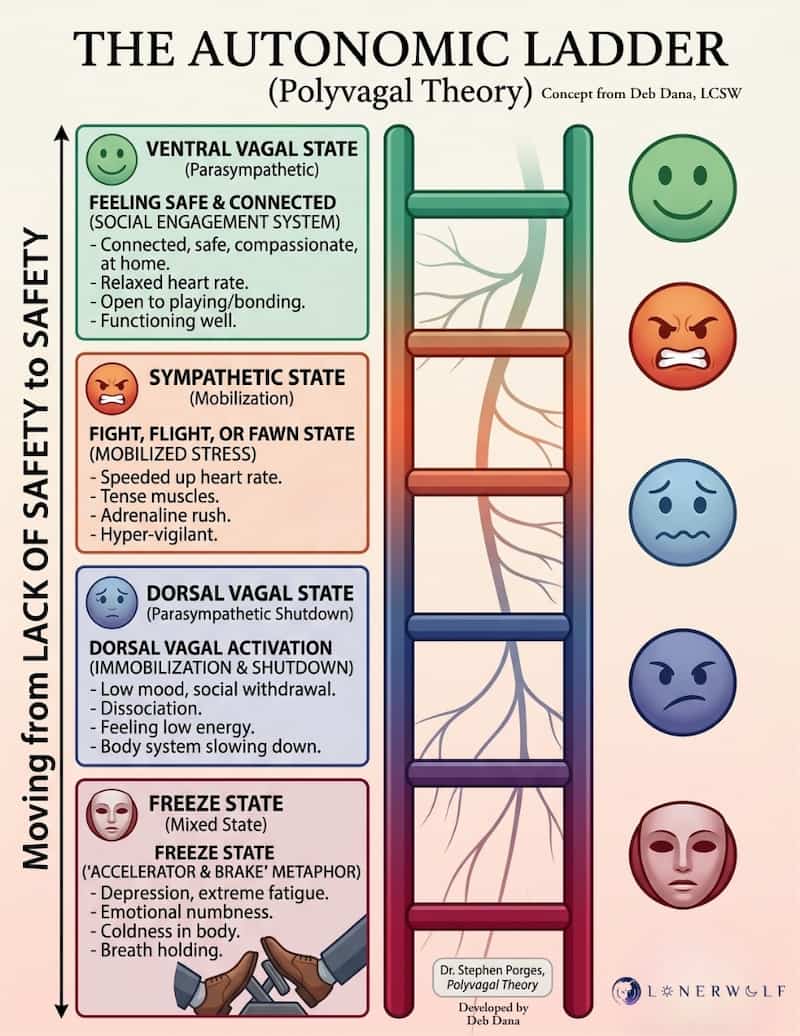
One of the most influential models for understanding nervous system responses is Dr. Stephen Porges’s Polyvagal Theory, developed in the early 1990s. This theory posits that our nervous system responds to the world in a hierarchical manner, with different states designed for varying levels of safety or threat. Deb Dana further popularized this through the concept of the "autonomic ladder," illustrating how we move between these states:
- Ventral Vagal State (Top of the Ladder): This is the state of social engagement, safety, and connection, governed by the myelinated ventral vagal complex. Here, we feel calm, present, connected, curious, and capable of empathy. Our parasympathetic system is optimally engaged.
- Sympathetic State (Middle of the Ladder): When a threat is perceived, the nervous system shifts to the sympathetic state, triggering "fight or flight" responses. We experience heightened arousal, anxiety, anger, or a strong urge to escape. Energy is mobilized for action.
- Dorsal Vagal State (Bottom of the Ladder): If fight or flight is not possible or effective, the oldest part of the vagus nerve (the unmyelinated dorsal vagal complex) takes over, leading to a "freeze" or "collapse" response. This state is characterized by numbness, dissociation, helplessness, profound fatigue, and often depression. It’s a primal survival mechanism to conserve energy and minimize pain.
- Fawn State (often associated with Sympathetic): While not a distinct vagal state, "fawn" is a common trauma response where an individual attempts to appease or people-please to avoid conflict or harm. It involves an over-adaptation to others’ needs, often at the expense of one’s own, driven by a deep-seated fear.
Learning how to regulate your nervous system means developing the capacity to recognize which state you are in, and then consciously employing practices to shift towards the ventral vagal (relaxed, connected) state. It’s about cultivating flexibility to move fluidly between all states without getting "stuck" in chronic sympathetic or dorsal vagal responses, ultimately returning to a baseline of calm and presence.
The Nervous System & Inner Work: An Inseparable Link
"Real learning can occur only in dialogue with one’s body," asserted Eugene Gendlin in Focusing. This profound truth underscores why nervous system healing, or embodiment work, is not merely complementary to inner work but its very foundation. The adage, "the issue is in the tissue," rings true; our unresolved traumas, shadows, and wounds are not confined to abstract psychological constructs. They are embodied experiences, deeply imprinted within our physiological being.
Without grounding in your body and cultivating a sense of internal safety, any endeavor to develop self-love, engage with your inner child, or befriend your shadow will be perpetually undermined and eventually sabotaged. The journey of profound psychological and spiritual healing must begin with the body.
The Body IS the Unconscious
Marilyn Ferguson famously stated, "The unconscious is the body." This powerful idea, first championed by psychoanalyst Wilhelm Reich in the 1930s, posits that our muscles, gestures, and postures are not merely physical expressions but direct reflections of unconsciously stored material, which Reich termed "body armor." Later, physician and psychotherapist Alexander Lowen expanded on this, asserting that the body is the unconscious made visible. Our physical structure, our chronic tensions, and our habitual movements are tangible manifestations of our deepest psychological patterns and unresolved experiences.
The Inner Child and Shadow Speak Through the Body
Knowing that the body holds the keys to our unconscious, it becomes clear why our inner child wounds and shadow aspects communicate through physical sensations and symptoms. As Jennifer Mann and Karden Rabin observe, "Oftentimes, nervous system dysregulation is the manifestation of wounds to our developmental self or inner child." Early relational traumas or unmet needs often lead to chronic states of vigilance or collapse, etched into our very physiology.
Furthermore, therapists Connie Zweig and Steve Wolf, in Romancing the Shadow, eloquently describe the shadow’s somatic presence: "The shadow wears the camouflage of physical symptoms. We may lie, but the body does not. We may forget an abuse, but the body does not. Like shock absorbers, our bodies absorb the wear and tear of emotional experience… Inevitably, if we do not become conscious of the shadows lodged in our muscles and cells, they begin to tell their tales." Our emotional triggers, persistent aches and pains, and ingrained stress responses are not merely inconveniences; they are potent doorways into deeper embodied healing.
Grounding: The First Skill on the Path to Regulation
Buddha wisely noted, "The body is anchored in the here and now while the mind travels into the past and future." Learning how to ground oneself is the indispensable first step in nervous system regulation. Grounding fosters embodiment – a deep, felt connection to oneself and the physical world – without which meaningful healing work becomes exceedingly difficult, if not impossible. The opposite of being grounded is dissociation, a common symptom of trauma where one feels detached from their body, emotions, or reality.
Psychiatrist Bessel Van Der Kolk, in his seminal work The Body Keeps the Score, highlights this critical point: "…trauma makes people feel like either some body else, or like no body. In order to overcome trauma, you need help to get back in touch with your body, with your Self."
Starting the work of getting grounded can involve simple yet powerful practices:
- Mindful Presence: Bring awareness to your senses – what you see, hear, smell, taste, and touch in the present moment. Notice the feeling of your feet on the floor or your body against a chair.
- Deep Breathing: Focus on slow, deep breaths, feeling your belly expand and contract.
- Movement: Engage in gentle physical activity like walking, stretching, or shaking out tension.
- Nature Connection: Spend time outdoors, feeling the sun, wind, or earth beneath your feet.
- Sensory Engagement: Hold a comforting object, savor a warm drink, or listen to calming music.
- Progressive Muscle Relaxation: Tense and then relax different muscle groups throughout your body.
These practices help anchor consciousness in the present, providing a safe container for internal exploration.
Breath as a Regulator and Anchor
Following basic grounding skills, the breath emerges as the next most powerful tool for nervous system regulation. As Alexander Lowen beautifully articulated in Bioenergetics, "…only through breathing deeply and fully can one summon the energy for a more spirited and spiritual life." Breath is intrinsically linked to life, spirit, and movement; it keeps us anchored, centered, and regulated.
Shallow, chest breathing, common in states of stress or anxiety, signals danger to the body, activating the sympathetic fight-or-flight system. Conversely, deep, diaphragmatic breathing signals safety, engaging the parasympathetic rest-and-digest system.
Many breathwork techniques exist, but the simplest and most profoundly effective involves lengthening your exhale. This directly stimulates the vagus nerve and slows the heart rate, facilitating a shift into a parasympathetic resting state.
Effective long exhale techniques include:
- 4-7-8 Breathing: Inhale for 4 counts, hold for 7, exhale for 8. Repeat several times.
- Box Breathing: Inhale for 4, hold for 4, exhale for 4, hold for 4.
- Extended Exhale: Simply make your exhale noticeably longer than your inhale, for example, inhaling for 4 and exhaling for 6-8.
- Diaphragmatic Breathing: Place one hand on your chest and one on your belly. Breathe in a way that only your belly hand moves, indicating deep, abdominal breathing.
Consistent practice of these techniques can profoundly re-pattern the nervous system’s response to stress.

The Vagus Nerve: Your Body’s Reset Button
The vagus nerve, the longest cranial nerve, is a fascinating and crucial component of our autonomic nervous system. Originating in the brainstem, it meanders through the neck and chest, reaching deep into the abdomen, innervating organs like the heart, lungs, and digestive tract. It plays a pivotal role in relaxation, digestion, and social connection, acting as a primary conduit for parasympathetic activity.
Learning to stimulate the vagus nerve is a highly effective way to calm, restore, and "reset" the body from stress. By enhancing vagal tone, we improve our body’s ability to respond to stress more flexibly and recover more quickly.
Simple, accessible ways to activate the vagus nerve include:

- Humming or Chanting: The vibrations created by humming or chanting stimulate the vagus nerve in the throat.
- Gargling: Vigorously gargling water for 30-60 seconds can also activate the vagus nerve.
- Cold Exposure: Splashing cold water on your face, taking a cold shower, or holding ice packs on your neck can trigger a vagal response.
- Deep and Slow Breathing: As mentioned, this is a primary way to engage the vagus nerve.
- Singing: Singing loudly or in a choir can have a similar effect to humming.
- Laughter: Genuine laughter is a powerful vagal stimulant, promoting relaxation and well-being.
- Mindful Movement: Practices like yoga, tai chi, and gentle stretching can improve vagal tone.
- Social Connection: Safe, meaningful social interactions stimulate the ventral vagal complex, fostering connection and calm.
These practices, integrated into daily life, can significantly enhance resilience to stress and promote overall well-being.
Releasing What the Body Holds: Somatic & Physical Approaches
"The body remembers, the bones remember, the joints remember, even the little finger remembers," writes Clarissa Pinkola Estes in Women Who Run With the Wolves. "Memory is lodged in pictures and feelings in the cells themselves. Like a sponge filled with water, anywhere the flesh is pressed, wrung, even touched lightly, a memory may flow out in a stream."
While grounding, breathwork, and vagal stimulation are powerful, years of deeply embedded stress and trauma can metastasize within our flesh, requiring more targeted release. This is where various somatic and physical approaches become invaluable. Modalities such as Somatic Experiencing, Hakomi, myofascial release, Rolfing, Feldenkrais, and various forms of bodywork are designed to help the body discharge stored tension and unprocessed emotional energy.
Understanding the type of muscle tension or chronic pain can offer clues to its underlying emotional roots. For instance:
- Neck and Shoulder Pain: Often linked to carrying burdens, stress, or resisting change ("pain in the neck" situations). Therapeutic massage, yoga, or even expressive vocal release like screaming can be beneficial.
- Jaw Clenching: Frequently associated with repressed anger, unexpressed words, or chronic tension. Jaw massage, mindful relaxation, or practices that encourage vocal expression can help.
- Stomach Issues: May reflect un"stomach"ed experiences, anxiety, or emotional processing difficulties. Acupuncture, dietary changes, and gut-brain axis support can be crucial.
- Lower Back Pain: Can be tied to feelings of lack of support, insecurity, or carrying emotional weight. Core strengthening, therapeutic movement, and addressing underlying emotional burdens are often helpful.
These approaches recognize that the body is not just a passive vessel but an active participant in our psychological landscape, capable of both holding and releasing profound experiences.
Creative & Expressive Regulation
For those with sensitive and artistic temperaments, creativity offers a potent avenue for self-expression, processing old traumas, and regulating the nervous system. D. H. Lawrence articulated this beautifully: "My belief is in the blood and flesh as being wiser than the intellect. The body-unconscious is where life bubbles up in us. It is how we know that we are alive, alive to the depths of our souls and in touch somewhere with the vivid reaches of the cosmos."

Engaging in drawing, sculpting, painting, scrapbooking, crafting, dancing, playing music, or writing bypasses the analytical mind, drawing us into our hearts and bodies. This provides a non-verbal channel for emotional release and the processing of unconscious material, simultaneously forging a powerful mind-body connection. The act of creating, whether it’s putting pen to paper, molding clay, or moving freely, brings us alive and gives voice to the soul’s unspoken narratives. Art therapy ideas, dance-movement therapy, or expressive writing prompts can be incredibly beneficial for this form of somatic release and integration. The "flow state" often achieved in creative pursuits is itself deeply regulating for the nervous system.
Nervous System Regulation as a Spiritual Path
It is imperative to clarify: nervous system regulation is far more than a mere technique to be appended to other self-improvement practices. It is the fundamental bedrock upon which all authentic inner work and spiritual growth must stand. Moreover, the body itself can become our most direct and profound spiritual path.
Zen master Thich Nhat Hanh, in Awakening of the Heart, underscored this, stating, "You may think somehow that being aware of your body is not an important spiritual practice, but that is not correct. Any physiological, psychological, or physical phenomenon can be a door to full realization."

Embodied spirituality represents the most authentic form of spiritual engagement, rooted in the concrete reality of our here-and-now existence. It transcends abstract spiritual concepts, becoming a felt, lived experience expressed through the body. When practitioners speak of "integration" as vital to healing, they are invariably referring to embodying the message – literally bringing insights and shifts into the body.
This work is not an optional extra; it is the essential first step in the journey of healing and soul recovery. For sensitive individuals, understanding and regulating the nervous system is particularly crucial, as their heightened sensory input can lead to chronic overstimulation.
Conclusion: Your Body is Wise Beyond Measure
In The Power of Focusing, Ann Weiser Cornell encapsulates the profound wisdom residing within us: "The truth is that our bodies are wise in many ways hardly ever acknowledged by our culture. Our bodies carry knowledge about how we are living our lives, about what we need to be more fully ourselves, about what we value and believe, about what has hurt us emotionally and how to heal it. Our bodies know which people around us are the ones who bring out the best in us, and which people deplete and diminish us. Our bodies know what is the right next step to bring us to more fulfilling and rewarding lives."

Learning how to regulate your nervous system is not just the optimal starting point for healing; it is a direct conduit to this deep, inherent wisdom. When we cultivate a relationship of conscious awareness and care with our bodies, we return home to the present moment. We become more embodied, more ensouled, and ultimately, more vibrantly alive. This journey invites us to listen to the whispers of our blood, to decode the secret language of our tissues, and to reclaim the innate resilience and profound wisdom that resides within our very being.