Locus Bestsellers for November 2026: A Deep Dive into the Shifting Tides of Speculative Fiction
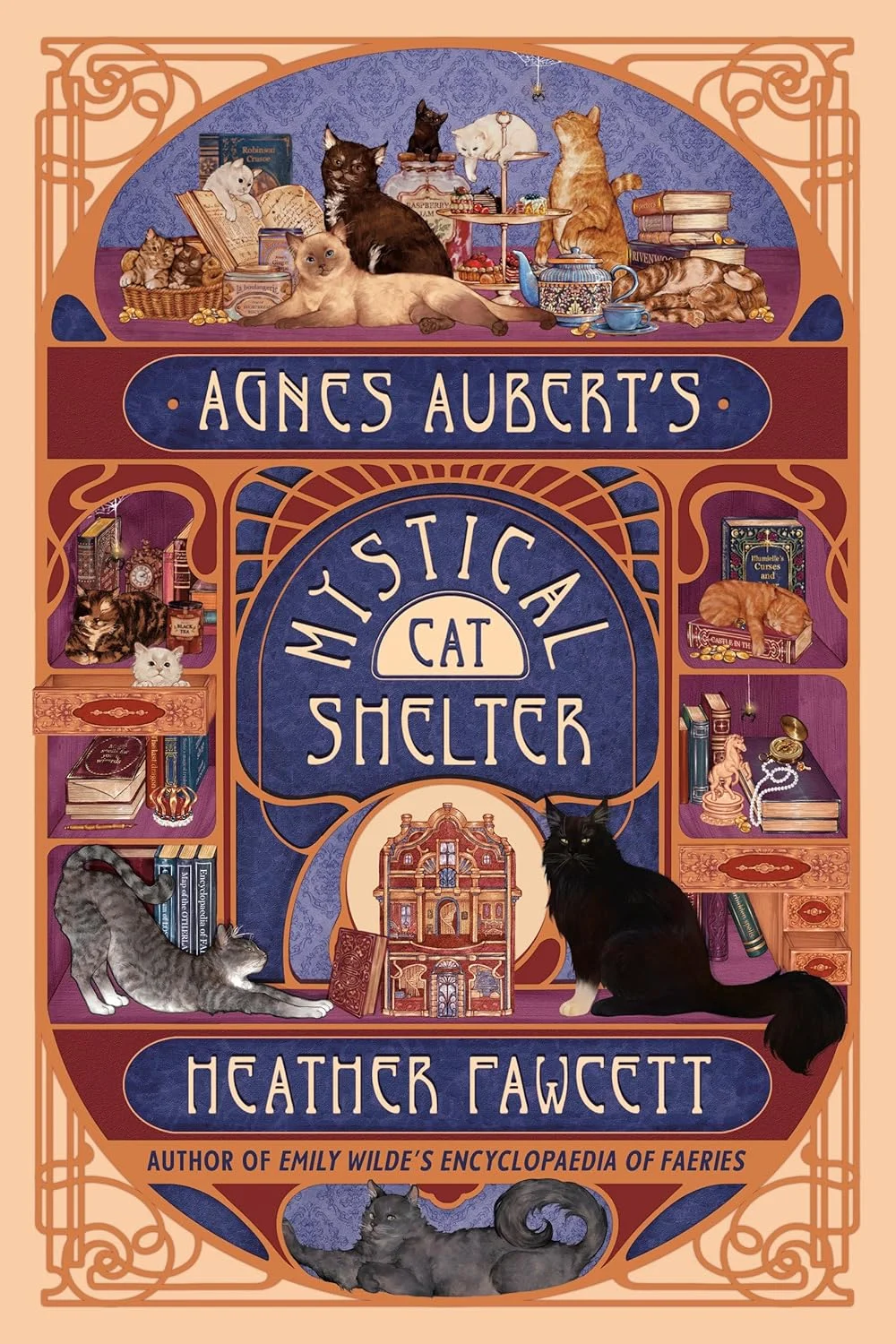
OAKLAND, CA – November 2026 – The latest Locus Bestsellers list, reflecting sales data from March 2026, paints a vibrant and dynamic picture of the speculative fiction landscape. This month’s rankings reveal a fascinating interplay between emerging subgenres, perennial favorites, and the enduring power of established franchises. Heather Fawcett’s "Agnes Aubert’s Mystical Cat Shelter" (Del Rey) has claimed the top spot in Hardcovers, demonstrating the burgeoning appeal of cozy fantasy. Meanwhile, Andy Weir’s celebrated "Project Hail Mary" (Ballantine) has reclaimed its throne in Trade Paperbacks, showcasing its remarkable longevity. In the Media-Related and Gaming-Related category, Dan Abnett’s "Warhammer 40,000: The Horus Heresy: Horus Rising" (Black Library) continues its imperial reign, underscoring the formidable influence of tie-in fiction.
The Locus Bestsellers list, compiled monthly from a curated selection of independent bookstores specializing in science fiction, fantasy, and horror, offers a unique snapshot of what genre readers are actively purchasing. Unlike broader commercial lists, Locus provides an invaluable, focused insight into the core readership of these imaginative genres, often highlighting trends before they fully permeate mainstream consciousness. This month’s data underscores several compelling narratives: the continued ascendance of LitRPG, the consistent performance of beloved authors, and the unwavering demand for rich, expansive fictional universes.
Main Facts: A Triumvirate of Genre Dominance
The November 2026 Locus Bestsellers are headlined by three distinct yet equally compelling titles across their respective categories. Heather Fawcett’s "Agnes Aubert’s Mystical Cat Shelter" emerged as the undisputed leader in Hardcovers, a testament to the growing appetite for "cozy fantasy" – a subgenre characterized by low stakes, comforting atmospheres, and often magical elements intertwined with everyday life. This whimsical tale, published by Del Rey, ascended significantly from its previous position, capturing the imagination of readers seeking enchantment and solace.
In the Trade Paperbacks category, Andy Weir’s "Project Hail Mary" (Ballantine) reaffirmed its status as a modern classic, returning to the number one position. Its continued presence and consistent high ranking speak volumes about its widespread appeal and the enduring quality of Weir’s signature blend of scientific accuracy, compelling narrative, and witty humor. This remarkable performance, seventeen months after its initial release, cements its place as a genre staple.

The Media-Related and Gaming-Related list saw a familiar champion in Dan Abnett’s "Warhammer 40,000: The Horus Heresy: Horus Rising" (Black Library). This cornerstone of the vast Warhammer 40,000 universe continues to draw in fans, demonstrating the immense gravitational pull of a well-established, lore-rich franchise. Abnett’s pioneering work in expanding the grimdark future of Warhammer remains a critical entry point for many into the sprawling saga.
Hardcover Highlights: Cozy Cats and Dungeon Crawlers
The Hardcover list for November 2026 presented a fascinating blend of subgenre successes. Following "Agnes Aubert’s Mystical Cat Shelter" at number one, the list was notably dominated by Matt Dinniman’s "Dungeon Crawler Carl" series (Ace). Dinniman’s works secured an astonishing five spots within the top ten: "The Butcher’s Masquerade" at number two, "Carl’s Doomsday Scenario" at number three, "The Eye of the Bedlam Bride" at number four, "The Gate of the Feral Gods" at a shared spot, and "The Dungeon Anarchist’s Cookbook" at number nine. This unprecedented saturation highlights the explosive popularity of the LitRPG genre, particularly Dinniman’s unique and darkly humorous take on it. His ability to consistently land multiple titles on the list suggests a dedicated and rapidly expanding fanbase eager for each new installment.
Other significant hardcover entries included qntm’s "There Is No Antimemetics Division" (Ballantine), a mind-bending entry that jumped significantly to a shared spot, and Christopher Buehlman’s horror novel "Between Two Fires" (Nightfire), making its debut on the list. T. Kingfisher’s "Nine Goblins" (Tordotcom), a "low fantasy" tale, also entered the charts, while Briar Boleyn’s "The Wings That Bind" (Mira), a dark academia adventure, rounded out the top ten. The hardcover category saw 55 nominated titles, maintaining the same level of competition as the previous month.
Trade Paperback Powerhouses: Enduring Journeys and Epic Romances
The Trade Paperback list saw a shake-up at the top, with "Project Hail Mary" by Andy Weir displacing last month’s leader, "Dungeon Crawler Carl" by Matt Dinniman, which now holds the second position. Dinniman’s presence here, alongside his hardcover dominance, further solidifies his status as a breakout author in speculative fiction.

The list also featured several long-standing genre titans. Sarah J. Maas’s "A Court of Thorns and Roses" (Bloomsbury US) made a remarkable return, hitting its 44th month on the list, a testament to the unyielding popularity of the YA fantasy romance phenomenon. Adrian Tchaikovsky’s "Children of Time" (Orbit US) continued its impressive run at 17 months, demonstrating the lasting appeal of intelligent, epic science fiction. Pierce Brown’s "Red Rising" (Del Rey) marked its 12th month, and Susanna Clarke’s "Piranesi" (Bloomsbury US) its 14th, reinforcing the enduring quality of well-crafted narratives across diverse subgenres.
Newcomers to the trade paperback list included Greer Stothers’s "Apparently, Sir Cameron Needs to Die" (Titan), Robert Jackson Bennett’s "The Tainted Cup" (Del Rey), Brandon Sanderson’s "Mistborn" (Tor), and Demi Winters’s "The Road of Bones" (Dell). The trade paperback category saw a slight dip in nominated titles, from 74 last month to 55 this month, suggesting a potential consolidation of sales around established bestsellers or a temporary lull in new releases gaining significant traction.
Media and Gaming-Related: The Undisputed Reign of Warhammer 40,000
The Media-Related and Gaming-Related category was notably concise, featuring only two titles, both by the prolific Dan Abnett. "Warhammer 40,000: The Horus Heresy: Horus Rising" (Black Library) secured the top spot for its sixth month on the list, followed by "Warhammer 40,000: Eisenhorn: The Omnibus" (Black Library) in second place, now in its fifth month. This concentrated dominance by a single author within a single universe highlights the immense and dedicated fanbase that tie-in fiction, particularly from iconic gaming franchises, commands. The category saw 22 nominated titles for the third consecutive month, indicating a steady flow of new content within this niche but passionate market.
Chronology: Tracing the Rise and Sustenance of Bestsellers
The Locus Bestsellers for November 2026 are not merely a static snapshot but rather a dynamic representation of ongoing trends and reader engagement. The ascent of "Agnes Aubert’s Mystical Cat Shelter" to the hardcover apex in just its second month on the list, moving from number five, signifies a strong upward trajectory for Heather Fawcett’s work and the broader cozy fantasy movement. This subgenre, often characterized by its gentle escapism and focus on comfort over conflict, has been steadily gaining traction, offering a counterpoint to the darker, more epic narratives prevalent in fantasy. Fawcett’s rapid climb suggests a growing audience actively seeking out these lighter, heartwarming stories.

Similarly, the sustained presence of Matt Dinniman’s "Dungeon Crawler Carl" series is a chronological marvel. While "Dungeon Crawler Carl" itself dipped to number two in trade paperback after a month at the top, the sheer number of its companion novels dominating the hardcover list is unprecedented. These titles – "The Butcher’s Masquerade," "Carl’s Doomsday Scenario," "The Eye of the Bedlam Bride," "The Gate of the Feral Gods," and "The Dungeon Anarchist’s Cookbook" – are relatively recent entries to traditional publishing, having often gained initial fame through online serials and audiobooks. Their rapid transition and immediate impact on hardcover sales demonstrate a powerful reader migration from digital platforms to physical books, driven by a desire to collect and display these beloved stories. The "Dungeon Crawler Carl" phenomenon is a clear indicator of LitRPG’s maturation and its ability to compete fiercely in the traditional publishing market.
Andy Weir’s "Project Hail Mary" continuing its impressive 17-month run on the trade paperback list, often at or near the top, speaks to a different kind of longevity. This is not the rapid surge of a new phenomenon but the sustained admiration for a meticulously crafted, universally appealing story. Its journey from hardcover success to a perennial trade paperback bestseller underscores its status as a crossover hit that transcends traditional genre boundaries, appealing to a broad readership with its blend of scientific ingenuity and human resilience.
The consistency of Dan Abnett’s "Warhammer 40,000" novels is another testament to enduring appeal. "Horus Rising," a foundational text in the Horus Heresy series, has been on the list for six months, while "Eisenhorn: The Omnibus" for five. These books are entry points into a vast, complex universe that has captivated fans for decades through tabletop gaming, video games, and a colossal literary output. Their continued presence reflects not just the quality of Abnett’s writing but also the fervent dedication of the Warhammer fanbase, who eagerly consume new and classic narratives to deepen their understanding of this grimdark cosmos. The stability of 22 nominated titles in this category for three consecutive months further emphasizes the consistent output and demand within media-related fiction.
Finally, the long-term presence of titles like "A Court of Thorns and Roses" (44 months), "Children of Time" (17 months), "Red Rising" (12 months), and "Piranesi" (14 months) illustrates the power of word-of-mouth, strong series continuity, and critical acclaim. These books have become foundational texts within their respective subgenres, recommended widely and continuously sought out by new readers discovering their worlds. Their ability to remain on the Locus list for such extended periods is a significant indicator of their sustained cultural impact and commercial viability.

Supporting Data: A Granular Look at Market Performance
The detailed data provided by Locus offers a nuanced understanding of market dynamics. In the hardcover category, "Agnes Aubert’s Mystical Cat Shelter" moving from fifth to first place in its second month on the list with a "decisive lead" over its runner-up, "The Butcher’s Masquerade," indicates a strong surge in reader interest and sales momentum. This isn’t just a gradual climb but a significant leap, suggesting effective marketing, positive reviews, and enthusiastic word-of-mouth.
The extraordinary performance of Matt Dinniman, with five hardcover titles charting simultaneously, is statistically remarkable. "The Butcher’s Masquerade" debuting at number two, and "The Eye of the Bedlam Bride" at number four, alongside "Carl’s Doomsday Scenario" (3rd month, down from 2nd), "The Gate of the Feral Gods" (5th month, up from 7th), and "The Dungeon Anarchist’s Cookbook" (3rd month, up from 9th), points to an insatiable demand for his work. The "Dungeon Crawler Carl" series, initially an independent publishing success, has clearly found a massive audience through Ace, demonstrating the publisher’s successful strategy in bringing web-native content to a broader traditional market. The consistency of 55 nominated titles in hardcovers month-over-month suggests a stable flow of new and noteworthy releases vying for reader attention in this format.
For trade paperbacks, "Project Hail Mary" (17 months on list, up from 2nd) reclaiming the top spot from "Dungeon Crawler Carl" (3 months on list, down from 1st) indicates a fierce but healthy competition. The 17-month tenure of "Project Hail Mary" is particularly impressive, signifying that its appeal has not waned since its initial release. The drop in nominated titles from 74 to 55 in trade paperbacks might reflect a seasonal adjustment or perhaps a market where a smaller number of strong titles are capturing a larger share of sales, making it harder for new entries to break through. However, the presence of titles like "A Court of Thorns and Roses" at 44 months and "Children of Time" at 17 months, often without new runners-up being mentioned, underscores the deeply entrenched nature of these long-term bestsellers. Their continued sales ensure they remain a significant force in the market.
The Media-Related and Gaming-Related list’s brevity, with only two titles and both by the same author, speaks to a highly concentrated market segment. Dan Abnett’s "Warhammer 40,000" books are not just selling well; they are dominating this niche entirely within the Locus data. The consistent 22 nominated titles for three months in a row, despite only two charting, implies that while there’s a steady stream of tie-in fiction, only a select few are breaking through to significant sales, often those with deep ties to the most popular and long-running franchises.

The data compilation from a diverse set of independent bookstores across North America (Bakka-Phoenix, Book Moon, Borderlands, McNally Robinson, Mysterious Galaxy, Toadstool, White Dwarf) provides a robust and geographically varied dataset. This network of specialized retailers offers a counterpoint to mass-market lists, capturing the tastes of dedicated genre enthusiasts and often highlighting titles that resonate strongly within these communities.
Official Responses: Industry Observations and Publisher Strategies
While the Locus report does not include direct quotes or "official responses" from publishers or authors, the sales data itself serves as a powerful indicator of successful strategies and evolving industry trends. The dominance of "Agnes Aubert’s Mystical Cat Shelter" suggests that publishers like Del Rey are wisely investing in the burgeoning "cozy fantasy" market. This subgenre often thrives on online communities and word-of-mouth, indicating that publishers are becoming more adept at identifying and cultivating these niche but rapidly growing reader segments. The strong performance validates the strategy of offering diverse fantasy experiences beyond the traditional epic or grimdark narratives.
Ace’s extraordinary success with Matt Dinniman’s "Dungeon Crawler Carl" series is a clear testament to the efficacy of bringing established web novel and audiobook phenomena into traditional print. This move capitalizes on an already fervent fanbase, converting digital readership into tangible book sales. The rapid release schedule and consistent quality of Dinniman’s work, coupled with Ace’s distribution power, have created a publishing juggernaut. This trend is likely to encourage other traditional publishers to scout and acquire successful independent or web-based genre fiction, particularly in the LitRPG and Progression Fantasy spaces.
Ballantine’s continued success with "Project Hail Mary" and "There Is No Antimemetics Division" highlights their ability to nurture both established bestsellers and cultivate unique, critically acclaimed works. "Project Hail Mary" demonstrates the enduring commercial power of a well-executed standalone science fiction novel, proving that not every success needs to be part of a sprawling series. Its sustained sales likely inform marketing strategies for other high-concept science fiction. The rise of "There Is No Antimemetics Division," a book with roots in online fiction (SCP Foundation), further indicates a willingness to embrace narratives from less conventional origins, tapping into ready-made, engaged fanbases.

Black Library’s continued dominance in the media-related category with Dan Abnett’s "Warhammer 40,000" titles underscores the unparalleled strength of intellectual property-driven fiction. These books are not just novels; they are extensions of beloved games and universes. Publishers like Black Library understand the unique relationship between fans and their cherished franchises, meticulously crafting stories that deepen the lore and engage dedicated enthusiasts. The consistent nomination count in this category, despite limited charting, suggests a healthy ecosystem of tie-in fiction, with the cream of the crop, like Abnett’s foundational works, consistently rising to the top. This reinforces the importance of long-term author relationships and strategic content development within established IPs.
Implications: Shaping the Future of Speculative Fiction
The November 2026 Locus Bestsellers list carries significant implications for the future direction of speculative fiction publishing and reader preferences.
Firstly, the robust performance of both "Agnes Aubert’s Mystical Cat Shelter" and the "Dungeon Crawler Carl" series signals a broadening of genre appeal. Cozy fantasy and LitRPG are no longer niche subgenres; they are becoming mainstream forces within speculative fiction. This trend suggests that readers are increasingly seeking diverse forms of escapism, from comforting, low-stakes magic to immersive, game-like narratives. Publishers who ignore these burgeoning categories risk missing out on significant market segments. The success of these subgenres also hints at the power of online communities and digital platforms in incubating new literary movements.
Secondly, the enduring presence of titles like "Project Hail Mary," "A Court of Thorns and Roses," "Children of Time," and "Red Rising" emphasizes the critical importance of sustained quality and series longevity. These books have transcended their initial release cycles to become perpetual bestsellers, demonstrating that strong storytelling, compelling characters, and expansive world-building create loyal, long-term readerships. For authors and publishers, this reinforces the value of building enduring fictional universes and investing in ongoing series.

Thirdly, the consistent dominance of "Warhammer 40,000" titles highlights the unshakeable power of established media franchises in the literary world. Tie-in fiction, when handled by skilled authors like Dan Abnett, can be incredibly lucrative and serve as a vital entry point for new fans into a universe, while also satisfying the hunger of existing devotees for deeper lore. This suggests a continued strong market for well-written books that expand beloved gaming, film, or comic book properties.
Finally, the data itself, derived from independent bookstores, provides a crucial counter-narrative to broader, more generalized bestseller lists. It underscores the vital role of specialized retailers in championing genre fiction and reflecting the authentic preferences of dedicated readers. The Locus list, therefore, serves not just as a ranking but as a barometer of the core speculative fiction market, influencing acquisitions, marketing strategies, and ultimately, the literary landscape of tomorrow. The slight decrease in nominated trade paperback titles might also suggest a tightening market where only the most impactful releases gain significant traction, compelling publishers to be more strategic with their offerings.
In conclusion, the November 2026 Locus Bestsellers list is a testament to the vibrant health and dynamic evolution of speculative fiction. From the enchanting simplicity of cozy fantasy to the complex mechanics of LitRPG and the grim grandeur of tie-in epics, the genre continues to innovate and captivate. These trends not only reflect current reader tastes but also lay the groundwork for the next wave of literary successes in the imaginative realms of science fiction and fantasy.