The Genesis of Two Titans: Revisiting the Raw Brilliance of "Stuart: A Life Backwards"
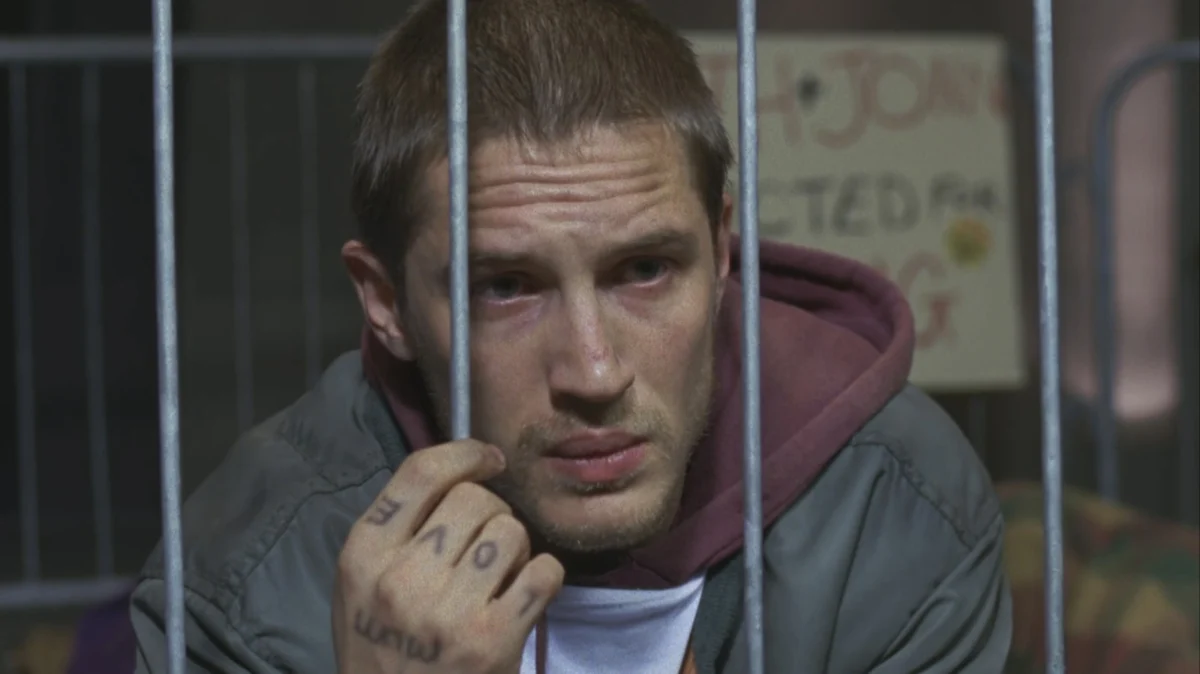
In the contemporary cinematic landscape, the names Tom Hardy and Benedict Cumberbatch carry immense gravitational pull. One is a chameleon of physical transformation and idiosyncratic vocal choices, known for inhabiting roles as diverse as the symbiotic anti-hero Venom and the silent, brooding Max Rockatansky. The other is the quintessential intellectual lead, having defined a generation’s vision of Sherlock Holmes and brought a sense of cosmic gravity to the Marvel Cinematic Universe as Doctor Strange. However, long before they were anchors of multi-billion-dollar franchises, these two British powerhouses shared the screen in a production that remains one of the most visceral and overlooked entries in their respective filmographies: the 2007 BBC/HBO television film, Stuart: A Life Backwards.
Directed by the late David Attwood and based on the award-winning biography by Alexander Masters, the film serves as more than just a historical curiosity for fans of its stars. It is a devastatingly honest exploration of homelessness, disability, and the systemic failures of social care, told through a narrative lens that is as innovative as it is heartbreaking.
Main Facts: A Narrative Deconstruction of a Human Life
Stuart: A Life Backwards is a biographical drama that chronicles the unlikely friendship between Alexander Masters (Cumberbatch), a somewhat sheltered academic and writer, and Stuart Clive Shorter (Hardy), a homeless man with a volatile personality and a traumatic past. The film’s title and structure are derived from a suggestion made by the real Stuart Shorter himself. Upon reading early drafts of Masters’ biography, Shorter remarked that the story was too dull and suggested it be written "backwards," like a "Tom Clancy murder mystery," to answer a singular, haunting question: What murdered the boy he once was?
Consequently, the film begins with Stuart as a weathered, chaotic adult and meticulously peels back the layers of his life. It moves from his days as a homeless activist in Cambridge, through his frequent incarcerations and struggles with addiction, eventually reaching the root of his trauma in a childhood marred by sexual abuse and the physical limitations of muscular dystrophy.
The production was a collaborative effort between the BBC and HBO, signaling the high regard for the source material. It was produced by Neal Street Productions, the company co-founded by Academy Award-winner Sam Mendes, marking their first major foray into television. While it did not achieve the global "watercooler" status of later HBO hits, it garnered critical acclaim, particularly for Tom Hardy’s transformative performance, which earned him a BAFTA nomination for Best Actor.
Chronology: From the Streets of Cambridge to the Silver Screen
The Real-Life Foundation (1968–2002)
The story of the film begins with the real Stuart Shorter, born in 1968. Shorter’s life was a gauntlet of adversity; he was born with a form of muscular dystrophy and suffered horrific sexual abuse at the hands of a family member and others during his youth. These early traumas precipitated a life of "revolving door" institutionalization, encompassing foster care, young offender institutes, and adult prisons. Despite a diagnosis of borderline personality disorder and a history of self-harm and violence, Shorter possessed a sharp, dark wit and a keen sense of justice. In the late 1990s, he became a pivotal figure in the campaign to free Ruth Wyner and John Brock, two homeless shelter workers who were controversially imprisoned. It was during this campaign that he met Alexander Masters.
The Literary Phenomenon (2005)
Following Shorter’s death in 2002—he was struck by a train in what was officially ruled a tragic accident, though many suspected suicide—Masters published Stuart: A Life Backwards in 2005. The book was a sensation, winning the Guardian First Book Award and the Hawthornden Prize. It was praised for its refusal to sentimentalize Shorter, instead presenting him as a complex, often difficult, but deeply human individual.
The Film Adaptation (2007)
The BBC and HBO quickly moved to adapt the book. David Attwood, who had recently worked with Cumberbatch on the miniseries To the Ends of the Earth, was brought on to direct. The casting of Hardy and Cumberbatch was a masterstroke of "pre-fame" scouting. At the time, Hardy was still finding his footing after a supporting role in Star Trek: Nemesis, and Cumberbatch was largely known for stage work and his portrayal of Stephen Hawking in a 2004 TV movie. The film aired in September 2007, providing a stark, uncompromising look at British social fringes.
Supporting Data: Critical Reception and Career Impact
The impact of Stuart: A Life Backwards can be measured through both its critical accolades and its influence on the careers of its leads.
Tom Hardy’s Breakthrough:
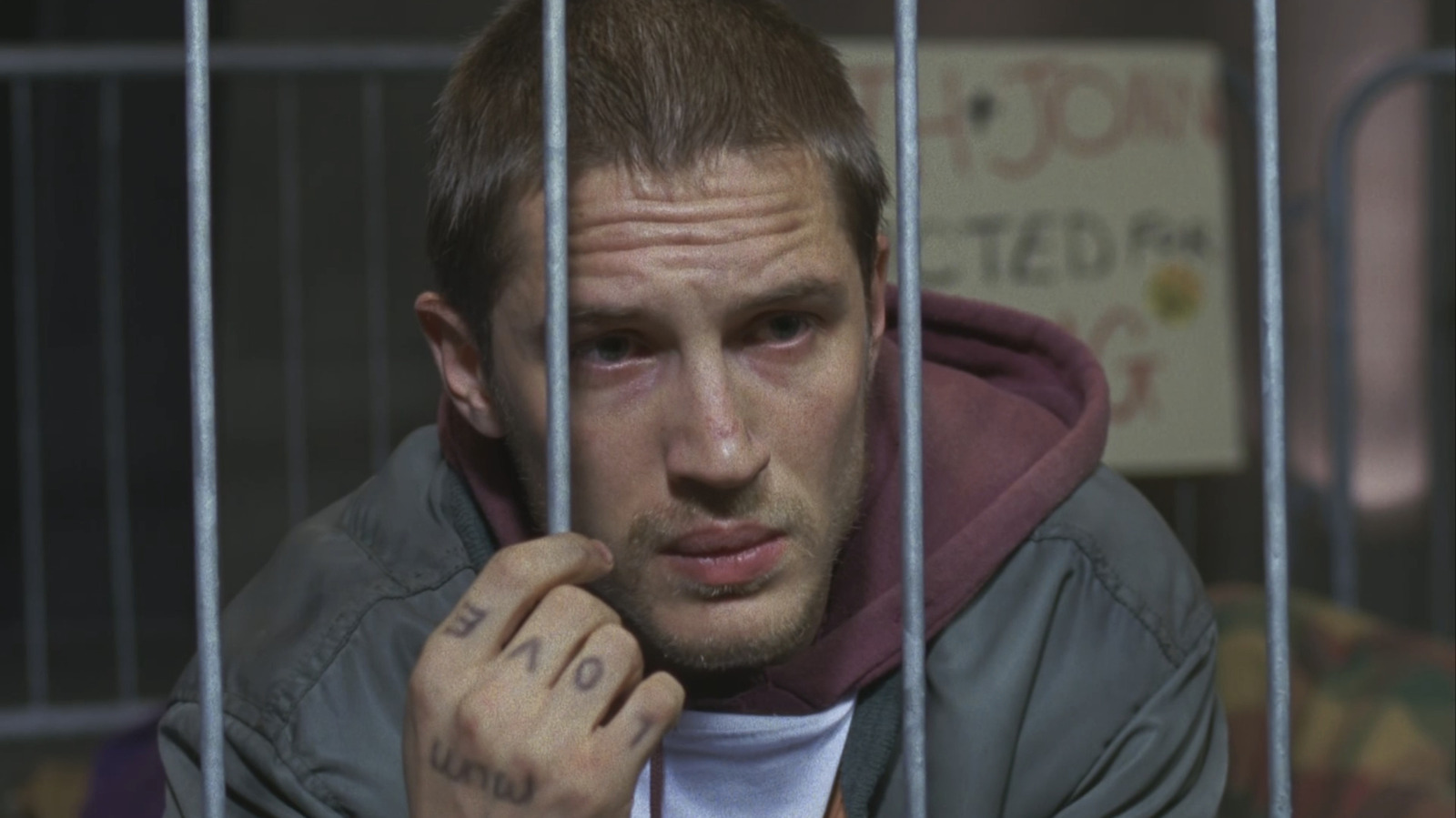
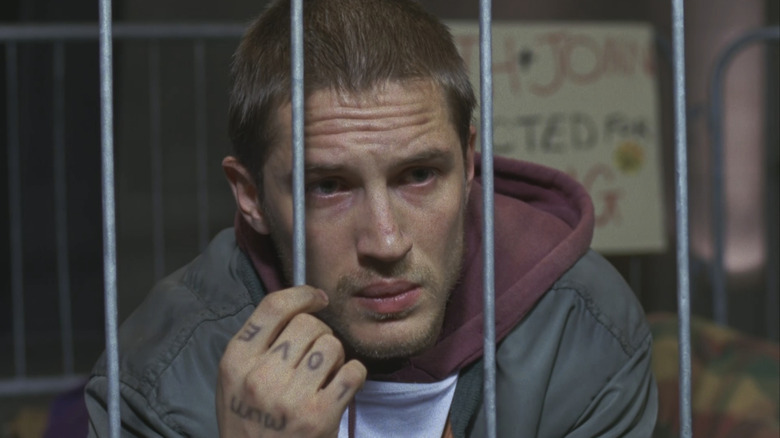
While Hardy’s performance in the 2008 film Bronson is often cited as his "breakout" role, his portrayal of Stuart Shorter was the true precursor. Hardy utilized a distinctive, slurred vocal pattern and a hunched, spasmodic physicality to represent Shorter’s muscular dystrophy and internal turmoil. This "method" approach—merging physical deformity with intense emotional vulnerability—became a hallmark of his career. His 2008 BAFTA nomination for Best Actor placed him alongside veterans like Anthony Hopkins, a testament to the power of his performance.
Benedict Cumberbatch’s Range:
For Cumberbatch, the role of Alexander Masters required a different kind of skill: the ability to play the "audience surrogate." He portrays Masters with a mix of intellectual curiosity, awkwardness, and eventual deep-seated empathy. It showcased his ability to play "everyman" characters before he became synonymous with hyper-intelligent "high-functioning sociopaths."
Social Reach:
According to Neal Street Productions, the film’s utility extended beyond entertainment. Following its broadcast, the film was distributed to schools, universities, and charities across the UK. It became a pedagogical tool for discussing homelessness and mental health, fulfilling Shorter’s own wish that his life might serve as a cautionary and educational tale.
Official Responses and Ethical Debates
Despite the acclaim, the project was not without its detractors or ethical complexities. Journalism and literature often face scrutiny when middle-class creators "document" the lives of the marginalized, and Stuart: A Life Backwards was no exception.
The Critique of Class Voyeurism:
Carolyn See, writing for the Washington Post, raised poignant questions regarding the power dynamics between Masters and Shorter. She highlighted a specific passage where Masters invited Shorter to a retreat to be "judged" by his well-to-do friends to see if his life was "worth a book." This critique pointed toward a potential "poverty porn" aspect—the idea that a marginalized life is only valuable if it can be consumed as narrative art by the elite.
The Family’s Perspective:
Conversely, the response from Shorter’s family was largely supportive. In a 2006 interview with The Guardian, Shorter’s sister, Zoe, noted that while the book was painful to read, it captured the essence of her brother. The production also made an effort to ensure that the profits from the book and film benefited Shorter’s family, particularly his son, which helped mitigate some of the ethical concerns regarding exploitation.
Implications: The Legacy of a "Little Seen" Masterpiece
The implications of Stuart: A Life Backwards resonate in the modern era of "prestige" television and the evolution of its stars.
The Archetype of the "Broken Hero"
The film was an early entry in the trend of deconstructing masculinity and trauma on screen. Stuart Shorter is not a "noble" victim; he is often aggressive, frustrating, and self-destructive. By presenting him in reverse, the film forces the audience to confront the "why" before they can dismiss the "what." This narrative technique has since been used in various forms to humanize those whom society has deemed "irredeemable."
A Blueprint for Future Collaborations
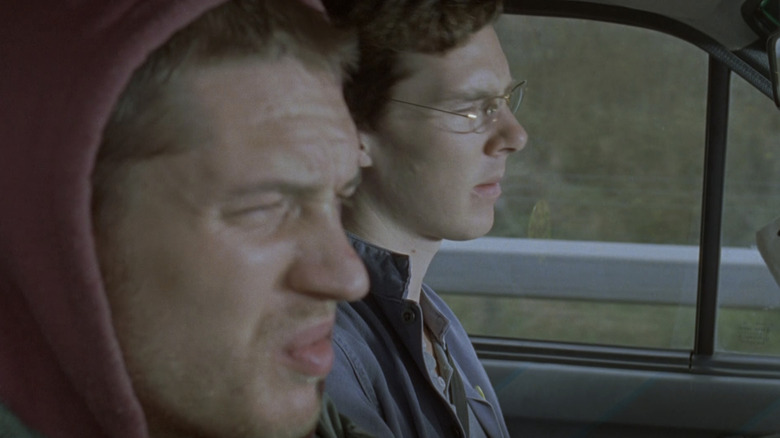
The chemistry between Hardy and Cumberbatch in this film was so palpable that it is no surprise they were reunited four years later in the 2011 spy thriller Tinker Tailor Soldier Spy. Their work in Stuart established a mutual respect for "actorly" intensity. While Hardy went on to master the physical and the guttural, and Cumberbatch mastered the precise and the cerebral, Stuart: A Life Backwards remains the unique point where their styles overlapped in a raw, unpolished, and deeply moving way.
Continued Relevance in Social Advocacy
In a contemporary climate where homelessness and mental health crises are escalating globally, the film’s depiction of the "revolving door" of the justice system remains depressingly relevant. It serves as a reminder that the individuals seen on street corners have histories that are often "murdered" by systemic neglect long before they reach the streets.
For those looking to understand the DNA of Tom Hardy’s and Benedict Cumberbatch’s talent, or for those seeking a powerful story that refuses to look away from the darkness of the human experience, Stuart: A Life Backwards is essential viewing. It is currently available for streaming on HBO Max, offering a chance for a new generation to discover this tragic, powerful, and ultimately necessary piece of television history.