The Great Funny Page Realignment: Tracking the Global Replacement of ‘Big Nate’

The landscape of the American funny pages is undergoing its most significant transformation in years. Following the announcement that Lincoln Peirce, the creator behind the iconic Big Nate comic strip, would be retiring the daily iteration of the strip, newspaper editors across the country have been forced to navigate a difficult transition. As of June 2026, the "Big Nate" vacuum has triggered a high-stakes competition among syndicates and cartoonists to capture the coveted real estate previously occupied by the mischievous sixth-grader.
The retirement of a top-tier daily strip is a rare event in the modern era of syndication, where "zombie strips"—strips that continue in reruns or are written by ghostwriters long after the original creator has left—are often the norm. However, with Peirce opting for a clean break from daily production while maintaining the Sunday-only format, hundreds of newspapers have been forced to choose a successor. This shift offers a rare glimpse into the current health of the comic strip industry and the strategic priorities of major media conglomerates.
Main Facts: The State of the Transition
The search for a replacement for Big Nate has not resulted in a single, industry-wide successor. Instead, the market has fragmented, with various newspapers selecting strips that reflect their specific regional demographics or corporate strategies. According to recent tracking data from industry observers, a handful of strips have emerged as frontrunners in the race to fill Peirce’s shoes.
As it stands, the most successful replacements in terms of sheer volume and market prestige include Wallace the Brave, Baldo, and Rosebuds. Each of these strips brings a different comedic sensibility to the page, ranging from the whimsical, nature-focused adventures of Wallace the Brave to the culturally resonant family dynamics of Baldo.
The transition is further complicated by the fact that many newspapers are no longer making independent decisions. Large media chains like Advance Publications, Tribune Publishing, and the Georges Media Group are increasingly moving toward unified comics pages. When a corporate decision is made at the group level, it can result in a "big pickup"—a windfall for a cartoonist that can include dozens of papers in a single contract. Conversely, the decision by groups like CNHI to drop comics pages entirely represents a growing threat to the medium’s traditional revenue model.
Chronology: From Retirement to Replacement
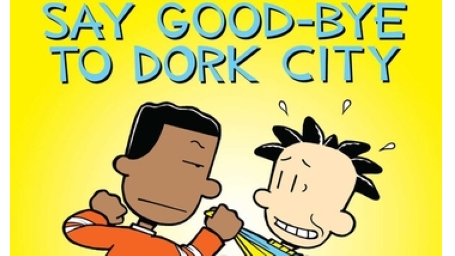
The process began in early 2025 when Lincoln Peirce first signaled his intention to scale back his workload. Big Nate, which debuted in 1991 and grew into a multi-media franchise including best-selling books and a Paramount+ animated series, had become a cornerstone of the daily funny pages.
Spring 2025 – Early 2026: The Planning Phase
Syndicates began pitching potential replacements to editors. The goal for many was to find a "kid-centric" strip that could retain the younger demographic Big Nate attracted. Strips like Wallace the Brave (syndicated by Andrews McMeel) and Breaking Cat News were positioned as modern successors to the "spirited child" archetype established by Peanuts and Calvin and Hobbes.
June 2026: The Daily Handover
As the final daily Big Nate strips circulated, the first wave of replacements was implemented.
- The Boston Globe and The Minnesota Star-Tribune opted for Wallace the Brave.
- The Dallas Morning News introduced The Grizzwells.
- The Cedar Rapids Gazette selected Baldo.
- The Anchorage Daily News pivoted to Frazz, a strip known for its witty, sophisticated humor.
Late June 2026: Corporate Consolidation
The most recent data indicates that the "Big Nate" replacement cycle is entering a second phase. This phase is defined by corporate-level decisions. While some papers, like the San Francisco Union Tribune, have gone with legacy strips like Ziggy, others are using the vacancy to experiment with digital-only offerings or, in the case of the Seattle Times, moving replacements to their digital editions exclusively.
Supporting Data: The Replacement Leaderboard
The competition to replace Big Nate has created a "leaderboard" of sorts, where the success of a strip is measured not just by the number of papers, but by the circulation and prestige of those outlets.
1. Wallace the Brave (Will Henry)
- Total New Pickups: 4 (Charleston Post and Courier, Washington Post, Minnesota Star-Tribune, The Boston Globe)
- Significance: While the number of papers is tied with others, Wallace the Brave is the "quality leader." Securing three top-ten circulation leaders (The Washington Post, The Boston Globe, and the Star-Tribune) is a massive financial win, as syndication fees are traditionally scaled to circulation size.
2. Baldo (Hector Cantú and Carlos Castellanos)
- Total New Pickups: 4 (Bozeman Daily Chronicle, Idaho Falls Post-Register, Eau Claire Leader-Telegram, Cedar Rapids Gazette)
- Significance: Baldo remains a strong contender for editors seeking a strip with a proven track record and a focus on diverse, relatable family life.
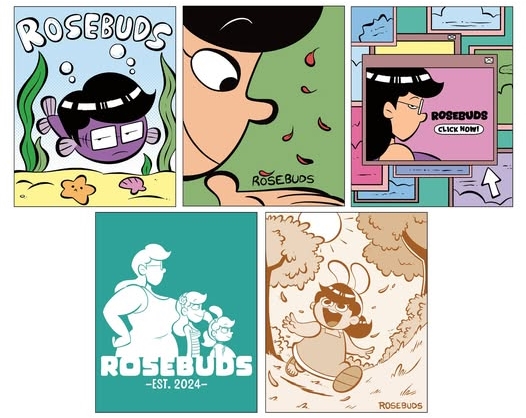
3. Rosebuds (Dee Parson)
- Total New Pickups: 4 (Georges Media Group, Marietta Daily Journal, and others)
- Significance: Rosebuds has seen a surge in interest, particularly in the Georges Media Group (which includes The Times-Picayune and The Advocate). However, its growth is tempered by the fact that two of its new papers are within the CNHI group, which is currently phasing out comics entirely.
4. Lio (Mark Tatulli)
- Total New Pickups: 3 (Chico Enterprise-Record, Orville Mercury-Register, Eureka Times Standard)
- Significance: The pantomime-style, slightly dark humor of Lio continues to find a niche in mid-sized California markets.
Other Notable Shifts:
- Adam@Home: Picked up by the Denver Post and Marin Independent Journal.
- The Grizzwells: A new addition to the Dallas Morning News.
- Brevity: Picked up by the Mon Valley Independent.
- No Replacement: The Springfield Republican has notably chosen not to fill the spot, reflecting a broader trend of shrinking comics sections.
Official Responses and Corporate Strategies
The replacement of a major strip like Big Nate highlights the diverging philosophies of the nation’s largest newspaper chains.
The Advance Publications Model
Advance Publications, which owns over two dozen newspapers, utilizes a "unified comics page." This means that a single corporate decision dictates the funny pages for all their subsidiaries. Currently, Advance is running a "promo" for the Sunday Big Nate in the daily spot. However, insiders suggest a permanent replacement is imminent. Because Advance runs a unified page, whichever strip they choose will instantly gain over 20 clients, making it the "kingmaker" of this transition cycle.
The Tribune Publishing Approach
In contrast, Tribune Publishing (which owns roughly 60 papers) does not enforce a unified page. This allows local editors at papers like the Denver Post to select strips that they feel suit their specific audience. However, some Tribune papers have opted for reruns of other strips as a "temporary" solution. This is a point of contention in the industry, as Lincoln Peirce has reportedly not authorized the syndication of Big Nate daily reruns, forcing editors to look elsewhere for content.
The CNHI Controversy
The most significant "official" move comes from CNHI (Community Newspaper Holdings, Inc.). The group recently announced it would be dropping comics pages across its entire network. This decision has been met with backlash from readers and cartoonists alike. For strips like Rosebuds, which had just gained traction in CNHI papers like the Kokomo Tribune, this move represents a "net zero" gain, as the strip is added only to be removed weeks later.
Implications for the Future of the Medium
The Big Nate transition is a microcosm of the challenges facing the American comic strip. Several key implications have emerged from this period of upheaval:

1. The "Sunday-Only" Compromise:
Lincoln Peirce’s decision to keep the Sunday strip while retiring the daily one creates a logistical headache for editors. Many papers prefer a strip that runs seven days a week for consistency. The fact that many papers are keeping Big Nate on Sundays while running a different strip Monday through Saturday suggests that Peirce’s brand remains powerful enough to overcome the inconvenience of a split schedule.
2. The Rise of the "Big Three" Chains:
The future of a cartoonist’s career now rests increasingly in the hands of three or four corporate executives rather than hundreds of individual editors. If a strip is not picked up by a unified group like Advance, it is becoming increasingly difficult to achieve the "critical mass" needed for financial viability in print syndication.
3. Digital Migration:
The Seattle Times’ decision to move the Big Nate replacement to its digital-only edition is a harbinger of things to come. As print costs rise and page counts shrink, the "funny pages" may soon exist primarily as a digital subscriber perk rather than a physical staple of the breakfast table.
4. The Search for the Next "Kid Strip":
The success of Wallace the Brave in high-circulation markets suggests that there is still a massive appetite for the "kid strip" genre—humor centered on the imagination and mischief of childhood. While Big Nate was the standard-bearer for this for three decades, the industry is clearly looking for a new voice to carry that torch into the 2030s.
As the 30-day delay on many newspaper archives expires, the full scope of the Big Nate replacement cycle will become clearer. For now, the "funny pages" remain in a state of flux, caught between the legacy of the 20th-century daily strip and the harsh economic realities of the 21st-century media landscape.