
The Resurrection of Dino Buzzati’s Masterpiece: A Deep Dive into Poem Strip
The intersection of high literature and sequential art has often produced works that defy easy categorization. When a celebrated novelist, poet, and journalist turns their hand to the "low" medium of comics, the result is frequently either a misunderstanding of the form or a transcendent expansion of it. In the case of Dino Buzzati’s Poem Strip (originally Poema a fumetti), it is emphatically the latter.
Recently released in a definitive new edition by New York Review Comics (NYRC), translated by Marina Harss with lettering by Rich Tommaso, Poem Strip stands as a haunting, psychedelic bridge between the classical past and the anxieties of the modern age. It is a work that suggests rather than depicts, offering a rhythmic, visual meditation on the nature of longing and the bureaucracy of death.
Main Facts: The Return of a Graphic Landmark
Dino Buzzati (1902–1972) was a titan of 20th-century Italian literature, often described as the "Italian Kafka." Best known for his 1940 novel The Tartar Steppe, Buzzati’s work was characterized by a sense of surrealist dread and the existential weight of waiting. However, late in his career, Buzzati pivoted to a medium that many of his literary contemporaries looked upon with disdain: the comic strip.
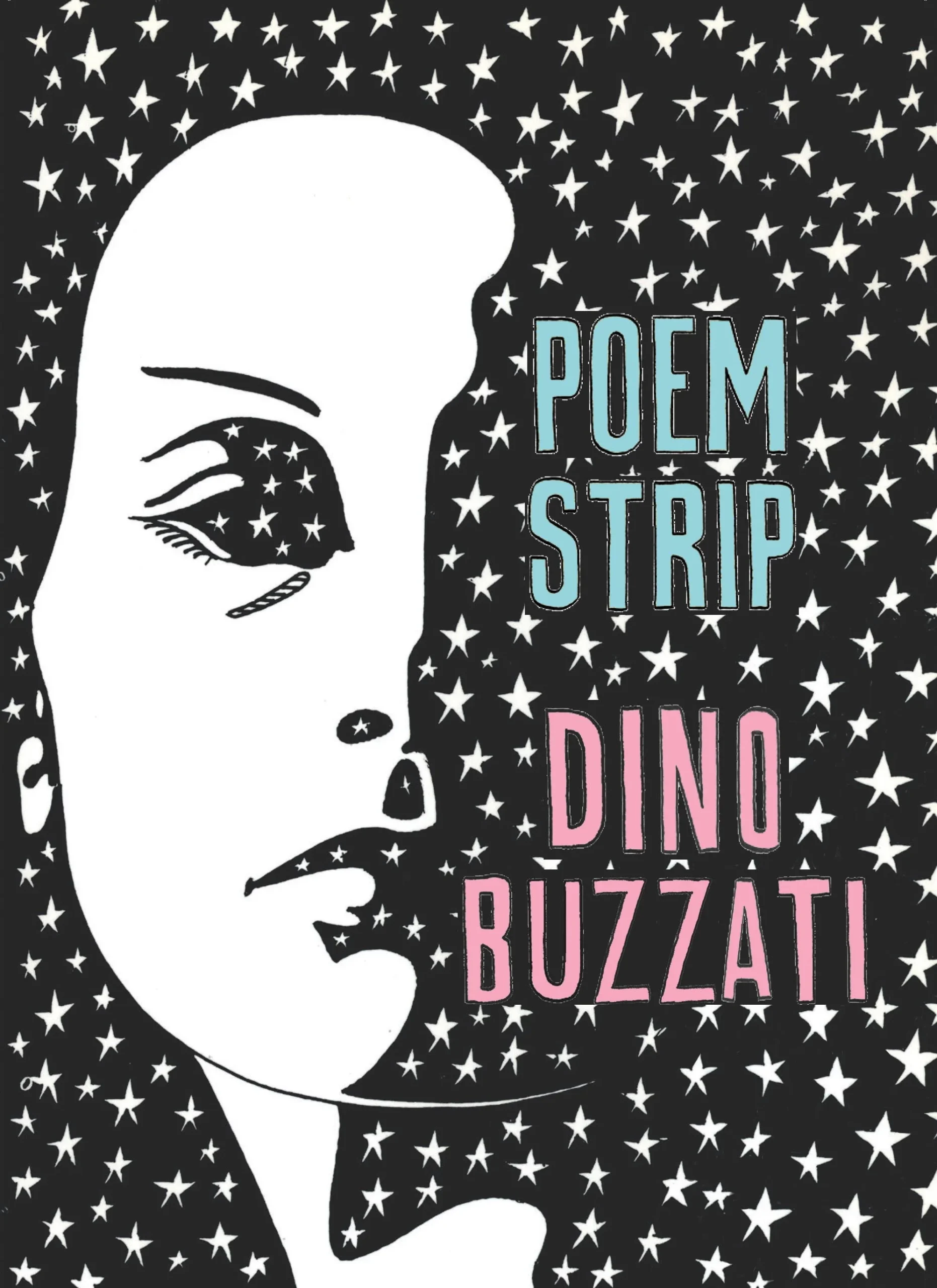
Poem Strip, first published in 1969, was Buzzati’s attempt to synthesize his lifelong fascinations with myth, modernity, and the macabre into a single "graphic poem." The current NYRC edition, priced at $22.95, brings this 220-page odyssey to a new generation of English-speaking readers. Unlike previous attempts to translate the work, this version seeks to preserve the conversational yet lyrical rhythm of Buzzati’s prose, ensuring that the work’s avant-garde spirit remains intact.
The narrative is a bold reimagining of the Orpheus and Eurydice myth. In Buzzati’s hands, Orpheus becomes Orfi, a brooding, long-haired rock singer who captivates the mod youth of a city that resembles a dream-state version of Milan or Rome. When his beloved Eura disappears through a mysterious door in a bleak urban wall, Orfi follows her into an underworld that is less a pit of fire and more a mirror of the world’s own exhaustion.
Chronology: From the "Swinging Sixties" to the Present
To understand Poem Strip, one must understand the era of its birth. The late 1960s were a period of radical cultural shift in Italy. The "Economic Miracle" had transformed the country, but beneath the surface of the "Swinging Sixties" lay a profound sense of alienation.
- 1969: The Birth of a Scandal. When Buzzati published Poema a fumetti, it was met with both fascination and bewilderment. A member of the literary establishment using "fumetti" (comics) to tell a story of sex, death, and rock ‘n’ roll was considered a provocative, if not scandalous, move.
- The 1970s–1990s: Cult Status. While Buzzati passed away in 1972, Poem Strip lingered in the cultural consciousness as a cult masterpiece. It influenced a generation of European creators who saw in Buzzati’s work a license to treat comics as a legitimate vehicle for high-concept poetry.
- Late 1960s/Early 1970s: The First English Attempt. An early English translation existed, but it was widely criticized for failing to capture the nuance of Buzzati’s specific linguistic register. It lacked the "cool," detached tone necessary for the story’s atmosphere.
- 2026: The NYRC Definitive Edition. The current release marks a significant moment in comics preservation. By commissioning Marina Harss for a fresh translation and Rich Tommaso for the lettering, the publisher has repositioned the work as a vital piece of the global comics canon.
Supporting Data: Artistry and Philosophical Depth
Buzzati’s approach to the page is that of a "non-comics person" who intuitively understands the power of the image. His art is mercurial, shifting styles to suit the emotional temperature of the scene.
Visual Language and Design
The art in Poem Strip is a kaleidoscope of 20th-century visual trends. Buzzati utilizes:
- Pop Art and Op Art: The influence of Andy Warhol and Roy Lichtenstein is evident in the bold, high-impact lines and the use of dialogue balloons as aesthetic objects.
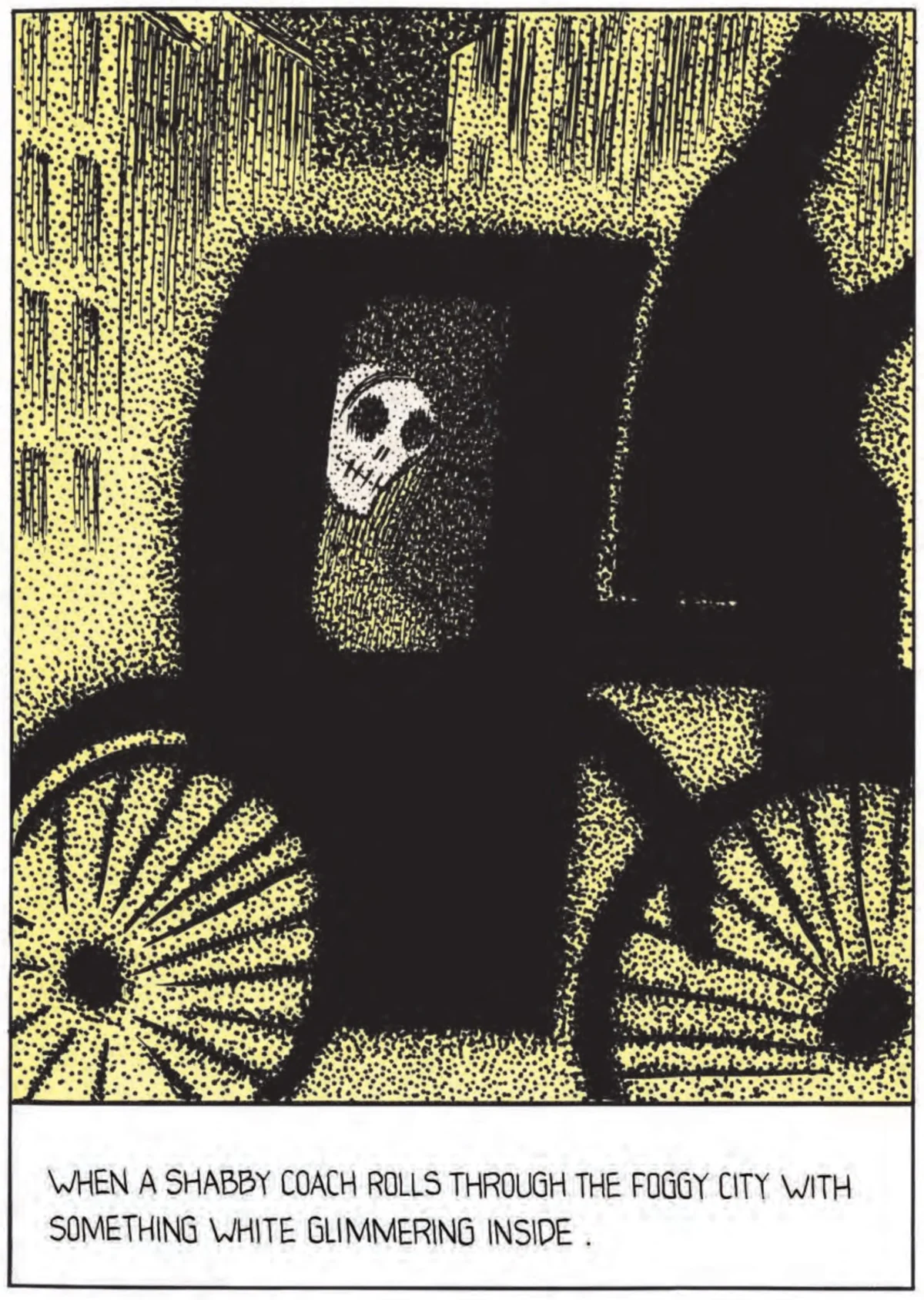
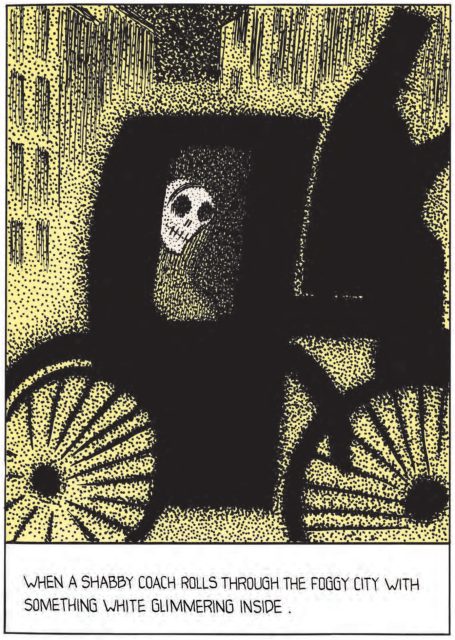
- Expressionism: Certain sequences, particularly "Orfi’s Songs," evoke the jagged shadows of German Expressionist cinema, specifically F.W. Murnau’s Nosferatu.
- Photo-Referencing vs. Freehand: Buzzati juxtaposes meticulously referenced human figures with rough, undulating sketches. This inconsistency is intentional; it creates a sense of instability, as if the reality of the underworld is constantly deforming under Orfi’s gaze.
The Bureaucracy of the Afterlife
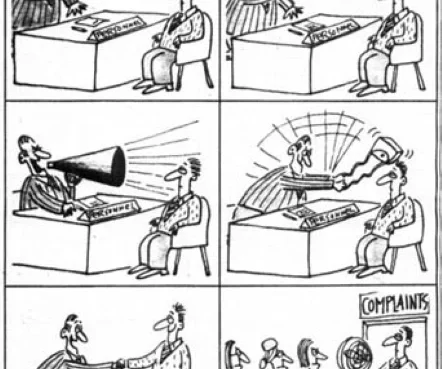
One of the most striking sections of the book is the "Explanation of the Afterlife." Buzzati rejects the traditional imagery of hell. Instead, his underworld is a "quiet hell" characterized by compartmentalization and endless bureaucracy. The inhabitants are not being tortured by demons; they are simply tired. They are bogged down by the same mundane structures that governed their lives on earth, but without the hope of change. This observation—that mankind is perfectly prepared for a dull, administrative eternity—serves as a biting social commentary on the mid-century corporate world.
The Musicality of the Page
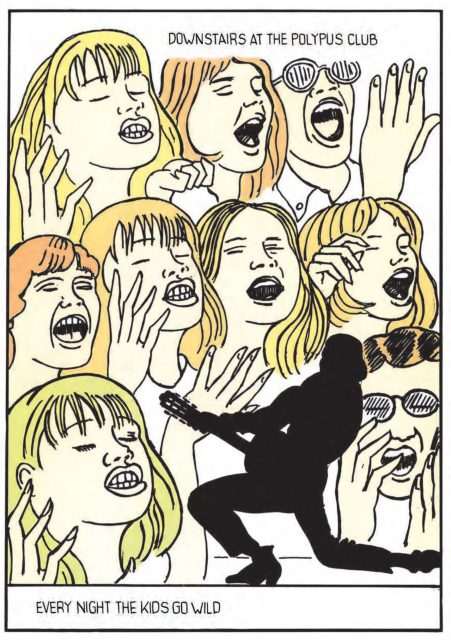
The character of Orfi is a composite of 1960s icons—a blend of Elvis Presley’s animal magnetism, Bob Dylan’s poetic brooding, and Neil Diamond’s pop sensibility. His performances at the "Polypus Club" are depicted with a frenetic energy, where mod dancers in miniskirts "frug into frenzy." Buzzati even nods to the Beatles, with Orfi singing "The witches yeah yeah yeah!"—a playful juxtaposition of ancient folklore and modern "Beatlemania."
Official Responses and Critical Reception
The critical response to the NYRC edition has been overwhelmingly positive, though it highlights the work’s challenging nature.
Frank M. Young, writing for The Comics Journal, notes that "Comics by people who aren’t ‘comics people’ can result in fascinating work." He praises Buzzati’s "strong acumen to use cartoon art in a poetic manner—to suggest rather than depict." Young argues that the section titled "Orfi’s Songs" deserves a permanent place in the comics canon, citing the powerful synergy between Buzzati’s social commentary and his baroque, distorted drawings.
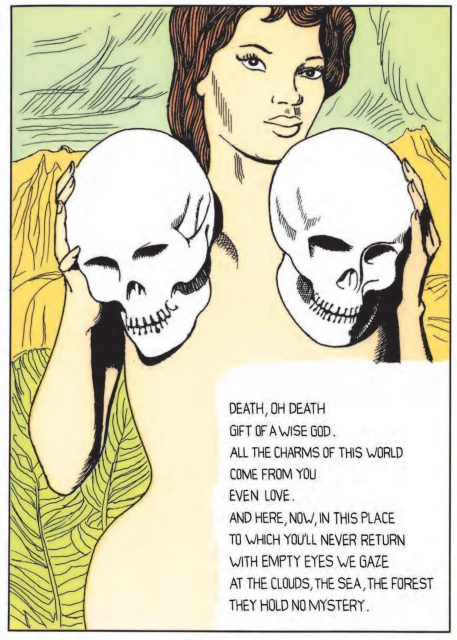
However, some critics have noted a missed opportunity in the new edition. Unlike many NYRC releases, this volume lacks an afterword or scholarly introduction. Given Buzzati’s complex life and his multi-faceted career as a playwright and journalist, some readers may find the lack of historical context a hurdle. Despite this, the consensus remains that the translation by Marina Harss is a triumph, retaining the "conversational and never forced" feel of Buzzati’s original Italian.
Implications: The Legacy of the "Graphic Poem"
The re-release of Poem Strip has broader implications for the comics industry and the way we define "graphic novels."
A Blueprint for Modern Creators
Buzzati’s work serves as a call to action for contemporary artists. By ignoring the "rules" of traditional panel transitions and anatomical consistency, Buzzati demonstrates that the medium can be used for pure, distilled emotion. Poem Strip is not a "page-turner" in the sense of a plot-driven thriller; it is a work meant to be read in sections, allowing the mood to wash over the reader. It encourages a less traditional approach to storytelling that prioritizes rhythm and atmosphere over linear narrative.
The Death of the Heart
The book’s finale is a haunting reflection on the human condition. When Orfi returns to the world of the living, he is forever changed. He can no longer participate in the world with the same innocence; he views life with a "jaundiced, cautious eye." Buzzati suggests that the real tragedy isn’t the descent into the underworld, but the "quiet death of the heart" that happens little by little as life goes on without reflection.
Conclusion
Poem Strip remains a vital, pulsing work of art. It is a reminder that the most profound stories are often those we tell ourselves repeatedly—the myths of love, loss, and the search for meaning in a world that often feels deflated and defeated. Through NYRC’s meticulous new edition, Dino Buzzati’s graphic poem is no longer a hidden relic of the Italian avant-garde; it is a living, breathing part of the global literary landscape. For those willing to follow Orfi through that plain door on a bleak street, the rewards are a thought-provoking and surprisingly witty exploration of what it means to be alive.

Leave a Comment