
The Architecture of Dread: Analyzing the 10 Greatest Masterpieces of Dark Fantasy Cinema
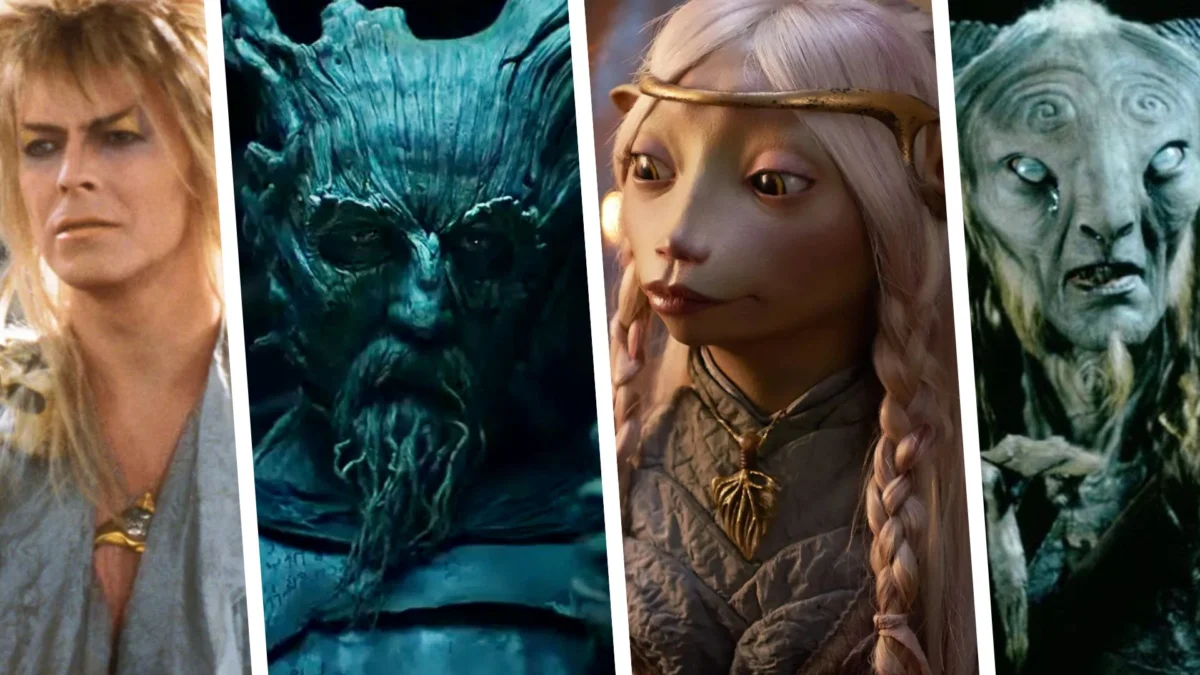
Fantasy has always possessed a shadow side. Long before the genre was codified into the tropes of chosen heroes and triumphant conclusions, folklore was built on a foundation of punishment, grotesque transformation, and the terrifying indifference of supernatural forces. Dark fantasy does not merely add "horror elements" to a magical world; it restores the genre to its primal, cautionary roots. In these narratives, atmosphere is as vital as plot, and heroism—if it exists at all—comes at a devastating personal cost.

The following analysis explores ten seminal works of dark fantasy, examined chronologically, to understand how they shaped a genre defined by the "sublime terrace" of the unknown.

1. Main Facts: Defining the Dark Fantasy Aesthetic
Dark fantasy occupies the liminal space between the wonder of high fantasy and the visceral terror of horror. While high fantasy (exemplified by The Lord of the Rings) often deals with the struggle to preserve a moral order, dark fantasy suggests that the order itself is either corrupt, dying, or fundamentally hostile to human life.
Key characteristics of the genre include:

- Nightmare Logic: Plot progression often follows the fluid, unsettling transitions of dreams rather than rigid cause-and-effect.
- The Grotesque: A focus on the physical toll of magic—decay, mutation, and the merging of the human and the monstrous.
- Moral Ambiguity: Characters are rarely "pure"; they are often survivors or victims navigating systems of power they cannot fully comprehend.
2. Chronology: The Evolution of Cinematic Darkness
Suspiria (1977)
Dario Argento’s masterpiece serves as the foundational text for modern dark fantasy. Set in a prestigious ballet academy in Freiburg, the film eschews traditional mythology in favor of pure sensory overload. Argento uses a hyper-saturated Technicolor palette to create a world where the architecture itself feels malevolent.
Significance: It established that dark fantasy does not require a complex "magic system." Instead, it relies on the presence of ancient, irrational evil—the "Three Mothers"—who exist within the very walls of civilization.
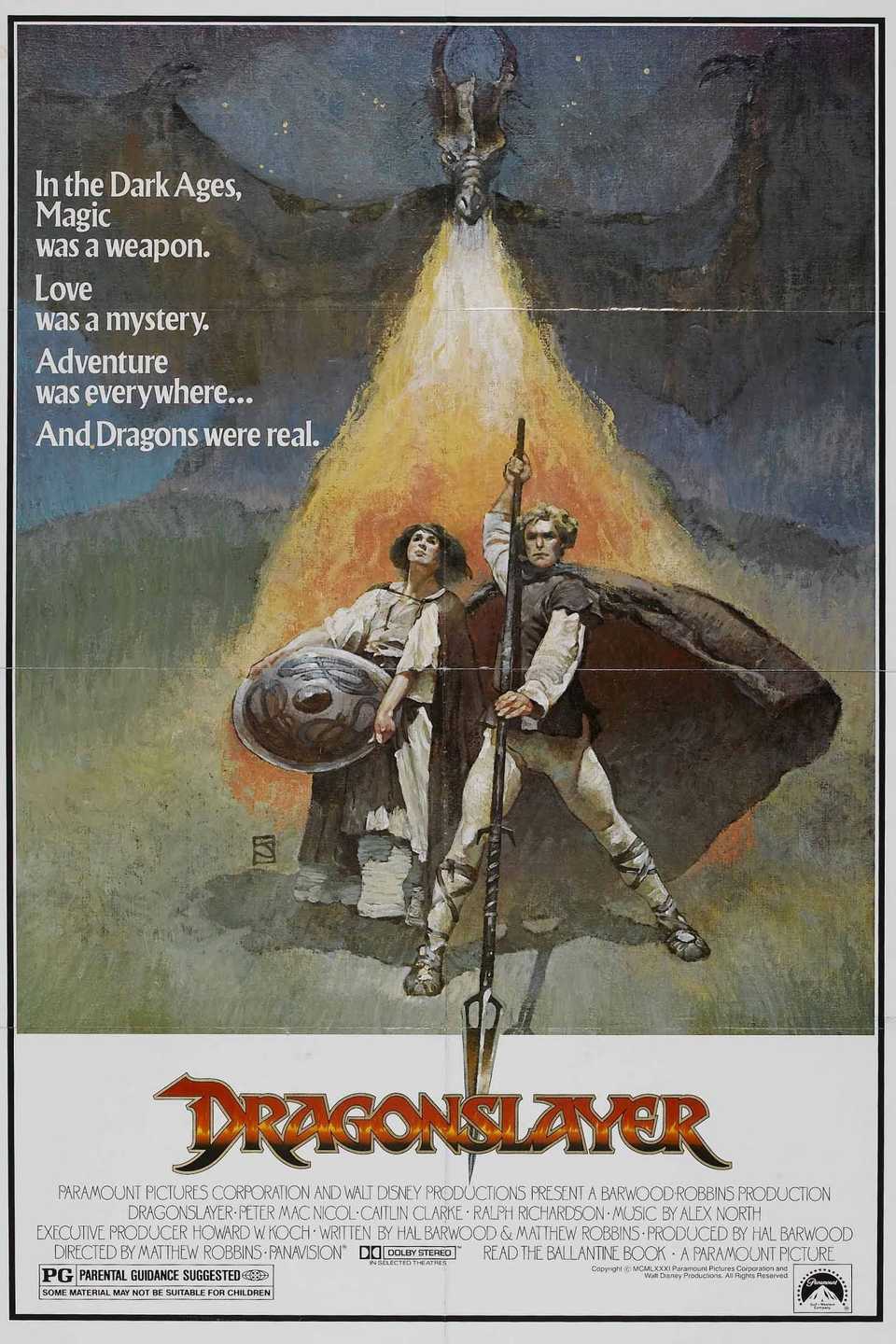
Dragonslayer (1981)
A rare co-production between Disney and Paramount, Dragonslayer remains one of the bleakest studio films ever produced. Set in a post-Roman Britain, it depicts a world of institutionalized fear where a kingdom maintains peace by sacrificing virgins to a dragon.
Significance: The creature Vermithrax Pejorative, brought to life via Phil Tippett’s "go-motion" animation, remains the gold standard for cinematic dragons. The film’s ending, which sees the "death of magic" and the rise of a corrupt church, offers a cynical take on the cost of progress.
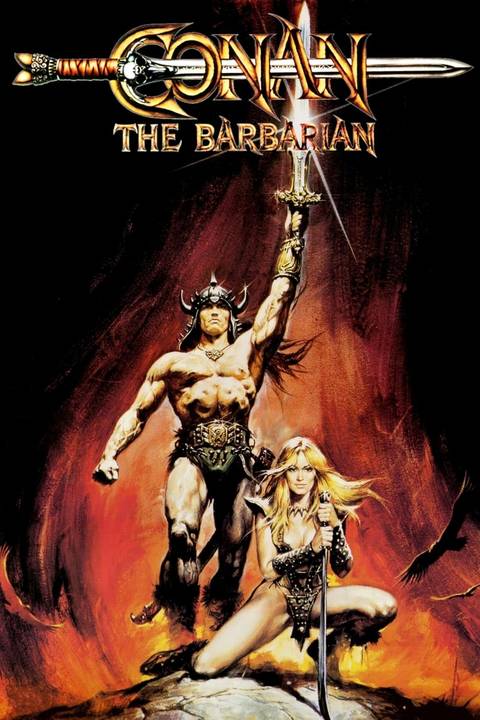
Conan the Barbarian (1982)
Director John Milius and co-writer Oliver Stone transformed Robert E. Howard’s pulp stories into a Wagnerian epic of "blood and ash." This is a world where sorcery is rare, making it all the more disturbing when it appears in the form of snake cults and bodily transformations.
Significance: It moved fantasy away from the "capes and sorcery" whimsy of the 1970s, grounding it in a brutal, ritualistic reality where power is the only true currency.
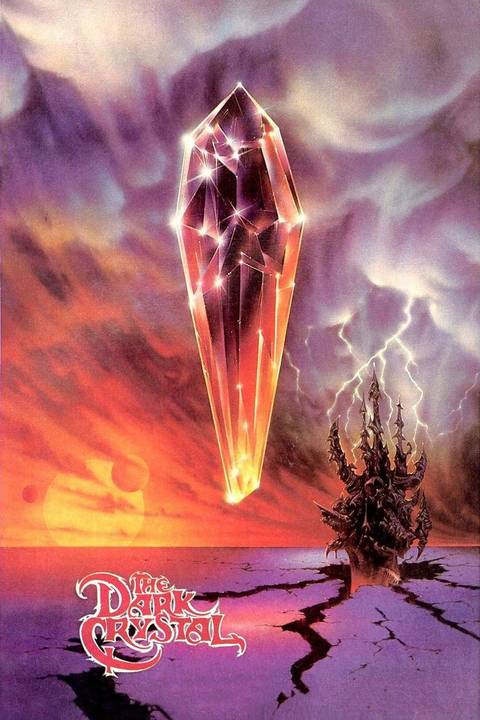
The Dark Crystal (1982)
Jim Henson and Frank Oz took an enormous professional risk by creating an entirely puppet-driven world devoid of humans. The resulting film is a meditation on entropy and ecological collapse. The Skeksis—grotesque, vulture-like beings—embody the physical rot of a ruling class obsessed with immortality.
Significance: It proved that "family-friendly" mediums could be used to explore profound themes of genocide and spiritual fragmentation.
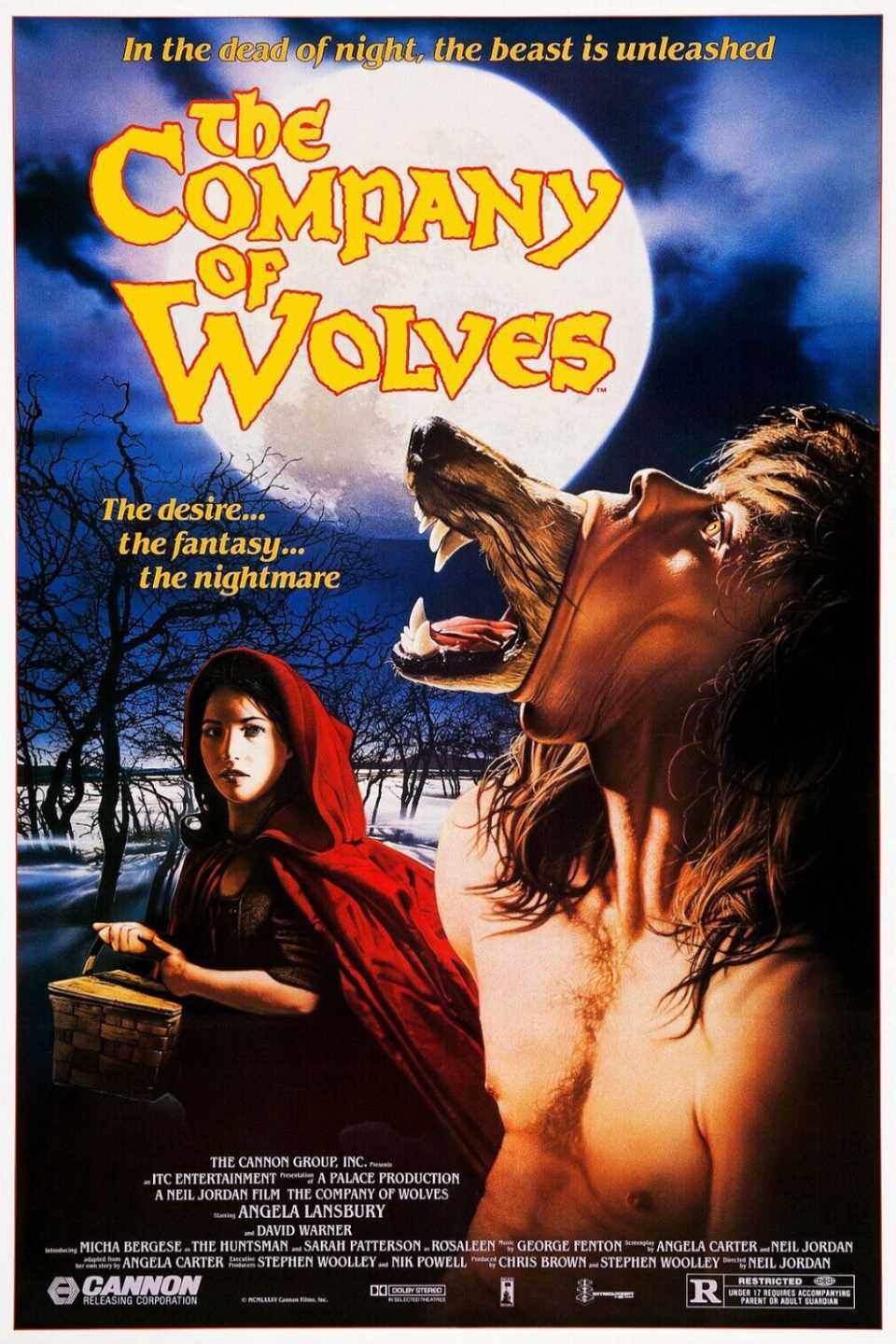
The Company of Wolves (1984)
Neil Jordan’s reimagining of Red Riding Hood, based on the stories of Angela Carter, is a psychoanalytic journey into the heart of folklore. It treats the werewolf not as a monster movie trope, but as a metaphor for predatory sexuality and the loss of innocence.
Significance: The film uses a "story-within-a-story" structure to show how folklore serves as a warning system for the dangers of the natural and social worlds.

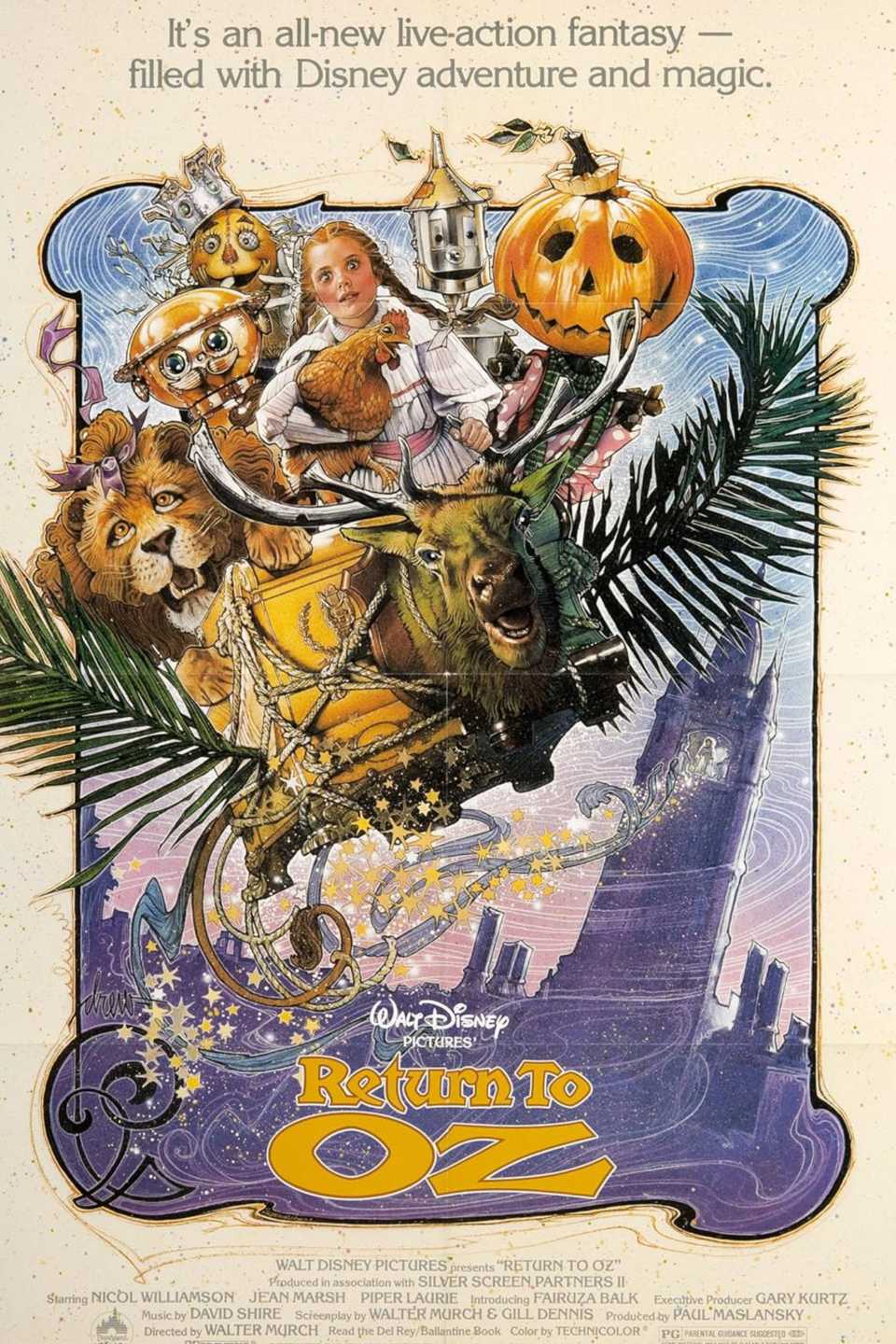
Return to Oz (1985)
Often cited as a source of childhood trauma for Gen X and Millennials, Walter Murch’s sequel to the 1939 classic is far truer to L. Frank Baum’s original books. From the electroshock therapy of the opening scenes to the "Wheeler" henchmen, the film presents Oz as a petrified, lonely purgatory.
Significance: It challenged the notion that children’s fantasy must be comforting, suggesting instead that the uncanny is a fundamental part of the adolescent experience.
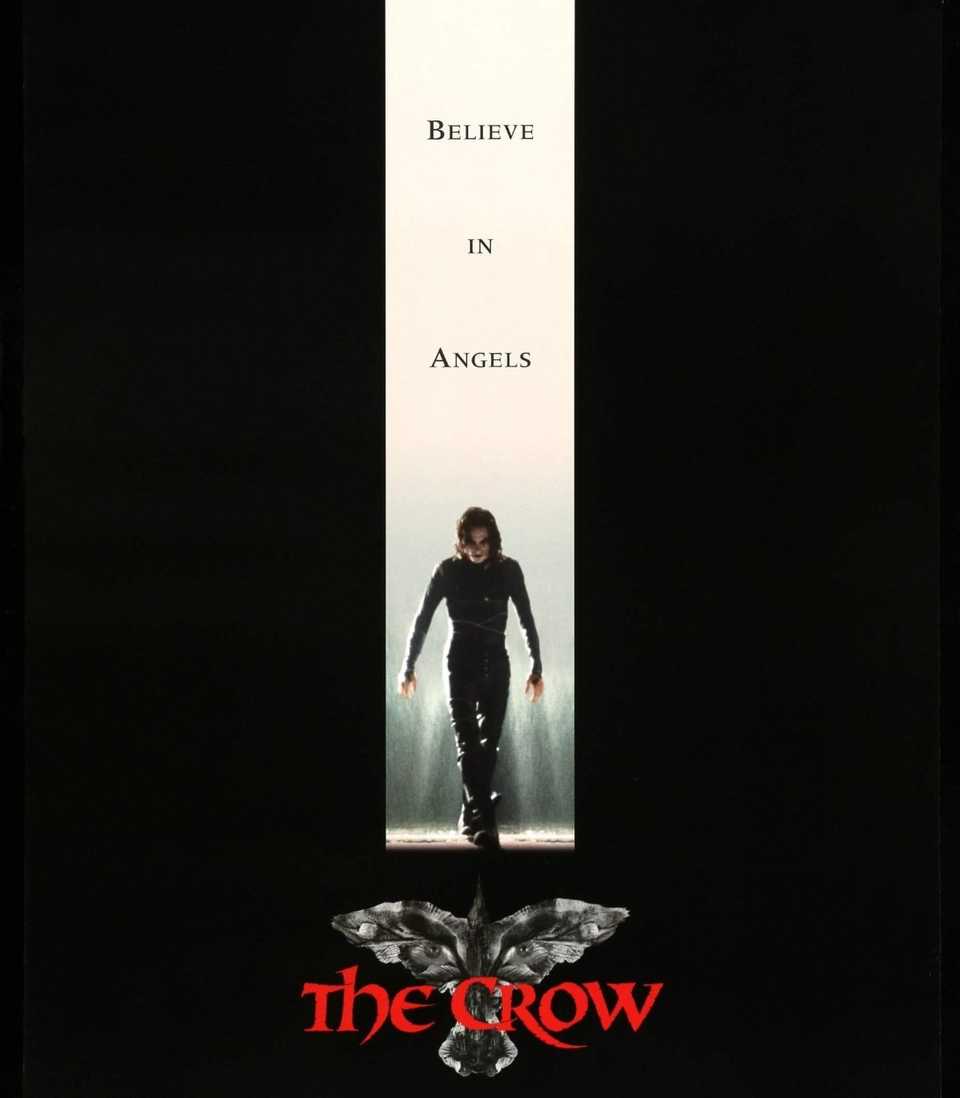
The Crow (1994)
Alex Proyas transitioned dark fantasy into the urban landscape. By utilizing a "Gothic Noir" aesthetic, the film translates the tropes of resurrection and vengeance into a rain-soaked, neon-lit city.
Significance: It proved that dark fantasy could thrive outside of medieval settings, influencing a decade of "urban fantasy" and superhero cinema.
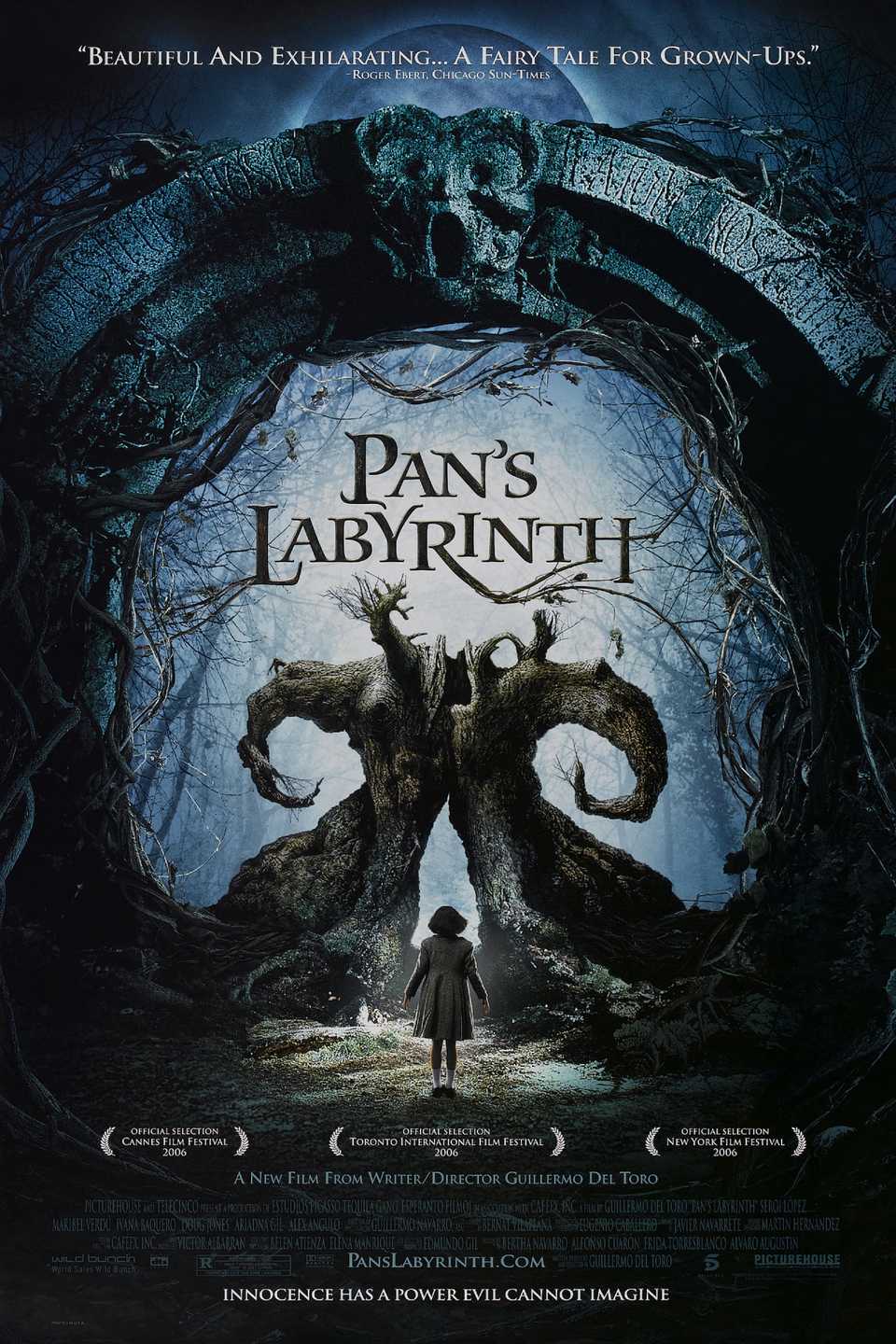
Pan’s Labyrinth (2006)
Guillermo del Toro’s magnum opus juxtaposes the harsh reality of postwar Francoist Spain with a subterranean world of ancient, terrifying trials. The film’s brilliance lies in its ambiguity: is the fantasy world real, or a coping mechanism for a child facing fascism?
Significance: It is widely considered the definitive dark fantasy film of the 21st century, winning three Academy Awards and cementing the "monster-as-metaphor" approach.
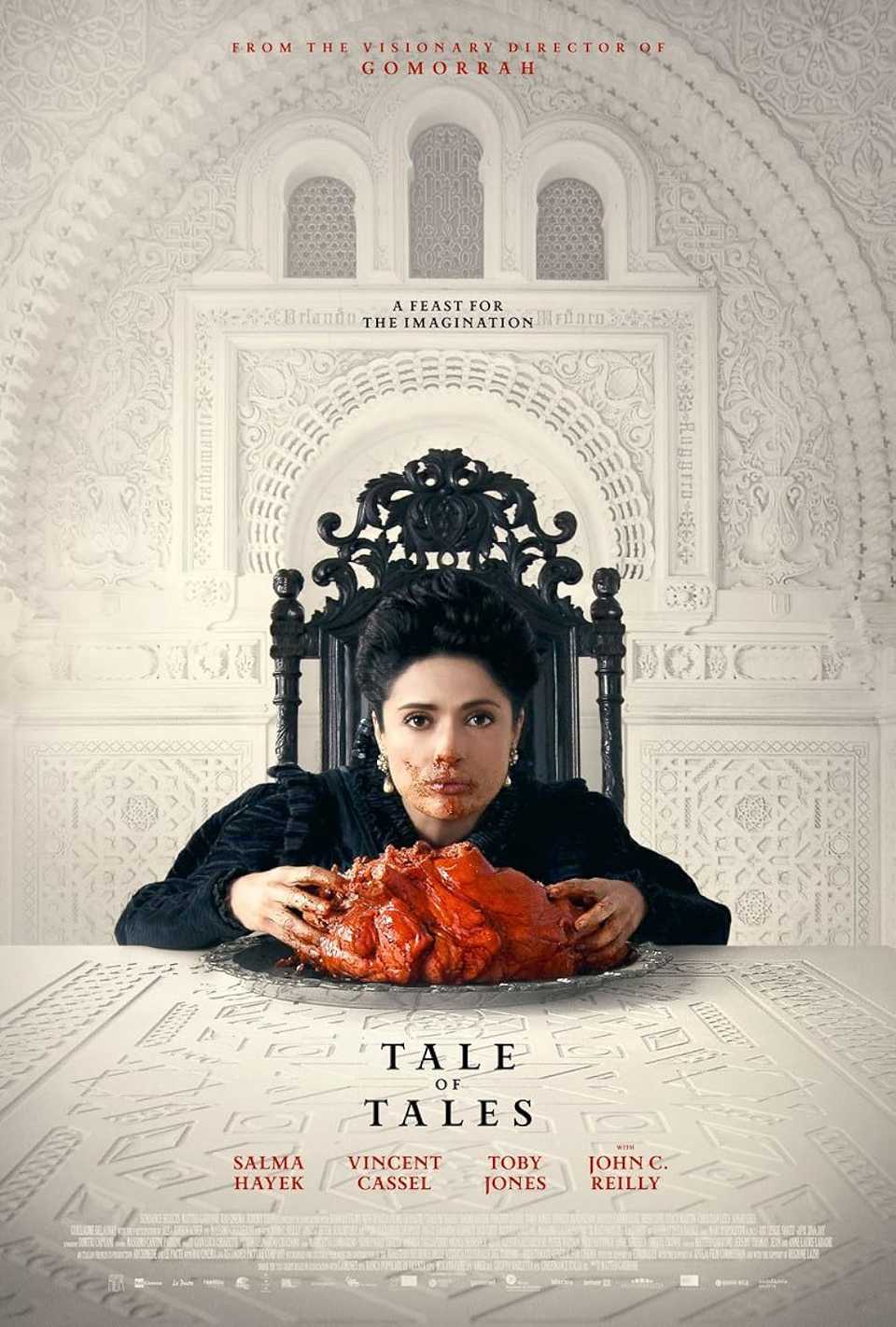
Tale of Tales (2015)
Matteo Garrone’s adaptation of 17th-century Italian tales is a visual feast of the grotesque. Whether it is a queen eating a sea monster’s heart or a king nursing a giant flea, the film captures the surreal, amoral nature of pre-Grimm folklore.
Significance: It stripped away centuries of "Disneyfication," returning the fairy tale to its roots as a bizarre and often cruel oral tradition.
The Green Knight (2021)
David Lowery’s adaptation of the Arthurian poem Sir Gawain and the Green Knight treats magic as an environmental force—inevitable and indifferent. The film is a slow-burn meditation on mortality and the futility of seeking "greatness" in a world that eventually reclaims everything.
Significance: It represents the modern "Prestige Dark Fantasy" movement, prioritizing theme and atmosphere over traditional action-oriented storytelling.

3. Supporting Data: The Technical Architecture of Darkness
The success of dark fantasy is often tied to the tension between practical effects and digital world-building. Data from film historians suggests that the genre’s most enduring entries rely heavily on "tangible" horror.
| Film | Technique | Impact |
|---|---|---|
| Dragonslayer | Go-Motion | Created a sense of physical weight and "heaviness" missing from modern CGI. |
| The Dark Crystal | Animatronics | Allowed for a world where every creature feels organic and biologically consistent. |
| Pan’s Labyrinth | Prosthetics | Doug Jones’ performance as the Pale Man relied on tactile interaction, increasing the "threat" level for the actors. |
| The Green Knight | Natural Lighting | Used "heavy" shadows and naturalistic color palettes to ground the supernatural in reality. |
4. Official Responses and Critical Reception
The reception of these films has often been polarized upon release, only to achieve "masterpiece" status decades later.

- The "Disney Backlash": In 1985, critics were baffled by Return to Oz. The New York Times noted at the time that the film was "hardly a movie for children," criticizing its lack of musical numbers. Decades later, the film is celebrated for its uncompromising vision.
- Del Toro’s Mission: Guillermo del Toro has frequently stated in interviews that "monsters are the patron saints of our blissful imperfections." His work has forced the critical establishment to view "monster movies" as high art.
- The "Grimdark" Label: While literary critics often use "grimdark" as a pejorative, film critics like Mark Kermode have argued that the "darkness" in these films is essential for providing a "cathartic confrontation with the shadows of the human psyche."
5. Implications: The Legacy of the Dark Fantastic
The resurgence of dark fantasy in the 2020s—seen in films like The Green Knight and Bones and All—suggests a cultural shift. In an era dominated by polished, corporate "High Fantasy" franchises, audiences are increasingly drawn to narratives that acknowledge decay, uncertainty, and the cost of power.

Influence on Other Media:
The aesthetic of films like Conan and The Dark Crystal can be seen in the massive success of the Dark Souls and Elden Ring video game franchises, which utilize "environmental storytelling" and "nightmare logic" to immerse players.

The Future of the Genre:
As AI and CGI continue to make "spectacle" cheap, the future of dark fantasy likely lies in the "Grotesque Baroque"—films like Tale of Tales that prioritize unique, disturbing visual signatures over generic digital battles. Dark fantasy reminds us that the most powerful stories are not those that show us how to win, but those that show us how to endure in a world that doesn’t care if we do.


Leave a Comment