The Maginot Line: France’s Impregnable Shield and Its Flawed Fate
Paris, France – In the annals of military history, few fortifications loom as large, or as tragically, as the Maginot Line. Conceived in the crucible of post-World War I anxieties and built with an ambition matched only by its colossal scale, this vast network of defenses was France’s ultimate bet on static warfare. Stretching over 200 miles (322 km) along its eastern frontier, the Maginot Line was a marvel of engineering, a subterranean world of concrete, steel, and advanced weaponry designed to deter and repel any future German aggression. Yet, in the opening stages of World War II, this seemingly impregnable barrier was rendered all but obsolete by the audacity and speed of Germany’s Blitzkrieg tactics, leading to France’s swift and devastating defeat in just six weeks. The story of the Maginot Line is a cautionary tale, illustrating the perilous folly of preparing for the last war, rather than anticipating the next.
Main Facts: A Monument to Defensive Ambition
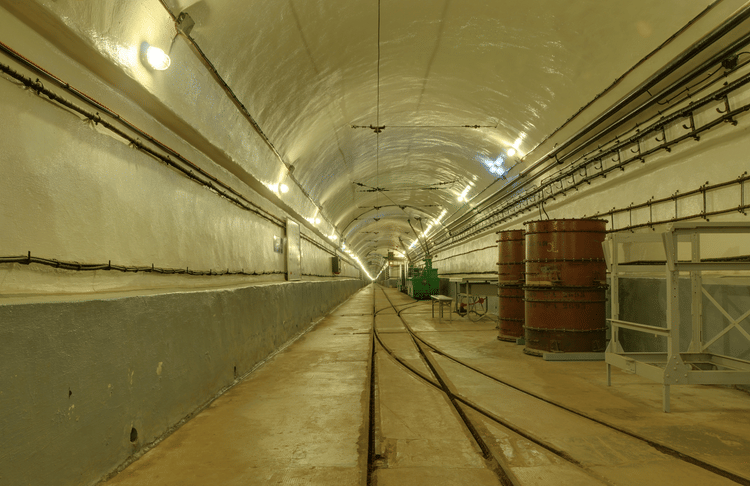
The Maginot Line represented a monumental effort by France to safeguard its sovereignty and prevent a repeat of the brutal trench warfare that had decimated its population during the First World War. It was an extensive, multi-layered defensive system, far more complex than a mere wall. Beneath the surface lay a sophisticated network of interconnected fortresses (known as ouvrages), barracks, command posts, hospitals, power stations, and even narrow-gauge railways for rapid troop and ammunition movement. Above ground, massive gun emplacements, anti-tank obstacles, and intricate barbed wire fields presented a formidable deterrent.
Origins and Purpose: Guarding the Eastern Frontier
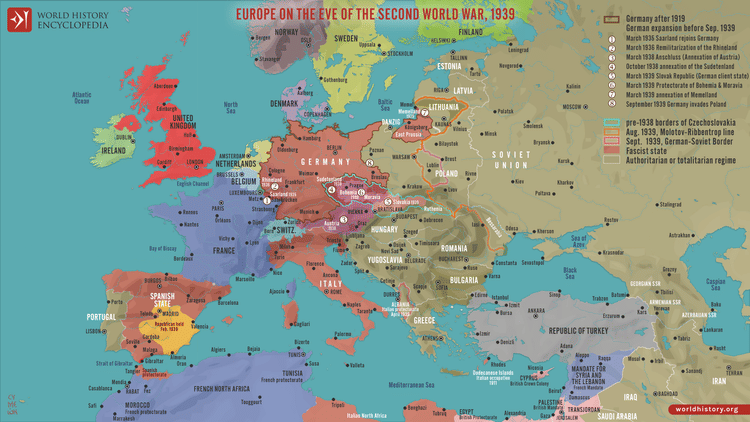
The primary objective of the Maginot Line was to protect France’s border with its traditional imperial rival, Germany. It ran from Belfort in the south, near the Swiss frontier, northward to Thionville, close to the border with Luxembourg. French military planners, heavily influenced by the static nature of the Western Front in World War I, believed that any future conflict with Germany would follow a similar pattern. The Line was designed to channel a potential German attack through less fortified areas, specifically through Belgium, where French and Allied forces could then engage them in open battle. This strategic decision, predicated on Belgium’s neutrality and the perceived difficulty of moving heavy armor through the rugged Ardennes forest, would ultimately prove to be France’s undoing.
Architectural Marvel and Strategic Blind Spot
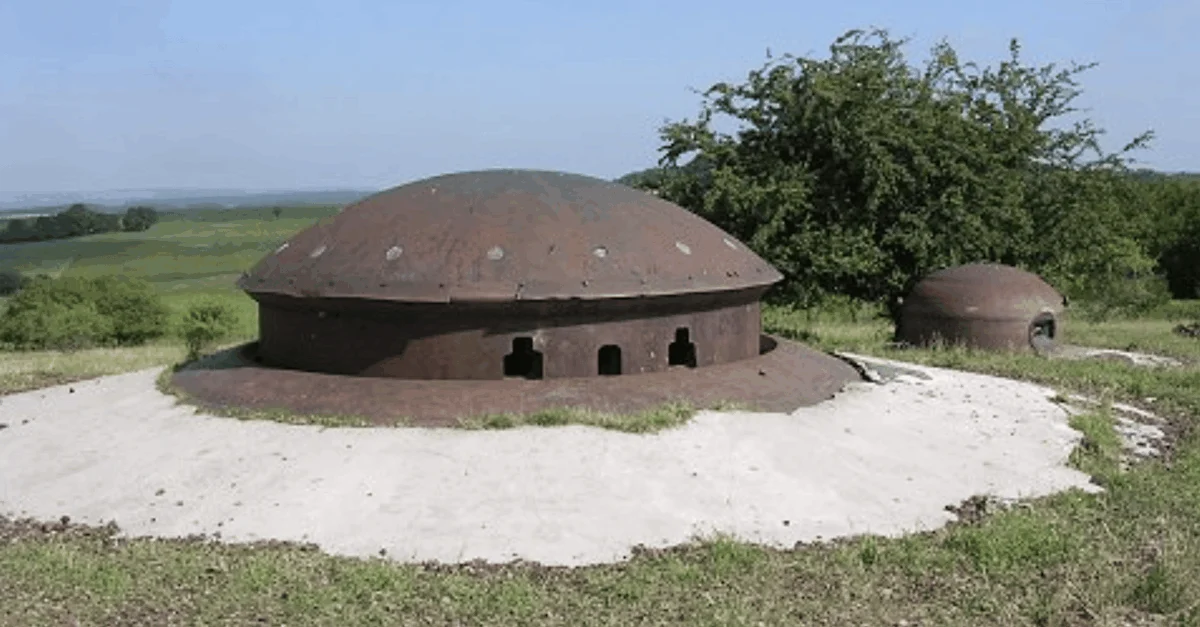
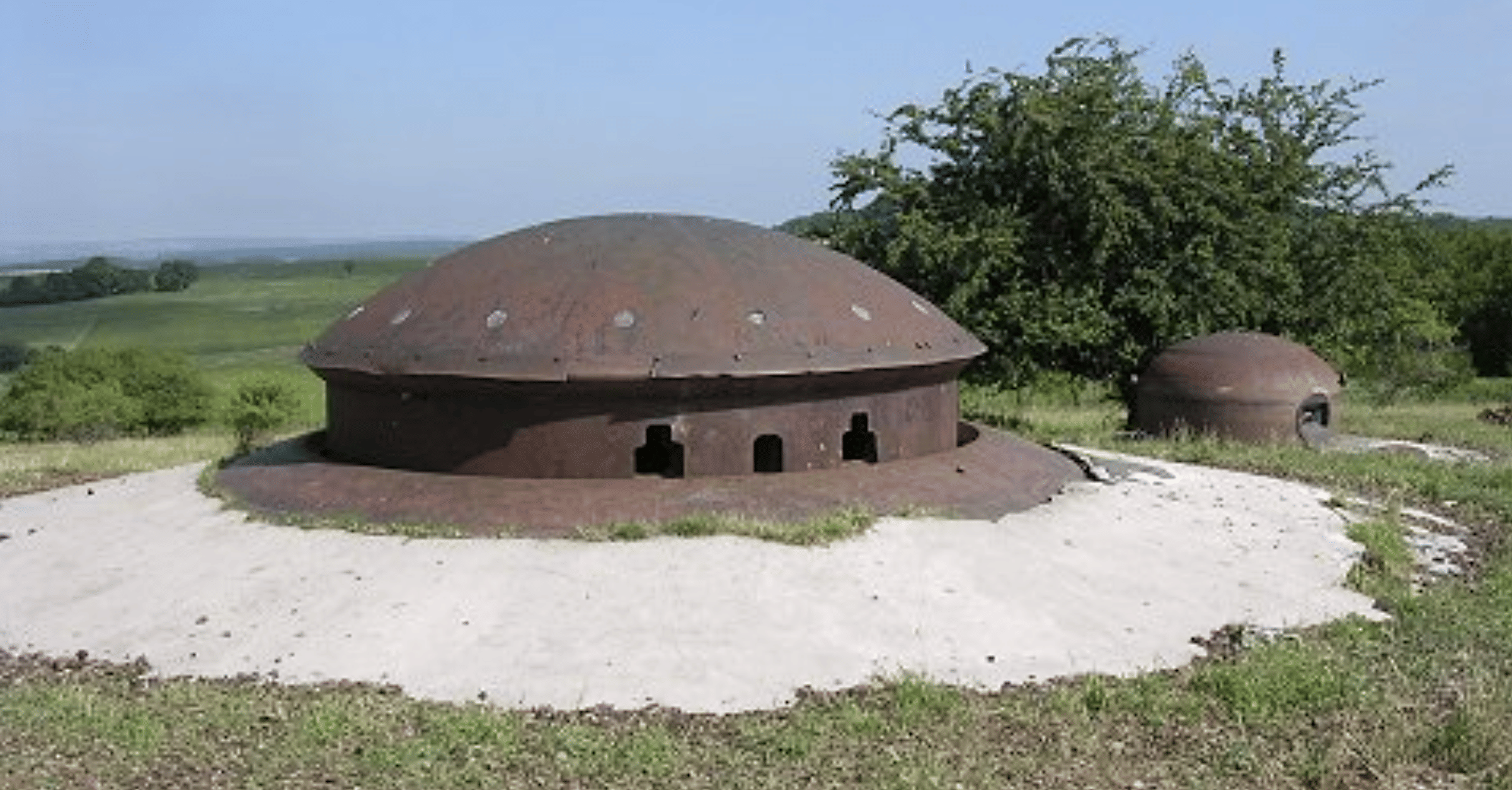
Named after André Maginot, the French Minister of Defence who championed its construction from 1929 to 1932, the Maginot Line was a testament to interwar engineering prowess. Its innovative design included retractable gun turrets, which could descend into the ground for protection during artillery or air attacks – a feature poetically dubbed tourelle à éclipse by Colonel Bussière. The fortresses were designed for mutual support, with angled emplacements providing overlapping fields of fire. Yet, for all its technological sophistication, the Maginot Line embodied a profound strategic blind spot. It represented an almost exclusive reliance on fixed defenses against an enemy rapidly developing doctrines of highly mobile, mechanized warfare.
The Swift Collapse: Blitzkrieg’s Bypass
When Nazi Germany launched its offensive in May 1940, it did so with a revolutionary approach: Blitzkrieg, or "lightning war." This doctrine combined synchronized air power, fast-moving tanks, and motorized infantry to achieve rapid breakthroughs and encirclements, bypassing strongpoints rather than assaulting them head-on. The German Army, under the brilliant execution of the Manstein Plan, struck through the Ardennes forest in neutral Belgium—precisely where French strategists had deemed an attack impossible for mechanized forces. This audacious maneuver outflanked the Maginot Line entirely, rendering its formidable defenses strategically irrelevant and leading to the swift collapse of France.
Chronology: From Concept to Catastrophe
The story of the Maginot Line is intrinsically linked to the interwar period, a time of profound geopolitical instability and military re-evaluation following the horrors of World War I.
Interwar Anxieties and the Birth of a Super-Fortress (1920s-1932)
The First World War had left France traumatized, its industrial heartland devastated, and its population decimated. The desire to avoid a repeat of the costly, attritional trench warfare drove much of French military thinking in the 1920s. The Treaty of Versailles, signed in 1919, aimed to permanently cripple Germany’s military capabilities, but as the 1920s progressed, signs of German rearmament became increasingly evident, fueling French fears.
It was in this climate of apprehension that the idea of a comprehensive defensive line gained traction. Several commissions debated the optimal strategy, with the Commission d’Organisation des Régions Fortifiées (CORS) ultimately recommending the construction of a continuous, deeply fortified system. André Maginot, a former soldier wounded in WWI and a respected politician, became the project’s most vocal champion. As Minister of War, he secured the necessary political will and funding, arguing that such a line would deter aggression, conserve manpower (a critical concern given France’s smaller population compared to Germany), and provide a solid base for offensive operations should they be needed. Initial construction began shortly after Maginot took office, although the official name "La Ligne Maginot" was not adopted until August 1935.
Construction and Commissioning (1930s)
Throughout the 1930s, hundreds of thousands of workers toiled on the Maginot Line, a monumental engineering undertaking that consumed vast financial resources. The project involved digging deep into the earth, pouring millions of tons of concrete, and installing complex machinery and sophisticated weaponry. By the late 1930s, the main sections of the line were largely complete, featuring state-of-the-art fortifications designed to withstand the heaviest artillery and aerial bombardments of the era. However, the project was never fully realized across its intended length, particularly concerning the Belgian section. Despite agreements with Belgium for them to fortify their own eastern frontiers, these defenses remained comparatively weak and disconnected from the main Maginot Line, creating a critical vulnerability.
The Phoney War and the Illusion of Security (1939-1940)
When Germany invaded Poland in September 1939, triggering the start of World War II, the Maginot Line became a symbol of French resolve. For eight months, a period famously dubbed the "Phoney War," Allied and German forces largely remained behind their respective defensive lines. French soldiers garrisoned in the Maginot Line experienced a surreal quiet, living in relative comfort deep underground, far removed from the front-line combat. This period inadvertently reinforced the public perception, both in France and amongst its allies, that the Line was an impregnable barrier. The media widely boasted of its strength and technical wonders, creating a widespread belief in its infallibility. This fostered a dangerous sense of false security, masking the profound strategic flaws in France’s overall defensive posture.
The German Onslaught: May-June 1940
The illusion shattered dramatically on May 10, 1940. Germany launched Fall Gelb (Case Yellow), an invasion of the Low Countries and France. The German strategy involved two key surprises. First, the application of Blitzkrieg tactics, combining rapid armored thrusts with close air support (Stuka dive bombers like the Junkers Ju 87) to punch through enemy lines, bypass strongpoints, and disrupt command and control. Second, the main thrust came through the Ardennes forest in southern Belgium, an area considered impassable for large mechanized formations by Allied planners. General Erich von Manstein’s audacious plan correctly surmised that the Allies would anticipate an attack through central Belgium (a repeat of the Schlieffen Plan) and concentrate their best forces there.
As the German Panzer divisions poured through the Ardennes, they quickly outflanked the northern end of the Maginot Line, racing towards the English Channel. The Allies, including the British Expeditionary Force and France’s most mobile divisions, were drawn north into Belgium, where they were swiftly encircled. This giant arc cut off the Allied armies along the Channel coast, leading to the desperate evacuation at Dunkirk. The German advance then swung south, capturing Paris on June 14, and subsequently swept back southeast to attack the Maginot Line from its less-protected western flank. Within six weeks, France, a major European power, was defeated, a strategic catastrophe directly attributable to the Maginot Line’s failure to deter or halt the primary German thrust.
Supporting Data: Engineering Feat and Strategic Miscalculation
The Maginot Line was not merely a series of bunkers; it was a testament to the era’s engineering capabilities and a stark illustration of how even the most advanced defensive technology can be rendered obsolete by revolutionary offensive doctrine.
The Defensive Doctrine: Lessons (or Misinterpretations) of WWI
The strategic thinking behind the Maginot Line was deeply rooted in the experiences of World War I. Senior military figures, scarred by years of static trench warfare, concluded that future conflicts would likely follow a similar pattern. The prevailing belief was that a strong, fixed defensive line would force an enemy into a war of attrition, which France, with its significantly smaller population (approximately 40 million compared to Germany’s 60 million), could not afford in terms of manpower. Fortifications, it was reasoned, would allow fewer soldiers to defend a longer front, thus conserving lives. This perspective, however, overlooked the nascent developments in tank and air warfare that had begun to emerge even at the end of WWI, developments that Germany was now wholeheartedly embracing.
Scale and Scope: A Network of Underground Cities
More than 200 miles long, the Maginot Line comprised a string of interconnected fortresses, or ouvrages, ranging from large, multi-block installations (gros ouvrages) to smaller infantry and artillery casemates (petits ouvrages and casemates). These were supplemented by observation posts, anti-tank obstacles, and vast fields of barbed wire.
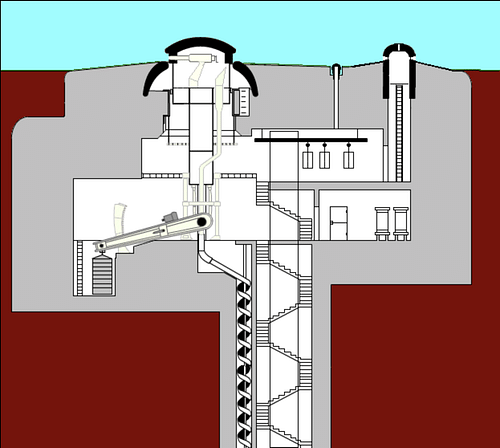
The underground sections were truly impressive. Bunkers were set deep underground, protected by concrete walls up to 12 feet thick, capable of withstanding direct hits from heavy artillery and aerial bombs. They offered spacious, self-sufficient accommodations, including barracks, kitchens, mess halls, hospitals, and ammunition dumps. Sophisticated air filtration systems protected against gas attacks, and enough provisions were stocked to allow garrisons to operate in isolation for up to four weeks. Optical periscopes allowed soldiers to observe the exterior without exposure, while underground narrow-gauge railways connected various casemates through tunnels several to 30 meters below the surface, ensuring efficient movement of personnel and supplies. Generators provided electricity for lighting, ventilation, and powering the movable turrets and ammunition lifts. Telephones ensured internal communication within the system.
Defensive Capabilities: Armaments and Survivability
The Maginot Line was heavily armed, featuring a range of weaponry from light machine guns for close defense to heavy artillery pieces. These included 75mm artillery guns, 135mm howitzers, and anti-tank guns. Gun crews were trained with naval precision, emphasizing coordinated, rapid, and accurate fire. Many gun emplacements were strategically angled to provide mutual support, creating overlapping fields of fire that would theoretically shred any attacking force. Retractable turrets, like the famous tourelle à éclipse, could pop up to fire and then descend into their protective casemates, minimizing their vulnerability to enemy fire. External protection for non-retractable emplacements included earthworks, camouflage, metal girders driven vertically into the ground to impede tanks, and extensive barbed wire.
The Unfinished Puzzle: Gaps and Vulnerabilities (Belgium, Ardennes)
Crucially, the Maginot Line was not a continuous, unbroken barrier. Strategic decisions were made to leave certain sections less fortified or entirely unfortified. The mountainous terrain and neutral status of Switzerland meant the southern flank was deemed sufficiently protected. Similarly, the northern extension of the line ended near Thionville, bordering Luxembourg. French planners believed that any German attack through neutral Luxembourg, the Netherlands, and Belgium would be met by Allied forces, including the British Expeditionary Force, and the armies of those nations. The rugged, heavily forested Ardennes region, straddling the Franco-Belgian border, was considered naturally impassable for tanks and heavy vehicles, a "green wall" that served as a natural extension of the Maginot Line’s northern flank. This deliberate gap proved to be the Achilles’ heel of the entire defensive strategy.
Contrasting Doctrines: French Static vs. German Mobile Warfare
Paradoxically, France, which had pioneered mobile tank and mixed-arms warfare towards the end of WWI, adopted a deeply defensive doctrine in the interwar years. French tanks, while technologically advanced, were primarily designed to support infantry or serve as a mobile reserve for the static defenses, rather than as spearheads for independent offensive operations. Furthermore, France significantly underinvested in critical elements of modern mechanized warfare, such as anti-tank guns and air defenses, which would prove essential against Germany’s integrated air-land Blitzkrieg. Germany, having initially failed to grasp the potential of tanks in WWI, now banked entirely on mobile warfare, combining tanks, motorized infantry, and airpower in a swift, coordinated strike force designed for penetration and encirclement. This fundamental doctrinal mismatch, more than any flaw in the Maginot Line’s construction, sealed France’s fate.
Official Responses and Public Perception: A Nation’s Hope and Its Demise
The Maginot Line was more than just a military fortification; it was a psychological anchor for a nation still reeling from the scars of the Great War.
Political Rationale and Military Planning
The political and military leadership of France largely coalesced around the concept of the Maginot Line. It offered a seemingly pragmatic solution to several pressing issues: it promised to save lives, protect industrial regions, and buy time for mobilization. It was also seen as a cost-effective alternative to maintaining a massive standing army capable of meeting Germany across the entire frontier. The substantial financial investment (estimated at over 3 billion francs) was justified as a necessary premium for national security and peace of mind. While some voices, notably Colonel Charles de Gaulle, advocated for a professional, mechanized army capable of offensive operations, their warnings about the limitations of static defense were largely dismissed or ignored by the entrenched military establishment.
The Illusion of Invincibility: Public and Allied Views
The French public, weary of war, embraced the idea of an "impenetrable" fortress. The press widely publicized the line’s strength and advanced technology, fostering a sense of national invincibility. This public confidence was echoed, to a degree, by Allied observers. However, some insightful individuals recognized the dangers of this over-reliance. Gordon Waterfield, a British journalist in France at the time, reflected on the detrimental psychological effect:
“…the Maginot Line did a lot of harm, the whole idea that this was an impregnable fortress and that all we had to do was just sit there and wait for the Germans to come and shoot them down. I visited the Maginot Line and was really rather horrified by the effect it must have had on the soldiers.” (Holmes, 99)
Future British general Alan Brooke, after a personal visit to the defenses, similarly noted the inherent psychological risk:
“The most dangerous aspect is the psychological one: a sense of false security is engendered, a feeling sitting behind an impregnable iron fence; and should the defence perchance be broken, the French fighting spirit might be well brought crumbling with it.” (Gilbert, 56)
These prescient warnings highlighted the dual-edged nature of the Maginot Line: while a physical barrier, it also became a mental one, breeding complacency and inhibiting flexible strategic thinking.
Warnings Unheeded: Critics of the Static Defence
While the majority of French military high command championed the Maginot Line, a minority of forward-thinking officers, most notably Charles de Gaulle, argued vehemently against an over-reliance on fixed fortifications. In his 1934 book Vers l’Armée de Métier (Towards a Professional Army), de Gaulle advocated for the creation of a modern, professional, mechanized army centered on tank divisions, capable of rapid offensive maneuvers. He warned that static defenses would be easily bypassed by a mobile enemy, rendering them useless. His ideas were largely dismissed as radical and impractical by a military establishment still wedded to WWI tactics. The cost of a modern offensive army was also deemed prohibitive alongside the already massive expenditure on the Maginot Line. This failure to adapt military doctrine and invest in offensive capabilities alongside defensive ones proved to be a catastrophic oversight.
Implications: The Enduring Legacy of a Strategic Folly
The Fall of France in 1940 was a seismic event, sending shockwaves across the globe and fundamentally altering the course of World War II. The Maginot Line, once a symbol of French strength, became a potent metaphor for strategic failure.
The Fall of France: A Six-Week Defeat
The speed and decisiveness of the German victory were unprecedented for a major power. Within just six weeks, France, with its formidable army and the Maginot Line, was brought to its knees. Casualties starkly illustrate the asymmetry of the conflict:
"France [suffered] losses estimated at 90,000 dead, 200,000 wounded, and 1.9 million taken prisoners or missing…for a cost of 29,640 German dead (army and air force) and a total casualty figure of 163,213." (The Oxford Companion to World War II, 326)
While the garrisons within the Maginot Line put up a spirited defense, enduring repeated bombardments from German artillery (particularly effective 88mm guns at close range) and Stuka dive bombers, their resistance was largely irrelevant to the main campaign. None of the primary fortresses fell to direct assault. An Italian Army attack in June 1940 also failed to breach the fortifications. However, the Line was ultimately bypassed and attacked from the rear, with French tank units, spread too thinly in a defensive line, proving inadequate to counter the concentrated German thrusts. Paris was captured on June 14, and the French government, having moved to Bordeaux, signed an armistice on June 22. In the week following June 27, the remaining Maginot Line garrisons, isolated and without strategic purpose, surrendered.
Redefining Modern Warfare: The Rise of Mechanized Combat
The Maginot Line’s failure irrevocably redefined modern warfare. It underscored the obsolescence of purely static defenses against a highly mobile, combined-arms approach. The Blitzkrieg demonstrated the devastating effectiveness of integrating airpower, tanks, and motorized infantry to achieve rapid penetration, encirclement, and psychological shock. The lessons learned from the Fall of France influenced military doctrines worldwide, emphasizing speed, flexibility, and offensive capabilities over rigid, defensive fortifications. It highlighted the importance of robust anti-tank and anti-aircraft defenses, as well as agile command and control systems capable of adapting to rapidly changing battlefield conditions.
Psychological Impact and Future Military Doctrine
The psychological impact on France was profound, contributing to a sense of national humiliation that resonated for decades. For the Allies, the disaster forced a brutal re-evaluation of strategy. The successful evacuation of some 220,000 British and 120,000 French soldiers from Dunkirk, while a miracle in itself, was a stark reminder of the catastrophic defeats that had occurred. From the safety of Britain, the Allies began to rebuild and develop new strategies, understanding that a purely defensive posture was no longer viable against the dynamism of the German war machine. The Maginot Line became a symbol of strategic inflexibility, a warning against complacency in military planning.
Post-War Relevancy and Modern Preservation
Despite its perceived failure in 1940, parts of the Maginot Line saw action later in the war. The German Army repurposed sections of the line as defenses against advancing Allied armies in 1944. Later that year, the Ouvrage de Monte-Grosso, at the southern end, was restored and used by French forces against the retreating Germans. In the post-war era, during the early Cold War, several sections of the Maginot Line were reactivated and modernized, serving as a deterrent against a potential Soviet invasion of Western Europe. However, with the advent of nuclear weapons and intercontinental ballistic missiles, their strategic value diminished significantly.
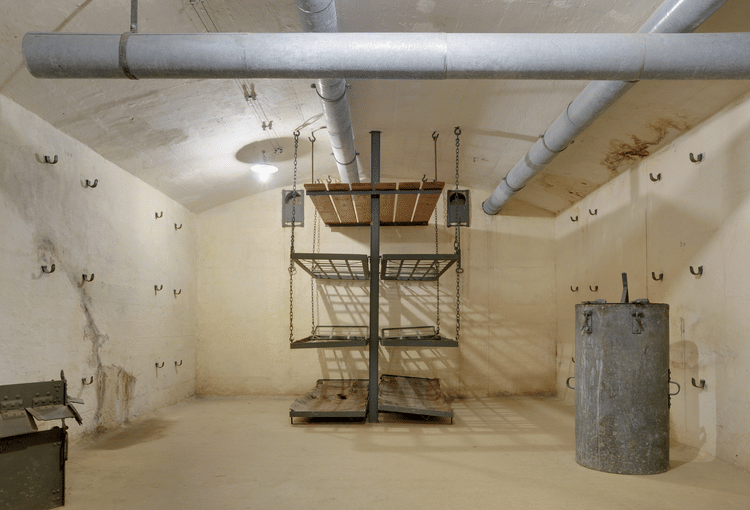
Today, the legacy of the Maginot Line lives on. Around 20 different portions of the fortifications have been restored and are open to the public, maintained by volunteer associations. These sites, such as the impressive Schoenenbourg Fort in Alsace, serve as powerful historical museums, offering visitors a unique insight into the scale of French ambition and the tragic complexities of interwar military strategy. The Maginot Line remains a potent symbol, not of failure in construction, but of a profound strategic miscalculation, a testament to the ever-evolving nature of warfare and the critical need for adaptability in the face of innovation.